Vacuum Feeder Price
Thursday April-23 2026 17:06:16
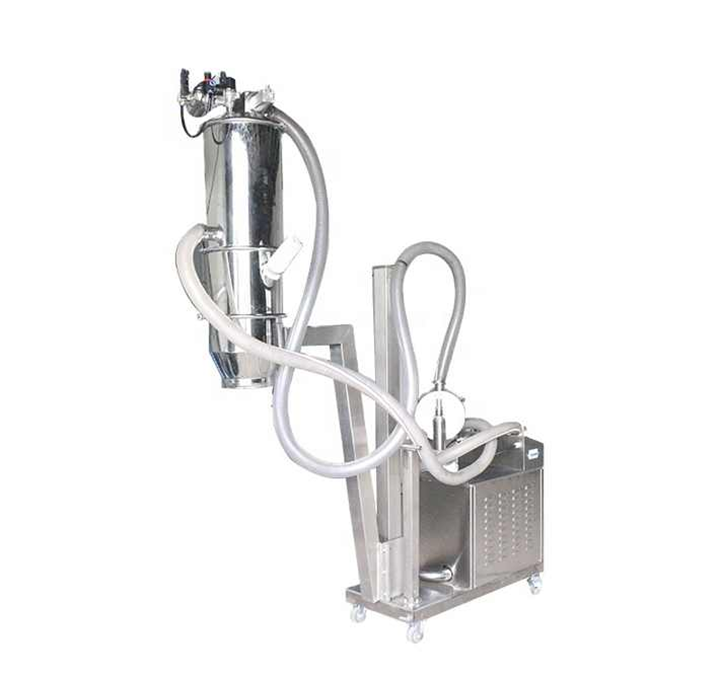
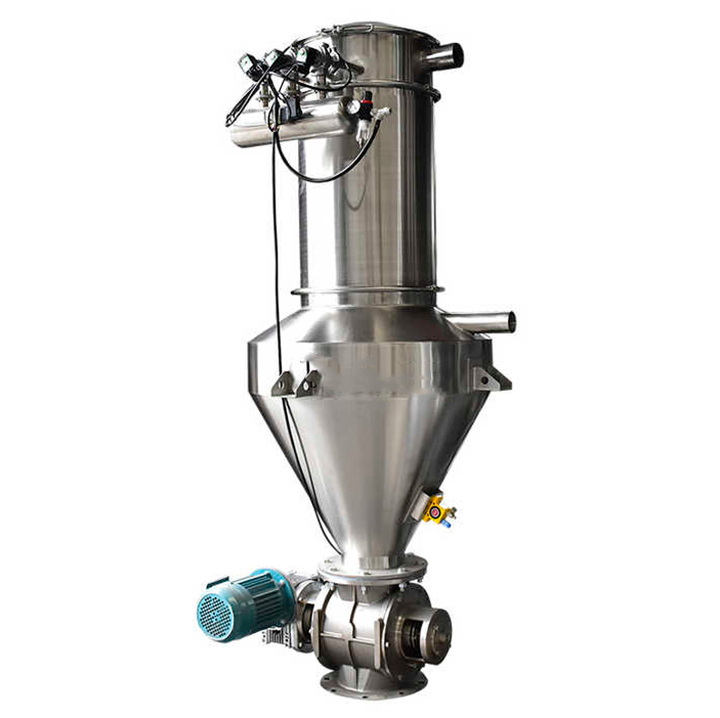
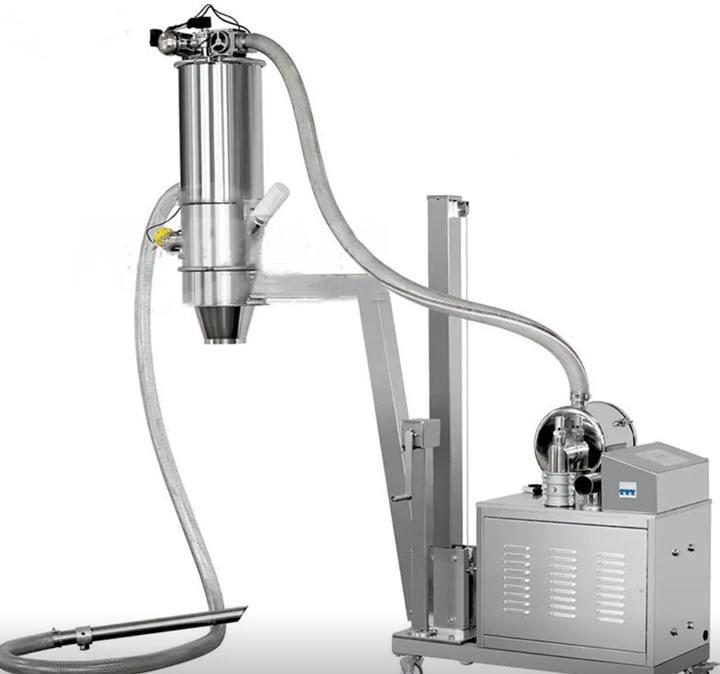
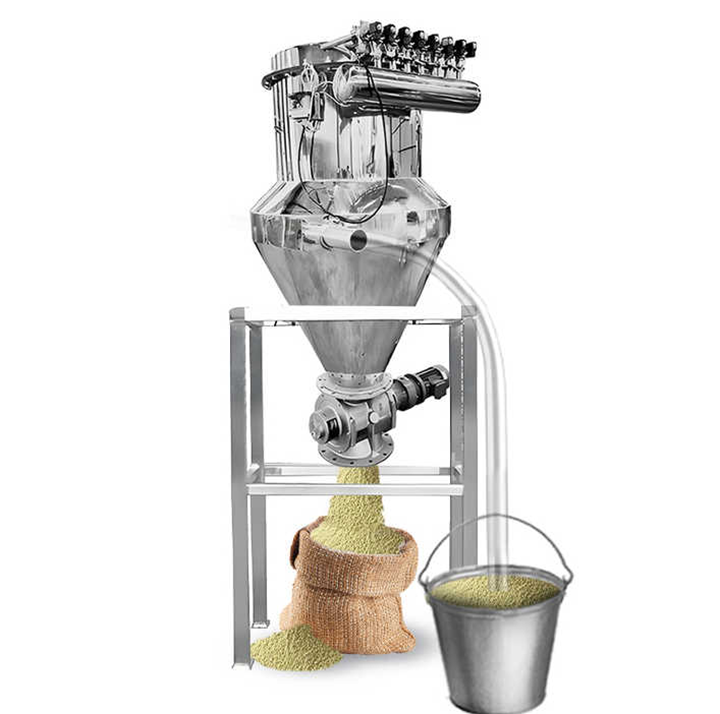
Vacuum Feeder is an automated device that utilizes negative pressure to achieve closed-loop conveying of powders, granules, and other materials. It effectively solves problems such as dust pollution, material waste, and high labor costs during material conveying. Composed of core components such as a vacuum generator, hopper, filter, conveying pipeline, and control system, it boasts advantages such as high conveying efficiency, excellent sealing, convenient operation, and simple maintenance. It is suitable for various scenarios, including small-batch laboratory testing, large-scale workshop production, and production line integration. The model can be flexibly adjusted according to material characteristics and conveying needs. As a core auxiliary equipment in the production process, Vacuum Feeder Price vary considerably; the specific price needs to be determined comprehensively based on factors such as equipment configuration, materials, and capacity.
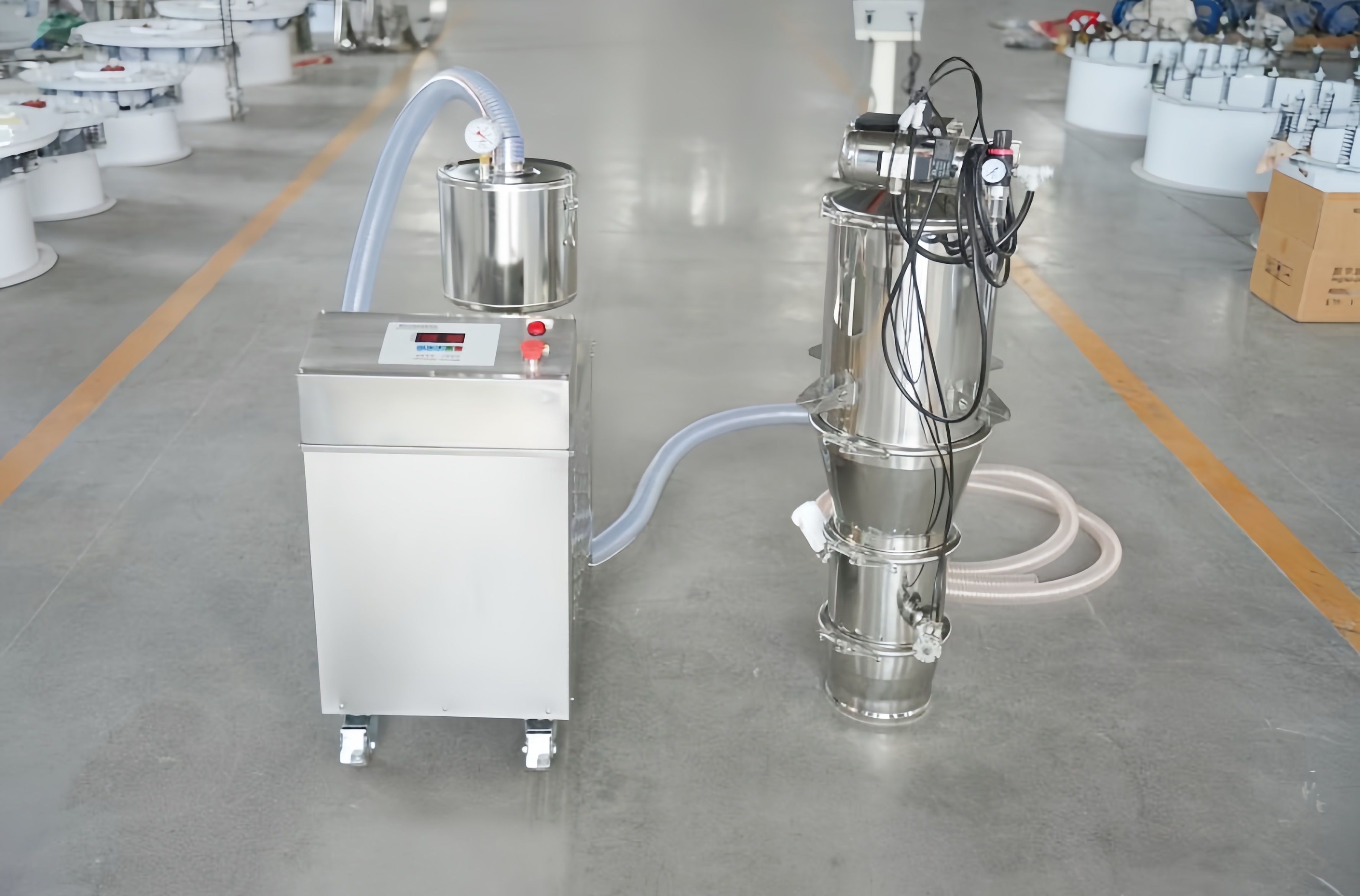
Vacuum Feeder Price Table
| Model / Type | Power (kW) | Conveying Capacity (kg/h) | Material / Configuration | Price Range ($) | Applicable Scenarios |
| Small electric/pneumatic type | 1.1–1.5 | 100–400 | 304 stainless steel | Basic model 900–1,500 | Laboratory, small batch powder/granule, injection molding auxiliary equipment |
| Medium Standard Type | 2.2 | 300-600 | 304/316 Stainless Steel | With Backflush 1,500–2,200 | Suitable for small to medium capacity in food, pharmaceutical, and chemical industries |
| Medium-duty reinforced | 3.0 | 500-1200 | 316 stainless steel, explosion-proof/dust-free | 2,200–3,000 | Pharmaceuticals, fine chemicals, continuous conveying |
| Large industrial type | 7.5-11 | 3,000–6,000+ | All-Stainless Steel (Including Dust Collection) / Automated Controls | 5,000–10,000+ | Centralized Feeding, Bulk Bag Unloading, Long-Distance Conveying |
| Dedicated Plastic Suction Loader | 0.75-1.5 | 200-400 | Engineering Plastics + Stainless Steel | 500–1,200 | Injection Molding, Extrusion, Plastic Granule Feeding |
Factors Affecting Vacuum Feeder Price
Vacuum feeder prices are determined by a combination of factors, including equipment material, conveying capacity, configuration functions, and customization requirements. Differences in structural design for different working conditions and materials directly affect production costs. Brand, after-sales service, and certifications also significantly impact the final price.
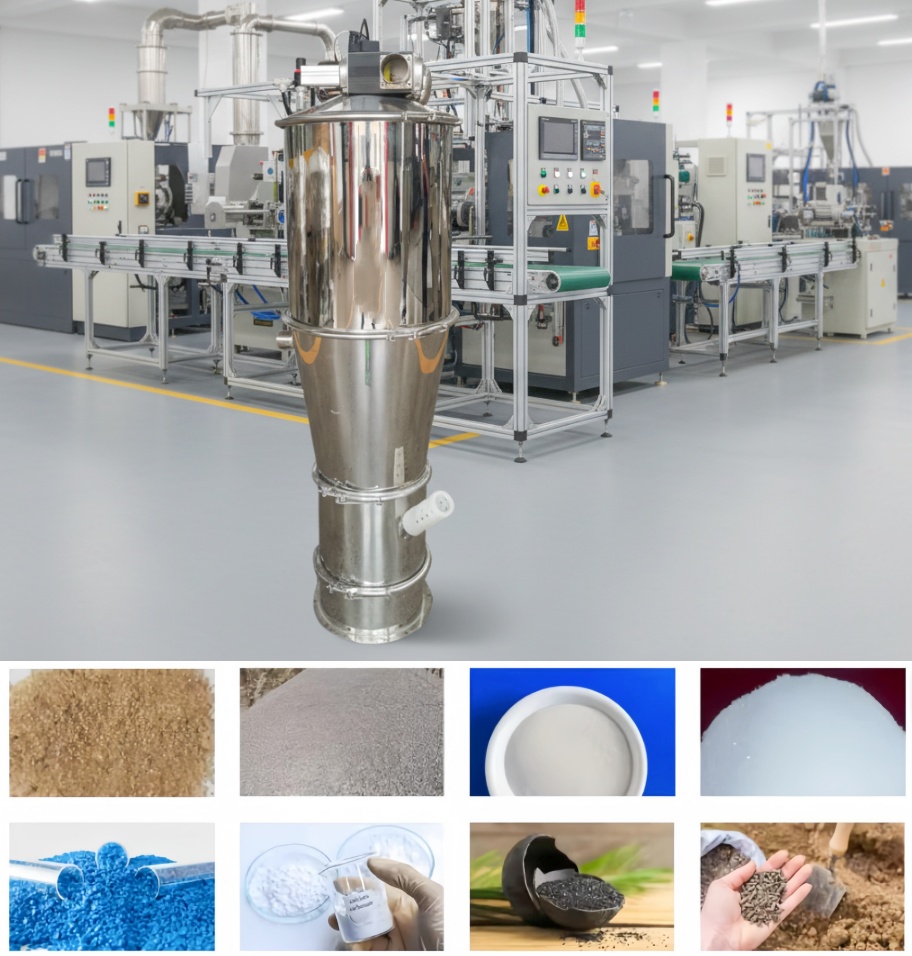
Material: Different materials have significant price differences. Carbon steel is the cheapest, suitable for general chemical and building materials applications (non-hygienic), but it is prone to corrosion and has a short lifespan. 304 stainless steel is the mainstream material, suitable for most applications in food, pharmaceuticals, and general chemicals; it is corrosion-resistant and easy to clean, but its price is 30%–50% higher than carbon steel. 316L stainless steel is designed specifically for pharmaceuticals, high-end food, and highly corrosive environments; it is acid and alkali resistant, has a high hygiene rating, and its price is 50%–100% higher than 304 stainless steel.
Conveying Capacity: Conveying capacity, distance, and height directly determine the specifications of core components, thus affecting the price: the larger the capacity, the larger the vacuum pump and hopper, and the higher the price.
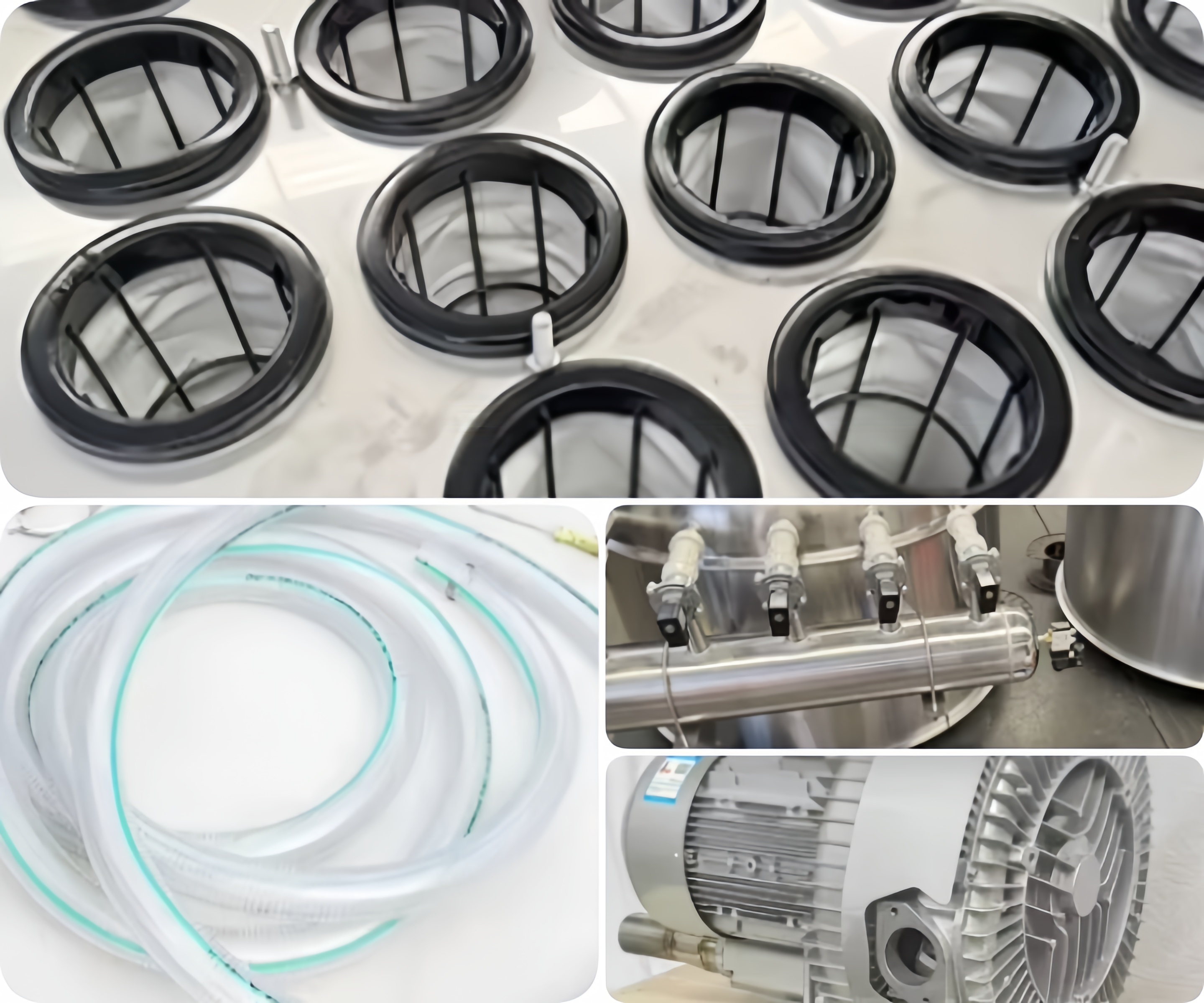
Configuration and Functions: The level of equipment configuration and additional functions are significant indicators of price differences. For vacuum generators, pneumatic vacuum generators are cheaper and quieter, while electric vacuum pumps have higher suction power but higher energy consumption, with a price difference of 20%–40%. In filtration systems, high-efficiency membrane filter cartridges with pulse backflushing are more expensive than ordinary filter cartridges. In control systems, PLC automatic control with remote monitoring is more expensive than manual control. Furthermore, additional functions such as explosion-proof certification, nitrogen protection, CIP online cleaning, and weighing/metering each increase costs by 10%–50%.
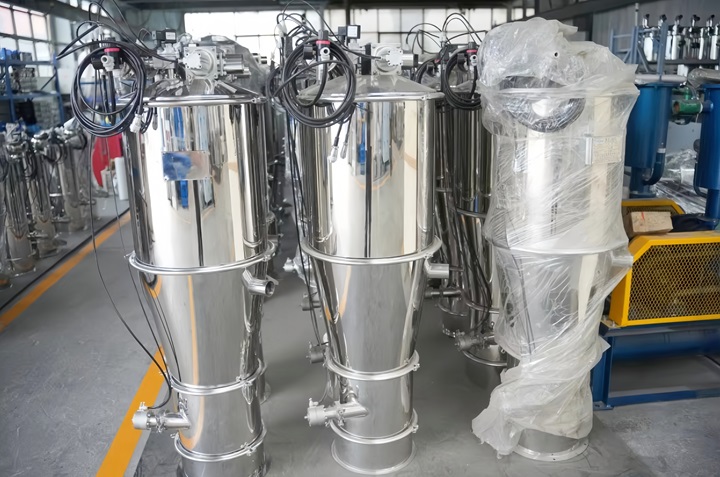
Customization Level: Higher customization levels result in a more significant price increase. Standard models are readily available with fixed prices and fast delivery, requiring no additional charges. Semi-customized and fully customized models will see their prices increase with the level of customization.
How to Choose the Right Vacuum Feeder
Choosing a vacuum feeder should not be based solely on price; it is crucial to ensure it fits your specific production conditions. First, the material characteristics, conveying capacity, conveying distance, and height must be clearly defined. Then, considering industry hygiene requirements and on-site installation conditions, the material and structure must be determined. A comprehensive comparison of configurations and stability is necessary to select a suitable, user-friendly model that doesn't waste budget.
Clarify Requirements:We need to first determine the core parameters: material type (powder/granules/lumps), conveying capacity, conveying distance, and height. This determines the material to be used, which is the foundation of model selection.
Matching Materials and Configurations:Select materials based on industry scenarios and material characteristics. For the food and pharmaceutical industries, 304 or 316L stainless steel is preferred; for general chemical industries, carbon steel is suitable; for highly corrosive and high-temperature environments, 316L stainless steel with a special coating is recommended. In terms of configuration, basic configurations are sufficient for routine production; additional functions can be upgraded for complex operating conditions.
Consider Operating Costs:When selecting a model, consider not only the initial purchase price but also energy consumption, maintenance costs, and service life. High-quality equipment may have a slightly higher initial price, but its low energy consumption, low failure rate, and long service life make it more cost-effective in the long run.
How to Obtain the Most Cost-Effective Vacuum Feeder Price?
To obtain the most cost-effective quote for a vacuum feeder, the key is to clearly define your needs and compare multiple options. Avoid blindly comparing prices. First, clearly define your core requirements, including material characteristics, production capacity, conveying parameters, industry standards, and budget range. This will prevent overly high quotes or unsuitable models due to vague requirements. We will select and customize a machine based on your detailed needs, the usage site, and upstream and downstream equipment. We have ISO and CE certifications and can provide design drawings, non-standard customization, and supply of vulnerable parts, ensuring a one-stop pre-sales and after-sales service process.
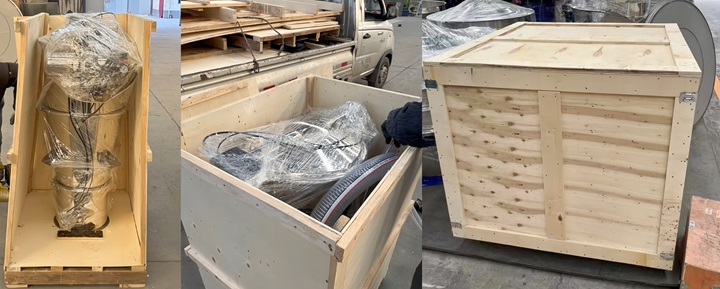
The price of a vacuum feeder is primarily determined by materials, production capacity, configuration, and customization. Selection requires a comprehensive assessment of industry standards, material characteristics, and production needs. We recommend clarifying your requirements first, then contacting manufacturers to provide detailed parameters and obtain a detailed quote.