Paint Powder Vacuum Loading Machine price
Thursday June-04 2026 15:11:13
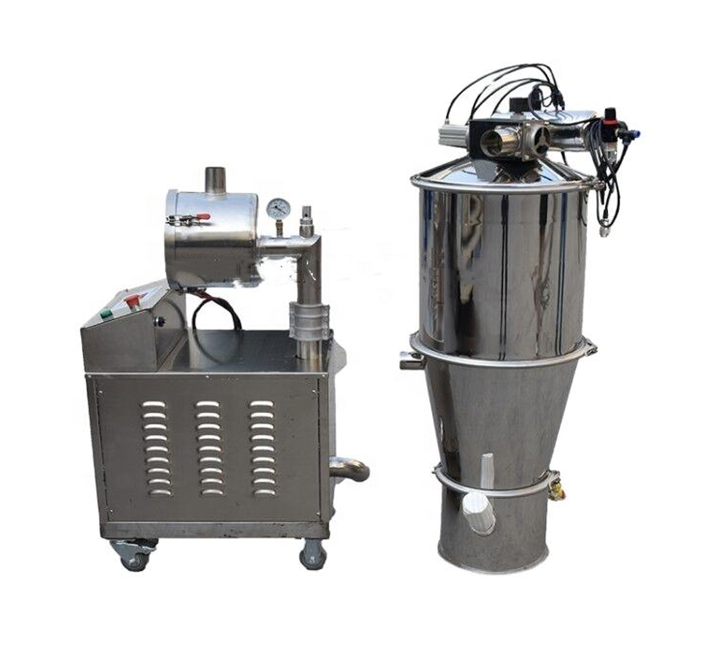
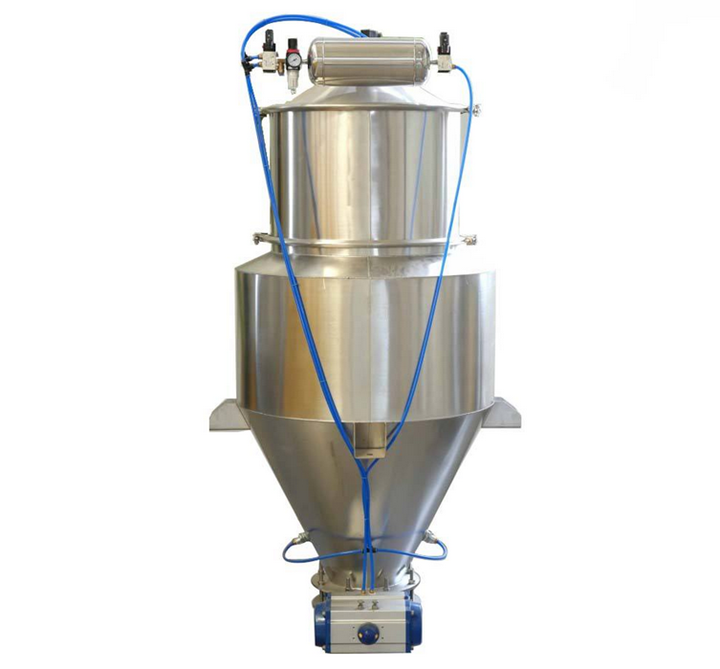
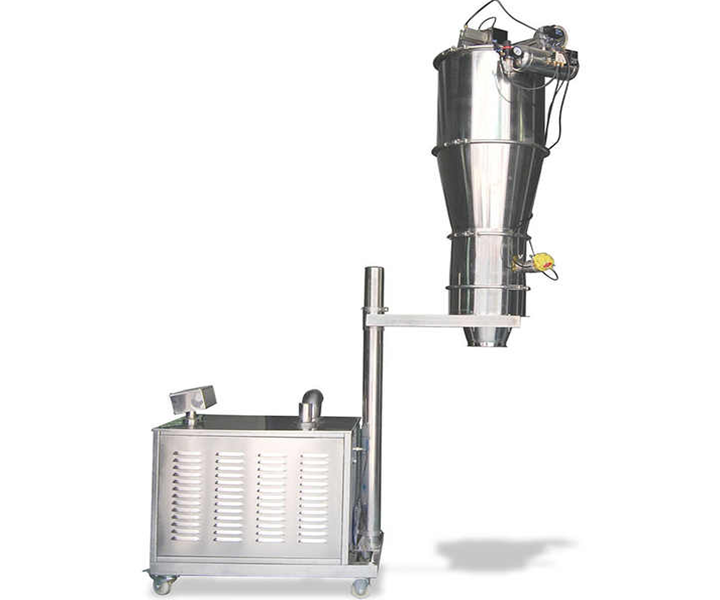
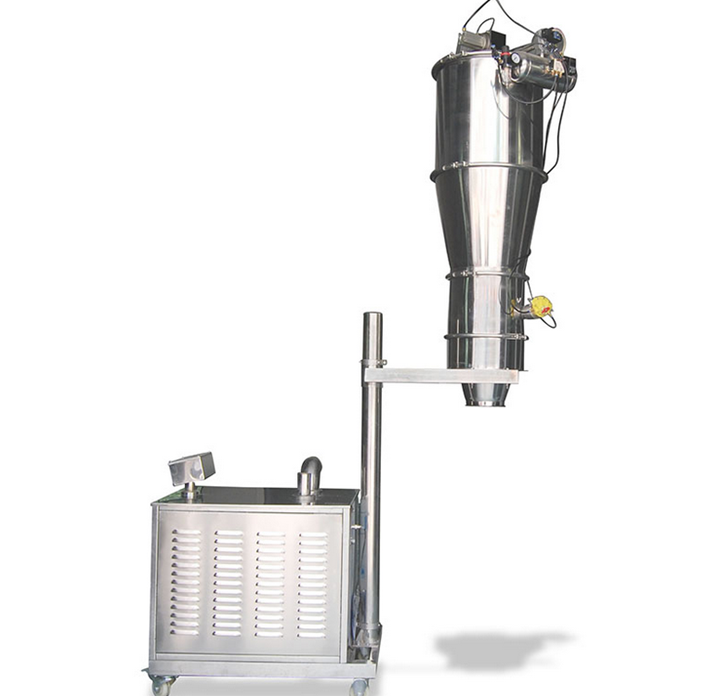
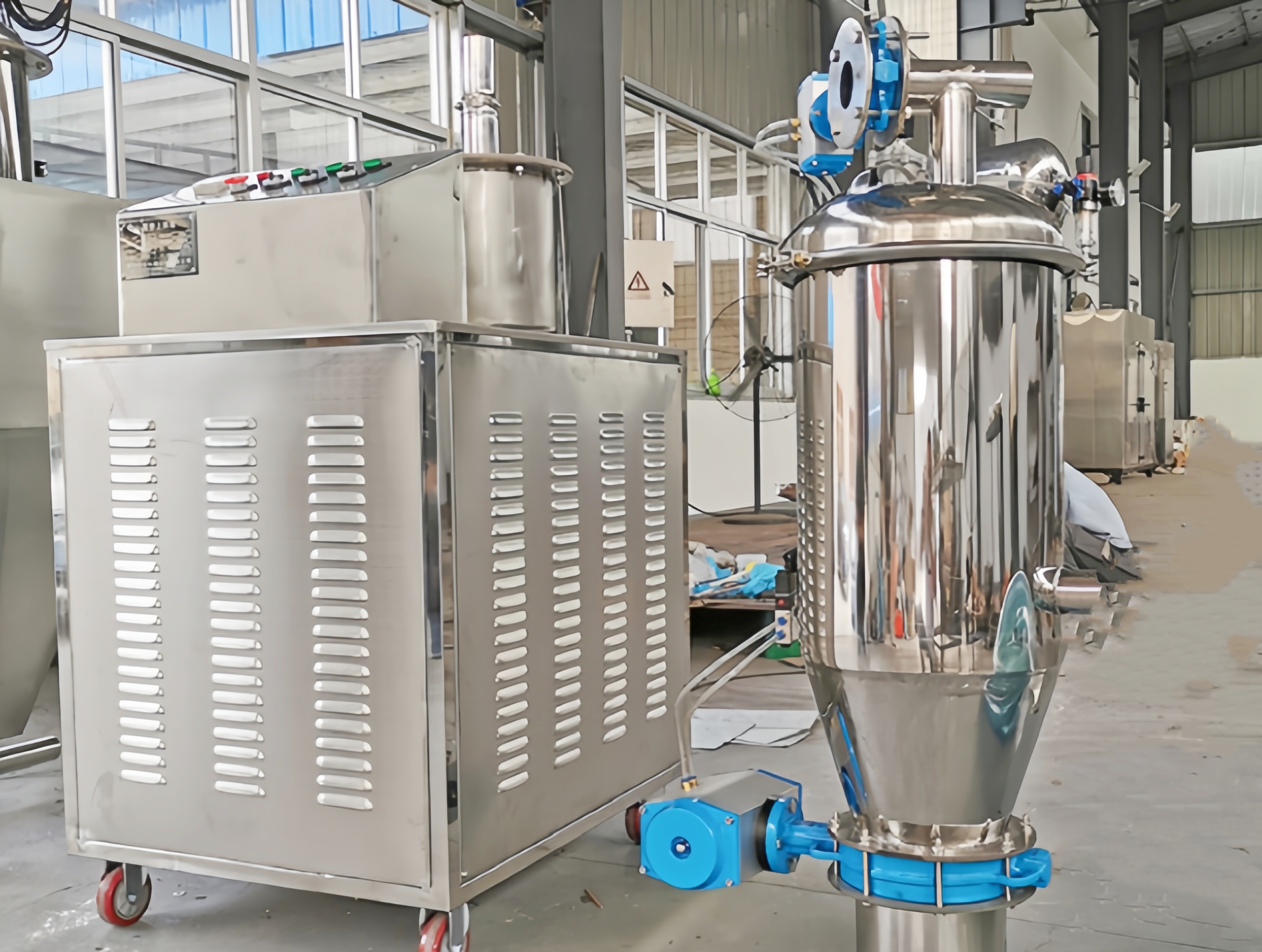
Paint Powder Vacuum Loading Machine is driven by the principle of negative pressure pneumatic conveying. A vacuum pump creates a pressure difference within a closed pipeline, silently and dust-free drawing paint powder, pigments, fillers, and other materials into the hopper. After separation by a filter element and positive pressure unloading, the entire process is leak-free and pollution-free. For industries such as paints, varnishes, adhesives, and hardeners, this system achieves dust-free unloading and closed-loop conveying, allowing for flexible and intuitive formula adjustments. From adding color powder to resin conveying, from antioxidants to additives, a single machine can connect the entire batching production line.
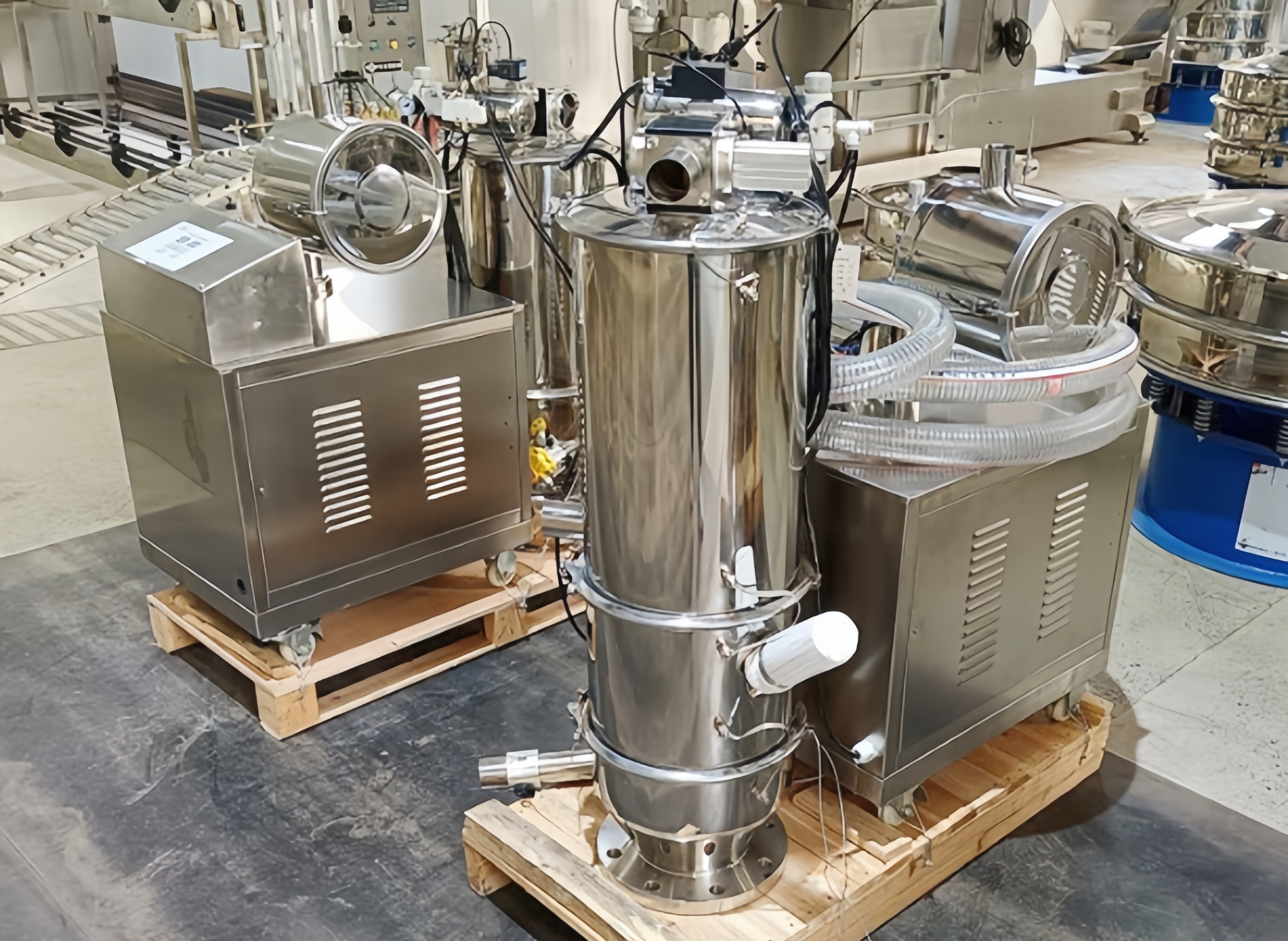
The price of a Paint Powder Vacuum Loading Machine is not fixed. Due to the common flammability, explosiveness, adhesion, and fine particle size of paint materials, the equipment price often depends on various customized factors such as explosion-proof rating, conveying distance, hourly output, and filter element material.
What is the price of a Paint Powder Vacuum Loading Machine?
| Equipment Class | Capacity | Core Specifications & Features | Price Range |
| Economy / Lab Scale | 50kg - 300kg/h | SUS304 stainless steel, standard filter bag or PE filter, non-explosion-proof or basic pneumatic control. Suitable for common coating fillers without flammability or explosion risks. | $1,200 - $2,500 / Unit |
| Standard Industrial | 400kg - 1,500kg/h | Fully pneumatic control system, titanium filter or PTFE-coated polyester high-precision filter, equipped with automatic pulse jet back-flushing, standard inner-wall polishing. | $2,800 - $5,500 / Unit |
| Premium Anti-stick & Ex-proof | 1,500kg - 3,000kg/h | Engineered for ultrafine titanium dioxide and sticky pigments. Features Teflon (PTFE) anti-stick coating or mirror-grade polishing, dual explosion-proof electronic control system. Ideal for high-capacity, long-distance conveying. | $6,000 - $12,000 / System |
| Heavy-duty Integrated System / Bulk Bag Unloading Line | 3,000kg - 6,000kg/h+ | Includes high-power vacuum pumps (7.5kW-11kW+), dust-free bulk bag (FIBC) unloading stations, integrated weighing and dosing modules, and complex multi-elbow, high-vertical piping networks. Fully customized production line. | $15,000 - $30,000+ / Line |
What factors affect the price of a Paint Powder Vacuum Loading Machine?
There is no standardized price for vacuum feeding machines for coating powders. From the powder's weight, fineness, adhesion, and electrostatic properties, to the discharge mode, control system selection, and customization requirements such as explosion-proof and pharmaceutical-grade standards, each change will adjust the materials and processes, ultimately resulting in significant price differences.
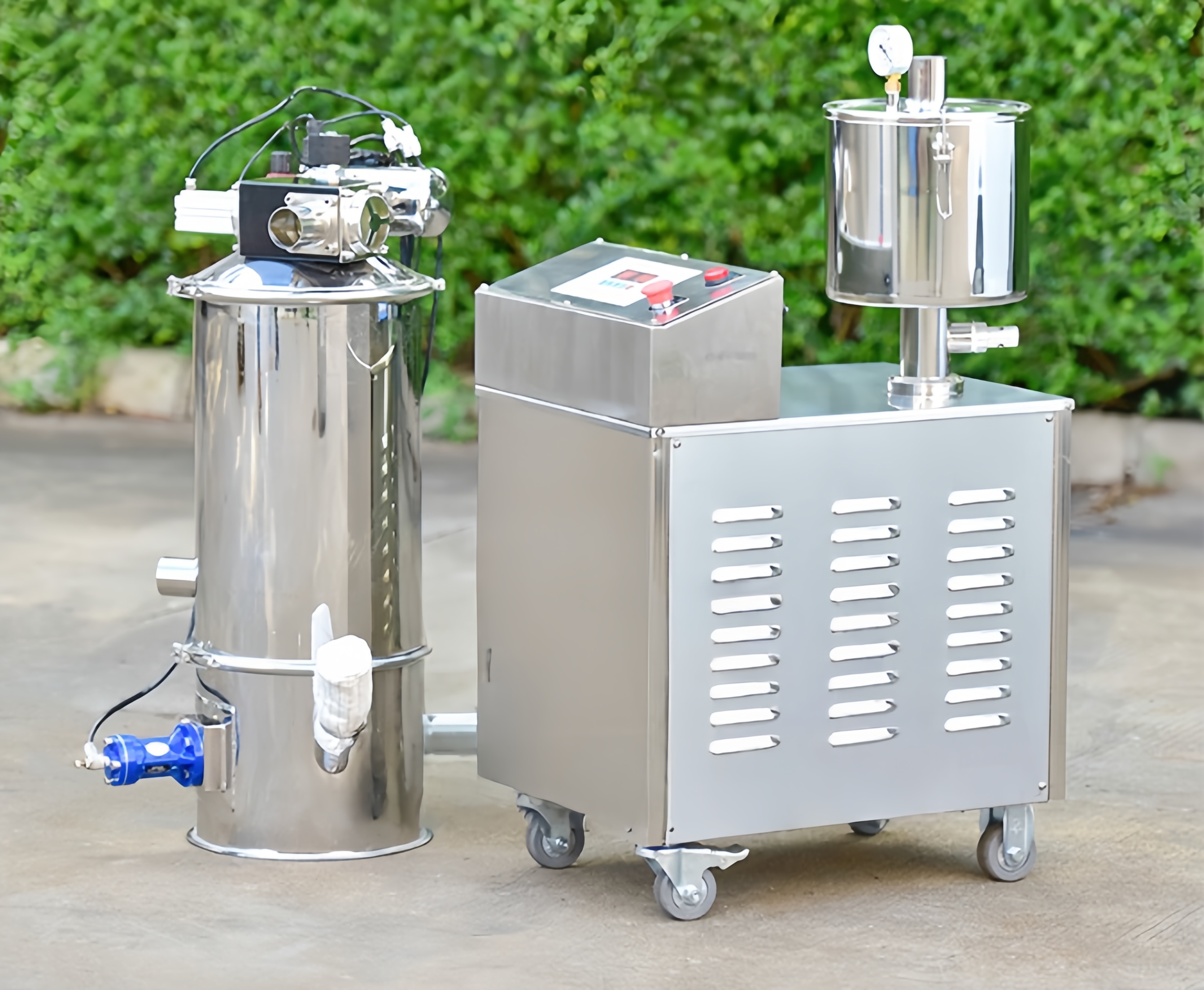
Conveying distance: The longer the distance, the higher the vacuum pump power and the higher the cost. Each additional 90° bend is equivalent to adding 5-7 meters of horizontal pipe in terms of resistance.
Conveying capacity: Equipment with 600kg/h and 2500kg/h have completely different pump sizes and power, resulting in a price difference of 2-3 times.
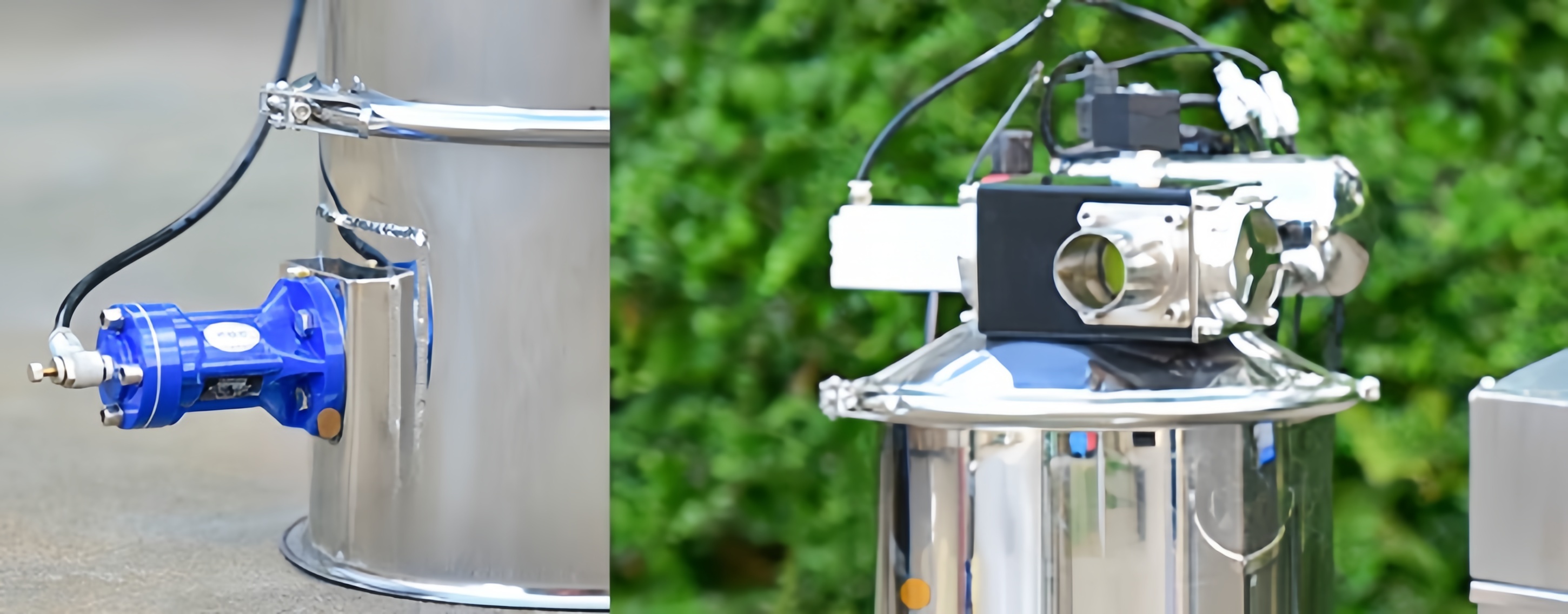
Filter material: Sintered plate filter elements vs. polyester membrane filter elements; the price difference per set can reach hundreds to thousands of yuan.
Number of pipe bends: Each additional bend in the on-site pipeline increases the conveying difficulty and may require an upgraded vacuum pump.
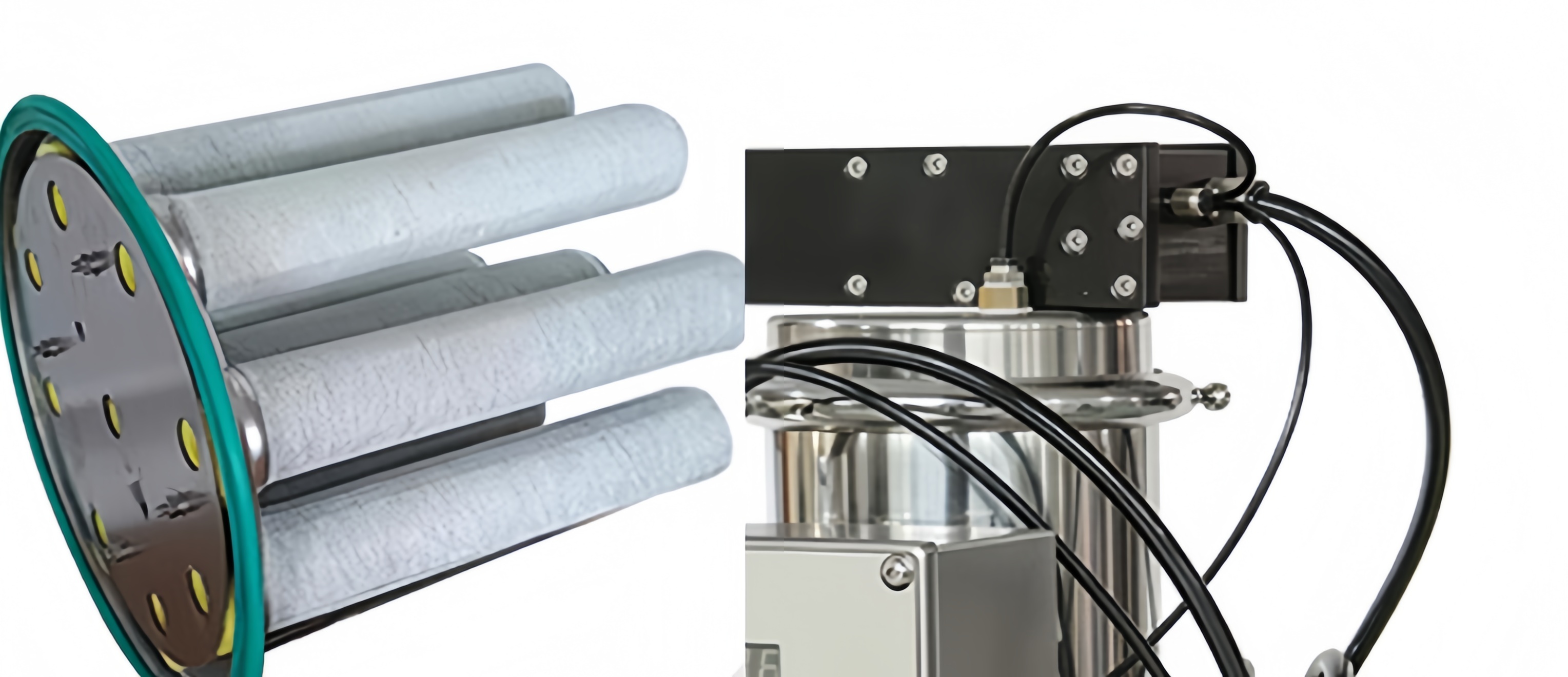
Material Characteristics: Lightweight powders have low bulk density and are prone to dust generation, requiring enhanced sealing and negative pressure suction throughout the piping system; ultrafine powders below 10μm are highly susceptible to filter clogging, necessitating the use of high-cost sintered plate filter elements; for static-electrostatic raw materials such as carbon black, the entire piping system and filter elements require anti-static modifications; viscous raw materials tend to adhere to the filter walls, requiring the addition of an automatic piping cleaning system.
Discharge Method and Control System: Intermittent discharge models have a 20%~30% lower procurement cost compared to continuous discharge models, making them the preferred choice for routine operations; control configurations include basic relay models and high-end PLC touchscreen frequency converter models; the quality of the backflushing structure affects filter element lifespan and overall machine capacity.
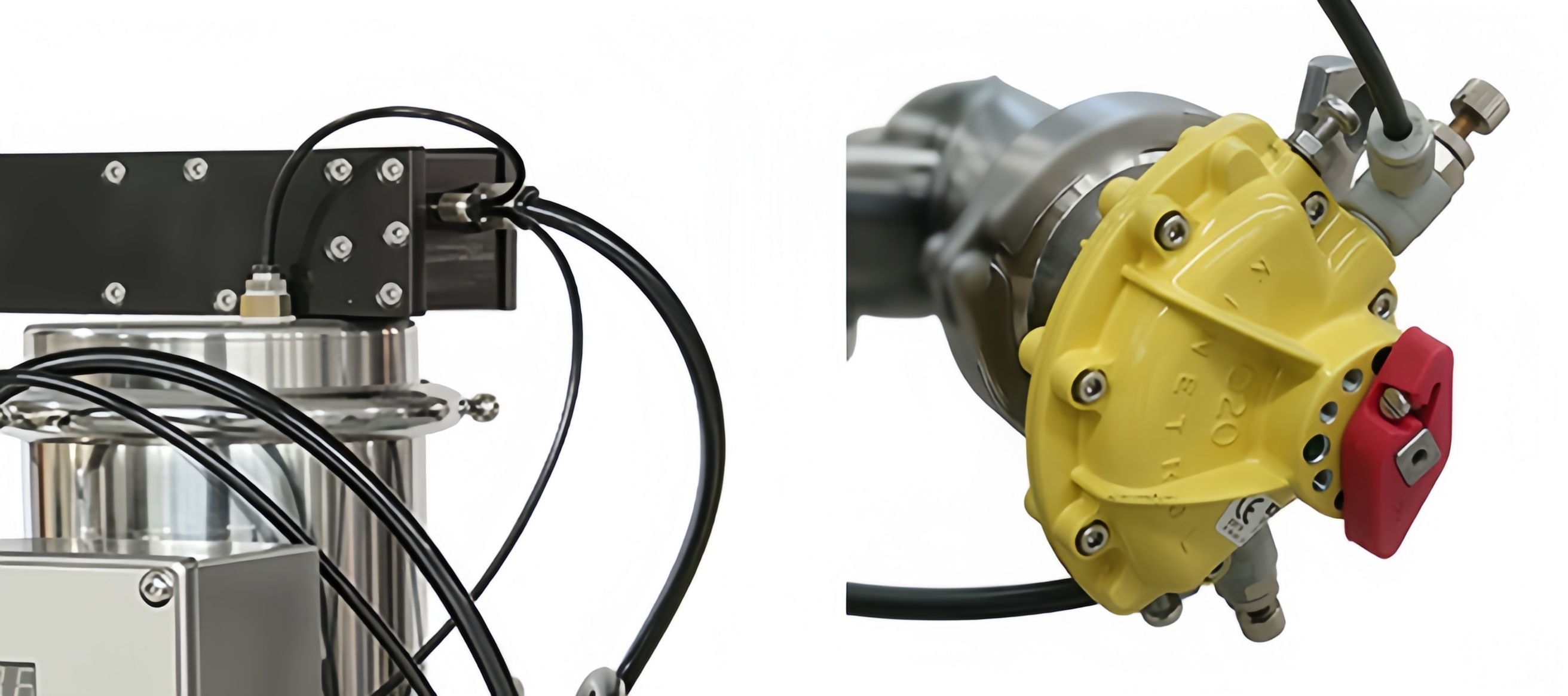
Special Compliance Requirements: Adhering to specific industry standards significantly increases equipment costs. Pharmaceutical GMP standards require mirror-polished chambers with no residual dead corners, increasing the price by 30%~50%; ATEX explosion-proof models require a pneumatic vacuum pump and a full-area anti-static structure; production of OEB3 and higher high-activity powders also requires a specially customized high-standard sealing structure.
How to obtain the most detailed quote for a Paint Powder Vacuum Loading Machine?
To obtain a detailed quote, we need complete information on the powder properties, conveying capacity, discharge mode, and electrical control specifications. This allows the manufacturer to match the required filter elements, piping, backflushing, explosion-proof features, etc., and break down the material and labor costs to provide a clearly itemized quote.
Material bulk density and particle size: Is it an ultrafine powder? Is it hygroscopic?
Expected conveying capacity (kg/h)? What is the horizontal distance of the conveying system (in meters)? What is the vertical distance (in meters)? How many bends are there?
Is the upstream and downstream connection equipment feeding from ton bags, or connecting to a reactor, mixer, or packaging machine?
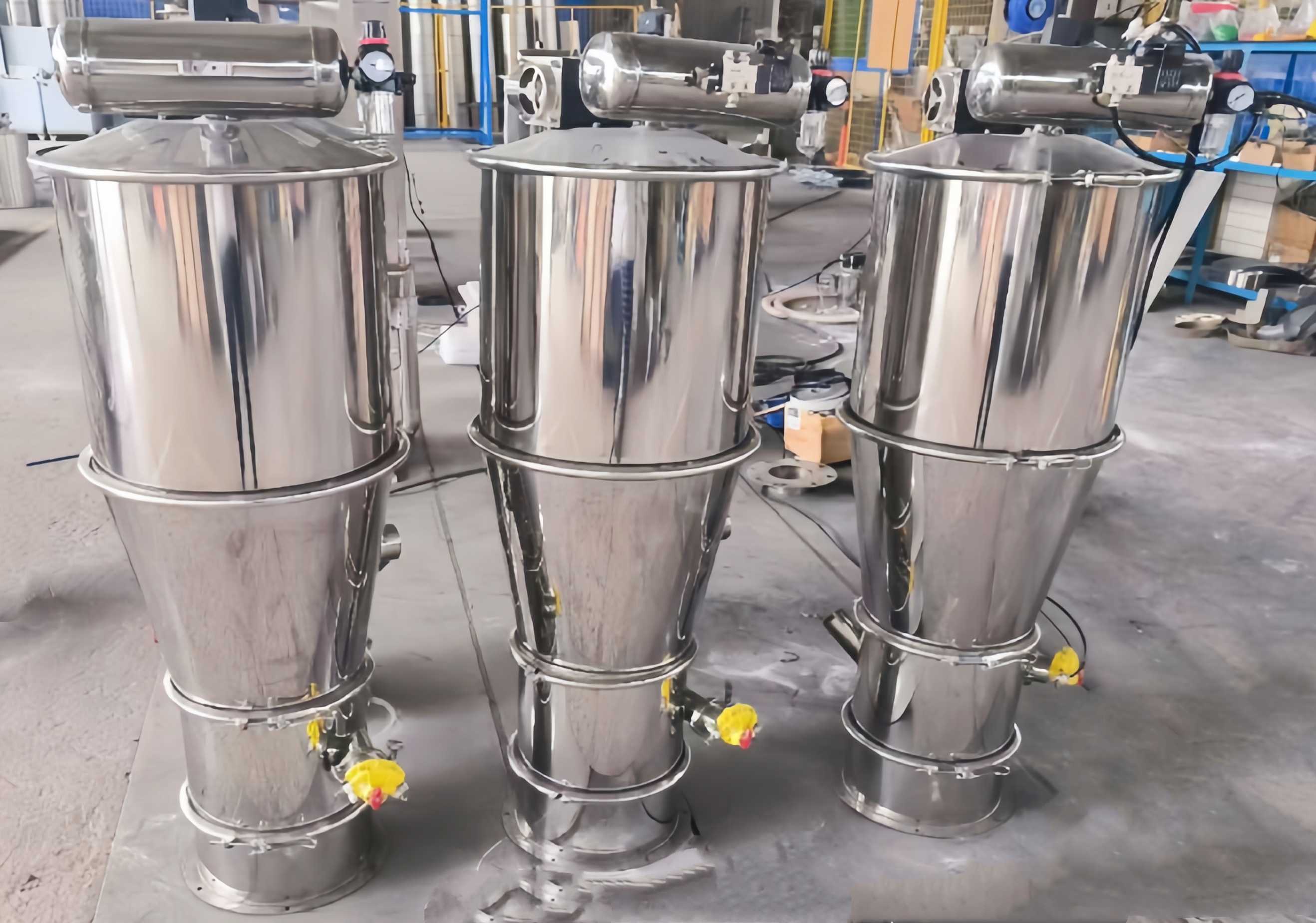
The price of a paint powder vacuum loading machine is constrained by multiple factors, including powder properties, discharge control scheme, and industry compliance standards. Different densities, particle sizes, and viscosities of paint powders require different filter element and piping configurations. Electrical control, explosion-proof features, and GMP customization requirements will also significantly impact the cost.