Animal Feed Vacuum Loading Machine Price
Thursday June-25 2026 14:09:03
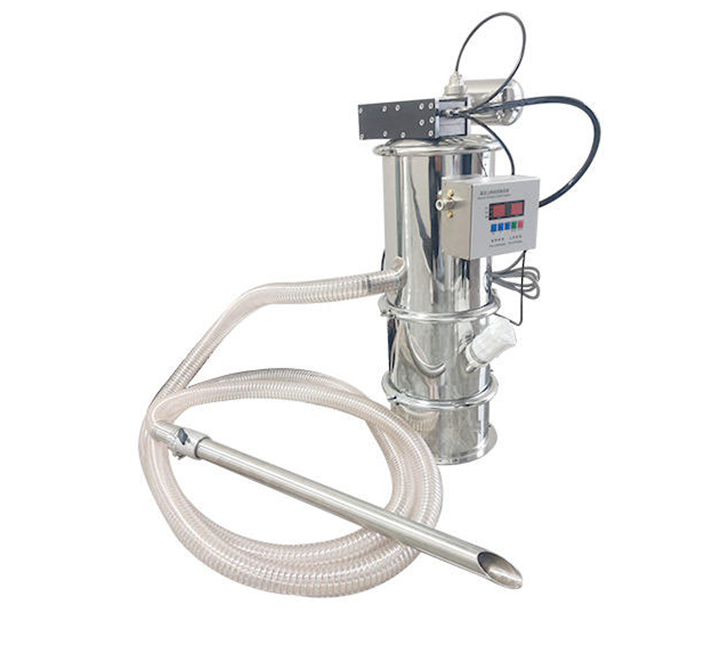
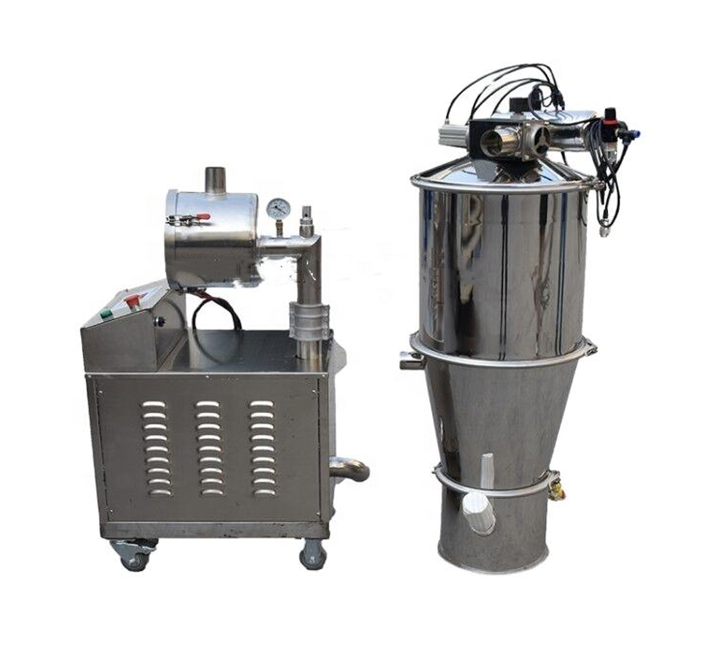
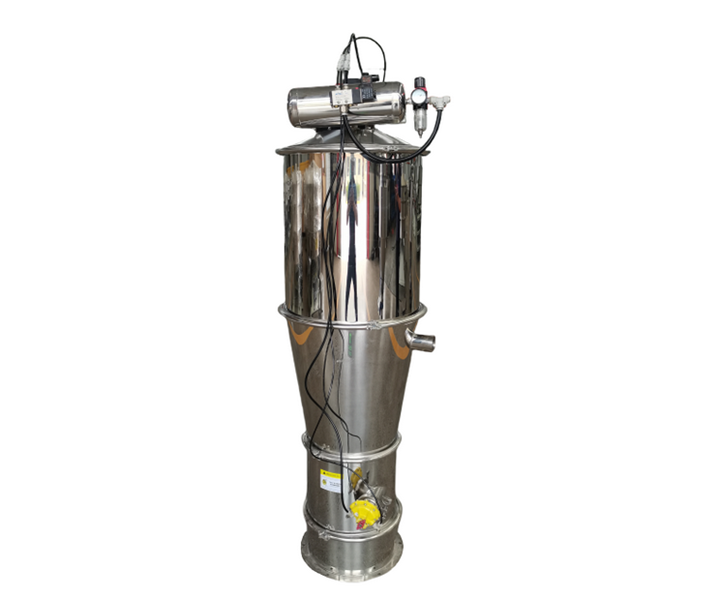
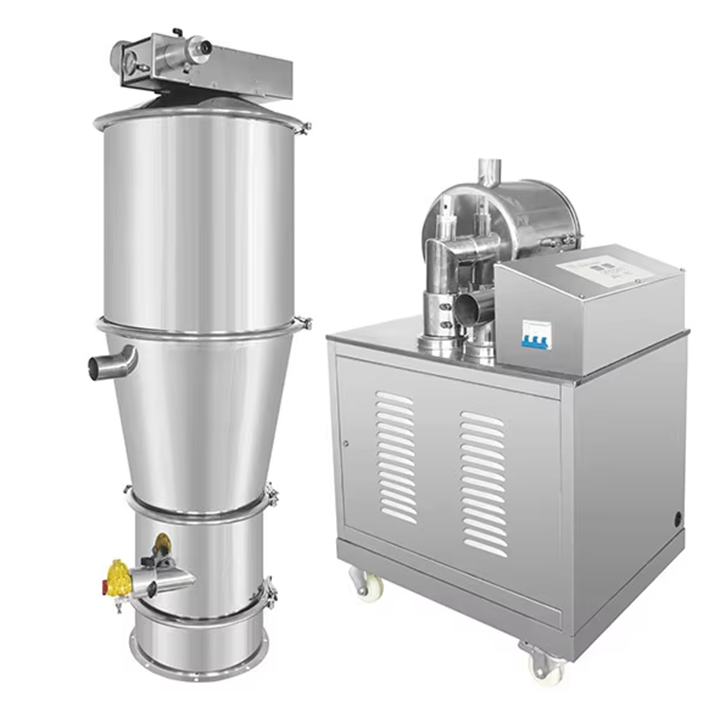
Animal Feed Vacuum Loading Machine Price utilizes the principle of vacuum negative pressure to automatically transport powdery, granular, or premixed materials from storage silos, ton bags, or hoppers to mixers, packaging machines, and other equipment. This achieves continuous conveying, reduces manual handling, improves production efficiency, and effectively controls dust pollution, improving the production environment. Compared to traditional screw conveyors or manual feeding methods, vacuum loading machines offer advantages such as better sealing, higher conveying efficiency, and lower material loss, making them widely used in poultry and livestock feed, aquatic feed, pet food, and premixed feed production lines. The price range for animal feed vacuum loading machines is $1,500-$35,000, with the specific price influenced by factors such as conveying capacity, conveying distance, equipment materials, vacuum pump configuration, level of automation, and whether custom-made products are required.
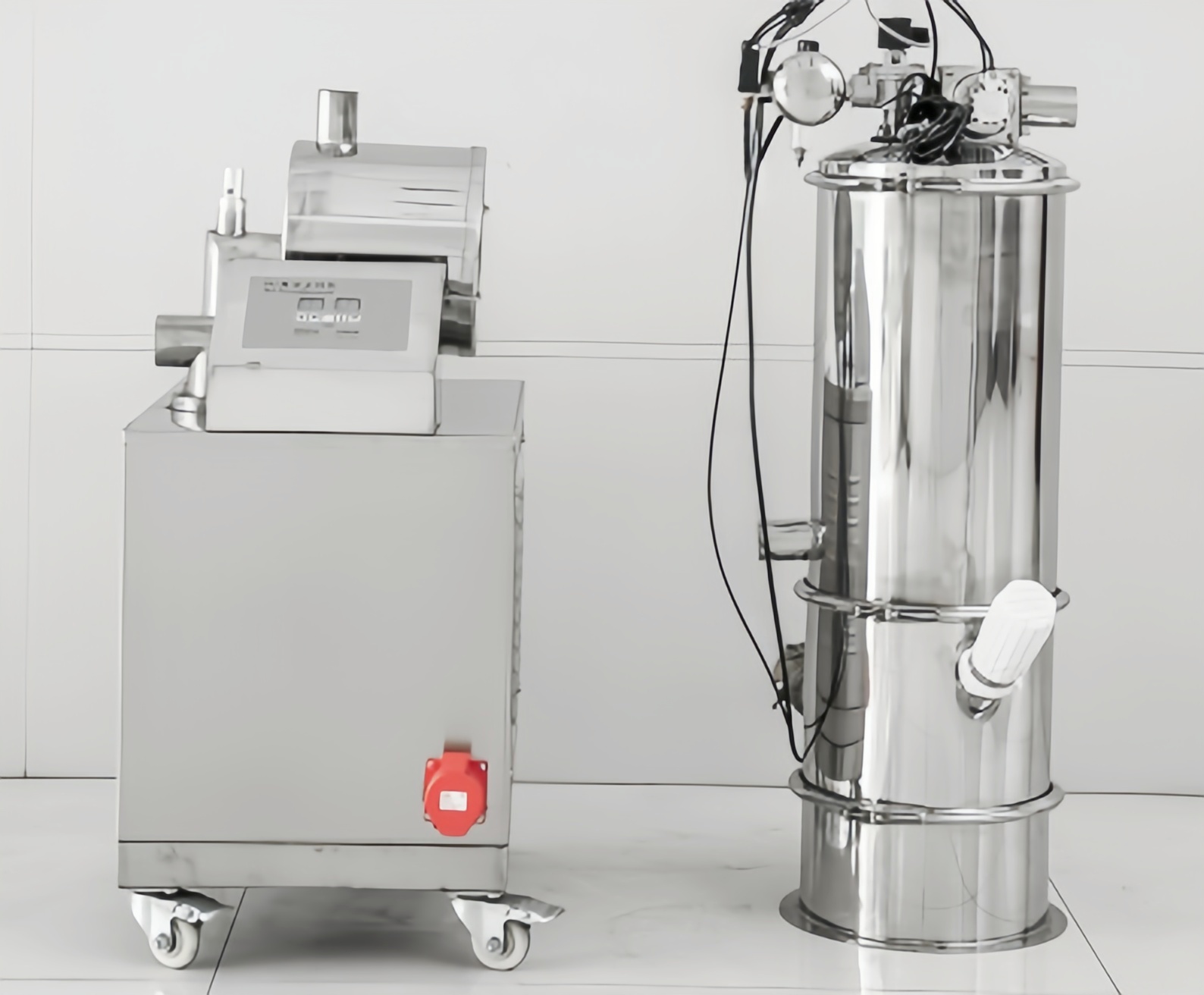
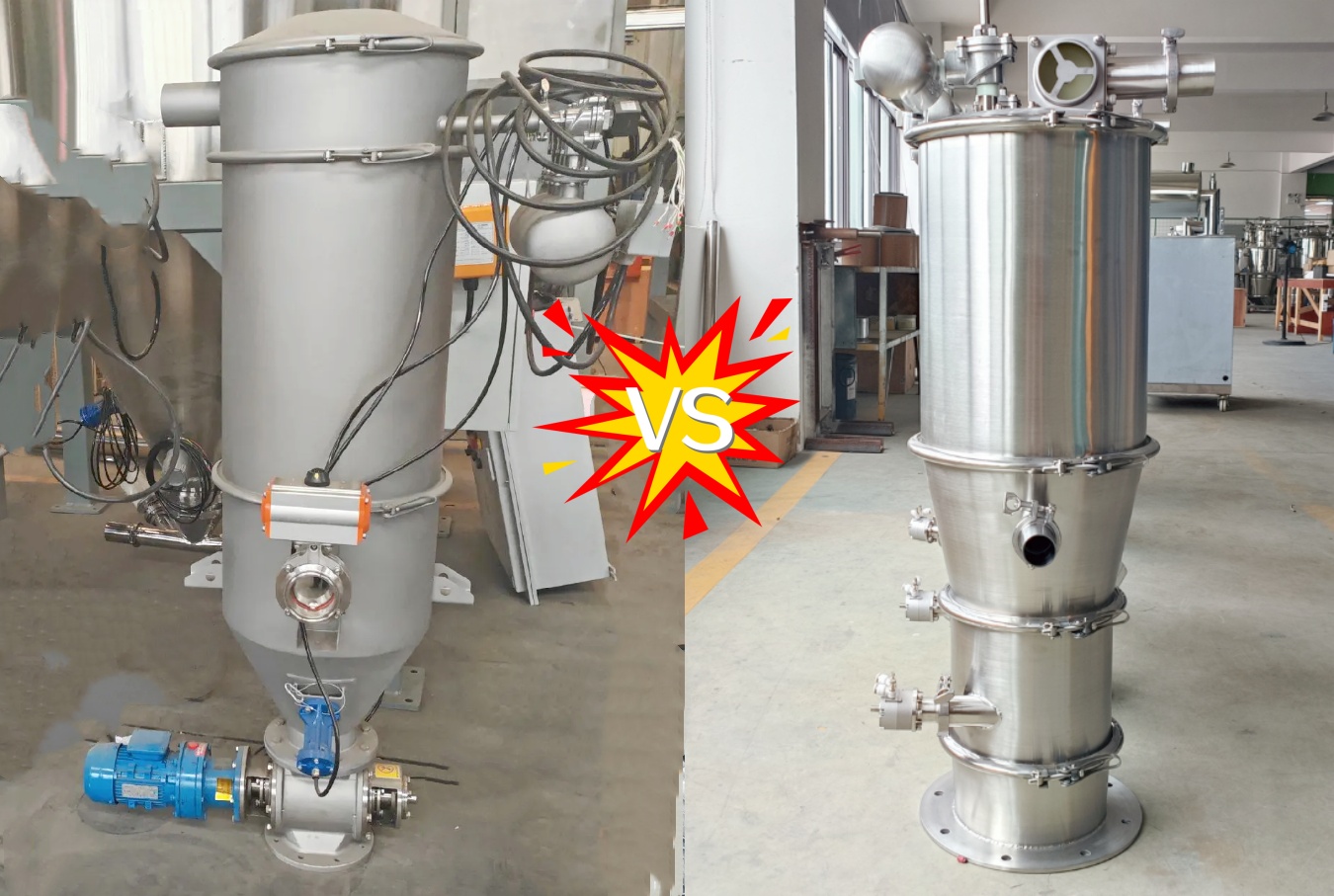
Why can two animal feed vacuum loading machines have a price difference of over $5,000?
In the procurement of animal feed processing equipment, most buyers encounter a common problem: multiple vacuum feeders with similar appearance and basic functions can have price differences exceeding $5,000. Many mistakenly believe that the price difference stems solely from the equipment's conveying capacity, but this is not the case. The pricing of animal feed vacuum feeders is influenced by multiple core variables, including equipment materials, conveying conditions, level of automation, filtration system, and the characteristics of compatible materials. For feed companies, to avoid the pitfalls of blindly comparing prices and select equipment that is suitable for production and offers high cost-effectiveness, a comprehensive understanding of equipment pricing logic, selection criteria, and cost accounting methods is essential.
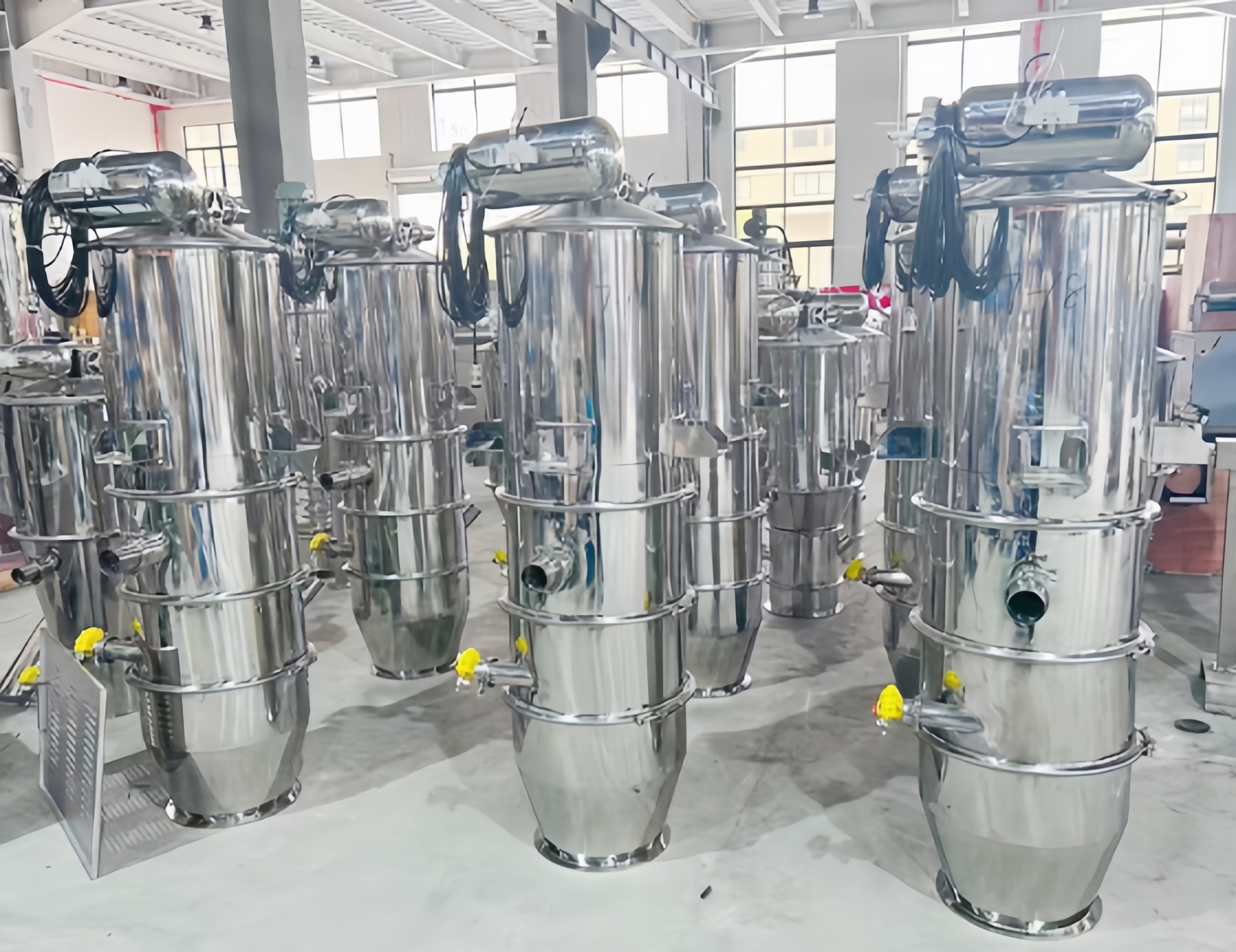
Evaluating Animal Feed Vacuum Loading Machine Price Based on Conveying Cost per Ton
Most buyers are accustomed to judging cost-effectiveness based on the total purchase price of the equipment, but this is a one-sided evaluation method. Feed production lines operate on a long-term continuous basis. Compared to the initial investment, the cost per ton of feed conveyed is the core indicator for measuring the cost-effectiveness of the equipment and calculating the return on investment. The cost and efficiency differences between different specifications of machines are significant. Small, basic models have low initial investment, but limited hourly capacity, suitable only for small-scale production, resulting in high per-ton conveying costs over the long term. Medium-sized industrial models achieve a balance between equipment investment, operating efficiency, and maintenance costs, making them a cost-effective choice for small and medium-sized commercial feed mills. Large, fully automated feeding systems have higher initial investment, but their advantages of ultra-high capacity, low failure rate, and minimal human intervention significantly reduce long-term maintenance and production energy consumption.
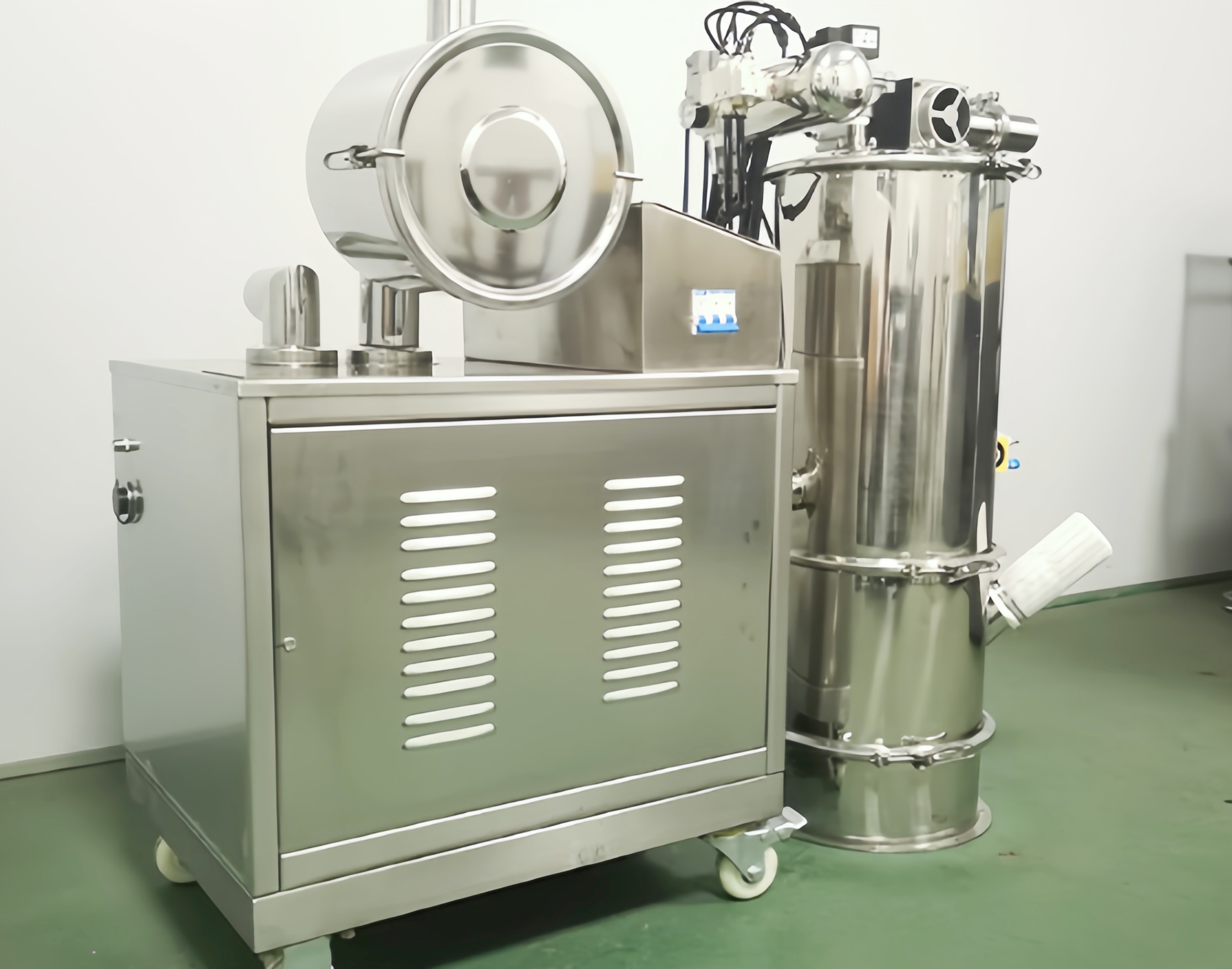
How do different feed ingredient types affect the price of Animal Feed Vacuum Loading Machines?
Different types of feed ingredients vary greatly in particle size, moisture content, viscosity, hygiene requirements, and dust characteristics, placing drastically different demands on the sealing structure, filtration system, metering device, and material processing of vacuum loading machines. This is the key reason for the tiered pricing of equipment.

Poultry feed: The material has a uniform texture, is easy to convey, and dust pollution is controllable. Standard filtration configurations are sufficient to meet production needs, resulting in simple overall configuration and low cost.
Aquatic feed: Extremely high requirements for airtight sealing during production necessitate optimized sealing structures to prevent dust leakage and material loss, avoiding raw material waste, thus increasing equipment manufacturing costs.
Premixed feed: The core requirements for production are high-precision metering and prevention of cross-contamination. It requires a precise metering system and an independent, sealed conveying structure, with process standards far exceeding those of ordinary feed equipment.
Pet food raw materials: Meeting food-grade production standards, equipment must be made of food-grade stainless steel and feature a quick-disassembly and easy-to-clean design to avoid material residue contamination. This results in the highest configuration and process costs.
Animal Feed Vacuum Loading Machine Price by Production Scale
The production capacity of a feed mill directly determines the configuration standard of the vacuum loading machine. Within the industry, equipment can be categorized into large, medium, and small types based on hourly conveying capacity, adapting to different production scenarios, with clearly defined prices.
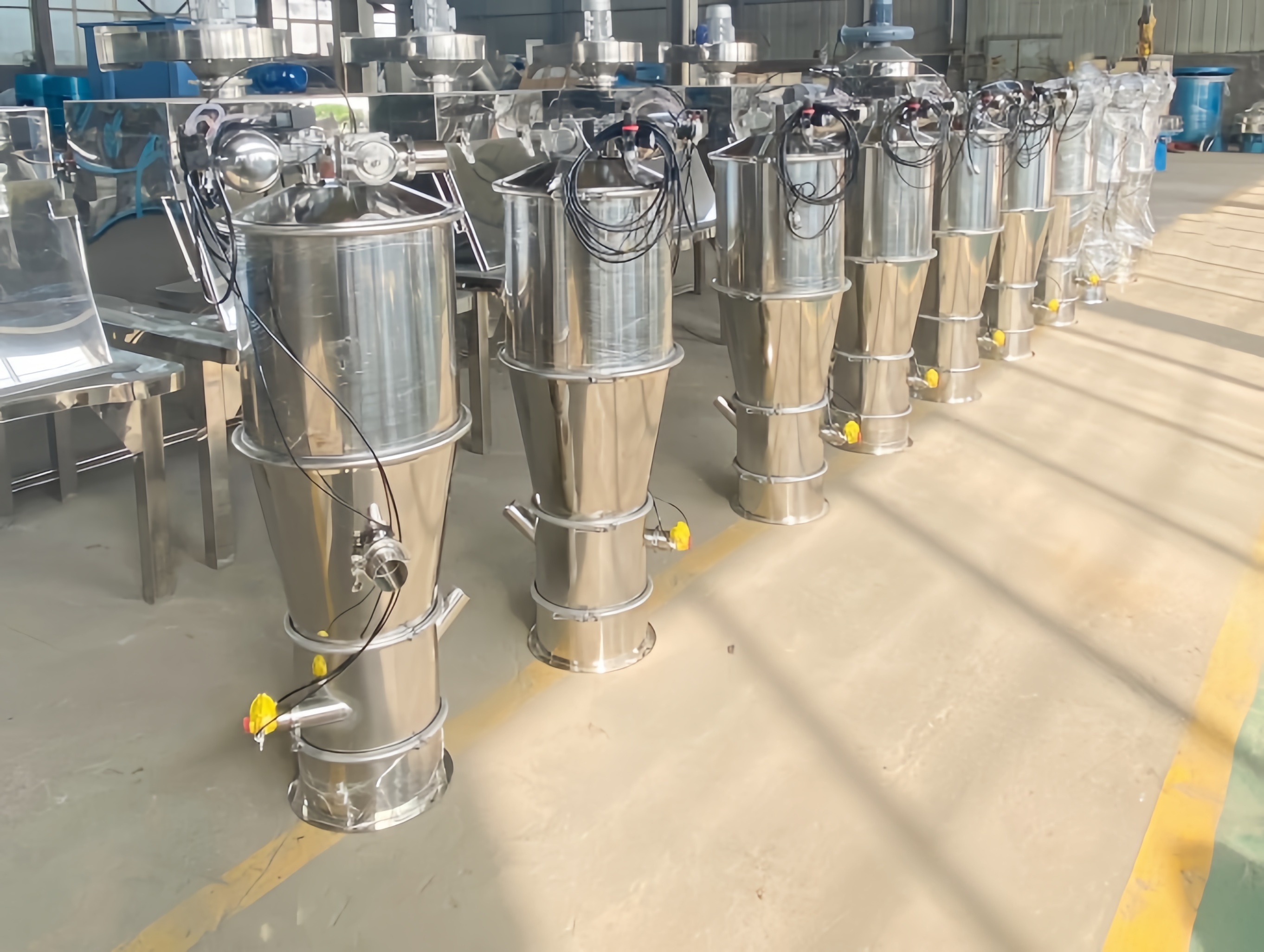
Small equipment: 1–3 tons/hour, mainly suitable for small-scale production scenarios such as ordinary farms, small feed processing workshops, and local feed packaging centers. Simple structure, easy operation, and low procurement cost make it an economical basic configuration.
Medium-sized equipment: 3–8 tons/hour, primarily designed for mid-range production scenarios such as commercial feed producers and regional feed suppliers. It adapts to routine, large-scale production needs, ensuring long-term stable material delivery. It is equipped with a PLC intelligent control system for automated material feeding management.
Large-sized equipment: 8–20 tons/hour, designed for large-scale industrial feed mills and integrated feed production bases. It adapts to high-volume, continuous, and intelligent production lines. The equipment supports fully automated, unmanned operation, features a centralized control system, and can achieve long-distance, high-flow-rate material conveying. It also supports customized designs with multiple feeding points, adapting to complex production line layouts.
Which is more cost-effective stainless steel or carbon steel?
The core advantages of carbon steel are low procurement cost, high overall cost-effectiveness, and robust, wear-resistant material. It's suitable for conveying dry, ordinary feed materials without special hygiene requirements, making it the economical first choice for small-scale feed production. Stainless steel, on the other hand, boasts superior corrosion resistance and oxidation resistance. Its smooth surface prevents material accumulation, facilitates cleaning and disinfection, effectively avoids material residue and cross-contamination, and has a much longer service life than carbon steel equipment. It's primarily suitable for high-end, high-hygiene production scenarios such as aquatic feed, premixed feed, and pet food. The appropriate material selection not only determines the equipment purchase price but also directly impacts subsequent maintenance costs, failure probability, and equipment lifespan.
What questions must be addressed before requesting a quote for an Animal Feed Vacuum Loading Machine?
Large price differences for the same equipment stem not only from configuration variations but also from incomplete operating information provided by the buyer, leading to inaccurate supplier configuration solutions. To obtain a detailed quote tailored to production needs, complete core information must be gathered before requesting a quote, including the specific type of feed ingredient, required hourly conveying capacity, horizontal conveying distance, vertical material lifting height, number of feed points on the production line, equipment material requirements, and automation control requirements. The more comprehensive the information, the more accurately we can match operating conditions and customize highly adaptable and cost-effective equipment solutions, avoiding problems such as insufficient equipment capacity, redundant configurations, and poor compatibility.
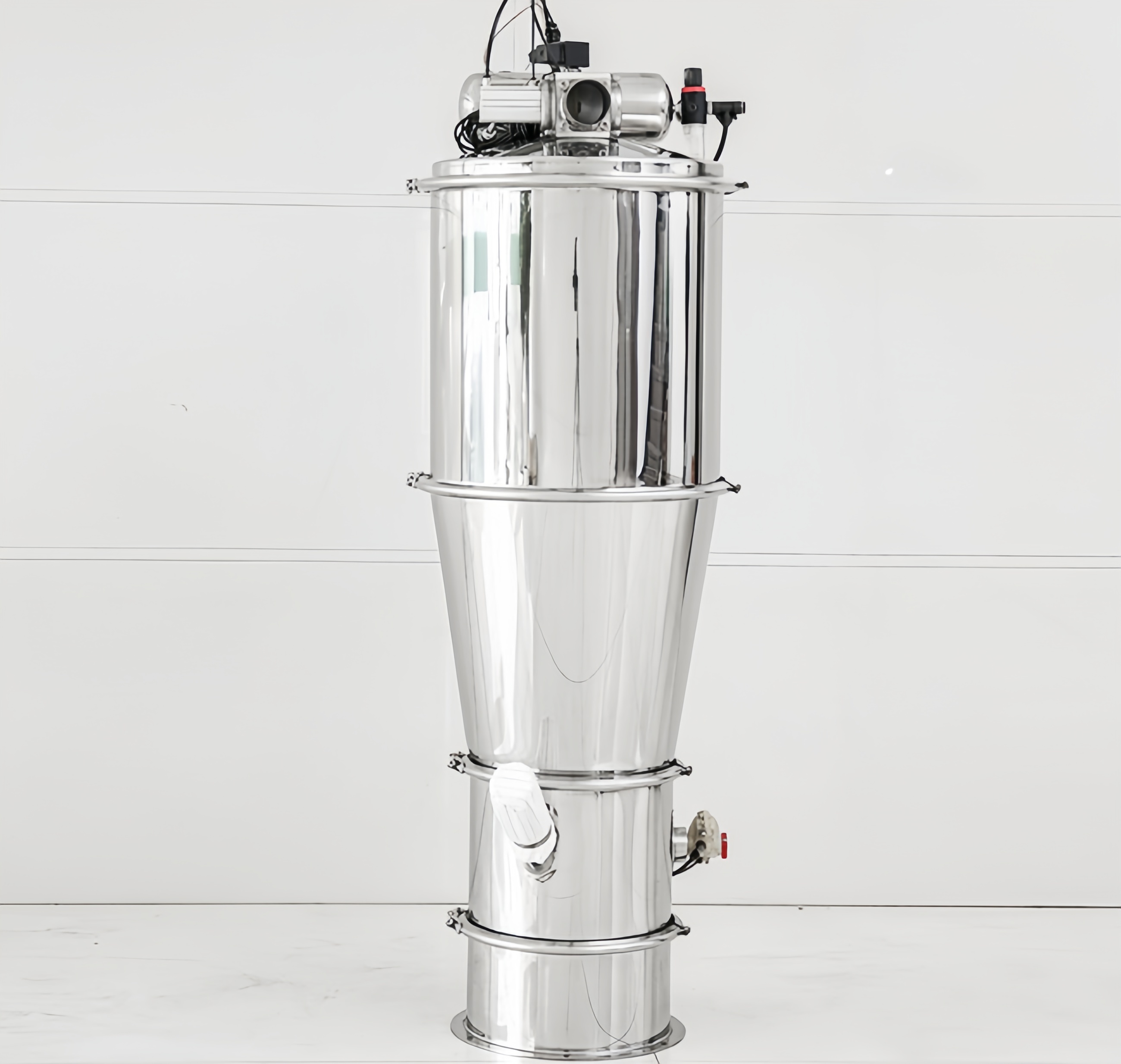
The price difference in Animal Feed Vacuum Loading Machines is essentially a difference in the comprehensive value of material compatibility, capacity matching, material technology, and automation configuration, rather than a simple difference in equipment appearance and basic functions.