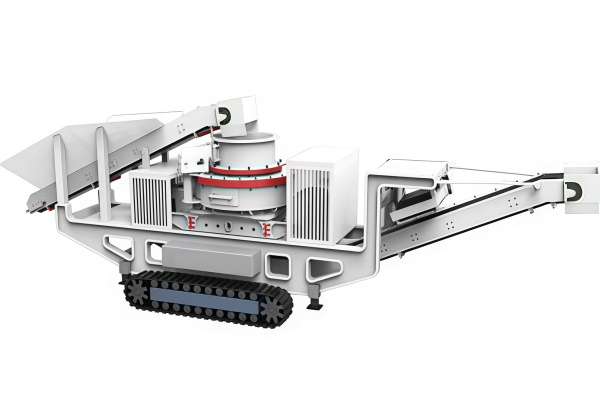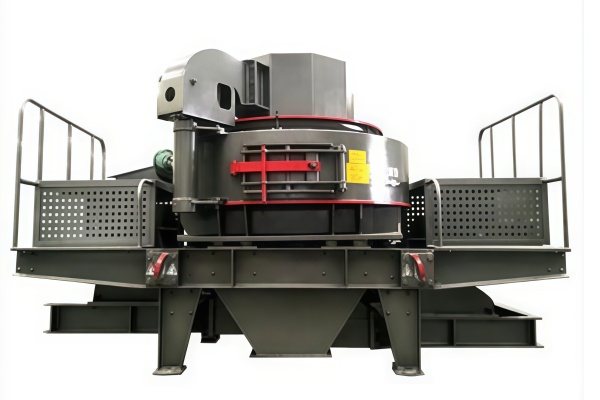
Impact Crusher
Impact Crushers are used for secondary and fine crushing of stone and construction waste, producing high-quality cubical aggregates of varying particle sizes for use in quarry, mining, road construction and construction waste recycling industries. Prices typically range from $15,000 to $320,000. Feed opening size: ≤800mm Production capacity: 30-800 tons/hour Discharge opening adjustment range: 0-80mm Rotor speed: 400-800 rpm Motor power: 45-315kW
This article comprehensively introduces high-capacity impact crushers, covering their working principle of high-speed impact crushing and rock-on-rock crushing, core advantages including high reduction ratio, excellent cubical product shaping, strong application versatility and adjustable output size. It details the diverse processable materials ranging from medium-hard and hard stones like limestone, granite and basalt to recycled construction waste and partial ores, as well as their wide applications in aggregate production, mining, construction waste recycling and other industries. Additionally, it explains the key technical parameters, customizable configurations, differences from jaw crushers, classification of horizontal and vertical shaft impact crushers, daily maintenance matters and common operational FAQs, providing a full reference for users to understand, select and use it correctly.
What Is a High Capacity Impact Crusher?
An impact crusher takes big rocks and turns them into smaller pieces you can actually use. Instead of squeezing, it uses speed and force to do the breaking. Rocks go in, get hit hard, and come out the right size for construction or other jobs. One pass through this machine is usually all it takes—no need for a whole line of crushers. The finished product comes out with a nice shape, which really matters when you are making concrete or asphalt.
This crusher handles all kinds of materials, from limestone and sandstone to tough ones like granite and basalt. It even takes on recycled concrete and asphalt from demolition sites. The idea is simple: a rotor spins fast, and the hammers or blow bars keep hitting the rocks until they are small enough to drop out the bottom. Some models use rock-on-rock crushing, where the rocks break against each other, so the machine parts wear out less.
You can also adjust the output size by changing the gap between the rotor and the impact plates, which saves you from needing extra screening gear. Choosing the right crusher really comes down to three things: what material you are processing, how much you need to produce, and what size you want at the end. Get these right, and your daily operation will run much smoother.
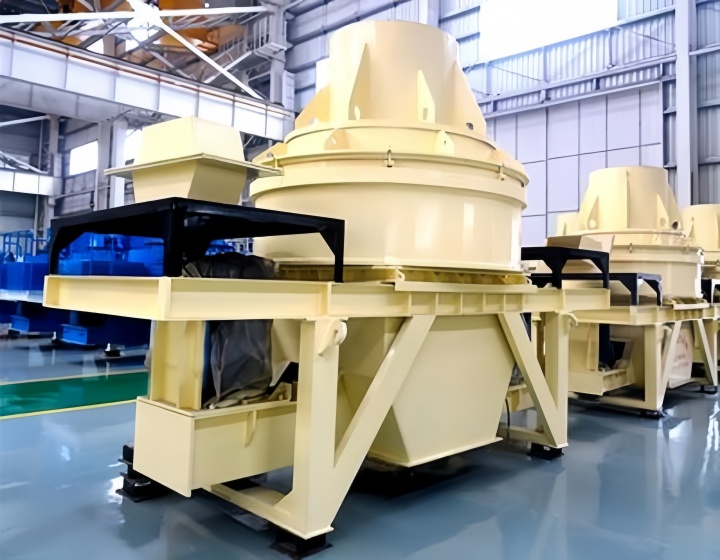
Impact Crusher Video Showcase
How Does the Impact Crusher Work?
The working principle of it is straightforward, and understanding it helps you see why it performs so well. The machine runs on a motor that spins a rotor at high speed. The rotor has hammers or blow bars attached to it. When rocks enter the crushing chamber, they are hit by these fast-moving hammers and shattered on impact. After the initial hit, the broken pieces are thrown against impact plates or curtains inside the machine for a second round of breaking.
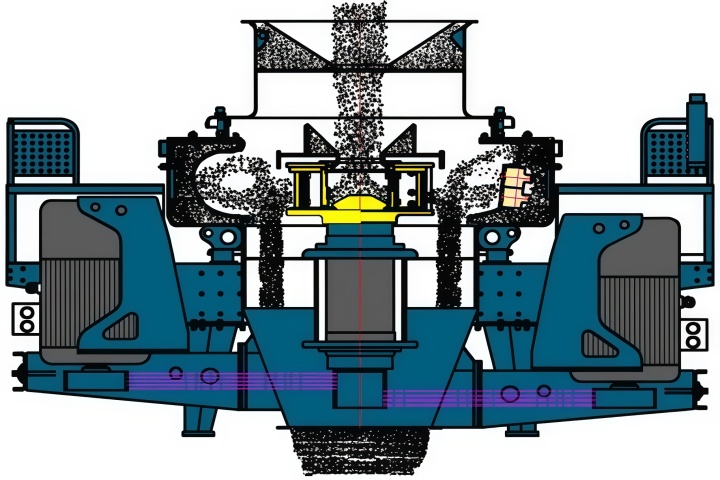
This process repeats as the material bounces between the rotor and the impact plates. The rocks get crushed again and again until they are small enough to fall through the discharge opening at the bottom. Some models use a different approach where the material is thrown against other rocks in the chamber, creating a rock-on-rock crushing effect that reduces wear on the machine parts. This repeated crushing action is what gives the final product a consistent size and shape.
What Are the Advantages of an Impact Crusher?
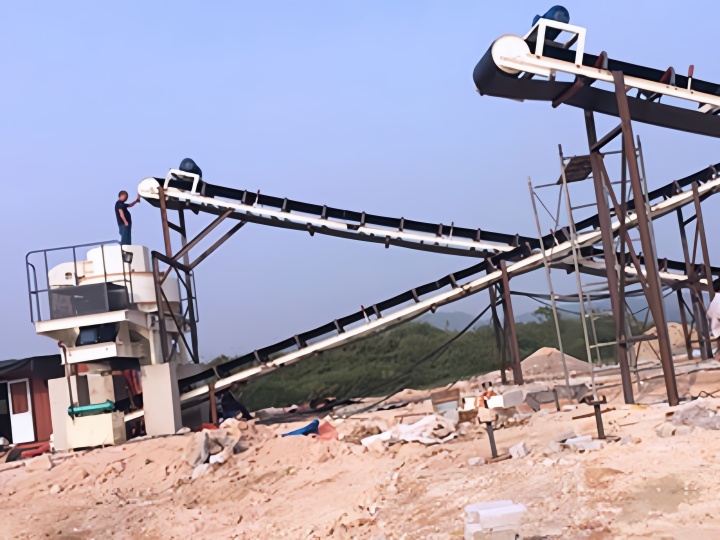
Impact crushers bring several practical benefits to a crushing operation. These advantages are why they are so widely used in the aggregate and mining industries. Their key strengths include a high reduction ratio, excellent product shaping ability, versatility across different applications, and adjustable output settings to meet specific job requirements.
High Reduction Ratio:One of the main strengths of it is its ability to take large rocks and reduce them to smaller sizes in a single pass. The high reduction ratio means you get more finished product with fewer steps in the processing line. This efficiency can simplify your plant layout and reduce the number of machines you need.
Good Product Shape:The crushing action of it tends to produce particles with a cubic shape. This shape is important because it makes the final product easier to handle and more valuable for construction uses. Cubical aggregates pack better and provide stronger, more durable concrete and asphalt. The shaping ability is one reason these crushers are popular for producing high-quality construction materials.
Versatility in Applications:It can handle a range of materials, from soft limestone to harder rocks like granite or basalt. They can be set up as a primary crusher for first-stage crushing or as a secondary or tertiary crusher for finer reduction. This flexibility lets you use the same basic machine type across different stages of your process.
Adjustable Output:You can change the size and shape of the finished product by adjusting the gap between the rotor and the impact plates. This adjustability gives you control over the final product to meet specific job requirements. Being able to dial in the output size on the fly reduces the need for additional screening or sorting equipment.
HSI vs VSI Impact Crusher – What‘s the Difference?
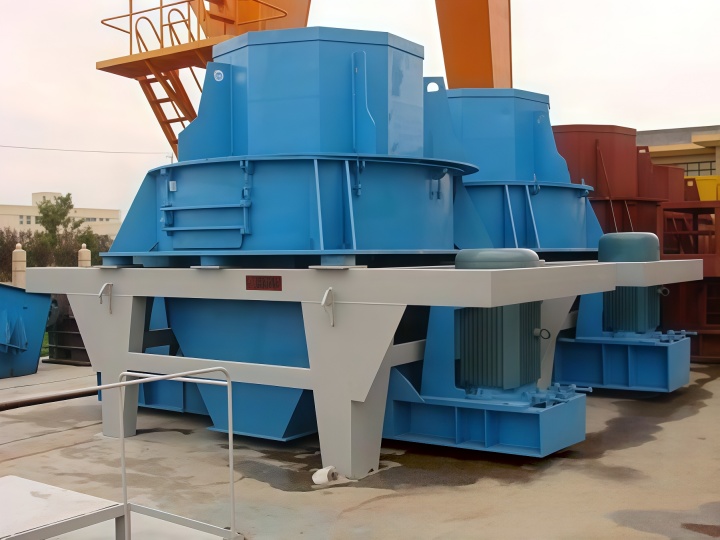
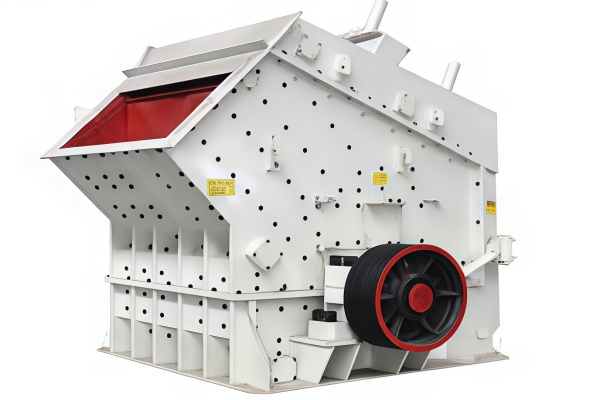
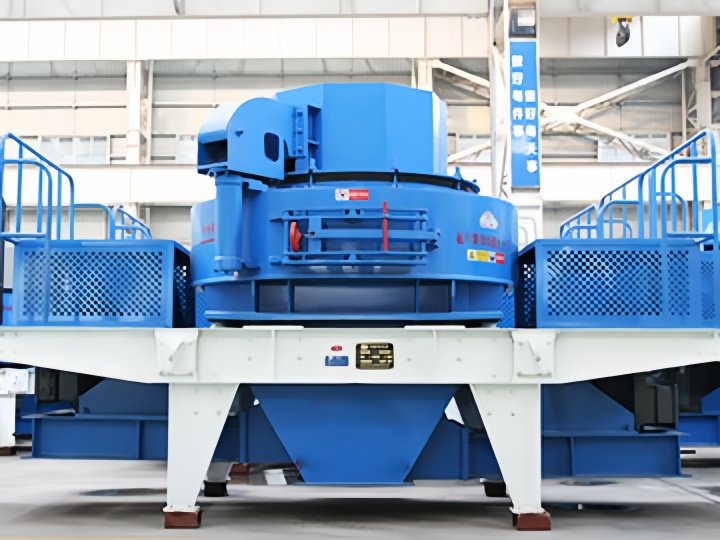
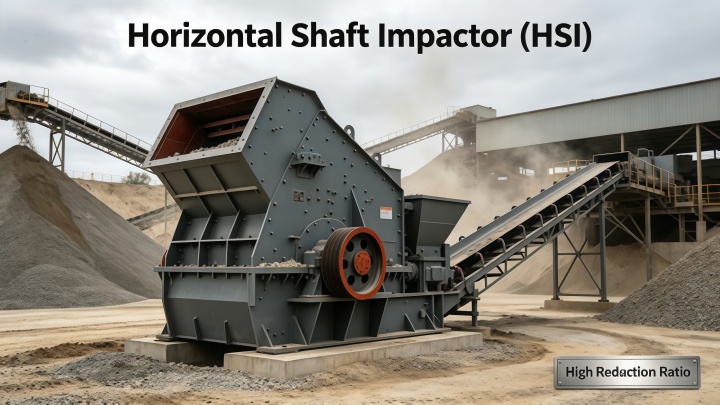
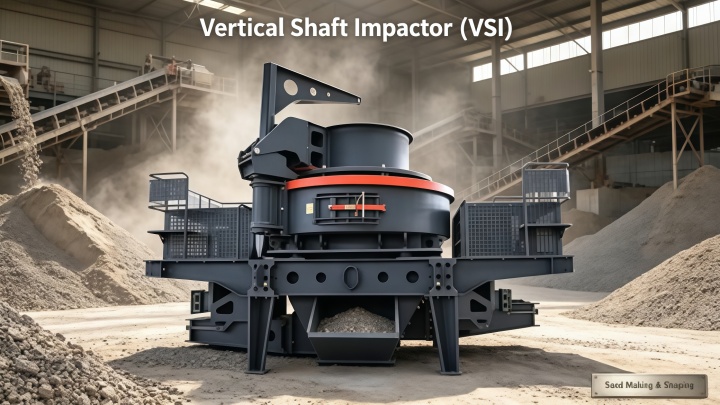
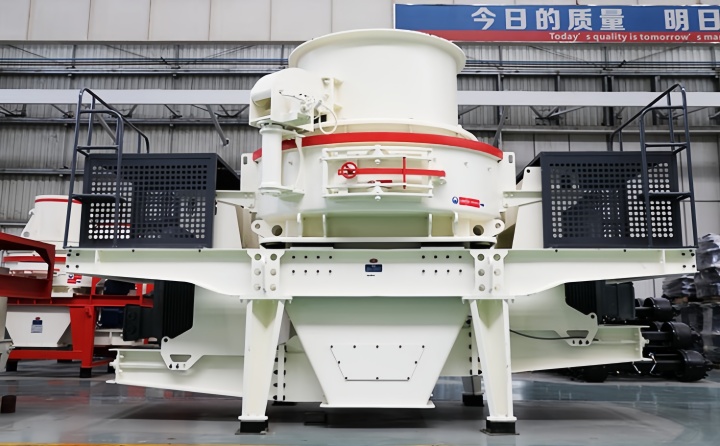
Impact crushers come in two main configurations: Horizontal Shaft Impactor (HSI)and Vertical Shaft Impactor (VSI). Understanding the difference helps you choose the right machine for your application.
| Feature | HSI (Horizontal Shaft Impactor) | VSI (Vertical Shaft Impactor) |
|---|---|---|
| Crushing Principle | Rotor with blow bars hits material against impact curtains | Rotor throws material against rock-lined chamber (rock-on-rock) |
| Best For | Primary & secondary crushing of medium-hard materials | Tertiary crushing, sand making, and shaping |
| Product Shape | Good cubical shape | Excellent cubical shape |
| Wear Parts | Blow bars and impact plates | Rotor tips and anvils |
| Typical Applications | Aggregate production, concrete recycling | Manufactured sand, fine shaping |
When to choose HSI: If you need high reduction ratio in a single pass and are processing limestone, concrete, or asphalt.
Compare with Jaw Crusher for primary crushing →
When to choose VSI: If you need the best possible cubical shape for high-quality manufactured sand or final-stage shaping.
Check our VSI Crusher for sand making →
What Materials Can an Impact Crusher Process?
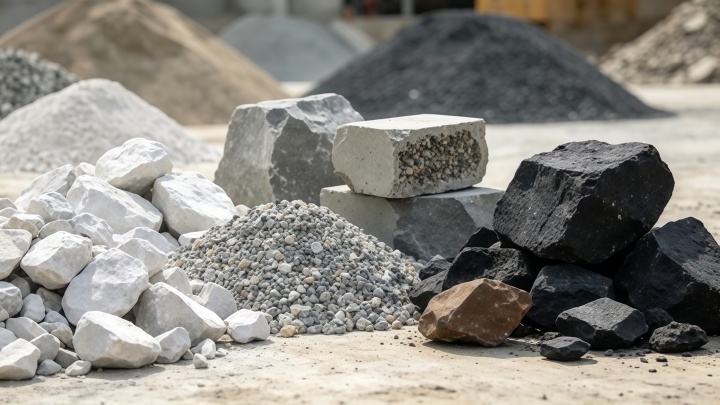
The high capacity impact crusher is built to handle a wide range of materials commonly found in aggregate and mining operations. It is effective with medium-hard rocks, works with harder stones, and can also process recycled materials and certain ores, making it a versatile choice for many different applications.
It works well with medium-hard rocks and ores, such as limestone, dolomite, and sandstone. These materials are typical in road construction, concrete production, and building projects. It can also handle harder stones like granite and basalt, though the wear on machine parts may be greater with these materials. Beyond natural stone, the crusher can process recycled materials, including concrete and asphalt, making it useful for demolition waste recycling. It can even handle some ores in mining applications, where it might be used for fine crushing before the grinding stage. The key is to match the crusher model and its internal components to the type of material you plan to process.
What Technical Specifications Should You Know for an Impact Crusher?
| Model | Rotor Size (mm) | Feed Opening (mm) | Max. Feed Size (mm) | Capacity (t/h) | Motor Power (kW) | Weight (t) | Overall Dimensions (mm) |
| PF-1007 | Φ1000×700 | 400×730 | 250 | 15-50 | 37-55 | 9.5 | 2400×1560×2660 |
| PF-1010 | Φ1000×1050 | 400×1080 | 300 | 50-80 | 55-75 | 13.2 | 2440×2250×2630 |
| PF-1210 | Φ1250×1050 | 400×1080 | 300 | 70-130 | 110-132 | 16.5 | 2700×2340×2870 |
| PF-1214 | Φ1250×1400 | 400×1430 | 300 | 90-180 | 132-160 | 19.5 | 2700×2695×2900 |
| PF-1315 | Φ1320×1500 | 860×1520 | 350 | 120-250 | 180-260 | 24.8 | 2860×2800×3050 |
| PF-1320 | Φ1320×2000 | 860×2030 | 500 | 160-350 | 300-375 | 30 | 2870×3350×3090 |
Key Parameters Explained
Technical specifications help you pick the right crusher for your production needs. While exact numbers vary by model, the key parameters to consider are the machine's capacity, its maximum feed size, the required motor power, and its physical weight and dimensions.
| Parameter | Description |
| Processing Capacity | Capacity is measured in tons per hour and reflects how much material the crusher can handle in a given time. High capacity models typically process from one hundred fifty to over three hundred tons per hour, depending on the material properties and the machine size. The required capacity should be determined based on production targets and the matching capability of the entire processing line. |
| Maximum Feed Size | The maximum feed size is the largest rock the crusher can accept. This parameter determines whether a primary crusher is needed upstream. Most impact crushers can accept feed sizes up to five hundred millimeters or more. Knowing the feed size helps ensure the machine can handle the material entering the system. |
| Motor Power | Motor power is measured in kilowatts and affects both crushing capability and operating costs. Larger capacity models typically require more powerful motors, with common ranges from one hundred fifty to over two hundred seventy kilowatts. During selection, confirm that the site power supply meets the equipment requirements. |
| Weight and Dimensions | The physical size and weight of the crusher affect foundation design, plant layout, and transportation planning. Larger models can weigh over twenty tons. Before purchasing, verify that the site has adequate space and load-bearing capacity to accommodate the equipment. |
Where Is an Impact Crusher Used?
The applications for an impact crusher span several industries, which is why it's such a common piece of equipment. It is a key machine in aggregate production for creating construction materials, in mining operations for preparing ore, and in construction and recycling for processing demolition waste.
Aggregate Production:In aggregate production, they are used to turn quarried rock into gravel, sand, and stone chips for construction. They produce the precisely shaped, cubical particles that make strong concrete and asphalt. This is one of the most common applications for these machines.
Mining Operations:In mining, they are often used in the later stages of crushing, after primary crushers have done the initial size reduction. They can prepare material for further grinding in mills or produce final products of specific sizes for processing. Their ability to handle harder ores makes them valuable in this industry.
Construction and Recycling:they are also found in recycling applications, where they break down concrete, asphalt, and demolition waste into reusable aggregate. This application has grown as construction companies look for ways to reuse materials on site and reduce waste. Mobile versions of them are especially popular for this work because they can move around the job site easily.
Can an Impact Crusher Be Customized for Specific Needs?
Customization is often available to match the crusher to your specific job requirements. The machine can be adjusted in terms of crushing settings, configured with different internal components, offered in mobile versions, and equipped with heavy-duty parts to suit demanding environments.
Crusher settings can be adjusted for different feed sizes and desired output sizes. The machine can also be configured with different types of rotors, hammers, and impact plates to handle specific materials. Some suppliers offer mobile or portable versions for sites where mobility is key. You can also choose between horizontal shaft and vertical shaft designs depending on the application and the type of crushing you need. For operations in demanding environments, heavy-duty components and higher-grade wear parts may be available to increase durability. When evaluating a machine, ask about the customization options so you get equipment that fits your specific operation.