Mobile Impact Crusher Maintenance Checklist: 10 Daily Checks to Extend Blow Bar Life
Tuesday September-01 2026 15:47:40
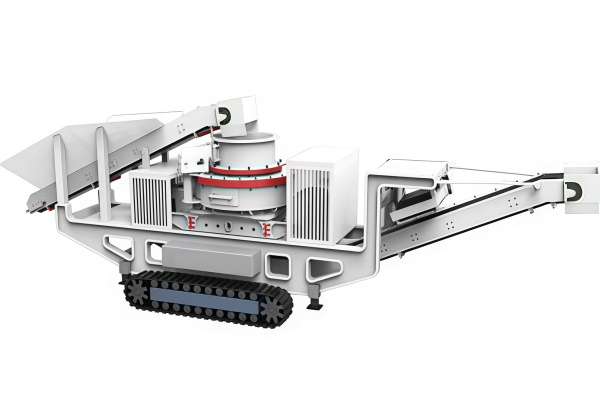
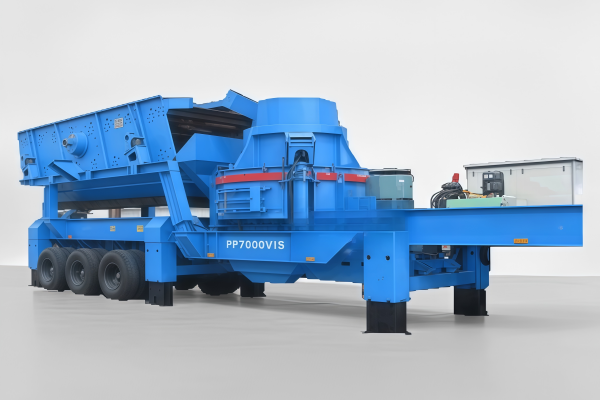
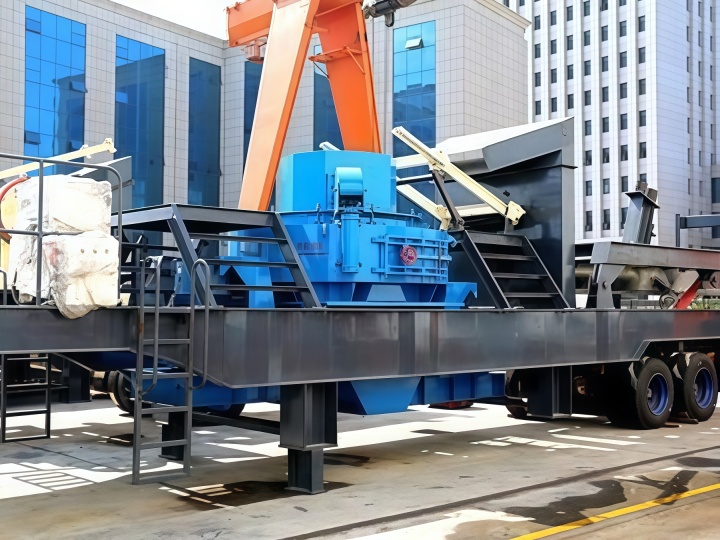
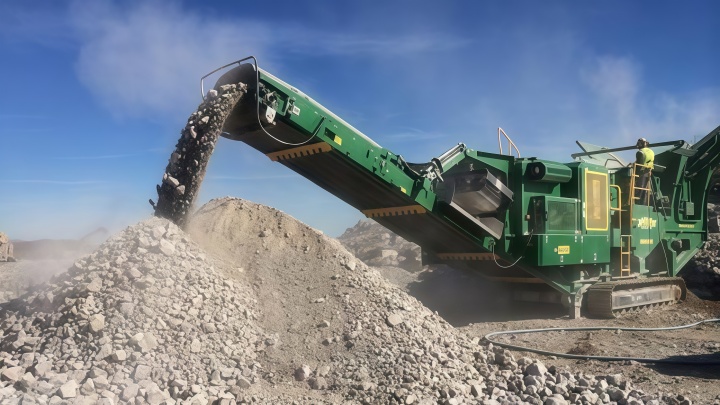
The Mobile Impact Crusher is a core piece of equipment in modern aggregate production and construction waste processing sites. It relies on a high‑speed rotor that drives blow bars to deliver high‑energy impact, breaking large rocks or concrete into the required particle sizes.
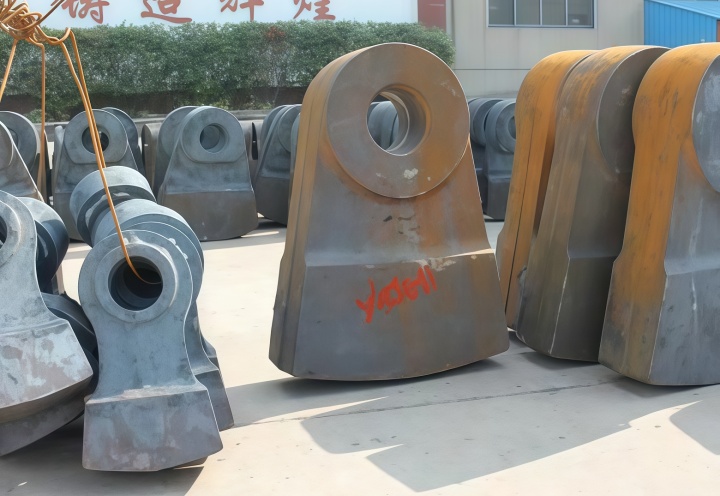
Unlike jaw crushers that work by compression, this machine’s operating principle means its blow bars and impact plates endure continuous impact and abrasion. According to industry data, blow bars typically account for 60% to 70% of the total wear cost of an impact crusher – making them the most significant variable in the overall operating cost. The frequency of blow bar replacement directly affects operating costs and machine downtime. Industry studies show that about 60% to 70% of unscheduled stoppages of impact crushers are directly linked to blow bar or rotor issues. The checklist below comes from practical experience at multiple sites, with every item aimed at the same goal – extending blow bar service life and reducing unplanned downtime.
Common Misconception: Last year at our plant, one operator saw that the blow bars still had half their thickness left and decided not to change them, thinking they could last a few more days. On the third day, a blow bar cracked right through the middle, and the fragments jammed the rotor – the disassembly and repair took nearly a week. In practice, the industry norm is to schedule replacement when blow bar wear reaches 60% to 70% of the original thickness. Continuing to run saved only the cost of the bars, which was far less than the lost production and the extra rotor wear. For the Mobile Impact Crusher, blow bar condition directly determines the machine’s overall efficiency – a fact many site operators underestimate.
Blow Bar Working Face Inspection
Every day before start‑up, open the inspection door and use a strong flashlight to carefully examine the working face of each blow bar. Pay attention to three aspects: any through‑cracks, chipped edges, and uneven wear. Any crack is an immediate signal for replacement. From our plant experience, if one side wears significantly faster than the other, it means the feed is biased to one side of the crusher, and the feed arrangement needs adjustment. Use a caliper to measure remaining thickness at the front, middle, and rear of the blow bar. When the thinnest point falls below 30% to 50% of the original thickness, schedule replacement according to the manufacturer’s specifications. Keeping a regular record of blow bar thickness helps predict replacement timing and avoid sudden stoppages.
No‑Load Start‑up Listening
Ensure the crushing chamber is empty before starting. After start‑up, stand at a safe distance and listen carefully to the running sound – normal operation is steady and low‑pitched. If you hear metallic impacts, rhythmic knocking, or high‑frequency whining, stop immediately and inspect. We have had two cases at our plant where early detection of a blow bar root crack came through sound – by the time vibration becomes visible, the rotor is often already damaged. This check takes the least time of all items, but it is highly effective at finding hidden problems. No‑load start‑up listening is the most cost‑effective part of the daily routine for this equipment, requiring no tools.
Blow Bar Fastening Check
The blow bars are secured to the rotor by wedges or bolts, and the continuous impact forces can loosen the fasteners. Each day, tap the wedges lightly with a hammer – a dull sound means they are tight, while a sharp sound means they need tightening. Wedges that show significant wear or deformation must be replaced immediately. When replacing or turning blow bars, it is safer to do them in pairs – we have learned from experience that single‑bar replacement can cause imbalance issues. The fastening check directly relates to rotor safety on the crusher and should not be rushed.
Belt Tension Check
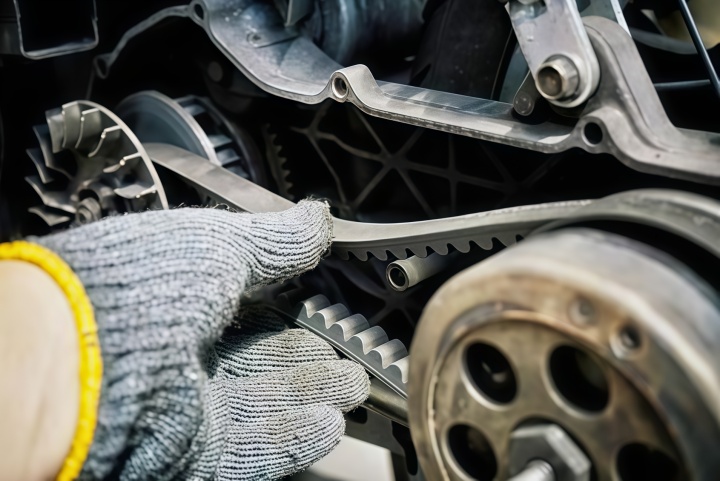
Each day, press the middle of the belts with your fingers – the deflection should meet the manual’s requirements. Also, inspect the belt surfaces for cracks, fraying, or burn marks. We measured at our plant that when a belt slips for more than twenty seconds, the surface temperature can rise enough to cause the rubber layer to start separating. It is advisable to place a mark near the tensioning pulley for quick daily comparison of tension changes. The drive system is the power channel for the unit; poor belt condition directly reduces crushing efficiency.
Lubrication System Check
Before starting each day, check the oil level and quality at all lubrication points – whether the oil level is within range, whether the oil has darkened, and whether there are metallic particles. We recorded one instance where the bearing temperature reached 78°C – upon disassembly, we found the lubricant had turned into sludge. Normal bearing temperature is typically between 60°C and 75°C; above 70°C, it is advisable to stop and investigate. Add grease according to the equipment chart, and be careful not to over‑grease – excess grease can trap heat and contaminants. Good lubrication is the basic safeguard for bearing life on the crusher, and it is the one step that should never be skipped each day.
Hydraulic System Check
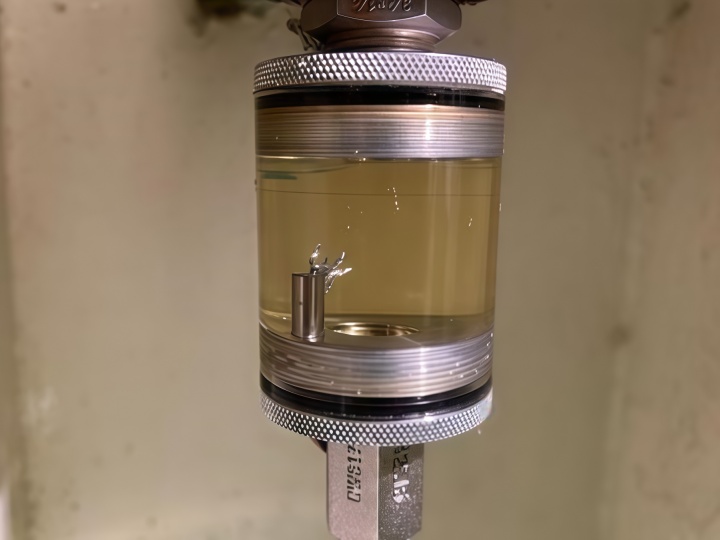
Each day, check that the hydraulic tank oil level is within the sight glass range, and visually inspect all hoses and fittings for leaks. The hydraulic system is not only for adjusting the impact plates; it is also a crucial overload protection for the machine – when an uncrushable object enters, the system must be able to quickly open the impact plates to let it pass. Once this protection fails, the core components of the Mobile Impact Crusher face serious risk.
Engine and Cooling System Check
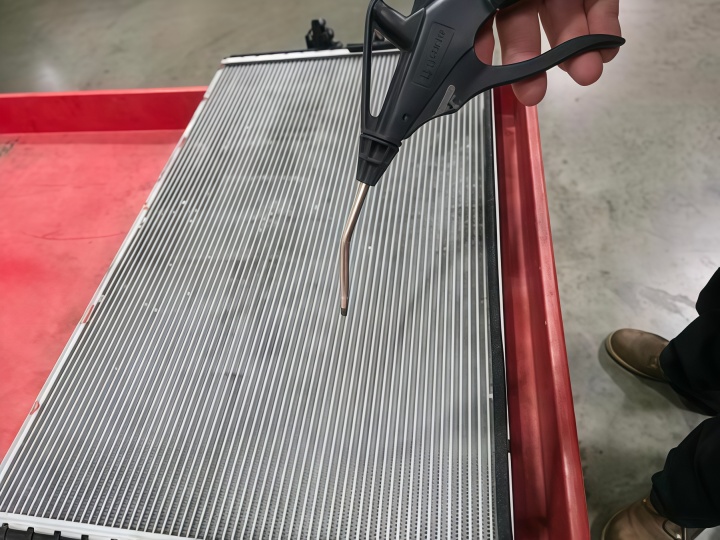
Each day, inspect the radiator core for dust or material buildup and blow it out with compressed air from the inside out. Also, check engine oil, coolant, and fuel levels. High‑temperature shutdowns are a common fault cause, yet they can be avoided with a daily visual check. Radiator blockage often leads to sudden stoppages, but prevention takes only a one‑minute visual inspection.
Feed and Discharge Inspection
Each day, check the feed hopper for leftover material or debris from the previous shift, check for material buildup under the discharge, and see if the pre‑screen or grizzly is clogged with fines. A clogged screen allows fines to recirculate within the chamber, accelerating abrasive wear on the blow bars and also cushioning the impact on larger pieces – both effects are harmful. Smooth feed and discharge are essential for normal operation of the Mobile Impact Crusher.
Structural Bolts and Fasteners
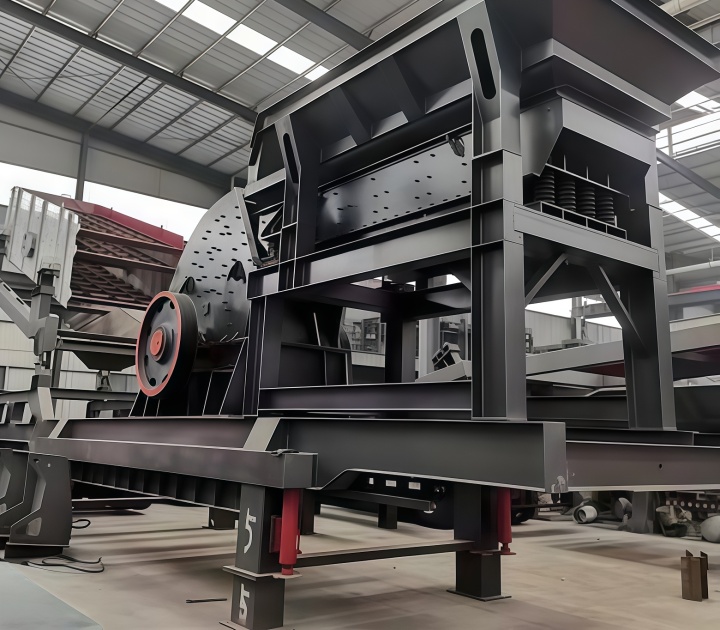
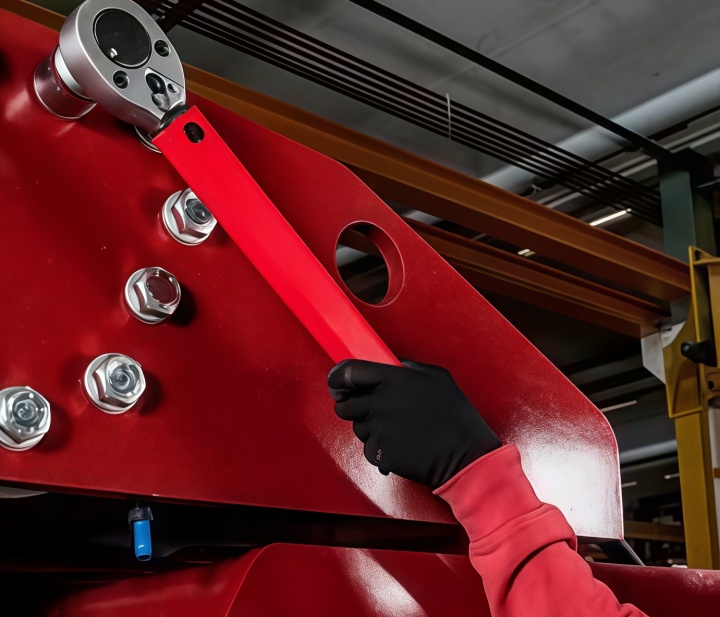
During daily rounds, pay special attention to the crusher housing bolts, motor base bolts, and undercarriage connections. Tighten any loose ones immediately. Loose bolts left unattended can lead to structural cracks over time, causing irreversible damage. Also check that all safety guards are in place. Structural integrity is the foundation for long‑term operation of the equipment; bolts may seem small, but a failure here can lead to a major overhaul.
Machine Levelness and Walk‑Around Inspection
Every day before starting, walk around the machine and check that it is parked level – if not, material will tend to move to one side in the crushing chamber, accelerating wear on one side of the blow bars and reducing both throughput and screening efficiency. At the same time, check for any oil, water, or air leaks, and ensure that track or tyre pressures are normal. Clear any material buildup on the machine surfaces and undercarriage – such accumulation not only adds weight but can also hide potential leaks and cracks. This walk‑around is the final step of the daily checks; the first nine items focus on specific components, while this one looks at the overall condition.
Industry data shows that a Mobile Impact Crusher with a systematic daily inspection routine can extend blow bar replacement intervals by 30% to 50% compared to machines without such checks. Blow bar life comes from ten minutes of careful inspection every day. Stick with it for a month, compare downtime records and replacement logs – the numbers will tell you the outcome.
This article is based on general industry data and practical maintenance experience from multiple sites. If your site conditions cause blow bar wear significantly faster than the standards mentioned above, or if you would like to discuss blow bar material choices for specific rock types, feel free to get in touch.
FAQ
Q1: What causes a sudden drop in Mobile Impact Crusher production?
Blow bar wear enlarging the discharge opening is the primary cause. Additionally, uneven feed or belt slippage can also reduce throughput.
Q2: Why does one side of the Mobile Impact Crusher blow bars always wear faster than the other?
Feed bias is the common reason – material enters predominantly from one side of the feed opening, subjecting that side’s blow bars to more impact. Adjusting the feed arrangement to centre the flow will even out blow bar wear.
Q3: What should I do if bearing temperatures keep rising during Mobile Impact Crusher operation?
First, check whether lubricant is insufficient or contaminated, then confirm that belt tension is not excessive. If the temperature still does not drop after these two checks, inspect the bearings themselves for damage.
Q4: What should I do if I hear abnormal knocking sounds from the crushing chamber after starting the Mobile Impact Crusher?
Stop immediately and inspect – this typically indicates a broken blow bar, rotor imbalance, or an uncrushable object in the chamber. Do not continue running, as this could damage the rotor assembly.