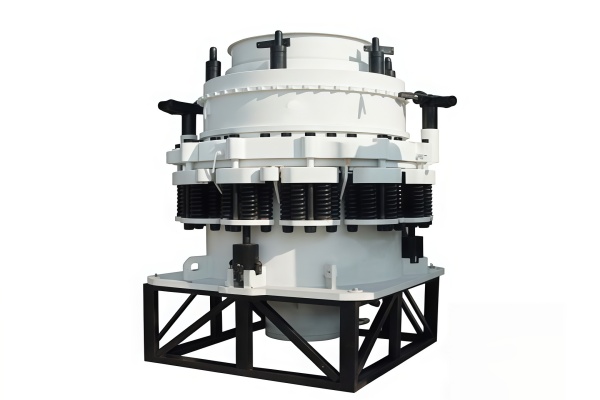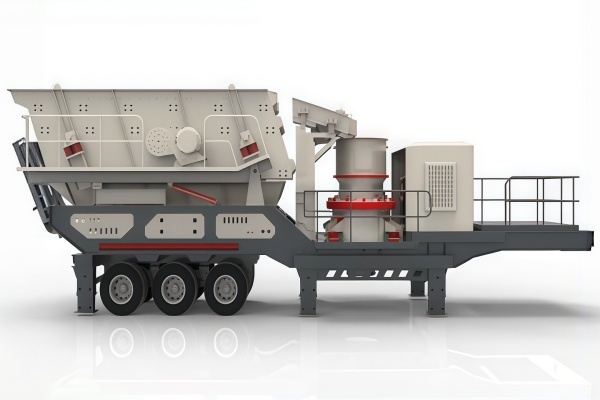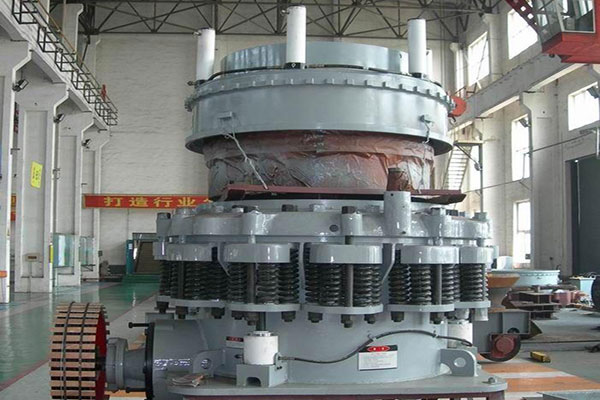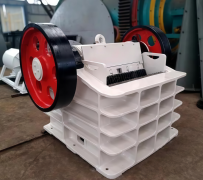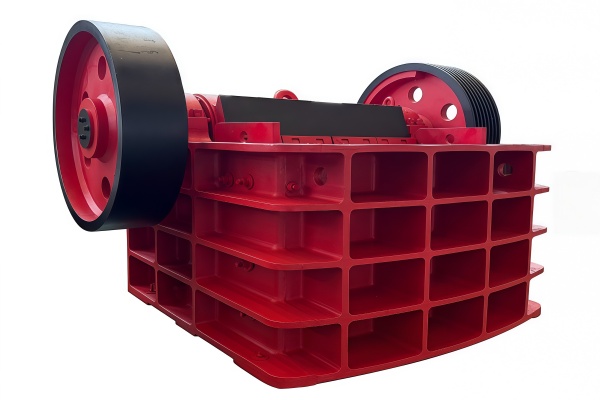
Granite Jaw Crusher for Quarry
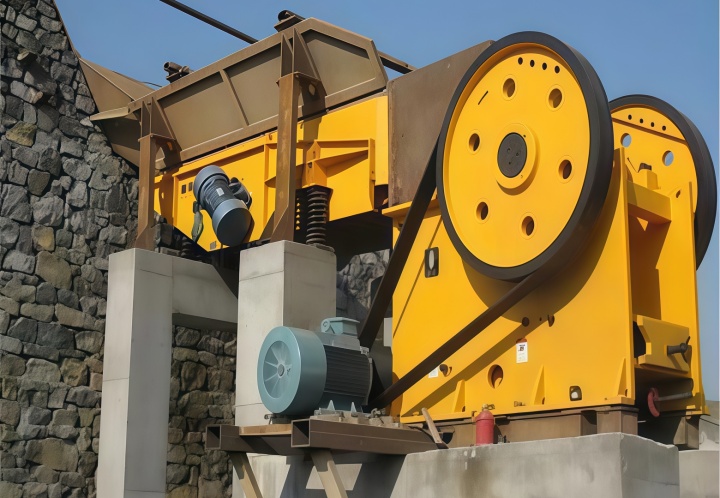
Granite Jaw Crusher for Quarry are used for primary crushing of large granite rocks, producing qualified stone materials for quarry, construction and road engineering industries. Prices typically range from $25,000 to $450,000. Feed opening size: ≤760mm Production capacity: 10-800 tons/hour Discharge opening adjustment range: 10-200mm Spindle speed: ≤320 rpm Motor power: 55-400kW
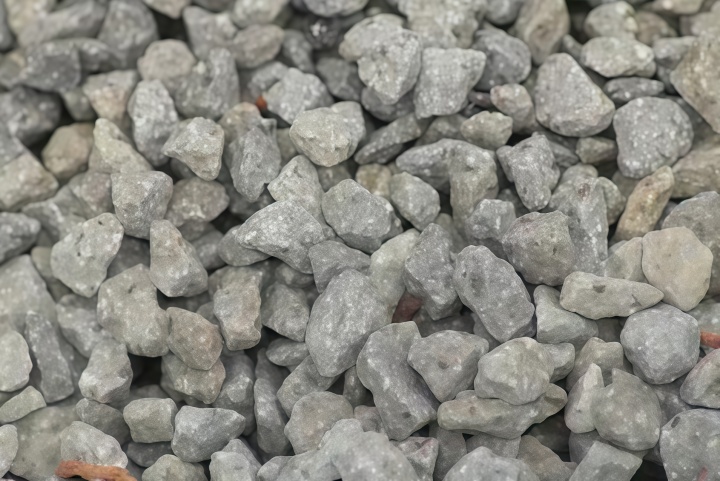
Granite Jaw Crusher for Quarry is built for primary crushing in granite quarries. It reduces blasted rock to a size that cone crushers can accept. Granite has a Mohs hardness of 6 to 7, a compressive strength of 115 to 300 MPa, and a quartz content of 19 to 45 percent.
Feed opening widths range from 250 to 1500 mm. PE series models are common. Actual throughput is usually 60 to 70 percent of nominal values. The data below comes from public records at quarries in Sweden, Norway, the UK, Brazil, and Kazakhstan.
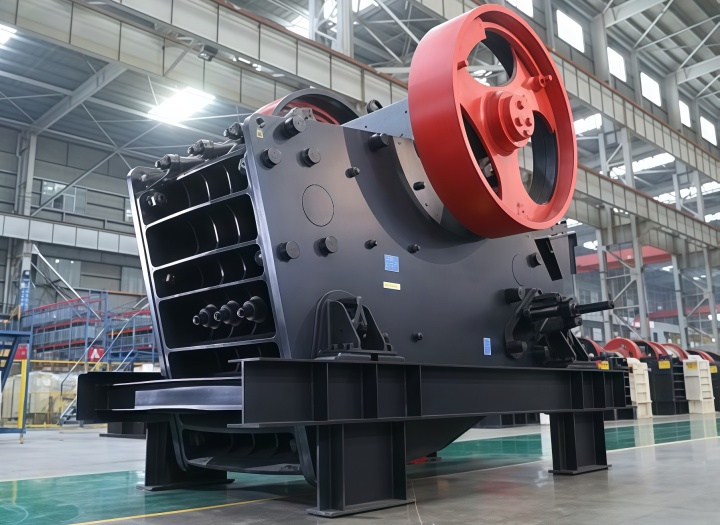
Granite Jaw Crusher for Quarry Video Showcase
What Is Granite Jaw Crusher for Quarry?
It is used for primary crushing in granite quarries. At Boda quarry in Sweden, granite compressive strength is over 300 MPa, and a Kleemann MC 120 Z is used for primary crushing. At Hyllestad in Norway, the feed size is 0 to 700 mm, the output is 0 to 150 mm, and the throughput is 335 t/h.
A quarry in Brazil uses a PE900×1200 for granite, with a throughput of 220 to 450 t/h. In southern Kazakhstan, a C106 unit handles granite with a feed limit of 600 mm and a throughput of 190 to 210 t/h.
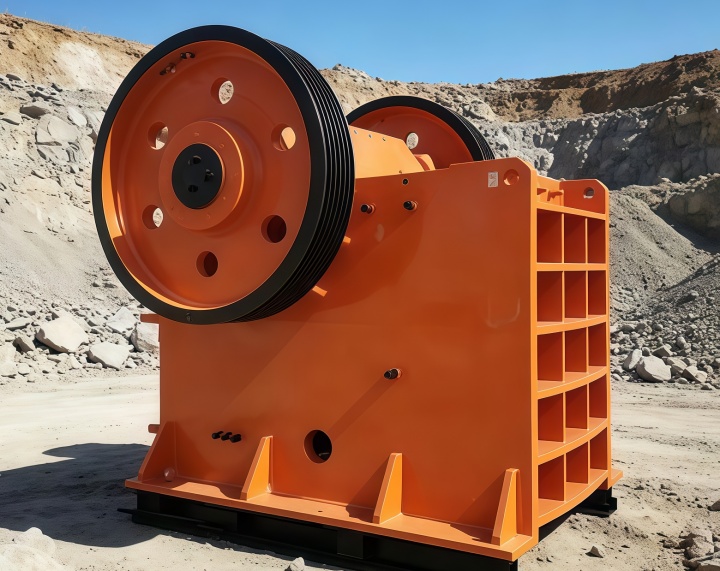
How Does Granite Jaw Crusher for Quarry Break Granite?
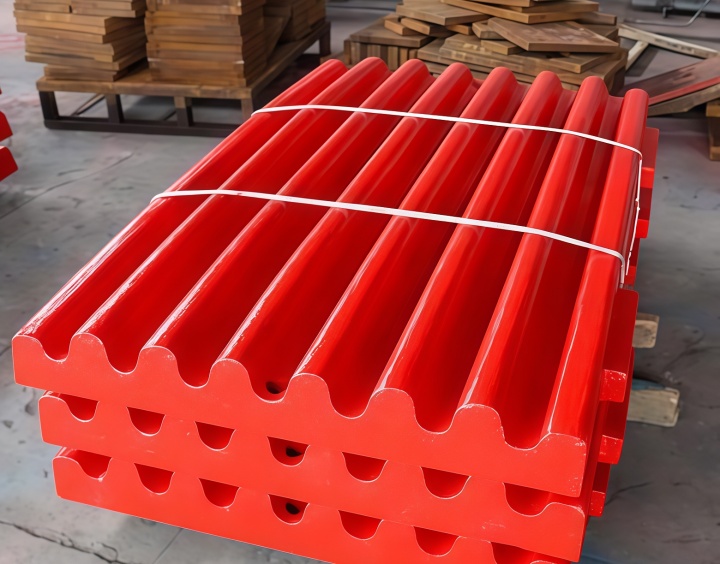
The crushing force is concentrated at the jaw plate tooth peaks. When quartz content is over 25 percent, local stress at the tooth peaks can exceed 1200 MPa. This makes jaw plate wear faster than when crushing limestone. Feed size should be kept within 80 to 85 percent of the feed opening width.
When the upper limit is set to 500 mm, the tooth peak wear rate drops by about 20 percent. At GF Job in the UK, an optimized tooth profile changed single-set throughput from 20,000 to 30,000 t to 50,000 to 55,000 t.
Granite Jaw Crusher for Quarry Technical Parameters
Data is based on a bulk density of 1.6 t/m³. Granite actual throughput is 60 to 70 percent of nominal values.
| Model | Feed Opening mm | Max Feed Size mm | Discharge Range mm | Nominal Throughput t/h | Eccentric Shaft Speed r/min | Motor Power kW | Weight t | Overall Dimensions L×W×H mm |
| PE-400×600 | 400×600 | 340 | 40-100 | 16-60 | 275 | 30 | 6.5 | 1700×1710×1640 |
| PE-500×750 | 500×750 | 425 | 50-100 | 40-110 | 275 | 55 | 10.6 | 1980×2080×1870 |
| PE-600×900 | 600×900 | 500 | 65-160 | 70-180 | 250 | 75 | 17 | 2290×2206×2370 |
| PE-750×1060 | 750×1060 | 630 | 80-180 | 110-320 | 254 | 110 | 28 | 2670×2300×3120 |
| PE-900×1200 | 900×1200 | 750 | 100-200 | 220-380 | 208 | 110 | 52 | 3470×2876×3330 |
| PEX-250×1200 | 250×1200 | 210 | 25-60 | 20-61 | 330 | 37 | 7.7 | 1780×2214×1430 |
Different quarry compressive strengths can cause throughput to vary by 20 to 30 percent. Boda in Sweden is over 300 MPa, while southern Kazakhstan is about 120 to 200 MPa.
What Materials Can Granite Jaw Crusher for Quarry Crush?
Granite is the core material. It also handles basalt, gabbro, and quartzite for primary crushing.
In construction waste recycling, large concrete blocks can be fed in, but rebar must be separated first. Feed size within 80 to 85 percent of the feed opening width helps reduce local jaw plate wear.
Advantages of Granite Jaw Crusher for Quarry
Granite Jaw Crusher for Quarry uses a manganese steel jaw plate that work-hardens under impact. An optimized tooth profile spreads wear more evenly. The PE-750×1060 jaw plate turnover cycle is about 370 hours, reverse use adds about 350 hours, and total use time is 720 hours.
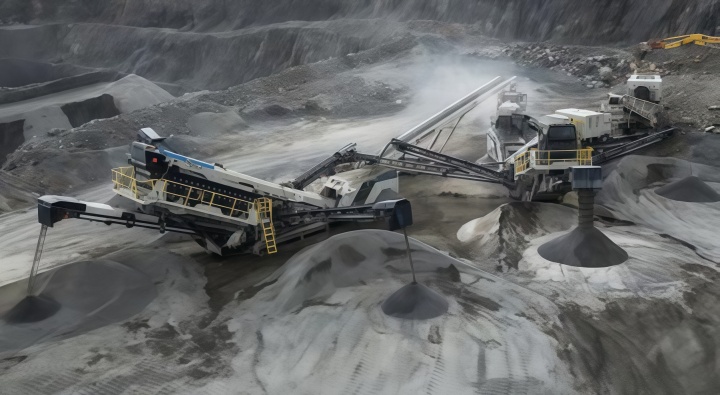
At Hyllestad in Norway, a double-deck pre-screen before the jaw crusher removes clay and fines, keeping full load operation. At BK Quarries in Guyana, a Mobicat MC 120 PRO does primary crushing, a Mobicone MCO 110 PRO does secondary crushing, and the plant produces 0 to 8 mm, 8 to 12 mm, and 12 to 19 mm aggregates.
The PE-750×1060 actual throughput is 130 t/h, the downstream cone crusher is selected at 150 t/h, and the buffer bin is 22 t.
Selection and Purchasing of Granite Jaw Crusher for Quarry
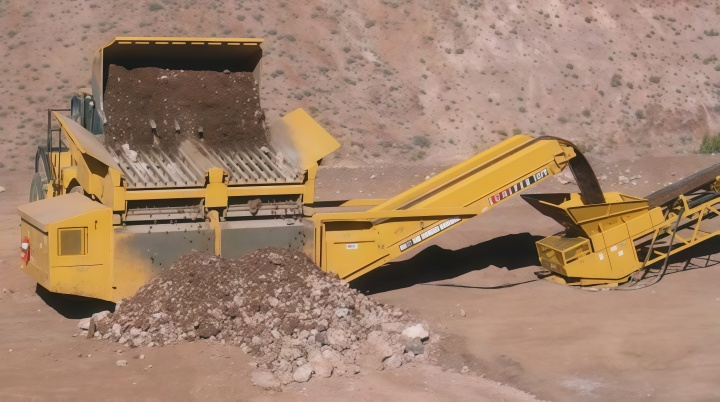
Match downstream equipment at 65 percent of nominal value to avoid a bottleneck at the primary stage. PE series shim adjustment requires a stop. If discharge size changes more than twice per month, choose a hydraulic wedge model.
PE-600×900 and smaller can use a steel structure foundation. PE-750×1060 and larger use a concrete foundation. Typical lead time is 30 to 45 days. MOQ is 1 unit. For the EU market, the machine complies with Machinery Directive 2006/42/EC and EN 1009-3. For an inquiry, provide feed size, compressive strength, target output size, and required throughput.
FAQ About Granite Jaw Crusher for Quarry
Q: How are dust and noise controlled?
A: At a C106 line in Kazakhstan, spray dust suppression and a magnetic separator reduced dust from 120 mg/m³ to 45 mg/m³. A 10 mm rubber vibration pad under the foundation reduced noise at 1 meter from 105 dB to 92 dB.
Q: What is the difference between PE and PEX?
A: PE is for primary crushing with a large feed opening. PEX is for secondary and fine crushing with a smaller discharge opening. PEX throughput is about 40 percent of a PE model of the same size.
Q: Does high altitude require adjustment?
A: Above 1000 meters, motor power needs recalculation. For every 100 meters of elevation, allowable temperature rise drops by 1 percentage point. At 3000 meters, air density is about 70 percent of sea level, and power loss is noticeable.
Q: How to choose between this machine and an impact crusher for granite primary crushing?
A: Granite is highly abrasive. A high-chrome impact crusher blow bar at a Norwegian mine wore out in a few days when processing 200 MPa granite. Use a jaw crusher for primary crushing. Impact crushers are better for medium and low hardness materials in secondary and fine crushing.