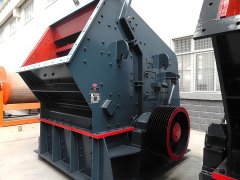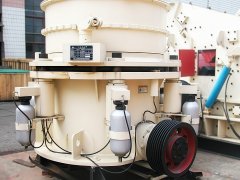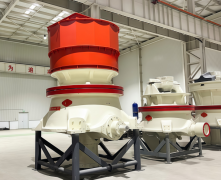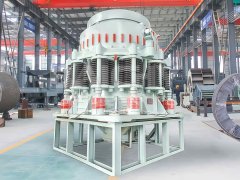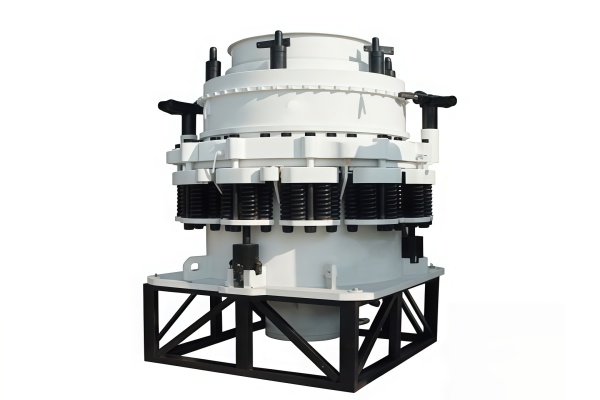
Fine Cone Crusher
Fine Cone Crushers are used for secondary and fine crushing of hard rock and ore blocks, producing high‑quality aggregates of varying particle sizes for use in quarry, mining, aggregate and construction industries. Prices typically range from $28,000 to $480,000. Feed opening size: ≤520mm Production capacity: 32‑2050 tons/hour Discharge opening adjustment range: 3‑60mm Spindle speed: ≤460 rpm Motor power: 75‑710kW
What is a Fine Cone Crusher?
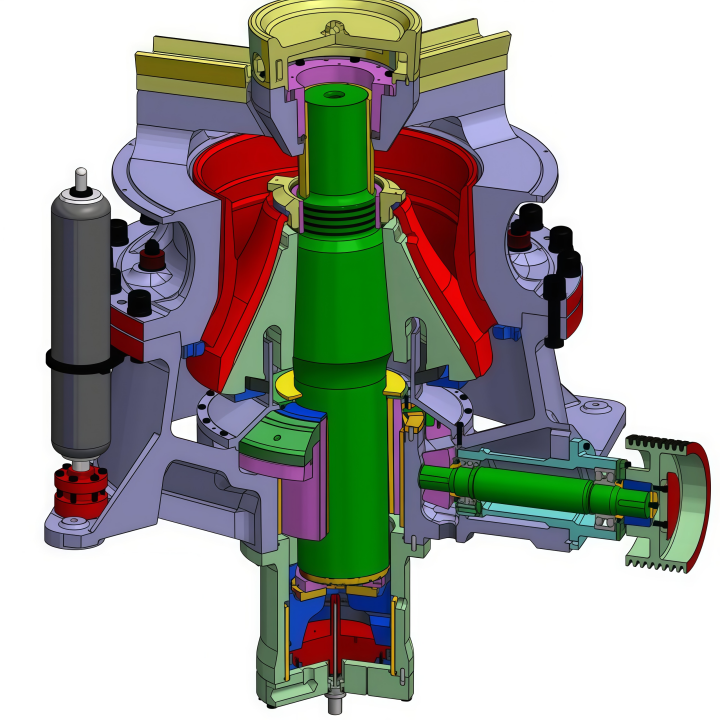
A Fine Cone Crusher is a cone-type crusher for medium and fine crushing of medium-hard and harder ores and rocks. Its main components include the frame, horizontal shaft, cone, eccentric sleeve, crushing wall, concave wall, lubrication system, and hydraulic system.
Depending on the model, the feed size ranges from 50mm to 300mm, the discharge opening from 3mm to 50mm, and the capacity from 12 to 1000 tons per hour.
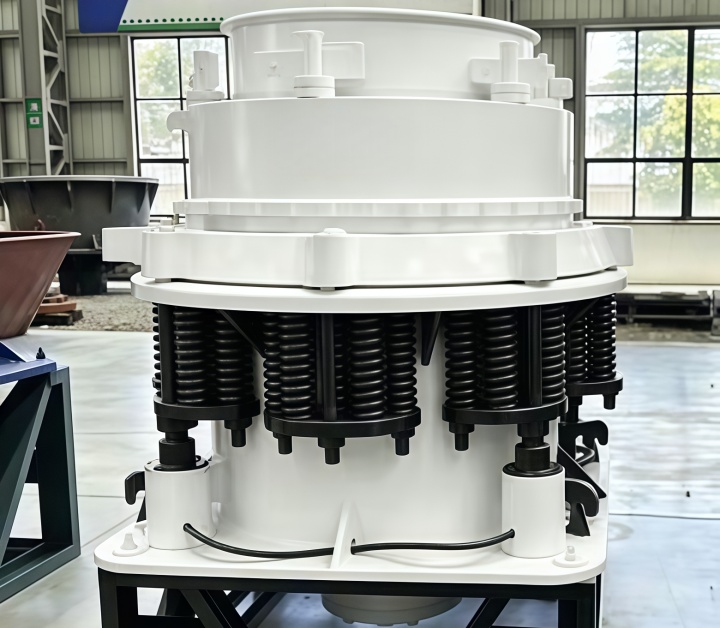
Fine Cone Crusher Video Showcase
How Does a Fine Cone Crusher Work?
The motor drives the eccentric sleeve through a transmission, making the crushing cone gyrate. The crushing wall moves closer to and away from the concave wall, breaking the ore by impact, compression, and bending. Material moves down by gravity and is crushed multiple times before discharge. A Fine Cone Crusher uses the laminating crushing principle, where inter-particle forces enhance crushing, and the slow reverse motion of the cone helps draw material into the gap.
Technical Specifications of Fine Cone Crusher
All values are reference data under standard test conditions; actual performance varies with material and site conditions. Typical model specifications:
| Model |
Cone Diameter mm |
Max Feed Size mm |
Discharge Opening mm |
Capacity t/h |
Motor Power kW |
Weight t |
|---|---|---|---|---|---|---|
| PYD 600 | 600 | 35 | 3-13 | 12-23 | 30 | 5.5 |
| PYD 900 | 900 | 50 | 3-13 | 15-50 | 55 | 11.3 |
| PYD 1200 | 1200 | 50 | 3-15 | 18-105 | 110 | 25.3 |
| PYD 1750 | 1750 | 85 | 5-13 | 75-230 | 160 | 50.2 |
| PYD 2200 | 2200 | 100 | 5-15 | 120-340 | 260-280 | 81.4 |
The main shaft swing frequency is about 610–630 RPM; larger models exceed 4600mm in length.
What Advantages Does a Fine Cone Crusher Offer?
The equipment shows strong performance in crushing efficiency, protection, sealing, cavity options, operating costs, and maintenance intervals.
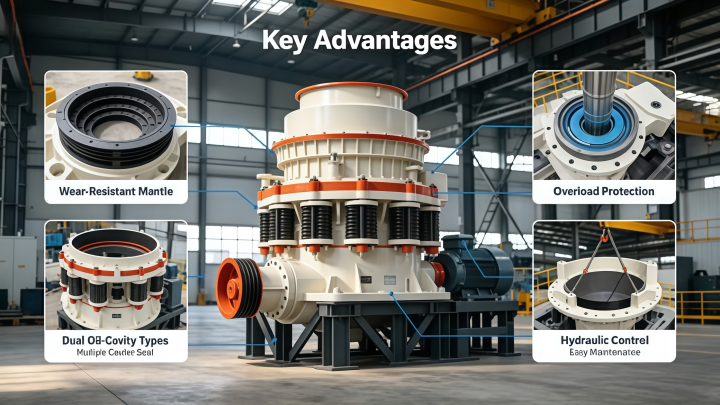
Strong wear resistance: High-manganese steel castings handle prolonged impact from hard ores. From March 2025 to January 2026, a Shandong iron ore plant used the equipment in secondary crushing for magnetite, with feed below 80mm and discharge at 10mm. After 450,000 tons, liners remained effective, and replacement cycles extended by about 20% versus previous equipment.
Reliable overload protection: The spring safety system allows uncrushable material to pass without damaging the main structure. At an Anhui copper mine, this system triggered 17 overload protections over three years, preventing structural damage.
Good sealing performance: Oil and water seals isolate stone powder from lubricant; labyrinth seals and piston rings maintain oil cleanliness. A Fujian granite plant switched to the equipment in 2025 and ran 2100 hours without oil change, versus 800 hours previously.
Flexible cavity selection: Standard and Short Head types are available. The Standard type produces 10–30mm products for medium crushing; the Short Head produces 3–15mm for fine crushing.
Hydraulic system safety: The hydraulic station has overload protection, with pressure stable within ±5% of set value and response time below 0.5 seconds.
Controllable operating costs: Liner replacement takes less than 8 hours without disassembling the main frame. Design service life exceeds 10 years under normal maintenance, and per-ton power and wear costs are relatively low.
What Application Scenarios is a Fine Cone Crusher Suitable For?
This equipment is widely used in four major sectors: mining, building materials, infrastructure, and environmental protection.
Mining: For medium and fine crushing of ferrous, non-ferrous, and non-metallic ores, optimizing the feed size to mills and improving subsequent separation efficiency.
Building materials: As a core machine in hard-rock aggregate production lines, it improves finished particle shape and gradation to meet the requirements of concrete and asphalt mixtures.
Infrastructure: Processes materials for subgrade filling and crushed stone for hydraulic engineering, ensuring stable compaction quality and concrete aggregate gradation.
Environmental protection: Handles construction waste to produce recycled aggregates for road base courses or low-grade concrete, achieving resource utilization.
How Does a Fine Cone Crusher Compare with Similar Equipment?
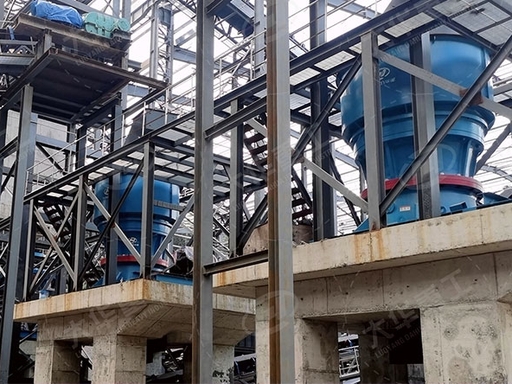
A three-month comparison test used granite f=10, with feed 60–80mm and discharge 12mm. The equipment averaged 82 t/h versus 71 t/h for the similar unit, about 15% higher. Energy consumption was 1.8 kWh/t versus 2.2 kWh/t. Flaky particle content was 7.2% versus 10.5%. Downtime events: 2 for the equipment (1 scheduled, 1 tramp iron) versus 6 for the similar unit (3 failures, 1 liner wear, 2 scheduled).
Select the Right Fine Cone Crusher Model
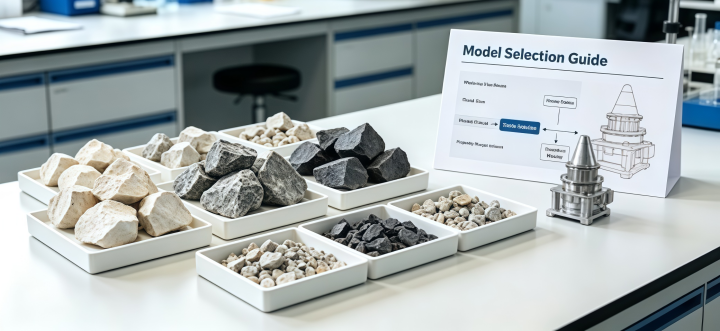
Selection affects ROI and long-term efficiency, based on material hardness, capacity, and product size.
Hardness assessment: For f=4–8 (limestone, gypsum), choose PYD 900–1200. For f=8–12 (granite, quartzite), choose PYD 1200–1750. For f=12–16 (basalt, iron ore), choose PYD 1750–2200. For f above 16, consult the manufacturer.
Capacity: The Standard type offers the highest throughput for medium crushing. The Short Head type has lower throughput but finer products.
Product size: For feed below 50mm and target 3–10mm, the Short Head is better. For 10–15mm and higher capacity, the Standard type is suitable.
Discharge setting: Calculate backward from target size. Too small a gap reduces capacity and accelerates liner wear; too large fails to meet gradation.
Practical test: Send samples for crushing tests. Actual data show energy consumption can vary 15–20% between cavity types for the same material. Use measured curves and energy data to finalize selection.
Daily Maintenance Essentials for Fine Cone Crusher
A standardized maintenance system helps extend service life and reduce failures, covering lubrication, belts, liners, hydraulics, and oil analysis.
Lubrication: Check oil temperature and level daily. Stop immediately if temperature exceeds 55–60°C.
Belts: Inspect tension and surface weekly. Replace if cracks or slipping occur.
Liners: Track wear based on tonnage. For granite f=12, liners typically need turning or replacement after 80,000–120,000 tons, depending on discharge opening trends.
Hydraulics: Inspect monthly for sealing, filter clogging, and pressure stability.
Oil analysis: Sample gearbox and bearing oil quarterly; detect metal particles to predict wear.
Records: Keep detailed maintenance logs to identify patterns and schedule preventive repairs.
Frequently Asked Questions About Fine Cone Crusher
How to resolve cold start difficulties of a Fine Cone Crusher in low temperature environments?
Low temperatures thicken oil. Below -5°C, preheat the lubrication system to above 15°C or use low-pour-point oil.
How to select the crushing cavity type of a Fine Cone Crusher based on material characteristics?
Standard type for medium crushing (coarser product); Short Head for fine crushing (finer product). For feed below 50mm and product below 10mm, choose Short Head.
Is pressure fluctuation normal for the hydraulic station of a Fine Cone Crusher?
Minor fluctuations are normal. If fluctuation exceeds ±10% of set value, check for air or clogged filter. Bleed the system and replace the filter if needed.
When should the drive belts of a Fine Cone Crusher be replaced?
No fixed cycle. Replace immediately if cracks wider than 1mm appear or if periodic sharp noises occur. Replace the entire set at once to avoid tension imbalance.