2026 Mobile Jaw Crusher Manufacturers: How to Choose a Reliable Supplier
Friday August-21 2026 11:54:41
This article covers the global competitive landscape, three supplier types, five verification steps, track‑mounted vs. wheel‑mounted selection, and a real procurement failure case.
You are screening Mobile Jaw Crusher Manufacturers and have visited dozens of websites. Each claims to be an industry leader. But at least half are trading companies. Some don't even have a factory — just an office and Photoshopped images.
Quick Answer
How to choose a reliable Mobile Jaw Crusher Manufacturer in 2026? Verify four things: factory ownership not trading license, branded core components Cummins or Deutz engines and SKF or Rexroth hydraulics, export record to 30+ countries, and transparent pricing above $150,000 FOB. Avoid suppliers quoting under $100,000 — they typically use counterfeit parts or thinner steel plates. Always request a live video tour before signing.
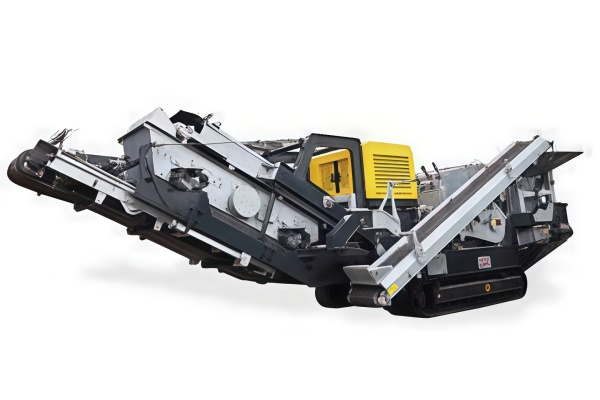
A Mobile Jaw Crusher handles the first critical step in mining and construction: reducing large rocks into transportable sizes. It operates directly at sites, compressing what once required multiple stationary machines into one self‑propelled unit. If it breaks down, the entire line stops. In 2026, the number of global Mobile Jaw Crusher Manufacturers has exceeded 200, and price competition continues to intensify. According to Grand View Research, the market was valued at $1.145 billion in 2024 and is projected to reach $1.54 billion by 2030. Hybrid drives are becoming standard, and intelligent platforms are entering the cab. Technology is advancing faster, but the risk of choosing the wrong supplier is rising — equipment lifespan may shorten by over 30%.
Global Competitive Landscape
Key players include Kleemann, McCloskey, Sandvik, Terex, Metso, Rubble Master, Astec, Komatsu, and Eagle Crusher. The top five account for approximately 57.3% of the market. China, as the world's largest crushing equipment producer, holds a significant position in global supply. Chinese‑made Mobile Jaw Crushers are typically 40% to 60% less expensive than European counterparts, yet incorporate many of the same core components. Manufacturers vary in technology, pricing, and service models. Understanding these differences is the first step.
Three Supplier Types: Which Is Genuine
When screening, identify whether the company is a trading company, assembly shop, or genuine manufacturer. These differ in production capability, quality control, and after‑sales service.
Trading Companies: Resell at a 20% to 40% markup without producing anything. They show multiple unrelated brands, identical specs with different logos, and no factory address. They offer no technical support.
Assembly Shops: Assemble standard components, offering lower prices and faster delivery. But they lack design capability, quality control is inconsistent, and product uniformity is poor.
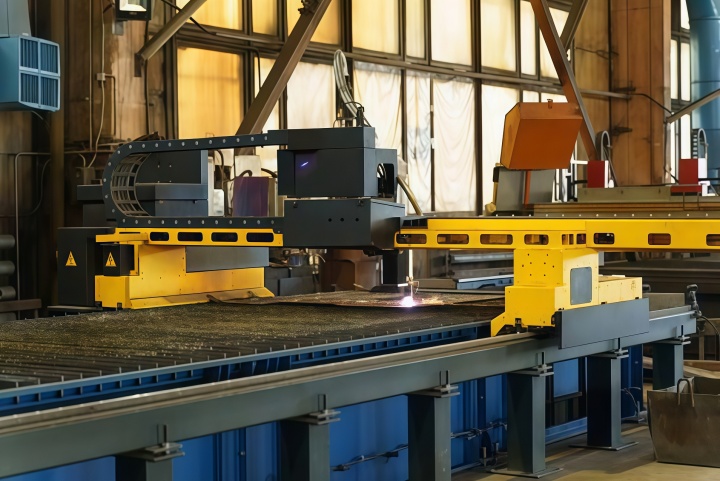
Genuine Manufacturers: Handle design, fabrication, assembly, and testing in‑house. They own laser cutters, welding stations, and testing areas, with full quality control and customization.
How to identify quickly: request a live video tour. Genuine manufacturers agree readily; trading companies make excuses. Verify the address on Google Maps — industrial parks indicate genuine; office buildings suggest otherwise.
Four Core Dimensions for Selection
Evaluate suppliers across four dimensions: manufacturing capability, technical capability, export experience with after‑sales service, and pricing transparency.
Manufacturing Capability: Verify production scale, equipment, and quality control via video or site visits. ISO 9001 and CE certifications indicate stronger quality management.
Technical Capability: Suppliers need independent design teams, PLC drawings, material flow simulations, and load analysis. Key parameters must be verifiable. Hybrid electric‑drive Mobile Jaw Crushers are gaining traction in 2026.
Export Experience and Service: Proven exporters understand different markets. Service response and parts availability impact total operating costs. On‑time delivery above 98% indicates strong supply chain.
Pricing Transparency: A quality Mobile Jaw Crusher typically starts at $150,000 FOB, with the SE‑1060 ranging from $170,000 to $220,000. Lower prices often mean compromised materials. Request detailed breakdowns by component.
Five Verification Steps with Red and Green Flags
After initial screening, verify through five steps. Each includes positive and risk signals.
Factory Address: Request the business license. Confirm "manufacturing" not just "trading." Verify on maps.
Green: Industrial park, over 10,000 sqm, 30+ workers. *Red*: Office building, trading license.
Core Component List: Ask for brands of engines, pumps, bearings, jaw plates.
Green: Cummins/Deutz, Rexroth/Yuken, SKF/FAG. *Red*: No brands, incomplete list.
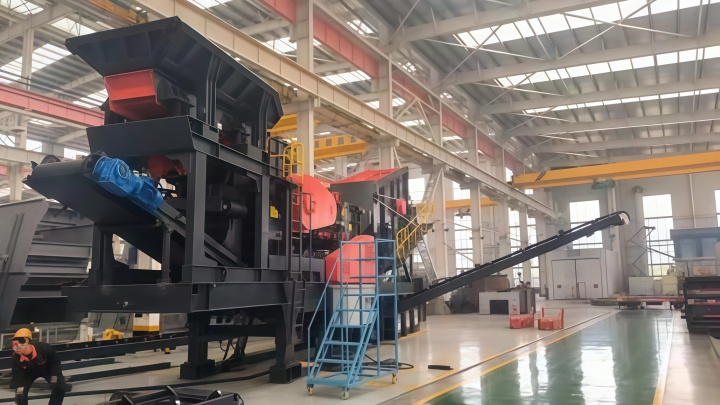
Video Factory Tour: Request live video of storage, cutting, welding, assembly, and testing.
Green: Full access. *Red*: Refusal, excuses, or warehouse only.
Real Capacity Data: Ask for actual throughput under similar conditions. The SE‑1060 delivers 200‑250 TPH actual, 700mm max feed.
Green: Third‑party reports or user data. *Red*: Brochure values only.
Export Records: Request customs declarations and three contactable overseas customers.
Green: 30+ countries, verifiable cases. *Red*: No records or fake references.
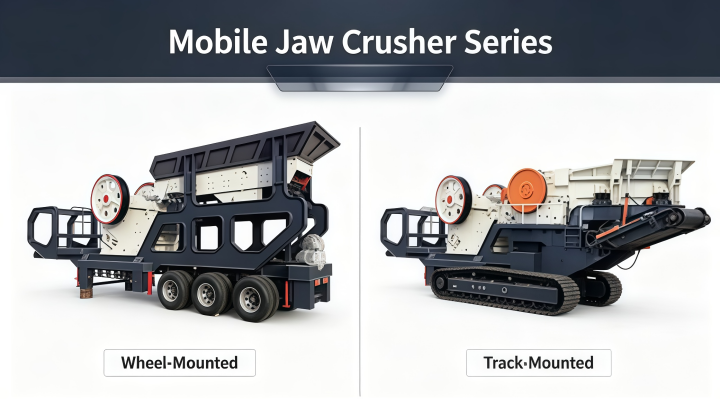
Track‑Mounted vs. Wheel‑Mounted
Choosing depends on three factors: transfer frequency, ground conditions, and project duration.
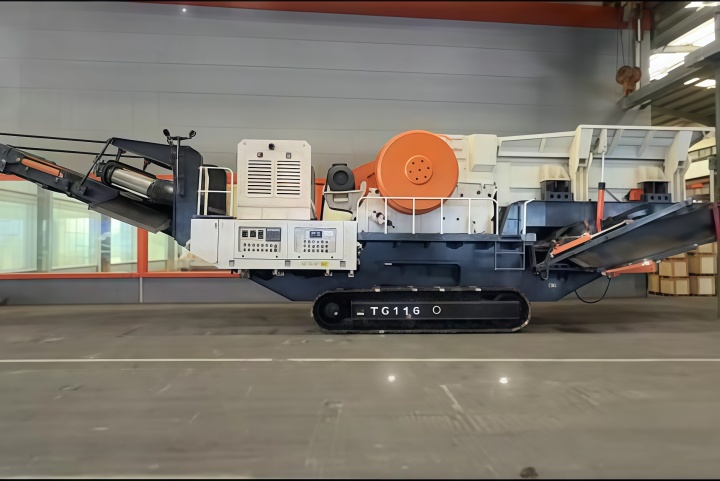
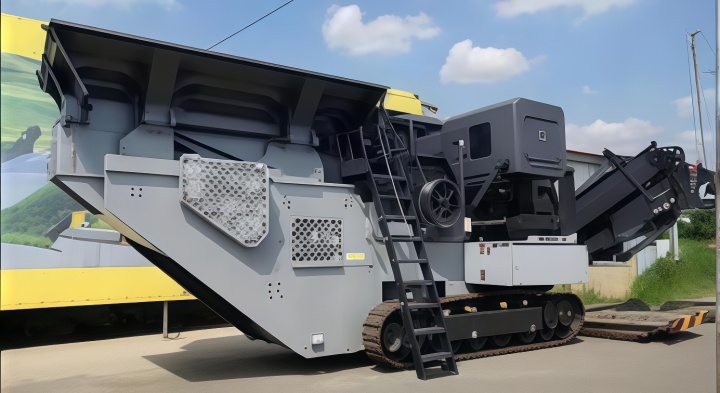
For over two transfers per month on muddy, sloped, or unpaved ground, choose track‑mounted. It self‑propels, sets up in 15‑30 minutes, no foundation needed. Wide tracks and low center of gravity suit challenging terrain. For mining, road work, and demolition with frequent moves, track‑mounted is preferred.
For only a few transfers per year on paved surfaces, choose wheel‑mounted. It transports by trailer with lower costs. For fixed sites with occasional moves, wheel‑mounted offers better value.
Comparison Table
| Dimension | Track‑Mounted | Wheel‑Mounted |
|---|---|---|
| Mobility | Self‑propelled | Trailer required |
| Ground | Muddy, sloped, unpaved | Paved, flat |
| Setup Time | 15‑30 min | 1‑2 hours |
| Price | Higher | Moderate |
| Best For | Frequent moves | Fixed sites |
Five Common Pitfalls
Brochure Capacity: Theoretical vs. actual under load is often only 70‑80%.
Transport and Site: Oversize shipments cost extra; ground bearing capacity may be insufficient.
Maintenance Costs: Jaw plate lifespan varies by 3x depending on material. Request parts list and pricing.
Traders vs. Manufacturers: Traders add 20‑40% markup with no support. Request factory photos and equipment lists.
Price vs. Total Cost: Lower price may mean higher fuel use, more failures, and parts issues. Calculate 5‑year total ownership cost.
A Real Procurement Lesson
In 2025, a Southeast Asian quarry manager chose a $120,000 supplier — nearly $50,000 cheaper than others. The supplier promised 220 TPH and 45‑day delivery.
The unit arrived on time. Three days after commissioning, the hydraulic system leaked. The "engineer" spent five days without fixing it. The pump contained unbranded parts — not the Rexroth specified. Jaw plates cracked after 800 hours, while genuine high‑manganese steel lasts over 2,500 hours.
The quarry spent an extra $28,000 on replacements. Combined with downtime losses, the actual cost exceeded buying from a reputable source. Worse, the supplier later became unreachable.
FAQ
How to tell a genuine Mobile Jaw Crusher Manufacturer from a trading company?
Request a live video tour and verify the address on Google Maps. Genuine factories are in industrial parks and agree to tours. Trading companies are in office buildings and make excuses.
What is the minimum budget for a quality Mobile Jaw Crusher?
Quality track‑mounted units start at $150,000 FOB. The SE‑1060 ranges from $170,000 to $220,000. Below $100,000 typically means refurbished or counterfeit parts.
What brands should core components of a Mobile Jaw Crusher use?
Engines: Cummins or Deutz. Hydraulics: Rexroth or Yuken. Bearings: SKF or FAG. Jaw plates: high‑manganese Mn22Cr2, cold work hardened and water quenched.
What is the typical spare parts lead time for a Mobile Jaw Crusher?
Reliable manufacturers deliver common wear parts within a few weeks. Request a parts list and pricing before purchase.