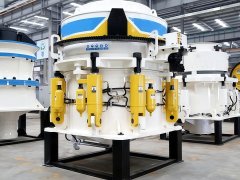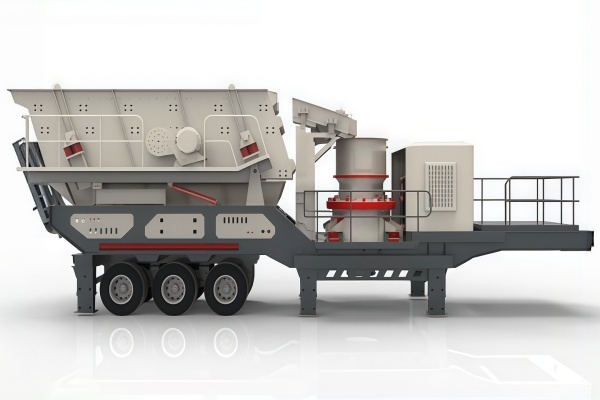
Wheeled Mobile Crusher
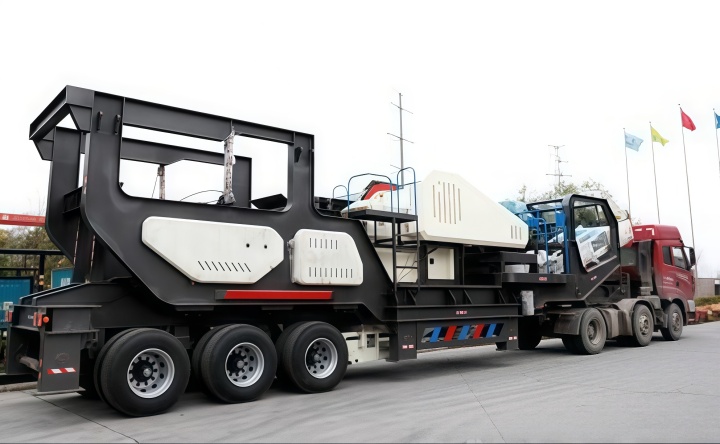
Wheeled Mobile Crusher are used for on‑site crushing of stones, construction waste and ores, realizing flexible mobile operation to produce qualified aggregates for quarrying, construction waste recycling, road construction and mining industries. Prices typically range from $45,000 to $620,000. Feed opening size: ≤650mm Production capacity: 20‑800 tons/hour Discharge opening adjustment range: 5‑120mm Travelling mode: Wheel trailer towing Motor power: 55‑400kW
What Is a Wheeled Mobile Crusher?
For projects under six months or with scattered material sources, a traditional fixed crushing line often spends over thirty percent of total costs on civil foundations—costs that cannot be recovered. The wheeled mobile crusher integrates feeding, crushing, screening, and conveying on a tire-mounted chassis. It reaches site and starts production within thirty minutes without concrete foundations. Total weight is forty-two tons, transport dimensions comply with highway standards, and only one tractor truck and one operator are needed.
This wheeled mobile crusher is built for multi-site rotation and temporary material sources, cutting per-ton haulage cost to less than half of a stationary setup. It meets ISO nine thousand one and CE safety standards, with key components made of wear-resistant steel.
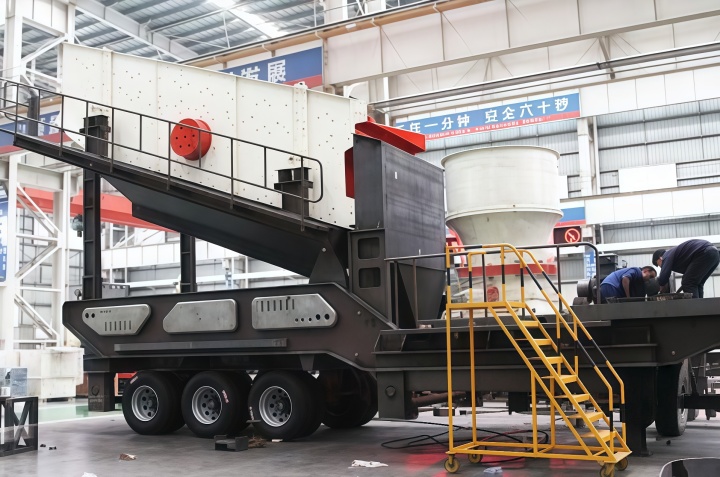
The operation covers four stages: feeding, crushing, power, and control.
Feeding system: Vibrating feeder delivers material uniformly, with frequency control keeping load fluctuation within five percent. Grizzly bars pre-screen fines below the discharge opening, saving crusher work.

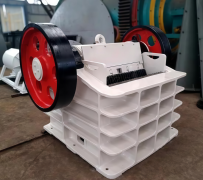
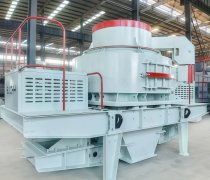
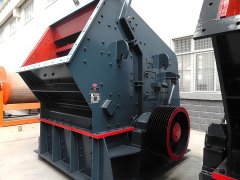
Crushing unit: Jaw, impact, or cone crusher selected by material hardness. For medium-hard rock, feed size up to five hundred millimeters, discharge opening adjustable from twenty to eighty millimeters hydraulically within five minutes.
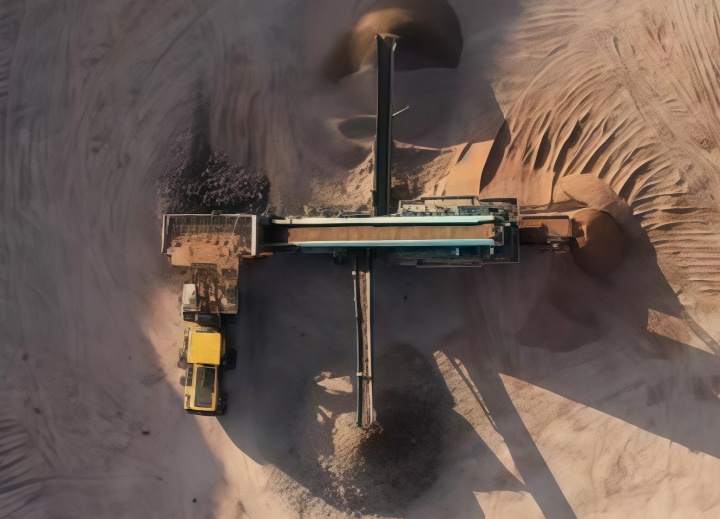
Power unit: Dual mode—engine or grid. Hydraulics handle outriggers, belt folding, and tramp iron protection. Uncrushable objects trigger automatic retraction to avoid main shaft fracture.
Control system: Touchscreen displays motor currents, oil temperature, and vibration. Fault diagnosis alerts on bearing overheat or belt misalignment, recording codes for fast troubleshooting within ten minutes.
Wheeled Mobile Crusher Video Showcase
Wheeled Mobile Crusher Core Technical Parameters
| Model & Specification | Main Crusher Type | Capacity (t/h) | Max Feed Size (mm) | Main Motor Power (kW) | Transport Dimensions (L×W×H, mm) | Total Weight (t) |
|---|---|---|---|---|---|---|
| Primary Crushing - Jaw Crusher Series | ||||||
| YG938E69 | Jaw Crusher PE600×900 | 50-100 | ≤500 | 75 | 13000×2900×3100 | 25 |
| KE500C75-4 | Jaw Crusher PE500×750 | 50-100 | ≤425 | 55 | 16400×7940×6765 | 28 |
| STLTG-J85 | Jaw Crusher | 85-180 | ≤500 | 110 | 14200×3000×4500 | 32 |
| Secondary Crushing - Impact Crusher Series | ||||||
| PF1210 Wheeled Type | Impact Crusher PF1210 | 70-130 | ≤400 | 90 | 14500×2900×4300 | 26 |
| KF1214-2 | Impact Crusher PF1214 | 120-240 | ≤450 | 132 | 14860×3660×7100 | 38 |
| STLTG-I100 | Impact Crusher | 100-200 | ≤350 | 160 | 13800×2900×4300 | 30 |
| Tertiary Crushing - Cone Crusher Series | ||||||
| ZMC300 | Cone Crusher | 115-320 | ≤210 | 250 | 18050×3720×3970 | 55 |
| KC160-2 | Cone Crusher | 140-280 | ≤250 | 160 | 14860×3850×7100 | 42 |
| STLT-C220 | Cone Crusher | 220-440 | ≤230 | 220 | 16500×3200×4600 | 48 |
Wheeled Mobile Crusher – Five Key Performance Measures
This wheeled mobile crusher offers quantifiable advantages in relocation, site adaptability, changeover, noise, and energy use.
Relocation time: With highway tires and air brakes, a standard tractor tows the unit. Full relocation (packing, transport, leveling, trial) takes under four hours, versus over ten hours for a tracked model.
Site adaptability: Three-hundred-millimeter ground clearance and independent hydraulic outriggers keep the unit stable on slopes up to five degrees without extra site preparation.
Changeover time: Bolted connections and quick harnesses allow chamber type replacement (e.g., jaw to impact) in eight hours, compared to over two days on a fixed line.
Noise: Double-layer sound panels keep ten-meter noise at eighty-two to eighty-five decibels, meeting urban daytime limits. Water sprays at feed and discharge control dust under four milligrams per cubic meter within ten meters.
Energy: Actual figures show four point two kilowatt-hours per ton of aggregate, seven percent less than a fixed line of equal capacity, mainly by eliminating short-haul material transport.
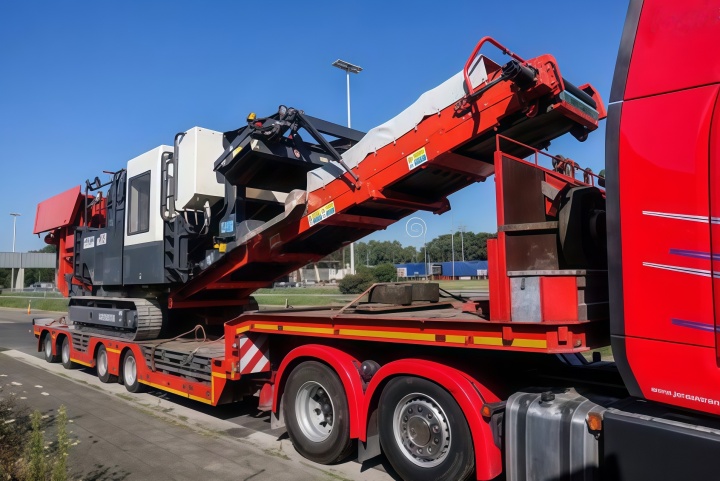
Typical Applications for a Wheeled Mobile Crusher
This wheeled mobile crusher suits five main scenarios.
Mining faces: Positioned beside excavators, moves every fifty meters with the face, cutting truck haul from three kilometers to under two hundred meters, reducing per-ton cost by twenty percent.
C&D waste yards: Processes concrete and brick waste on-site for recycled aggregates used in road subbase or low-grade concrete. One unit covers four to six demolition sites within a twenty-kilometer radius, saving cross-region hauling costs.
Tunnel spoil: Placed near tunnel portals, processes spoil immediately for fill and lining concrete, cutting spoil export by over seventy percent and eliminating purchased stone costs.
Fixed-line backup: During maintenance or small orders, this wheeled mobile crusher runs alone, avoiding startup of the full large line for a few hundred tons. Each startup saves about five hundred kilowatt-hours.
Overseas projects: Modular container packaging ships two units per container. Dual-power electrical covers fifty and sixty hertz globally, no on-site voltage conversion needed.
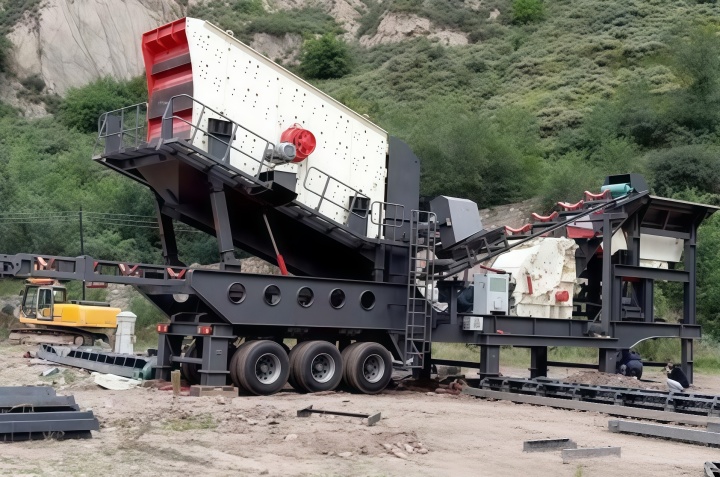
User case study
A highway tunnel project in Southwest China: The tunnel has a total length of three point two kilometers with total spoil volume of approximately four hundred thousand tons. The original plan required hauling spoil fifteen kilometers away for off-site processing. After deploying this wheeled mobile crusher for direct on-site processing at the tunnel exit, fifty-six thousand tons of produced crushed stone were used for roadbase subbase layers, with the remaining aggregate grades used in concrete batching. During the ten-month construction period, the equipment was relocated three times following the tunnel face advancement, saving approximately one million six hundred thousand yuan in transport costs compared with the off-site processing plan, while also avoiding work stoppages caused by aggregate supply interruptions.
Frequently Asked Questions About the Wheeled Mobile Crusher
Q: High-altitude use precautions?
A: Engine power drops about five percent per one thousand meters. Above three thousand meters, choose a turbocharged or higher-rated engine, and narrow discharge by five to ten millimeters to maintain fines. Below minus fifteen degrees Celsius, use hydraulic oil with pour point under minus forty degrees and extreme-pressure lithium grease.
Q: Electrical protection in wet/dusty conditions?
A: Control cabinet IP fifty-four, boards coated with zero point two millimeters conformal coating, waterproof cable glands. Blow out dust after each shift, check door seals, replace seals annually.
Q: Can it link with downstream screens?
A: Yes, via communication module with a wheeled screening plant for start-stop interlock and load matching. If screen load exceeds eighty percent, feed rate drops automatically to avoid blockage.
Q: How long to recover the investment cost?
A: At one hundred fifty tons per hour in C&D waste application, with recycled aggregate at about fifty-five yuan per ton, net profit after fuel, wear parts, and labor is about twelve yuan per ton. Based on eight hours daily and two hundred twenty working days per year, equipment cost recovery takes approximately ten months. Actual figures vary by local aggregate prices and electricity costs.
Q: How are transport oversize issues handled?
A: Standard model transport dimensions are two point five five meters wide, three point two meters high, and thirteen meters long, meeting flatbed requirements. For extended hopper or double-deck screen options, quick-release interfaces allow on-site disassembly for compliant transport. Each disassembly or reassembly takes two workers about two hours.
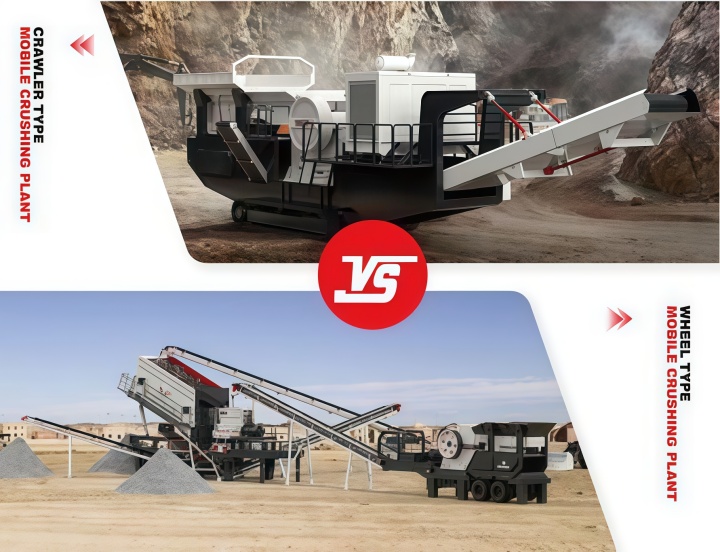
Wheeled Mobile Crusher vs. Tracked – Which to Choose?
The wheeled mobile crusher uses highway tires, travels over sixty kilometers per hour, needs no low-bed trailer. If moved more than twice a month, transport cost is much lower, and ground pressure requirement is under five tons per square meter. The tracked model uses steel tracks with ground pressure about zero point six kilograms per square centimeter, suits soft ground or slopes over five degrees, but requires a low-bed trailer with transport cost three to four times higher.
For projects over one year at a fixed site, this wheeled mobile crusher with grid power costs thirty percent less in energy than tracked diesel drive. If no grid is available, tracked self-power is more flexible. Generally, projects under one year with frequent moves favor this wheeled mobile crusher; fixed long-term sites can compare both.
Daily Maintenance and Safety Essentials
Three key areas requiring regular attention
Jaw plates or blow bars: measure wear every five thousand tons of material processed; replace when remaining thickness drops below thirty percent of the initial thickness.
Screen decks: fit rapping devices or electric heating wires when material moisture exceeds eight percent; if moisture surpasses this threshold, both anti-clogging measures should be activated simultaneously.
Tire pressure: check before and after each relocation; standard pressure is eight atmospheres.
Outrigger seals: replace completely every two years; degraded seals can cause outrigger settlement exceeding five millimeters over a four-hour period.
Three specific maintenance tasks with quantifiable standards
Bearing grease application: perform every one hundred operating hours; apply until fresh grease emerges from the bearing housing; clean grease fittings of accumulated dust before each application to prevent contamination entry.
Conveyor belt tension adjustment: set sag to no more than two centimeters as the acceptance standard; if belt misalignment is detected during operation, adjust idler brackets under shutdown conditions, with each adjustment not exceeding five millimeters and proceed with gradual fine-tuning.
Hydraulic system maintenance: replace return filters monthly; replace the initial filter element after the first fifty operating hours and clean the tank suction strainer simultaneously; subsequently, take oil samples every six months for laboratory testing to achieve cleanliness of ISO four four zero six standard class eighteen or better.
Operational safety procedures
Before startup: set up warning lines around the equipment and confirm the discharge area is clear of personnel.
During operation: keep all access doors closed; never open them while the machine is running.
After shutdown: wait for complete emptying of the crushing chamber (approximately three to five minutes) before disconnecting the main power supply.
Following the above maintenance schedule extends the main bearing service life of this wheeled mobile crusher from an average of three years to more than four years, while reducing unscheduled downtime from an average of four times per year to less than once.