Pigment Vacuum Loader Price
Thursday June-11 2026 13:45:09
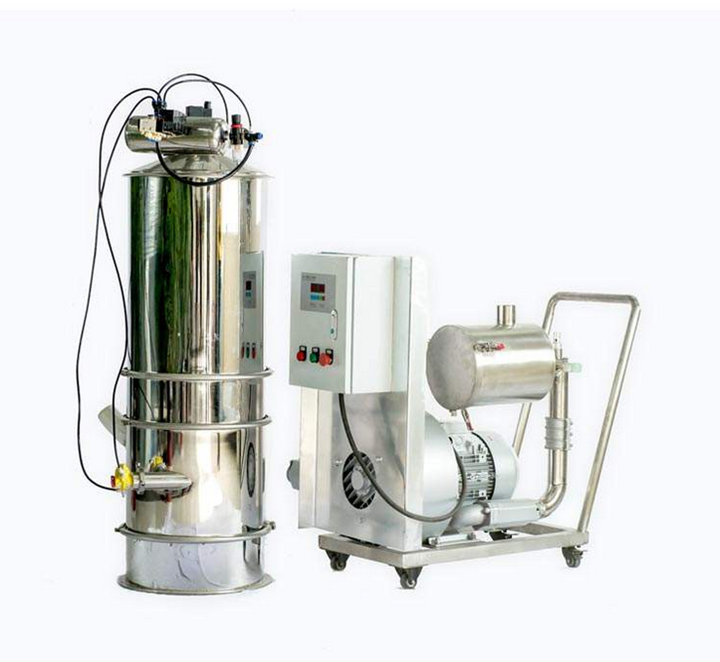
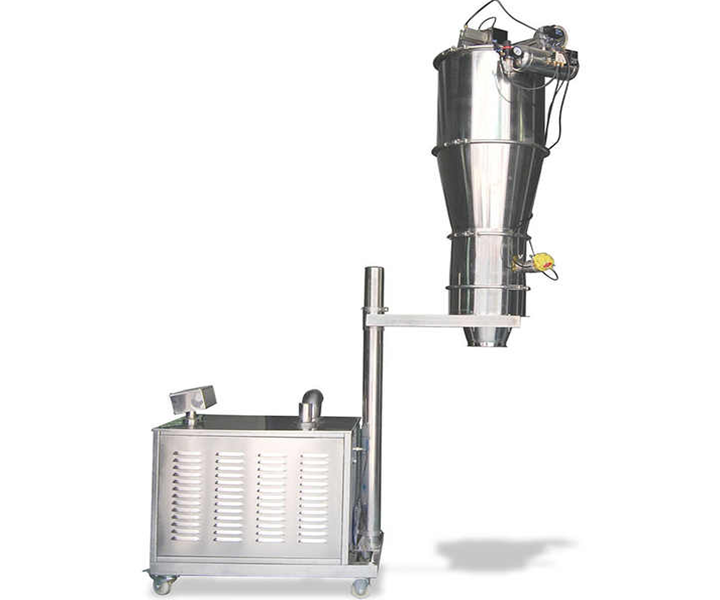
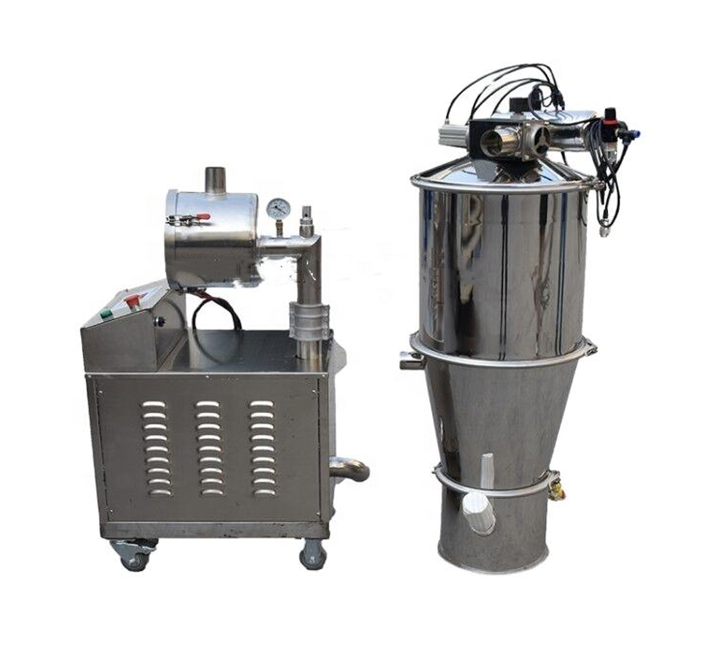
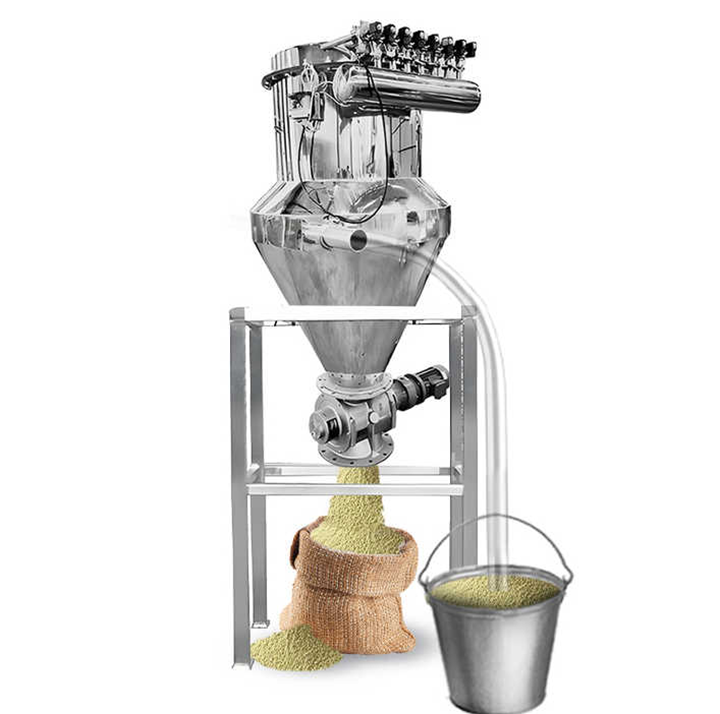
Pigment Vacuum Loader is a dust-free automated conveying device used for transporting paints and inks. Based on the principle of negative pressure vacuum, it automatically feeds and transfers pigment powders and granular materials through a closed-loop adsorption system, completely replacing the traditional manual feeding method. Addressing the characteristics of pigment powders—such as easy dust generation, easy loss, easy cross-contamination, and the corrosive nature of some materials—it adopts a fully enclosed conveying structure with a high dust collection rate, effectively eliminating dust pollution in the workshop, ensuring a compliant production environment, avoiding pigment waste, and improving raw material utilization. It boasts advantages such as low operating noise, low energy consumption, easy operation, and adaptability to explosion-proof conditions, perfectly matching various pigment production lines. When purchasing a pigment vacuum loader, equipment price is a core consideration for enterprises. Its price is not fixed and is affected by multiple factors such as equipment specifications, configuration, materials, and functional processes, resulting in significant market price differences.
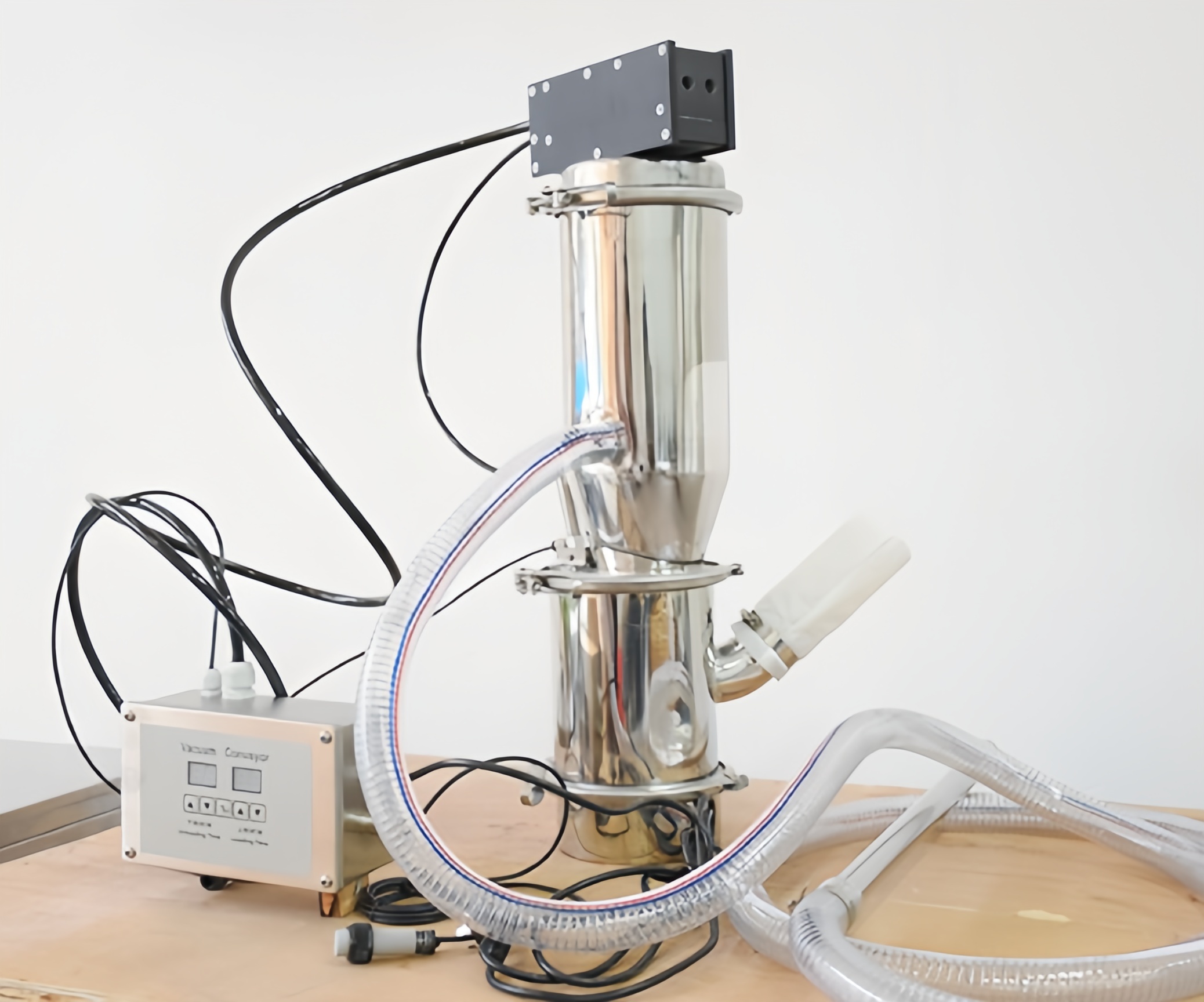
Pigment Vacuum Loader Price Range Table
| Type | Capacity Range | Price | Features | Best For |
| Compact / Lab Scale | Up to 200 kg/h | $800 – $1,500 | Small footprint, simple pneumatic control, standard filter. | Laboratory testing, small-batch pigment mixing, or sachet packing machines. |
| Standard Industrial Grade | 200 – 1,500 kg/h | $1,500 – $4,500 | SS304/SS316L, automatic pulse jet filter cleaning, level sensors. | Standard plastics factories, masterbatch production, and general chemical powder transfer. |
| Heavy-Duty / High-Capacity | 1,500 – 5,000+ kg/h | $4,500 – $12,000 | Continuous conveying, multi-filter chambers, enhanced Roots blower/vacuum pump. | Large-scale compounding lines, centralized feeding systems, and high-throughput bag dumping. |
| Premium Custom & ATEX Grade | Customized | $12,000 – $30,000+ | ATEX explosion-proof certification, anti-static design. | Flammable organic pigments , highly hazardous chemicals, or highly precise dosing systems. |
Key Factors Affecting Pigment Vacuum Loader Price
There is no uniform standard for pricing pigment vacuum loaders. The core factors are determined by several key hardware components and customization requirements. First, the machine body material: there is a significant price difference between ordinary carbon steel, 304 stainless steel, and 316 corrosion-resistant stainless steel. Corrosive pigments often require high-end stainless steel, which is more expensive. Second, the power configuration: ordinary fans and explosion-proof vacuum pumps have different power ratings, and the cost of accessories for explosion-proof chemical models increases significantly. Third, the processing specifications: there is a huge difference in the materials used for the tank, piping, and filter components between small-volume laboratory models and large-volume industrial models. Additional features such as filter accessories, automatic dust removal devices, and one-button start/stop control systems also add to the price. Finally, customization requirements, transportation, and warranty and after-sales service plans will directly change the overall price. A comprehensive calculation based on your specific pigment processing conditions is necessary when purchasing.
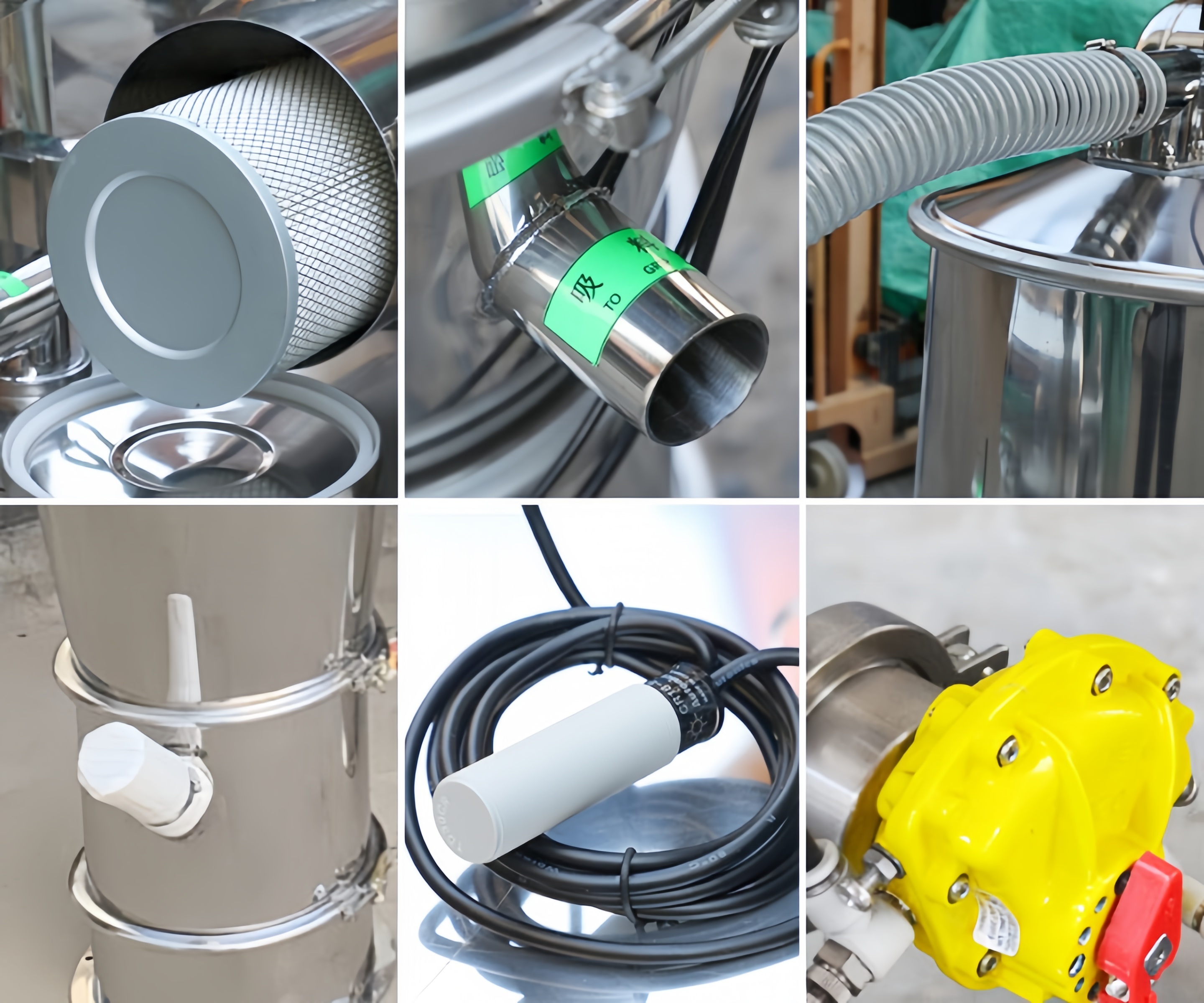
What should you pay attention to when purchasing a Pigment Vacuum Loader?
When purchasing a Pigment Vacuum Loader, you cannot only look at the unit price of the machine. Many hidden costs and supporting services need to be confirmed in advance. First, verify the logistics and sea freight costs, distinguishing between the ex-factory price and the price including freight. For long-distance export orders, calculate the additional costs of packing, customs declaration, and sea freight in advance to avoid extra expenses later. Second, confirm whether the equipment supports customization. Corrosive pigments, explosion-proof workshops, and special production capacity requirements all require non-standard modifications. Choosing a basic or customized model based on specific needs is more cost-effective. Additionally, focus on inquiring about the supply channels and replacement costs of easily damaged parts such as filter elements and sealing rings, as pigment powders easily clog filter elements.
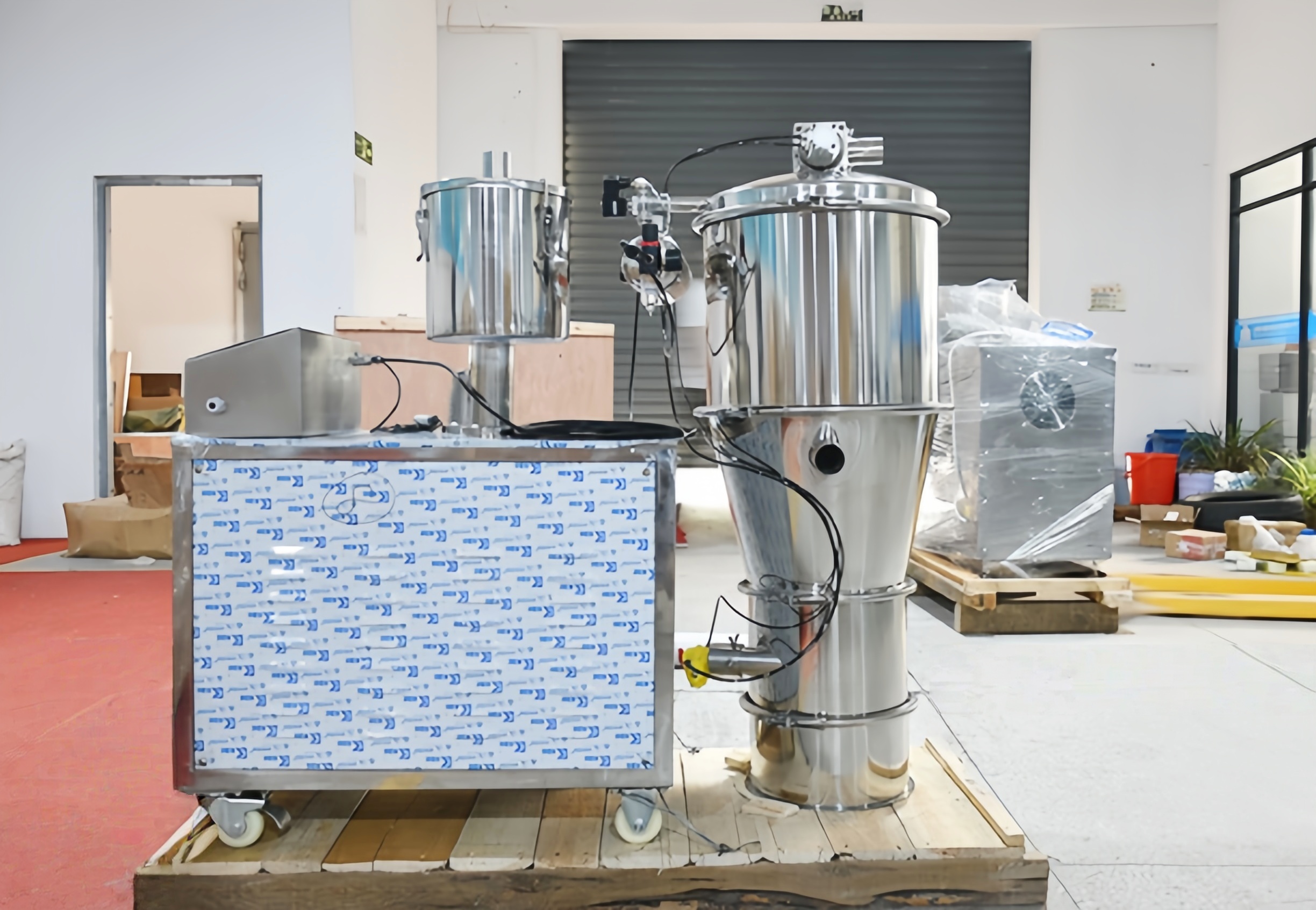
Why Choose Us as Your Supplier?
Choosing us as your Pigment Vacuum Loader supplier is primarily due to our years of experience in powder conveying equipment. We understand the actual working conditions in the pigment industry, including high dust levels, easy filter clogging, and the need for explosion-proof and corrosion-resistant systems. We don't offer generic, standardized equipment; we provide customized solutions based on customer production capacity, material characteristics, and workshop environment, adaptable to various pigment, powder, and fine chemical production scenarios. The entire machine uses high-quality materials and a stable vacuum power system, ensuring strong sealing, low dust emission, and stable operation, significantly reducing production losses. Meanwhile, we strictly control costs, offering transparent equipment pricing with no hidden fees. We provide one-stop services for logistics, sea freight, and export customs clearance. More importantly, we standardize our system of common wear parts, ensuring affordable prices, fast delivery, and low replacement costs for consumables such as filters and sealing rings, resulting in higher cost-effectiveness in the long run.
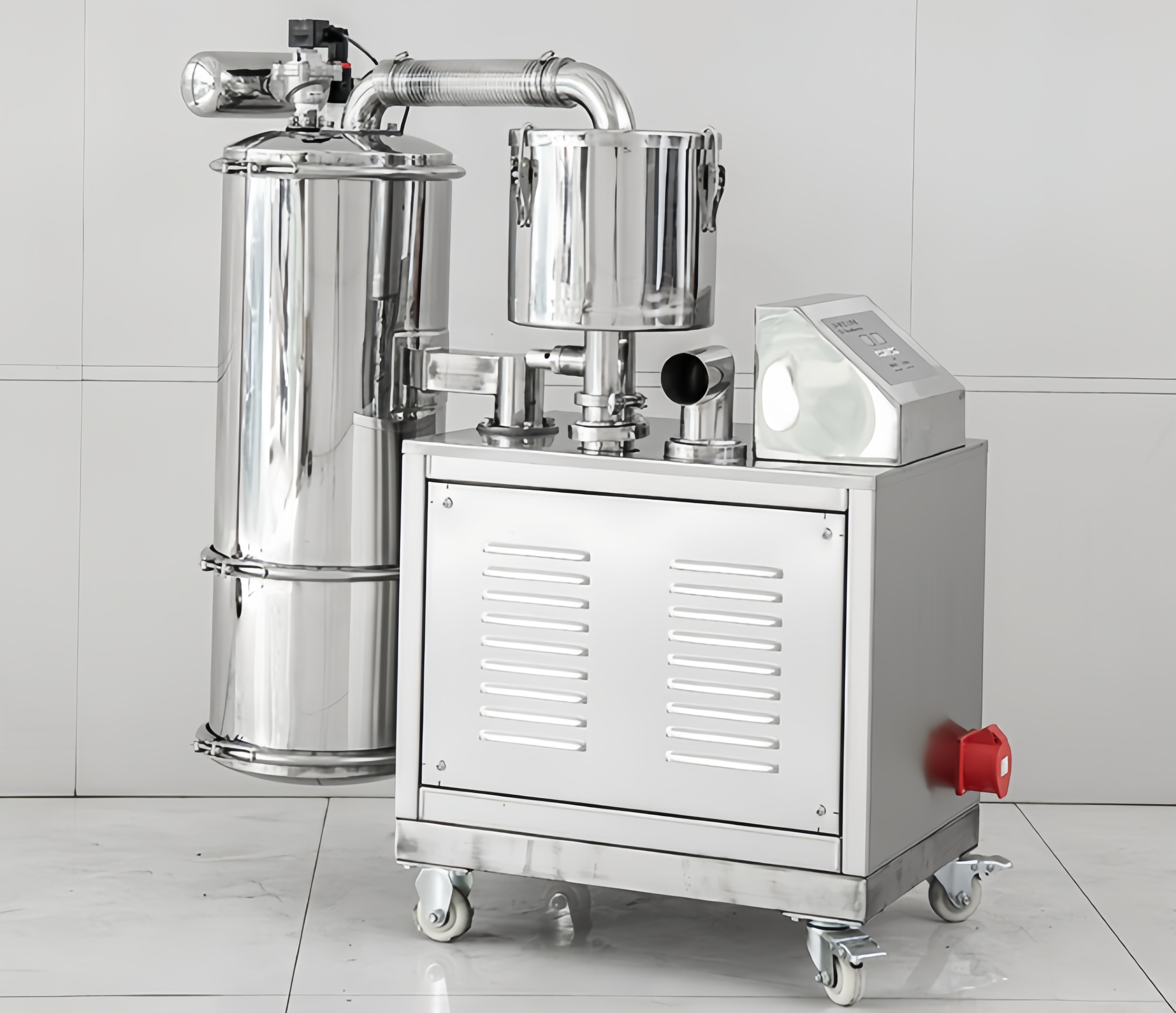
FAQ
Q1: Can a vacuum loader handle sticky or heavy pigment powders?
The vacuum loader can handle sticky and heavy pigment powders. The equipment is equipped with pulse cleaning and vibration feeding structures to prevent material adhesion and pipe blockage. For high-viscosity, heavy pigments, the vacuum pump power can be increased, the conveying pipeline widened, and a stirring and dispersing device can be added as an option.
Q2: How often do I need to replace the filter in a pigment vacuum conveyor?
The replacement cycle depends on the fineness and viscosity of the pigment dust. For ordinary light pigments, filter cartridges should be replaced every 3 to 6 months. For high-viscosity, high-concentration heavy pigments that are prone to clogging, we recommend inspection and cleaning every 1 to 3 months, and replacement within six months.
Q3: How can I get an accurate price quote for my factory setup?
Provide your production line capacity, pigment material characteristics, workshop explosion-proof requirements, and machine material requirements to receive a detailed quote. Also, inform us if customization is needed and your shipping logistics needs; we will calculate the total cost including the machine, consumables, and transportation.