Gangue Impact Crusher Price
Friday May-22 2026 10:42:20
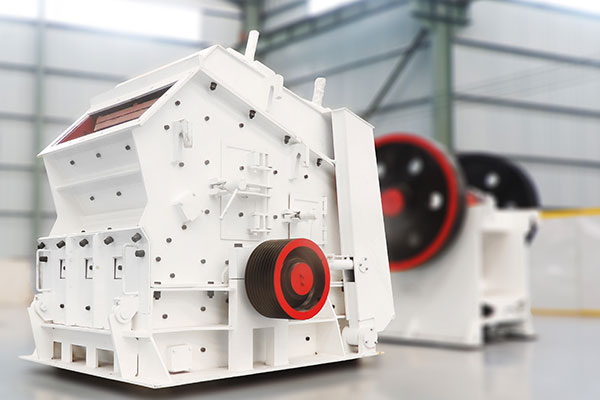
Gangue impact crusher price varies according to processing capacity, rotor size, wear-resistant material configuration, motor power and installation type. Small coal gangue crushers used in recycling lines or brick plants are generally lower in cost, while large mining impact crushers and mobile crushing plants require higher investment because of their larger structure and integrated systems.
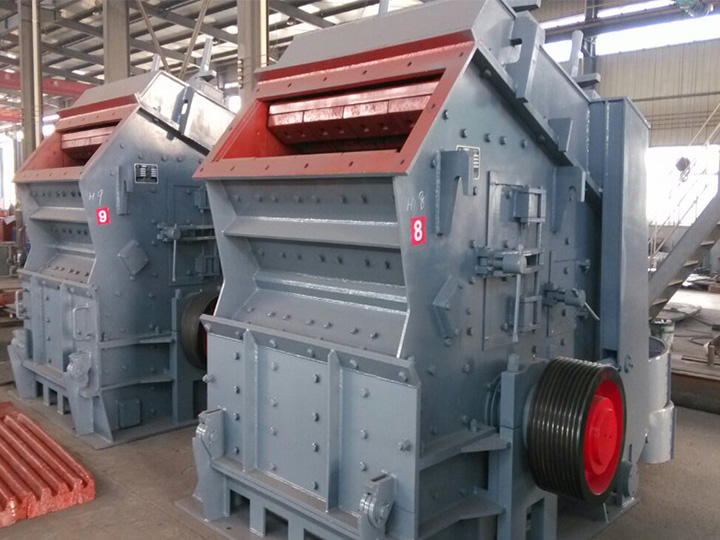
Different production requirements, discharge sizes and material conditions can significantly influence the final equipment quotation. Machines equipped with high manganese steel blow bars, reinforced rotors and mobile chassis are usually more expensive because of higher manufacturing and wear-resistance requirements.
Common Gangue Impact Crusher Price Range
Different machine structures and production capacities lead to different price ranges.
What Affects Gangue Impact Crusher Price?
The price of a gangue impact crusher usually depends on several technical and structural factors rather than only machine size.
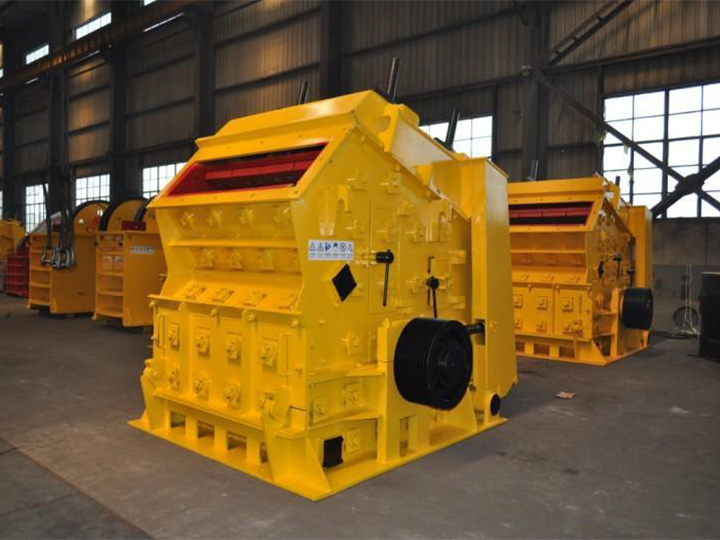
Processing Capacity Small-capacity machines for laboratory or small production lines are usually much cheaper than heavy-duty mining crushers. Capacity may range from several tons per hour to hundreds of tons per hour depending on rotor size and motor power. Heavy-duty coal gangue crushers with large feed openings and reinforced rotors generally require higher manufacturing cost.
Feed Size And Discharge Size Machines designed for large feed materials require stronger impact plates, thicker liners and larger rotors. If the customer needs fine discharge size with high uniformity, additional screening or adjustable impact systems may be required, increasing equipment cost.
Material Configuration Influence On Price
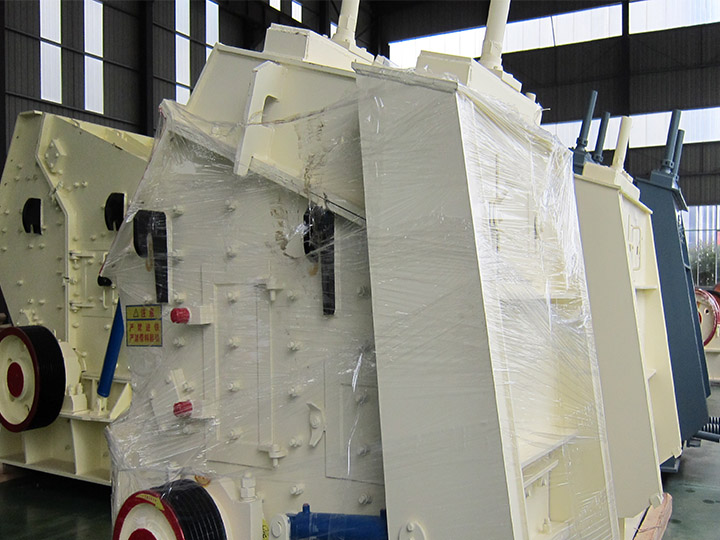
Coal gangue contains abrasive minerals and stone impurities, so wear-resistant configuration has an important influence on crusher price and long-term operating cost. Impact crushers equipped with high manganese steel blow bars, chromium alloy impact plates and thickened liners are generally more expensive than standard configurations because these materials can improve wear resistance under continuous crushing conditions.
Some large-capacity gangue crushers also use reinforced rotor structures and thickened steel frames to improve operational stability during heavy-duty production. Although these wear-resistant configurations increase initial investment, they can help reduce maintenance frequency and lower downtime in long-term mining or aggregate processing applications.
Fixed Type VS Mobile Type Price
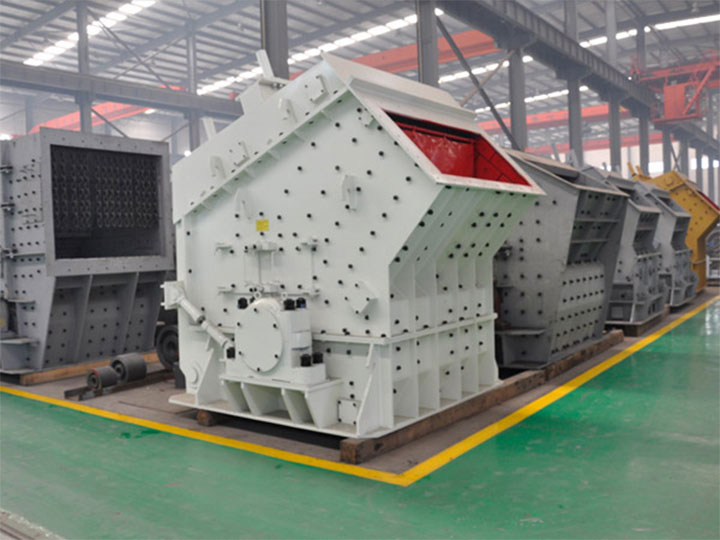
Fixed gangue impact crushers are commonly installed in coal mines, aggregate plants, cement production lines and stationary recycling systems. Their structure is relatively simple because the crusher is mounted on a fixed foundation together with feeding and conveying equipment. Due to the simpler installation structure and lower manufacturing complexity, fixed crushing systems are usually more economical than mobile crushing plants. In long-term continuous production environments, fixed crushers are often preferred because they offer stable operation, convenient maintenance and lower overall operating costs.
Mobile gangue impact crushers are designed for flexible working environments such as temporary mining sites, construction waste recycling projects and mobile aggregate processing operations. These machines combine feeder, crusher, conveyor and screening systems into a single mobile chassis, allowing the equipment to move directly between working sites. Because mobile crushers include hydraulic support systems, vehicle-mounted electrical control cabinets, mobile frames and integrated conveying systems, their manufacturing and transportation costs are generally higher than fixed models. However, mobile crushing plants can reduce installation time and improve operational flexibility for users who frequently change production locations.
How To Choose Suitable Gangue Impact Crusher?
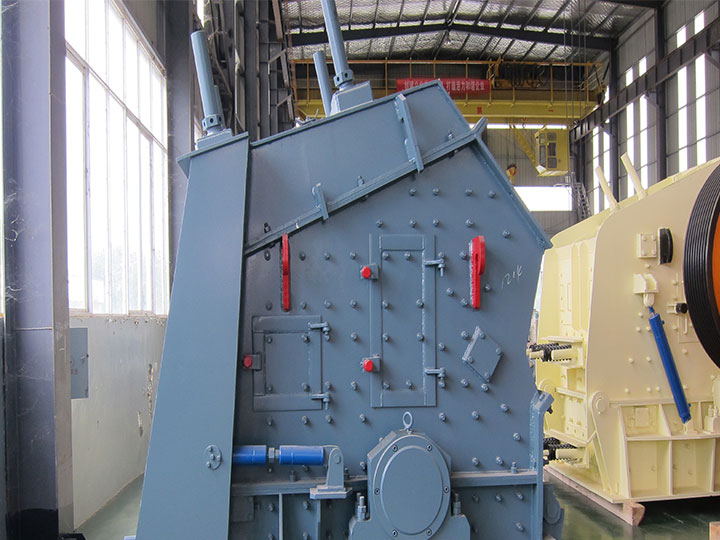
When selecting a gangue impact crusher, users usually consider material characteristics, production capacity, discharge size and installation environment together. Different gangue materials may have different hardness levels, moisture content and impurity composition, which directly affect crusher performance and wear conditions. Wet or sticky materials may require larger feed openings or anti-blocking crushing chamber designs to maintain stable material flow during operation.
Production capacity is another important factor because hourly output requirements determine rotor size, motor power and crusher model selection. Small crushing lines may only require compact machines, while large mining or aggregate plants often use heavy-duty impact crushers with reinforced structures and larger crushing chambers. Final product size is also important because some industries require coarse aggregate while others require fine crushed material for brick production or cement mixing.
Installation conditions also influence equipment selection. Fixed production lines generally focus on long-term stability and lower operating cost, while mobile recycling projects require flexible movement and rapid deployment. In addition to equipment price, many users also evaluate long-term wear part cost, including blow bar replacement, impact plate wear, bearing maintenance and power consumption. In some cases, a machine with slightly higher purchase cost may provide lower maintenance expenses and longer service life over time.
Conclusion
Before purchasing equipment, it is important to provide detailed project information such as raw material type, feed size, required discharge size and hourly capacity. Accurate technical data can help manufacturers recommend suitable crusher models and provide more precise equipment quotations for mining, aggregate production and coal gangue recycling applications.