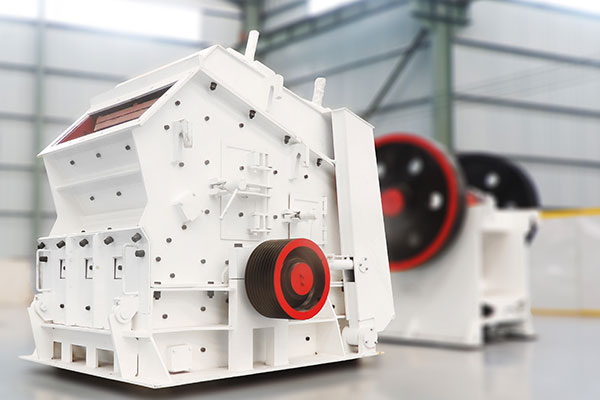
Impact crusher models and specifications
Wednesday April-22 2026 17:30:26
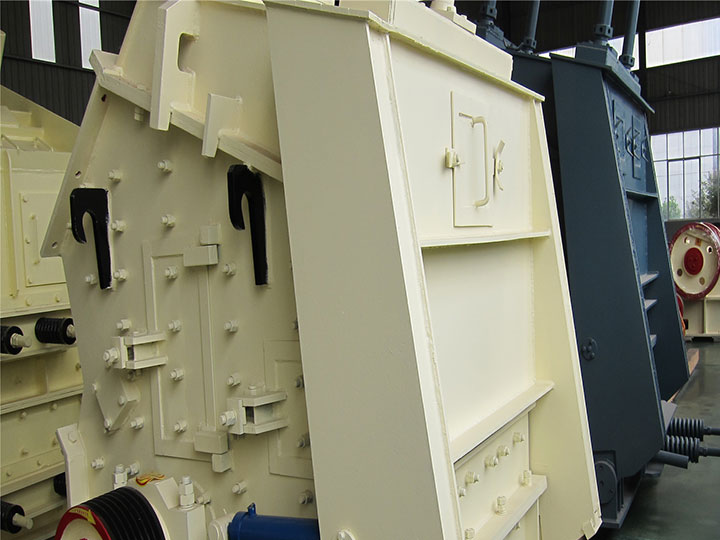
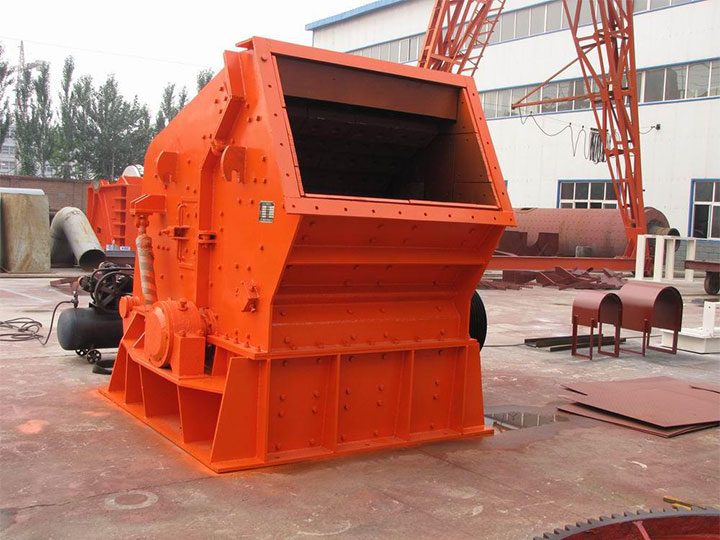
An impact crusher is a crushing device that uses impact energy to crush materials. A motor drives the rotor to rotate at high speed. After the material enters the crushing chamber, it is crushed by the impact of the hammers. Subsequently, the material repeatedly collides, impacts, and grinds between the hammers and the impact plates, ultimately achieving the desired discharge particle size. It is widely used in construction aggregates, mining, road construction, and chemical raw materials.
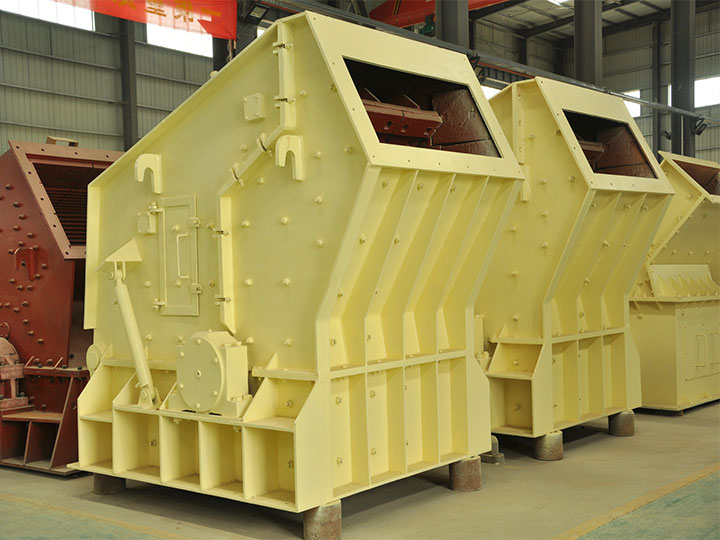
Impact crusher models and specifications
| Model |
Rotor size D*L(mm) |
Feeder opening size(mm) |
Max feeding size(mm) |
Capacity (t/h) |
Power (kw) |
| PF-1007 | Φ1000X700 | 450X730 | 250 | 10-60 | 45 |
| PF-1010 | Φ1000X1050 | 400X1080 | 300 | 50-90 | 55 |
| PF-1210 | Φ1250X1050 | 450X1150 | 400 | 70-130 | 90 |
| PFW-1210 | Φ1250×1050 | 450x1150 | 400 | 75-140 | 90 |
| PFW-1214 | Φ1250X1400 | 480X1500 | 430 | 100-180 | 132 |
| PFW-1315 | Φ1320X1500 | 860X1520 | 500 | 130-220 | 200 |
| PFW-1320 | Φ1320X2000 | 900X2000 | 500 | 160-350 | 250 |
| PFW-1515 | Φ1500×1500 | 930x1550 | 600 | 200-400 | 280 |
| PFW-1520 | Φ1512X2000 | 930X2040 | 700 | 300-450 | 355 |
| PFW-1820 | Φ1800X2000 | 1620X2040 | 700 | 500-800 | 2X315 |
Impact Crusher Classification
Based on the number of rotors, chamber structure, and application scenario, impact crushers are mainly divided into the following categories. Each type has a different focus, and the appropriate model can be selected flexibly according to actual needs.
Classification by Number of Rotors
Single Rotor Impact Crusher: The motor drives the rotor to rotate at high speed. After the material enters the crushing chamber, it is initially crushed by the impact of the hammers, and then thrown against the impact plate for collision and rebound. After repeated impact crushing, it is discharged from the outlet. Rotor diameter 300-1500mm, processing capacity 10-120t/h, feed particle size ≤450mm. Suitable for small and medium-sized crushing projects and scenarios with low hardness such as limestone and construction waste, prioritizing cost-effectiveness and convenience.
Double Rotor Impact Crusher: Two rotors rotate at high speed in opposite or the same direction. The material is first crushed by the impact of the first rotor, and then enters the second rotor for secondary crushing. Double crushing ensures uniform and fine output particle size. Rotor diameter 400-1800mm, processing capacity 40-320t/h, feed particle size ≤600mm, motor power 40-315kW. Suitable for high-hardness environments such as granite and basalt, prioritizing crushing efficiency and effect.
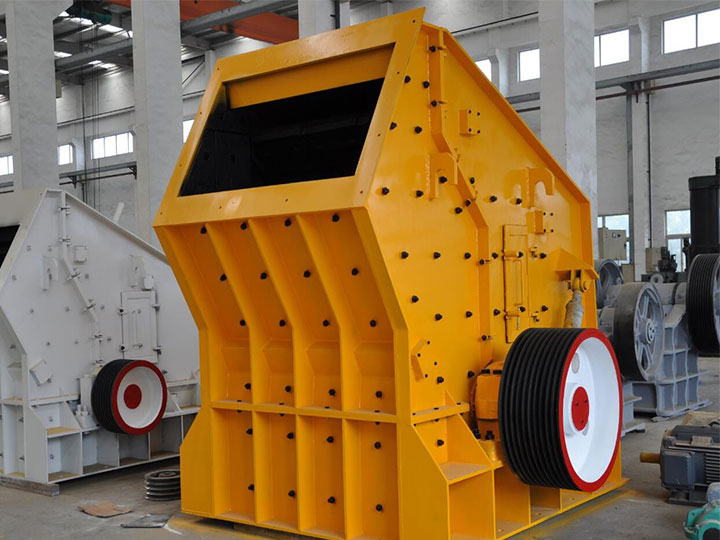
Classification by Crushing Chamber Structure
Two-Cavity Impact Crusher: The crushing chamber consists of upper and lower chambers. Material enters the upper crushing chamber through the feed inlet, is crushed by impact from the hammers and the upper impact plate, then falls into the lower crushing chamber for a secondary impact with the lower impact plate, completing the crushing process before discharge. Suitable for rotor diameters of 400-1500mm, processing capacity 60-480t/h, finished product particle size 0-50mm. Suitable for conventional stone crushing scenarios with low requirements for output particle size and high capacity demand.
Three-Cavity Impact Crusher: Material passes through the upper, middle, and lower chambers sequentially, colliding with the upper, middle, and lower impact plates respectively. After multiple impacts and grinding, the finished particle shape is closer to a cube. Suitable for rotor diameters of 400-1500mm, processing capacity of 50-350t/h, and finished product particle size of 0-30mm. Ideal for applications requiring high-standard finished product particle shape, such as highway and airport runway construction.
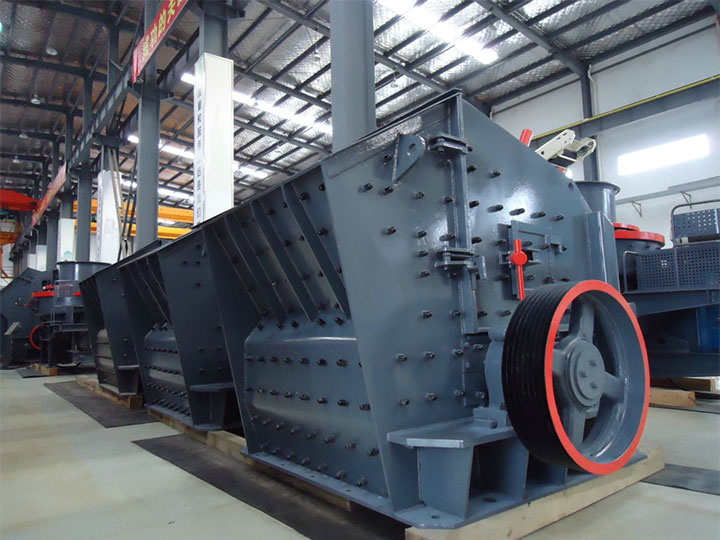
Classification by Application and Model
Stationary Impact Crusher: The equipment is fixed at a designated site. Material is conveyed to the feed inlet via a conveyor, crushed, and then conveyed to the finished product stockpile. It can be integrated with jaw crushers, sand making machines, etc., to form a production line. Footprint is 12-60㎡. Suitable for fixed-site crushing production lines, such as in mining and large-scale construction aggregate processing plants.
Mobile Impact Crusher: Equipped with a tire or tracked chassis. Tire-mounted chassis are suitable for road transport, while tracked chassis are suitable for complex terrain. Suitable for construction waste processing and temporary crushing projects.
Key Selection Points for Impact Crusher
High-Temperature Areas: Choose equipment with high-temperature protection features. The motor and hydraulic system must be adapted to high-temperature environments and equipped with a forced cooling system to prevent damage from overheating. Hammers and impact plates can be made of high-temperature resistant materials to reduce wear under high temperatures.
High-Humidity Areas: Choose equipment with rust and corrosion prevention treatments. Frames, motors, bearings, and other components should be galvanized or painted. The hydraulic system should be equipped with moisture-proof sealing devices to prevent rust and corrosion caused by moisture, which can affect the equipment's service life.
Remote Areas: Choose models with simple structures and easy maintenance. Diesel power is preferred to avoid operational disruptions due to insufficient power supply.
Material Characteristics: For low-hardness materials such as limestone and dolomite, single-rotor, two-chamber impact crushers are suitable. For medium-to-high hardness materials such as granite and basalt, double-rotor, three-chamber impact crushers are required, equipped with highly wear-resistant hammers and impact plates to ensure crushing efficiency and equipment durability. For brittle materials such as glass and ceramics, low-speed rotors are recommended to avoid over-crushing.
Processing Capacity: For 5-20 t/h, choose a small single-rotor impact crusher; for 20-100 t/h, choose a medium-sized single-rotor or small double-rotor impact crusher; for over 100 t/h, choose a large double-rotor impact crusher to ensure production needs are met.
Operating Space: For fixed sites with ample area, choose a stationary impact crusher to form a complete production line; for limited space requiring frequent relocation, choose a mobile impact crusher.
Long-Term Operating Costs: Prioritize models with superior hammer and impact plate materials, such as high-chromium cast iron or composite alloys, to reduce component replacement frequency. Pay attention to the quality of easily worn components such as rotors and bearings, selecting components with long service life and low failure rates. Confirm whether the supplier provides component replacement and equipment maintenance services, and monitor the supplier's after-sales response time to ensure long-term stable equipment operation.
Key Advantages of Impact Crusher
Excellent Finished Product Particle Shape: The crushed product is primarily cubic aggregate with high packing density.
Flexible Adjustment Range: The rotor operating speed is adjustable from 700-1400 r/min as needed, and the impact plate crushing gap is adjustable from 0-50 mm, allowing for flexible adjustment of discharge specifications.
Durable Materials: The hammers and impact plates are made of high-chromium cast iron or composite alloy materials, offering high hardness, strong wear resistance, and a service life more than 30% longer than ordinary materials.
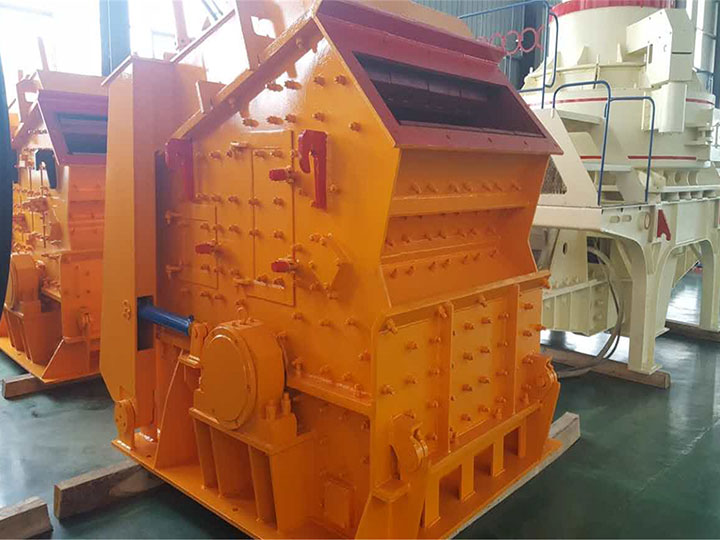
MACHRISE impact crushers, relying on mature impact crushing principles, optimized cavity structure design, flexible and adjustable operating parameters, high-quality wear-resistant materials, and a comprehensive model system, are widely used in mining, sand and gravel, infrastructure projects, construction waste recycling, chemical metallurgy, and many other fields. The manufacturer can provide customized equipment, complete production line solutions, original parts supply, and full-cycle after-sales service to global customers. The equipment is stable and reliable, adaptable to various complex crushing production scenarios.