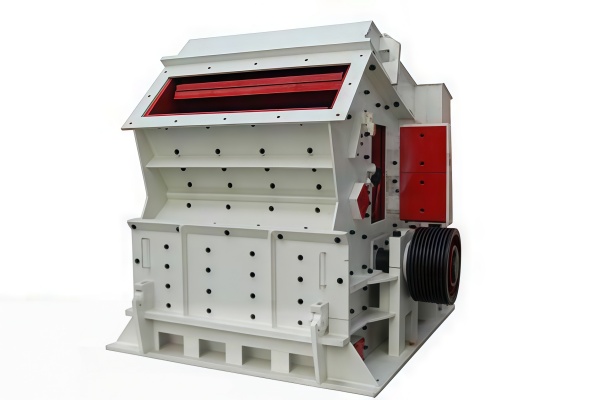
Aggregate Crusher
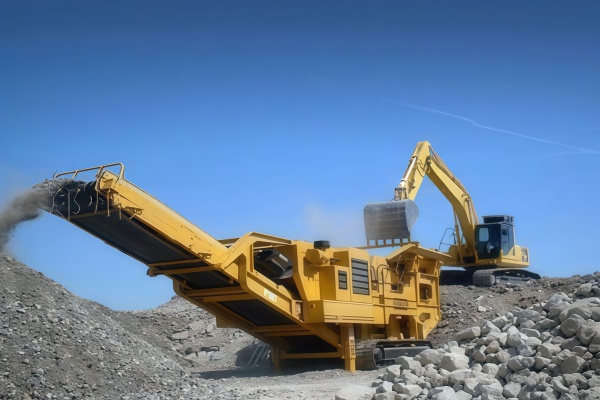
Aggregate Crushers are used for secondary and fine crushing of stone, rock and mineral raw materials, producing qualified aggregate products of different particle sizes for highway, railway, construction and concrete mixing plant industries. Prices typically range from $25,000 to $480,000. Feed opening size: ≤520mm Production capacity: 30‑2000 tons/hour Discharge opening adjustment range: 4‑60mm Spindle speed: ≤510 rpm Motor power: 75‑710kW
What Is an Aggregate Crusher?
Aggregate Crusher is designed to break down large rocks, gravel, and other materials into smaller, more manageable pieces for use in construction, road building, and various industrial applications. This machine takes raw feed material and reduces its size through mechanical force, making it suitable for producing concrete, asphalt, and other building materials.
Our equipment is built with a robust structure to handle tough jobs, from processing quarry stone to recycling construction waste. With a focus on consistent output, the product ensures that every piece meets the required specifications for your project.
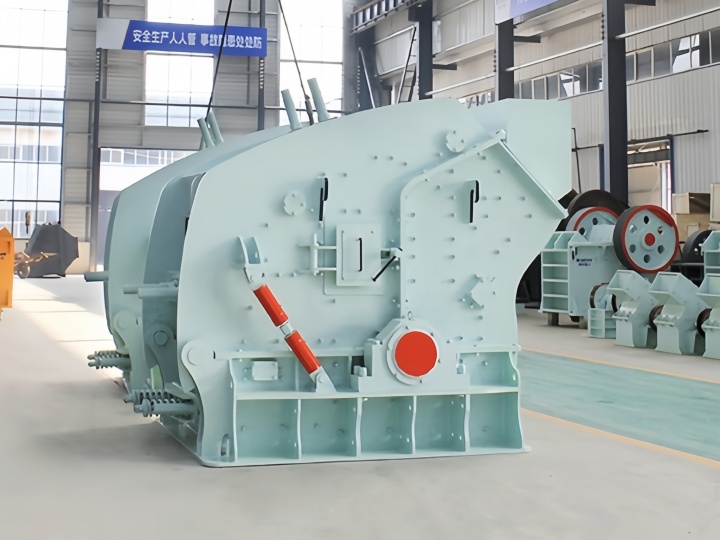
How Does an Aggregate Crusher Work?
The working principle of this equipment revolves around using impact or compression to break down materials. In our machine, the motor drives the rotor or the moving jaw at high speed. When material enters the crushing chamber, it is struck by the hammers or squeezed between the moving and fixed parts. This action forces the material to break along its natural weak points. The process repeats until the pieces are small enough to pass through the discharge opening at the bottom.
The design of the product allows for a controlled output size, so the final product is uniform and ready for its next use. Whether processing hard granite or softer limestone, the equipment adapts to the task.
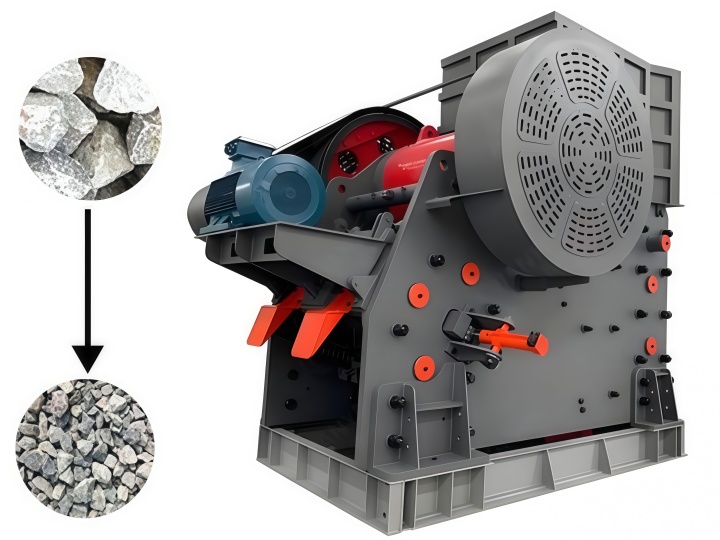
The Main Parts of an Aggregate Crusher
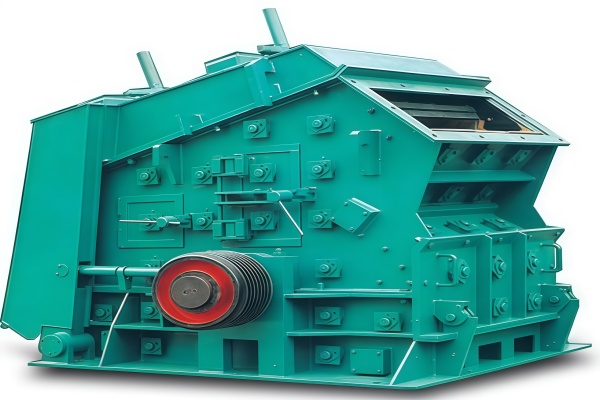
Every unit consists of several key components that work together to perform the crushing action. These parts include the supporting frame, the breaking mechanism, the drive system, and the wear-resistant surfaces, all designed for durability and easy replacement.
Main frame:this part supports all other components and absorbs the heavy crushing forces generated during operation.
Rotor or jaw assembly:this is the active breaking component that delivers the impact or compression force to the material.
Drive system:including the motor and belts, this system provides the necessary power to turn the rotor or move the jaw.
Wear-resistant liners and hammers:these parts take the direct impact from the material and are designed to be replaced easily to maintain performance.
Aggregate Crusher Video Showcase
Technical Parameters of the Aggregate Crusher
The table below lists the key technical specifications for our unit, covering feed opening, discharge range, capacity, motor power, and weight.
| Parameter | Specification |
| Feed Opening Size | six hundred by nine hundred millimeters |
| Discharge Adjustment Range | fifty to one hundred fifty millimeters |
| Production Capacity | forty to one hundred ten tons per hour |
| Motor Power | seventy-five kilowatts |
| Total Weight | twelve thousand kilograms |
| Overall Dimensions | two thousand by two thousand by two thousand three hundred millimeters |
Why Choose Aggregate Crusher?
When it comes to aggregate crushing equipment, you need more than just a machine. You need reliability, performance, and a partner who understands your business. Here's why customers around the world choose MachRise for their crushing operations.
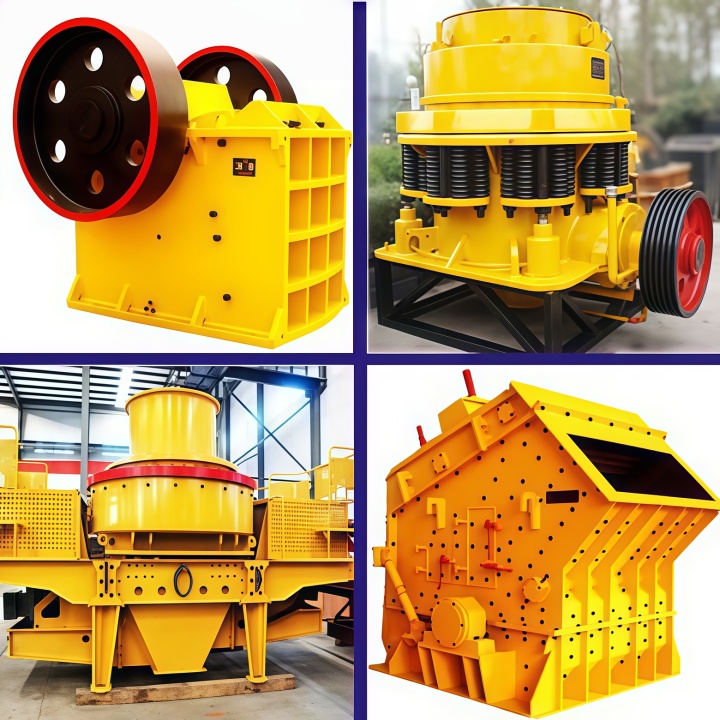
Built for Performance
Our aggregate crusher delivers 40‑110 tons per hour capacity with 600 by 900mm feed opening. Whether you're processing granite, limestone, or construction waste, this machine handles it all with consistent output size from 50mm to 150mm.
Backed by Real Manufacturing
We own the factory. Every crusher goes through 5 quality checkpoints before shipping: raw material inspection, precision machining, robotic welding, dynamic balancing, and 4‑hour full‑load testing. This ensures you receive a machine that's reliable from day one.
Proven Results
In Indonesia, a quarry increased output from 55 to 95 tons per hour after switching to our crusher. In the UAE, a recycling company processed over 25,000 tons of construction waste in its first year. In East Africa, a cement plant improved kiln efficiency by 12% with consistent feed from our machine.
Low Cost of Ownership
Easy‑access wear parts, a 75kW efficient motor, and durable components mean less downtime and lower operating costs over the machine's lifetime. You save money not just on the purchase, but on every ton you crush.
What Applications Suit an Aggregate Crusher?
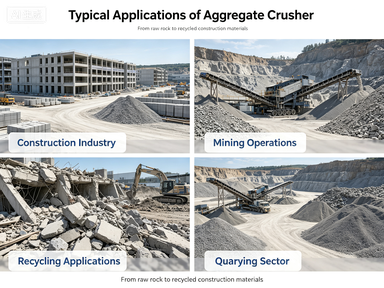
The versatility of the equipment makes it useful in many different fields, including construction, mining, recycling, and quarrying, where it processes materials for concrete, ore, demolition waste, and rock products.
Construction industry:the equipment produces the gravel and sand needed for concrete and asphalt in building projects.
Mining operations:the machine processes ore into a more manageable size for further treatment and extraction.
Recycling applications:the unit breaks down concrete and asphalt from demolition sites for reuse.
Quarrying sector:the product turns blasted rock into saleable products of consistent size and shape.
The Advantages of This Aggregate Crusher
There are several benefits to using our equipment in your workflow, including robust construction, easy maintenance, operational stability, and cost efficiency.
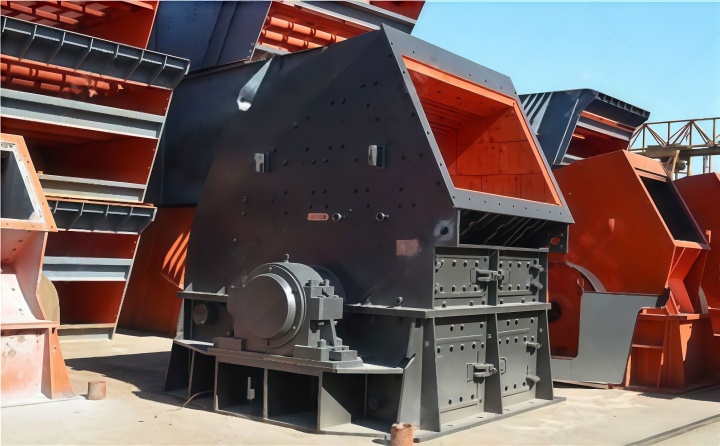
Robust construction:the durable build of the Aggregate Crusher helps it handle the toughest materials without excessive wear.
Easy maintenance:wear parts on this equipment are easily accessible, which reduces service time and effort.
Operational stability:the stable performance of the machine leads to a consistent product shape for better quality control.
Overall efficiency:the efficient design of the product helps in lowering the cost per ton of material processed.
How to Get the Right Aggregate Crusher for Your Project?
Choosing the proper equipment is a critical decision. We have outlined key steps to help you evaluate and select the most suitable unit for your specific needs. This guidance helps your investment deliver the required performance and longevity.
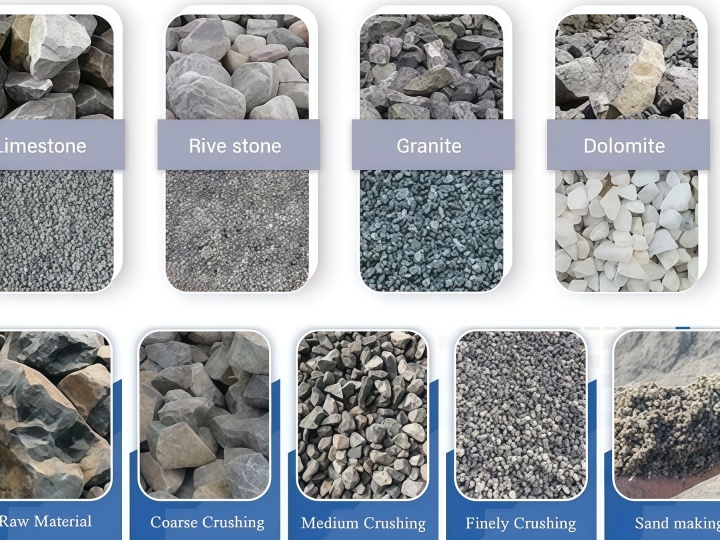
Feed Material Assessment:analyze the hardness, abrasiveness, and moisture content of your raw material, as these factors directly influence the type of equipment you need.
Desired Output Size:clearly define your final product specifications, as this will dictate the crusher setting and chamber configuration required for the machine.
Production Capacity Goals:match the throughput capacity of the product to your operational targets so it can meet your production demands.
Maintenance and Support:consider the ease of maintenance and availability of spare parts for the unit, as this affects operational costs and uptime over the long run.
Frequently Asked Questions About the Aggregate Crusher
How often should I change the wear parts on the equipment?
The frequency depends on the hardness of the material you are crushing and the operating hours. For hard, abrasive rocks, the hammers and liners of the product may need more frequent inspection. A good practice is to check these parts daily for signs of excessive wear. Replacing them before they fail will keep your machine running smoothly and prevent damage to other components.
Can the unit handle wet or sticky materials?
While the equipment is designed for dry materials, some models can handle a certain amount of moisture. However, feeding very wet or sticky material into the machine can cause clogging in the crushing chamber. It is best to evaluate the moisture content of your feed. For consistent results, we recommend using the equipment with dry or slightly damp material.
Is it difficult to adjust the output size of the Aggregate Crusher?
Adjusting the output size on our machine is a simple process. The unit features an adjustment mechanism that allows you to change the discharge opening easily. By adjusting the gap between the crushing parts, you can control the final size of the material from the product. Clear instructions are provided to help you make these adjustments safely and quickly.
What is the typical maintenance schedule for the equipment?
A regular maintenance schedule is key to the longevity of your machine. Daily checks should include lubrication points and a visual inspection of major parts. Weekly, you should inspect the wear parts of the unit for any damage. A more thorough inspection of the entire product, including belts and electrical connections, is recommended monthly. Following this schedule helps avoid unexpected breakdowns.