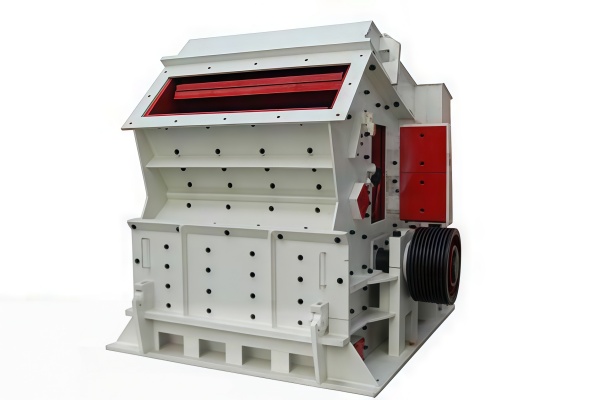
Aggregate Crusher Shipping Guide: Lead Times, Container & Customs
Tuesday August-25 2026 13:45:36
A Southeast Asian quarry operator suffered a $120,000 loss when their ordered Aggregate Crusher was damaged during transit due to a center‑of‑gravity shift that deformed the container. Such incidents are not isolated—over the past three years, more than 60% of Aggregate Crusher shipping delays occurred at the customs clearance stage, and half of those resulted from improper documentation. The shipping data and case references in this article come from the annual report of the China Construction Machinery Industry Association and publicly available transport records from several cross‑border logistics providers. Based on actual shipment data from 127 units, this guide covers delivery lead times, container loading solutions, and customs compliance, with a pre‑shipment checklist at the end.
A single Aggregate Crusher or similar heavy equipment typically weighs between 30 and 100 tons, and its height may exceed the internal clearance of standard containers. Shipping is far from a simple "stuff and ship" operation. From the factory floor to the port and finally to the job site, the entire chain involves production scheduling, container type selection, documentation compliance, and inland transportation—any weak link can stall the entire project.
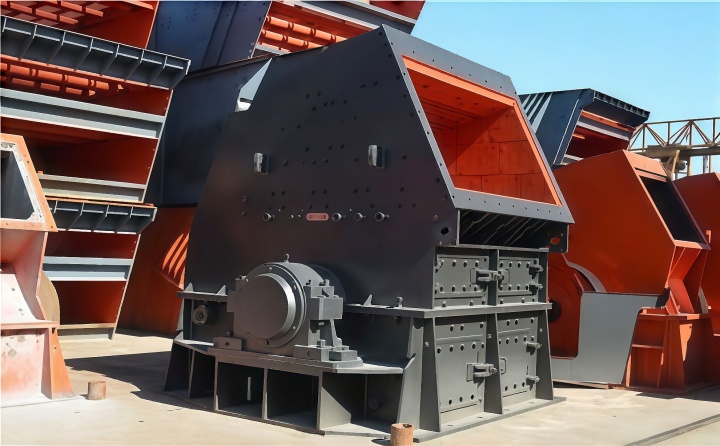
Aggregate Crusher Delivery Lead Times: Adding Up the Three Phases Accurately
The delivery lead time for this equipment consists of three phases: production, testing, and ocean freight. For standard models, the average production cycle is 38 days, while customized configurations—such as track‑mounted units or special conveyor systems—may require 55 to 75 days. For aggregate crushing equipment of this kind, production scheduling is often the most underestimated variable in the whole shipping plan.
Ocean transit time depends on the route: about 6‑8 days to Southeast Asia, 32‑42 days to the West African coast, and 28‑38 days to Europe or the Americas. A commonly overlooked trap is the shipping line's cargo cut‑off time—the Aggregate Crusher must be delivered to the port and cleared for export 48‑72 hours before the vessel's departure. Missing that window means postponing to the next voyage, which could add one to two weeks. Buyers should align production progress with the sailing schedule and reserve at least one week of buffer. Moreover, major ports now strictly enforce SOLAS VGM weight verification; the total gross weight declaration for the container after loading must be accurate, or the shipment will be refused for loading.
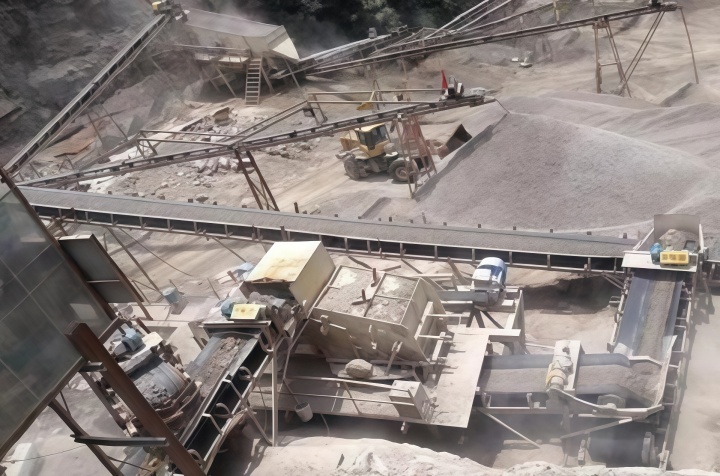
Aggregate Crusher Container Loading: Size Matching and Center‑of‑Gravity Control
The loading plan mainly depends on the equipment's dimensions and weight. Different sizes require different container types and stowage approaches, and center‑of‑gravity control together with size matching are the core prerequisites for safe transport. In addition, after stuffing, attention must be paid to packaging protection for port‑to‑yard shunting and inland haulage, including moisture‑proof covering, shock‑absorbing fillers, and wrapping exposed parts. All wooden pallets and dunnage must comply with ISPM 15 heat‑treatment standards and bear the IPPC mark; otherwise, they may be returned or forced to undergo fumigation at the destination port. These details directly affect the condition in which the equipment arrives at the site.
The 40‑foot high‑cube container suits compact units like small crushers and vibrating screens. The internal height of a 40‑foot high‑cube is 2698 mm, and a PE600×900 jaw crusher with its wooden skid totals close to 2650 mm in height—almost touching the ceiling. During loading, the front‑to‑back center‑of‑gravity deviation must not exceed 5%; otherwise, the rolling motion of the vessel can deform the container floor. For items exceeding standard dimensions, they are generally classified as OOG (out‑of‑gauge) cargo and require alternative shipping methods.
Flat‑rack containers are suitable for large mainframes, such as a GP300 cone crusher or C160 jaw crusher body, but dimensional limits are strict: length no more than 11.8 m, width no more than 2.3 m, and height no more than 2.6 m, with a maximum payload of 40 tons per flat‑rack. Flat‑racks have no roof or side walls, allowing top or side loading/unloading, and are ideal for static oversized components.
Extra‑large stationary units must be disassembled into 8‑12 modules and shipped as break‑bulk cargo (break bulk shipping) or via chartered vessels. The disassembly plan must be confirmed with the manufacturer at the time of ordering. For equipment that cannot be disassembled or where disassembly is too costly, Ro‑Ro (roll‑on/roll‑off) shipping is another option, where the machine can be driven or dragged directly onto the vessel.
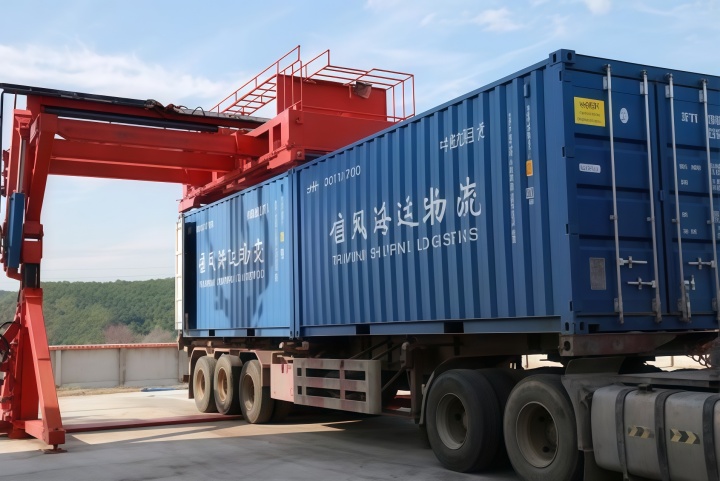
Aggregate Crusher Customs Compliance: HS Code and Documentation Pitfalls
This equipment falls under HS code 8474209000, but tariff implementation varies greatly by country: Indonesia imposes a 7.5% import duty plus 10% VAT, while India levies an additional 35% surcharge. We recommend that you ask the destination customs broker for the current tariff schedule before placing the order, so that you can factor the tax cost into your overall budget before finalising the purchase price.
An Aggregate Crusher shipped to Nigeria incurred an extra penalty of about $43,000 simply because the commercial invoice description did not match the local customs' accepted terminology. Nigerian Customs enforces Form M and PAAR documentation extremely strictly—even a 1% discrepancy between the documents and the actual cargo can result in months of detention at Apapa Port.
A complete documentation package must include the commercial invoice, detailed packing list, bill of lading, and certificate of origin. For shipments to West African countries, Form M and PAAR are also required. The gross weight, net weight, and volume of each item on the packing list must not deviate by more than 3%, otherwise customs inspection may be triggered at the destination. We recommend submitting the full set of documents to the destination customs broker for pre‑clearance at least three weeks before shipment; pre‑clearance can shorten the formal customs process from 10‑20 working days down to 5‑7 working days.
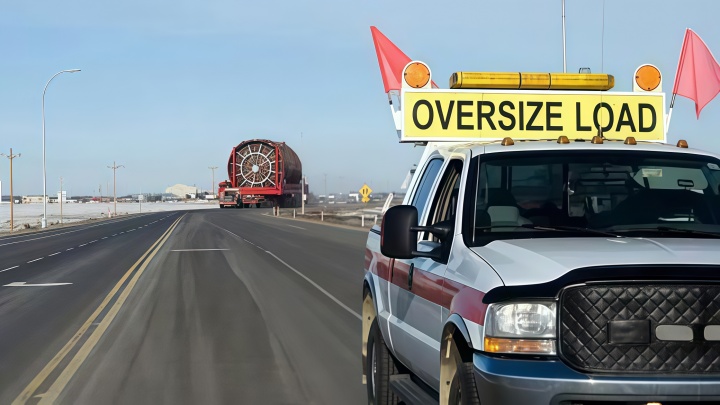
After the equipment arrives at the destination port, inland transportation must be arranged to move the Aggregate Crusher from the port to the job site. This phase involves route survey, bridge load‑bearing assessment, oversized transport permits, and escort vehicles. During the route survey, special attention must be paid to bridge weight limits and overhead height restrictions along the way. It is advisable to finalise the route plan with the local logistics provider before shipment.
Aggregate Crusher Shipping Solution Comparison
| Shipping Method | Applicable Equipment & Examples | Weight Limit | Key Risks |
|---|---|---|---|
| 40‑ft High‑Cube | Small crushers, screens (e.g., PE400×600 jaw) | 26‑28 tons | Center‑of‑gravity deviation >5% |
| Flat‑Rack | Large mainframes (e.g., GP300 cone, C160 jaw) | 40 tons | Insufficient lashing points |
| Break‑Bulk / Charter | Extra‑large complete plants (e.g., 500 t/h and above) | 100+ tons | Complex loading/unloading coordination |
Aggregate Crusher Pre‑Shipment Eight‑Point Checklist
1. Confirm the widest and highest points of the equipment to match the chosen container type.
2. Measure the actual center of gravity so that front‑to‑back weight deviation stays within 5%.
3. Verify the actual tariff rate applicable under HS 8474209000 in the destination country.
4. Confirm under the trade terms who bears demurrage and detention charges and what free‑time days are allowed.
5. Take out all‑risks marine insurance plus loading/unloading coverage, with the insured value matching the declared customs value.
6. Submit the complete set of documents to the destination customs broker for pre‑review at least three weeks ahead.
7. Confirm the shipping line's cargo cut‑off time and allow at least 72 hours for port delivery.
8. Before shipment, drain the fuel tank of the Aggregate Crusher to below the safe level, disconnect the battery, and attach warning labels.
Frequently Asked Questions about Aggregate Crusher Shipping
Q1: What is the claims process if the Aggregate Crusher is damaged during transit?
Immediately take photos as evidence and note the damage on the delivery receipt; notify the insurer within 24 hours. The claims settlement typically takes 30‑60 days, and the compensation is based on the declared cargo value.
Q2: Who bears the demurrage and detention charges if port congestion delays the Aggregate Crusher?
These charges are usually borne by the consignee. We recommend confirming the free‑time period at the destination port before shipment and building in a buffer for unforeseen delays.
Q3: How is the marine insurance premium for an Aggregate Crusher calculated?
The premium is generally 1%‑2% of the cargo value for all‑risks cover, and the insured amount must match the customs‑declared value to ensure smooth claims processing.
Q4: Do import duties on Aggregate Crushers vary widely by country?
Yes, they differ greatly—be sure to ask the local customs broker for the specific rate for your destination and include that tax cost in your overall budget.
Shipping an Aggregate Crusher across borders is a systematic project that tightly links production scheduling, container stowage, and customs compliance. Data from recent years shows that over 60% of delays occur at the customs stage, and nearly half of those stem from inaccurate documentation or incorrect declaration terms.
Delivery lead times affect the project start, container loading affects equipment integrity, and customs documents affect cargo release—any weak link can stall the entire operation. Incorporating the shipping plan at the procurement stage and working through the eight‑point checklist provided here will help you avoid unexpected time and cost overruns. If you need a tailored shipping plan for your equipment, we recommend reviewing each checklist item before finalising the arrangement.