Aggregate Crusher Machine
Aggregate Crusher Machine are used for primary and secondary crushing of stone, ore and construction waste, producing standardized high-quality aggregate materials of varying particle sizes for use in road construction, concrete mixing, building materials and infrastructure projects. Prices typically range from $22,000 to $450,000. Feed opening size: ≤580mm Production capacity: 30-2000 tons/hour Discharge opening adjustment range: 2-70mm Spindle speed: ≤500 rpm Motor power: 75-800kW
What Is an Aggregate Crusher Machine?
Aggregate crusher machine converts blasted natural rock or demolished concrete waste into crushed stone that meets engineering grading specifications for transportation and urban construction projects. This machine handles feed materials from hard quartzite to medium-hard limestone, and the finished aggregates influence the service life of concrete in highway surfaces and high-rise building cores.
Processed stone achieves higher resource utilization, while construction debris that would otherwise occupy landfill space becomes material for subbase layers or brick manufacturing. The main frame is fabricated from dark-gray heavy-duty structural steel, with replaceable high-manganese steel liners at both the feed opening and discharge port. The surface is protected by a double-layer coating system of anti-rust primer and abrasion-resistant topcoat. The main motor connects to the crushing chamber through belt drives or direct coupling.
Aggregate Crusher Machine Video Showcase
How Does an Aggregate Crusher Machine Achieve Efficient Crushing?
The crushing action converts input mechanical energy into compressive or impact forces applied to the rock.
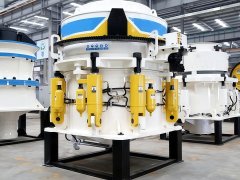
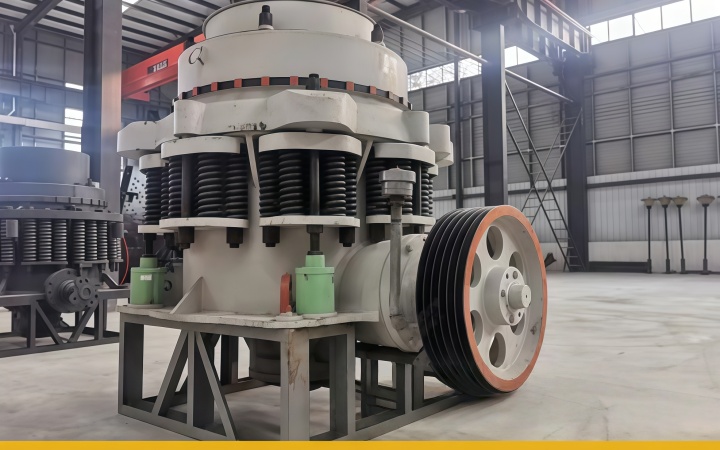
Layer‑pressing chamber type: Material fills the cavity and undergoes repeated compression between the moving cone and the stationary cone, causing the stone to break along natural micro‑cracks and producing well‑shaped particles with low flakiness content.
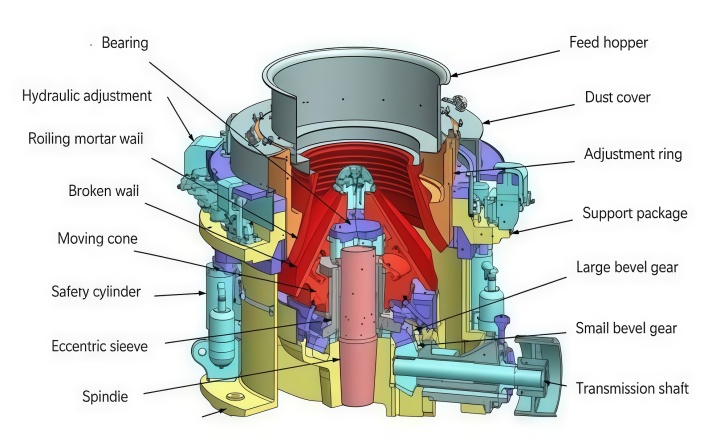
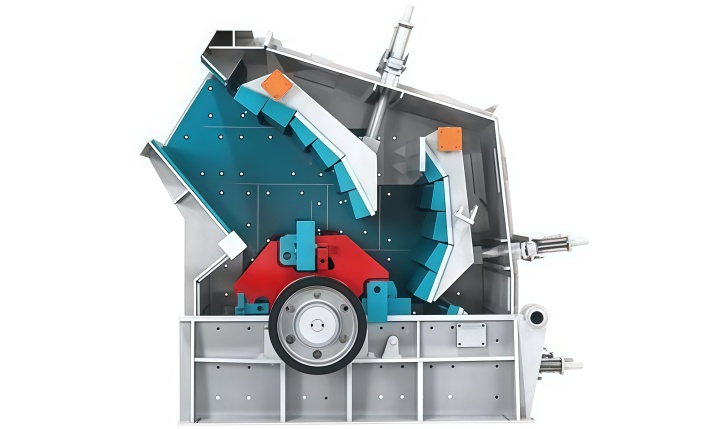
Impact‑style configuration: A high‑speed rotor with blow bars throws rock against impact plates; after initial impact, broken pieces rebound and collide again with incoming feed, creating a continuous secondary crushing cycle that adapts to variations in feed size.
Across both configurations, the discharge opening width adjusts to control output gradation, and the production line runs without interruption under various load conditions.
Technical Specifications of Aggregate Crusher Machine
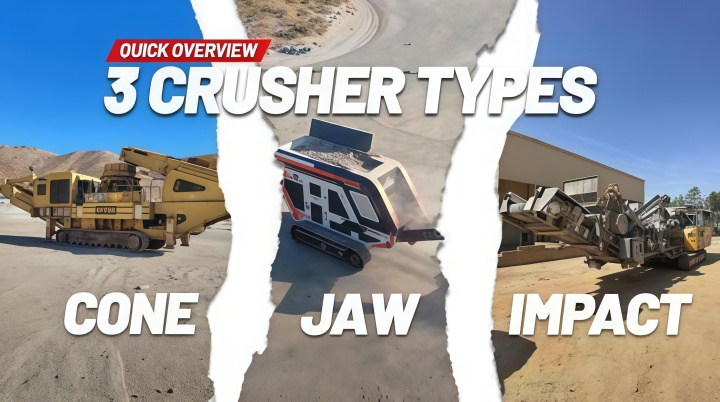
Aggregate crusher machine are divided into Jaw Crusher , Impact Crusher , Hydraulic Cone Crusher, VSI Vertical Shaft Impact Sand Maker . All parameters adopt mainstream Chinese heavy machinery standard data, unit: mm, t/h, kW.
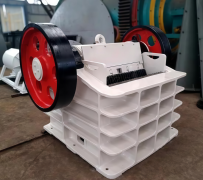
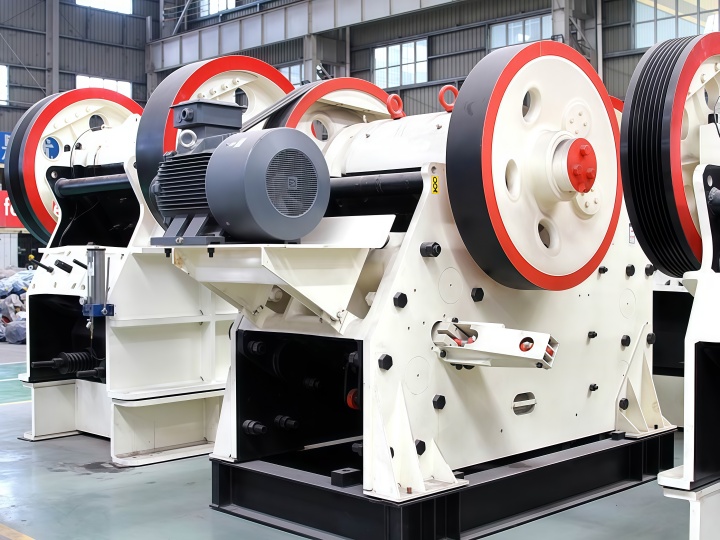
PE Series Jaw Crusher
| Model | Feed Opening (mm) | Max Feed Size (mm) | Discharge Gap Adjustment (mm) | Capacity (t/h) | Motor Power (kW) | Machine Weight (t) | Overall Dimension L×W×H (mm) |
|---|---|---|---|---|---|---|---|
| PE 250×400 | 250×400 | 210 | 20–60 | 5–20 | 15 | 2.8 | 1430×1310×1340 |
| PE 400×600 | 400×600 | 340 | 40–100 | 16–60 | 30 | 6.5 | 1700×1732×1563 |
| PE 600×900 | 600×900 | 500 | 65–160 | 50–120 | 75 | 17 | 2290×2400×2300 |
| PE 750×1060 | 750×1060 | 630 | 80–180 | 110–210 | 110 | 29 | 2760×2640×2800 |
| PE 900×1200 | 900×1200 | 750 | 95–220 | 190–330 | 132 | 50 | 3380×2870×3330 |
| PE 1000×1200 | 1000×1200 | 850 | 100–250 | 240–400 | 160 | 56 | 3600×3100×3600 |
Application: Granite, basalt, limestone, river stone primary crushing for aggregate production
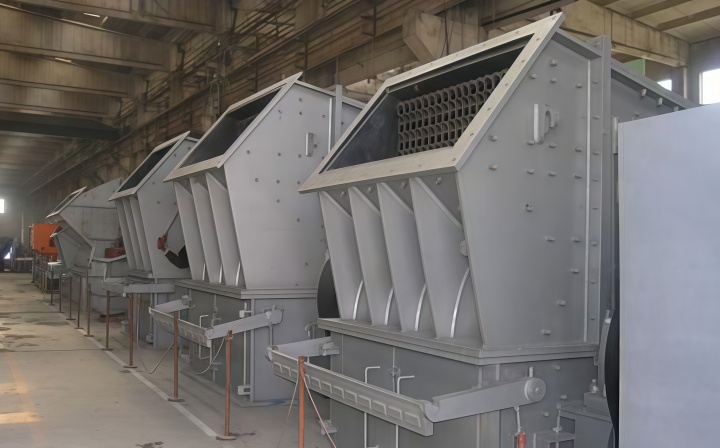
PF Series Impact Crusher
| Model | Rotor Dia. × Length (mm) | Max Feed Size (mm) | Output Size (mm) | Capacity (t/h) | Motor Power (kW) | Total Weight (t) |
|---|---|---|---|---|---|---|
| PF 1010 | Φ1000×1050 | 300 | 0–50 | 70–110 | 110 | 9.5 |
| PF 1210 | Φ1250×1050 | 350 | 0–60 | 100–180 | 160 | 16 |
| PF 1315 | Φ1320×1500 | 450 | 0–80 | 240–350 | 200 | 26.5 |
| PF 1515 | Φ1500×1500 | 450 | 0–100 | 300–500 | 280 | 42 |
| PF 1820 | Φ1800×2000 | 700 | 0–120 | 450–800 | 2×315 | — |
Feature: Low flaky aggregate ratio, ideal for highway & concrete aggregate; fit limestone, dolomite, low-hardness rock
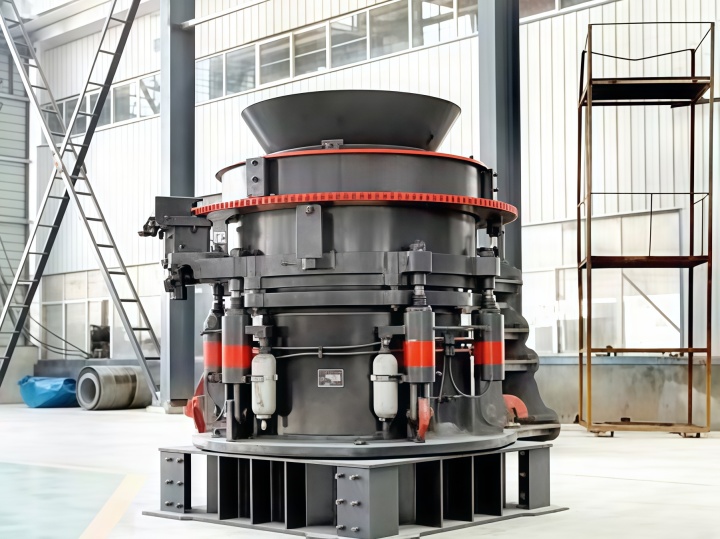
GP Multi-Cylinder Hydraulic Cone Crusher
| Model | Max Feed Size (mm) | Discharge Gap (mm) | Capacity (t/h) | Main Motor Power (kW) | Oil Station Power (kW) | Machine Weight (t) |
|---|---|---|---|---|---|---|
| GP100 | 120 | 10–30 | 40–100 | 132 | 4.5 | 14 |
| GP200 | 180 | 10–30 | 110–200 | 160 | 5.5 | 22 |
| GP300 | 190 | 15–40 | 180–300 | 250 | 7.5 | 36 |
| GP500 | 220 | 20–50 | 300–500 | 315 | 11 | 58 |
Feature: Laminated crushing, finished aggregate cube rate ≥88%, perfect for basalt, iron ore high-hardness aggregate
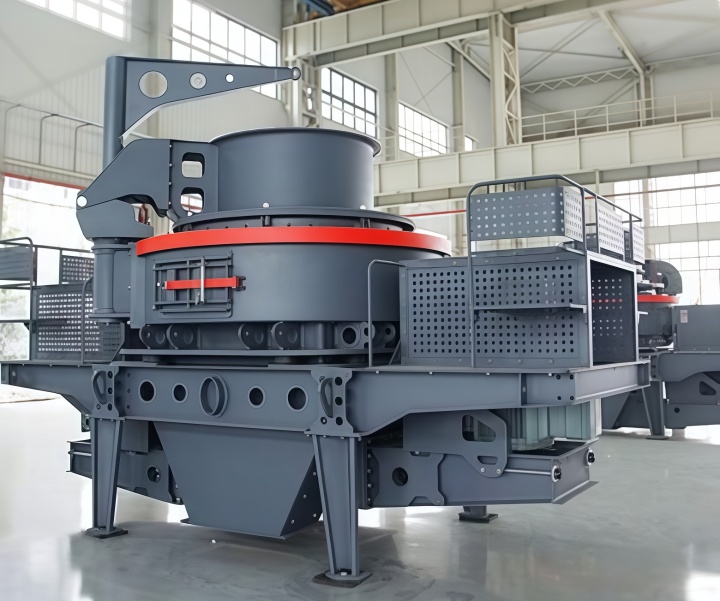
VSI6X Vertical Shaft Impact Crusher
| Model | Max Feed Size (mm) | Throughput Capacity (t/h) | Sand Output (t/h) | Main Motor Power (kW) | Lubrication Station Power (kW) |
|---|---|---|---|---|---|
| VSI6X 9026 | ≤35 | 180–240 | 80–110 | 2×132 | 0.62 |
| VSI6X 1040 | ≤40 | 260–340 | 120–160 | 2×200 | 0.62 |
| VSI6X 1150 | ≤45 | 340–450 | 160–210 | 2×250 | 0.62 |
| VSI6X 1263 | ≤50 | 450–580 | 210–270 | 2×315 | 0.62 |
Application: 0–5mm manufactured sand, high-standard fine aggregate for high-rise concrete, asphalt pavement
What Advantages Does an Aggregate Crusher Machine Offer?
Compared with conventional single-function processing units, aggregate crusher machine delivers value in multiple areas.
Particle shape improvement: The cubical particle shape of finished products reaches a high proportion, which improves concrete pumpability and reduces extra consumption of cementitious materials.
Structural durability: The main frame uses high‑fatigue‑resistance design, and critical mating surfaces are precision‑machined, so the aggregate crusher machine maintains low vibration displacement under heavy impact loads.
Dust control: The fully enclosed crushing chamber, combined with an active positive‑pressure dust collection interface, controls fugitive dust when processing dry materials, and this equipment meets emission control requirements within ecologically sensitive areas.
What Engineering Scenarios Are Aggregate Crusher Machines Mainly Suited For?
Aggregate Crusher Machine covers applications from commercial ready-mix concrete to large-scale national infrastructure.
Urban residential construction: It processes medium‑hard dolomite to supply concrete batching plants with continuously graded coarse and fine aggregates.
Bridge and tunnel projects: The aggregate crusher machine processes highly abrasive diabase, and the resulting crushed stone goes into wear‑resistant surface layers for asphalt pavements.
Hydropower dam sites: It handles extra‑large feed boulders and supplies aggregate for roller‑compacted concrete.
Building demolition recycling: This equipment breaks down reinforced concrete blocks and brick‑mortar mixtures into recycled base materials for municipal sidewalk paving and soft foundation replacement.
How to Choose the Right Aggregate Crusher?
Based on our many years of supplying crushers to aggregate plants , we've found that many manufacturers overstate their capacity figures by 15-20%. Our PE-600×900, for example, consistently delivers 50-60TPH in real-world granite crushing—not the 70TPH some competitors claim. We'd rather give you a number you can actually plan around.
Proper selection of an aggregate crusher machine directly affects the return on investment of the entire production line.
Feed size and output grading: The maximum feed side length and the target output grading curve determine the required reduction ratio and the basic cavity type
Material hardness and abrasiveness: The compressive strength and abrasiveness index of the feed material determine whether wear parts need higher chromium content.
Power supply capacity: The total installed power of the production line and the surplus capacity of the onsite power supply determine whether starting current may cause grid trips.
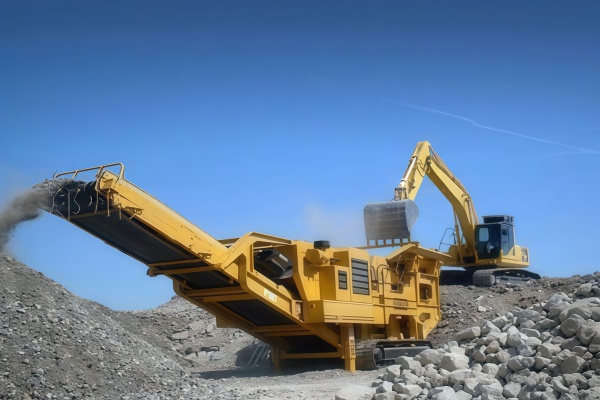
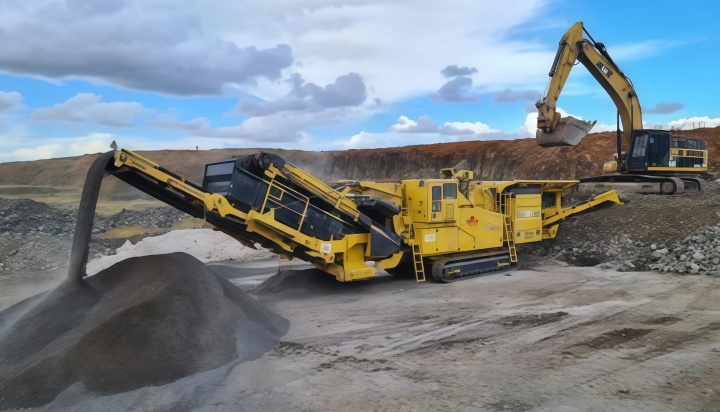
Fixed versus mobile configuration: The site dimensions determine which configuration works better; for projects that frequently move between multiple work sites, the self‑propelled model offers advantages in transfer time.
What Daily Maintenance Points Are Essential for Stable Operation of an Aggregate Crusher Machine?
To prevent unplanned shutdowns that cause production losses, the operating team should establish standardized daily and weekly inspection routines for aggregate crusher machine.
Daily pre‑startup checks: Visual checks of belt tension or coupling alignment are required, along with inspection of oil clarity and oil level in the lubrication sight glass.
Running monitoring: During no‑load start‑up and subsequent load operation, periodic listening with a sounding rod detects rhythmic impact noise from bearing housings or gearboxes.
End‑of‑day cleaning: Compressed air clears accumulated fines from the discharge area, and the remaining thickness of both the bowl liner and mantle liner gets measured.
Weekly in‑depth inspection: The machine stops for opening inspection doors to check uneven wear on impact plates or jaw tooth profiles, and a lead block measures and calibrates the actual zero‑gap of the discharge opening. These routines maintain the aggregate crusher machine's annual overall utilization rate at a reasonably high level.
Supplemental Answers to Common Questions About Aggregate Crusher Machine Usage (FAQ)
Q: How should material buildup in the crushing chamber be handled when the aggregate crusher machine processes high-moisture feed?
Stop feeding immediately and run the machine empty so the rotor's centrifugal force throws out some of the sticky material. If serious blockage occurs, open the access door and use a pneumatic breaker to assist cleaning. Preventive measures include installing a dewatering screen or adjusting the bar spacing of the vibrating feeder at the feed end, while also increasing the discharge opening of this equipment slightly to reduce excessive compaction in the lower crushing chamber.
Q: Does operating this equipment at high altitudes significantly affect its throughput capacity?
High-altitude environments mainly influence motor cooling efficiency and insulation performance, but they do not directly alter the mechanical crushing capability of the crusher itself. The solution is to choose a motor with a high-altitude insulation class and enlarge the cooling fan diameter. After proper high-altitude adaptations, the aggregate crusher machine maintains over ninety percent of its throughput at sites above four thousand meters compared to performance at plain elevations.
Q: Stationary or mobile crusher – which gives better ROI?
Choose stationary for long-term (>5 years) large quarries – lowest cost per ton. Choose mobile for demolition recycling or short-term projects – saves 15–20% haulage cost, payback 6–8 months faster. Under 500,000 tons/year, mobile is typically more profitable.
Q: How long do wear parts last and how to cut daily costs?
Lifespan varies: limestone – jaw/blow bars 4,000–6,000 hrs, cone liners 2,000–3,000 hrs; granite/diabase – 1,500–2,500 hrs for jaws, <1,200 hrs for cones.
Cost tips: Use Mn18Cr2 or ceramic parts for 30–50% longer life; rotate blow bars weekly; apply hardfacing every 40 hrs; maintain choke-feed to avoid metal-to-metal wear.
Q:What's your typical lead time for a crusher order?
Standard PE series: 15-20 working days. Custom orders: 25-35 days depending on specifications. We keep common wear parts in stock for fast replacement.
Q:Do you offer on-site installation and training?
Yes. We send 1-2 engineers to your site for installation supervision and operator training. Travel and accommodation are covered by the customer.