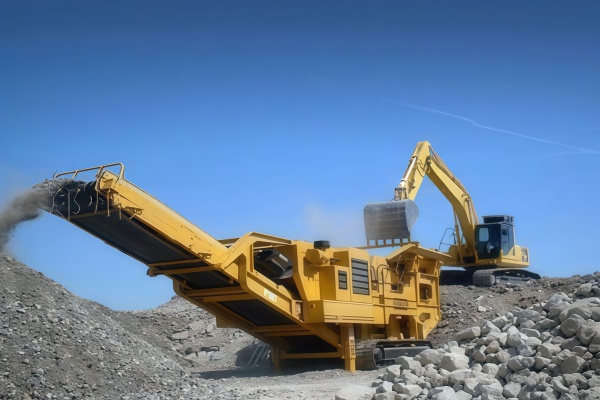
2026 Aggregate Crusher Machine Price Guide – Cost Range & Factors
Saturday August-22 2026 09:14:32
An Indonesian buyer once received two quotes for an Aggregate Crusher Machine : $395,000 and $512,000. He chose the cheaper one. Two years later, that machine had cost him nearly $70,000 more than the expensive one—not paid upfront, but trickling out slowly through premature liner wear, underperformance, and unplanned downtime.
This is not an isolated case. Over five years and 17 projects across Indonesia, Nigeria, and Kazakhstan, I have watched same‑capacity projects pay for themselves in two years while others remained in the red after three. The difference was never the machine price itself. It was the selection logic. This guide answers one question: when purchasing an Aggregate Crusher Machine, where does your money actually go, and how do you spend it wisely?
Quick Answer:
| Machine Type | Price Range | Reference |
|---|---|---|
| Small Jaw Crusher | $15,000‑$60,000 | Industry quotes |
| Medium to Large Jaw Crusher | $70,000‑$250,000 | Industry data |
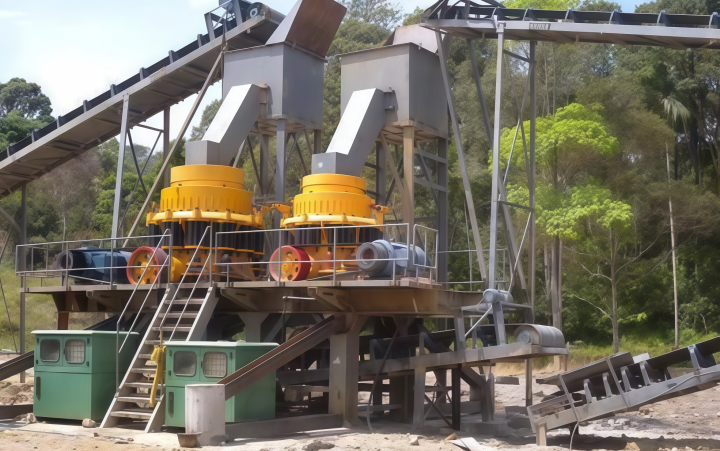
| Cone Crusher | $20,000‑$1,500,000+ | Duma 2026 Guide |
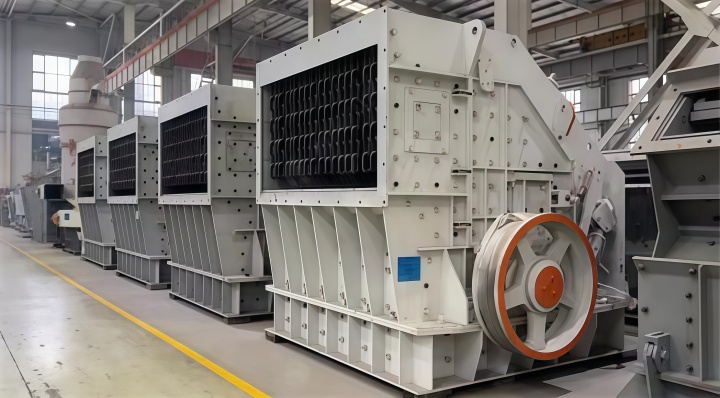
| Impact Crusher | $40,000‑$180,000 | Industry data |
| Complete 200 TPH Fixed Plant | $380,000‑$520,000 | Project data |
| Mobile Crushing Station | 100%‑200% premium over fixed | Duma 2026 Guide |
The quote is not the finish line. Delivery, installation, and operations each add cost. The following sections walk through a real procurement process to show where the money goes.
Quoting Phase: Where Do Price Differences Come From
When you receive a quote for an Aggregate Crusher Machine, the first question is: why do two machines with the same capacity have such different price tags? Three variables explain the gap: material hardness determines the equipment selection path, automation level determines the premium on the base price, and the mobile versus fixed choice determines the overall investment structure. These factors often interact, producing quotes that differ by hundreds of thousands of dollars for the same nominal capacity.
According to Research and Markets' Crushers Market Report 2026, the global crusher market will grow from $2.14 billion in 2025 to $2.29 billion in 2026, at a 6.6% CAGR. The Aggregate Crushing Equipment market was valued at $6.4 billion in 2025 and is projected to reach $11.5 billion by 2034.
The first source of price variation is material hardness. This is where buyers most frequently stumble. In 2025, a 350 TPH granite project in Indonesia—material exceeding 200 MPa—was configured with a jaw and cone crusher combination, costing roughly $650,000. Another Indonesian project, processing andesite at 150 MPa with 510 TPH capacity, cost only $500,000—23% less despite 50% higher capacity. The reason is that material hardness dictates a completely different equipment configuration. Use an impact crusher for granite, and blow bar life can drop from 800 to 200 hours.
The second source is automation level. In March 2026, Metso introduced the Nordberg HPe series, delivering 15% higher throughput and 35% higher crushing force with real‑time automation. Full automation typically adds 8% to 18% to equipment cost. One Philippine project that adopted full automation reduced operators from six to three, saving nearly $40,000 in labor costs in the first year.
The third source is mobile versus fixed. Mobile stations carry a 100% to 200% premium over fixed equipment. If your project life is under three years, the concrete foundation savings from a mobile unit can offset the premium. If it exceeds five years, fixed equipment has a lower total cost.
Contracting Phase: What Is Not on the Quote
Before signing a contract, experienced project managers verify three cost items that are never listed on the quote. When you purchase an Aggregate Crusher Machine, the difference between FOB and CIF pricing can add $20,000 to $50,000 in shipping costs. The liner material grade directly affects replacement frequency and downtime costs over the coming years. And the spare parts lead time determines how long your operation could be at risk during an unexpected failure. Each of these can push the final bill far beyond the original budget.
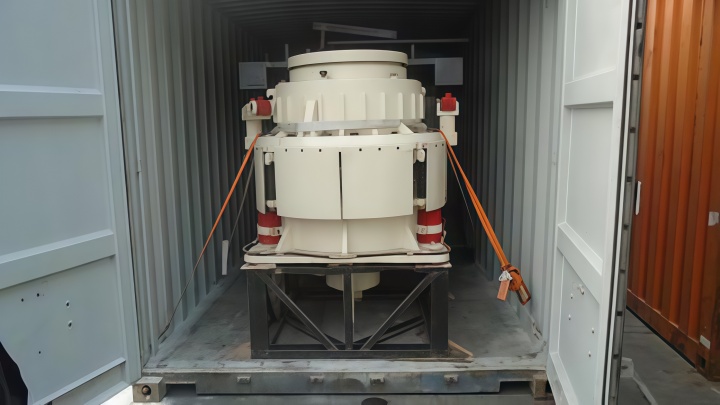
First, FOB versus CIF. An FOB quote covers only the ex‑factory price. A CIF quote includes freight and insurance. A 40‑foot container from a major Chinese port to Jakarta costs roughly $1,200 to $1,500 in ocean freight, plus destination handling and brokerage fees—totaling $2,000 to $3,500. A 40‑ton cone crusher shipped as breakbulk costs even more.
Second, liner material. Upgrading from Mn13 to Mn18 increases price by roughly 12% but extends service life by 25% to 40%. The global Crusher Wear Parts market was valued at $3.07 billion in 2025 and is projected to reach $4.32 billion by 2032.
Third, spare parts lead time. Shipment from China to landlocked African countries can take 45 to 60 days. If liners fail during that window, downtime losses range from $2,500 to $8,000 per day.
Delivery Phase: The Real Cost of Shipping and Customs
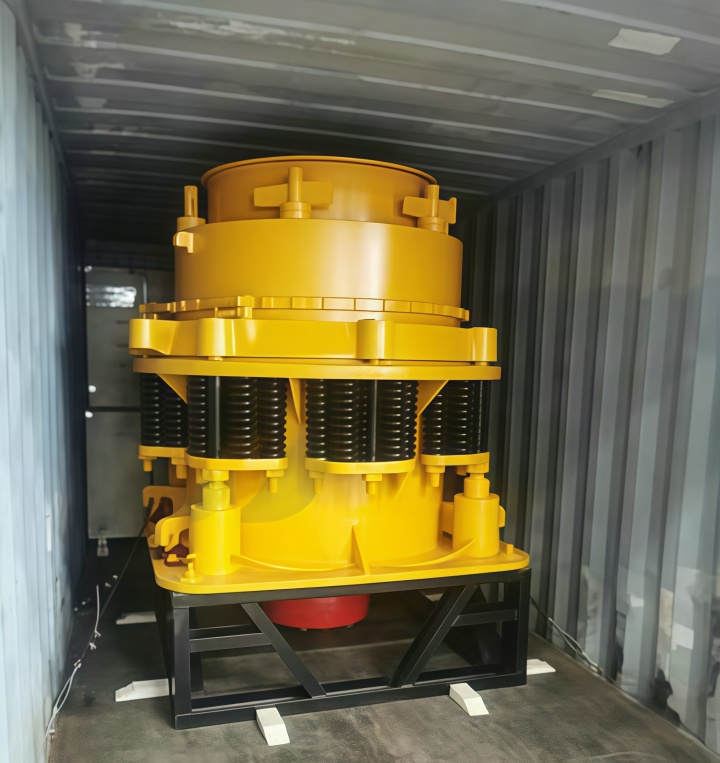
Once a 40‑ton cone crusher arrives at the destination port, the real challenge begins. Shipping an Aggregate Crusher Machine across borders involves more than just freight costs. Sea and inland freight can consume 15% to 25% of the equipment price, while import duties vary from 0% to as high as 52.5%.
A concrete example: shipping a 40‑ton cone crusher from a Chinese port to a landlocked African country can cost 15% to 25% of the equipment price in freight alone. For a mobile station, oversized transport may require special permits. Simply asking your supplier whether they have a long‑term customs broker at the destination port can save you considerable trouble.
In 2025, global crushing machinery exports totaled approximately $18.6 billion, with Germany, Japan, and China as the top three exporters.
Installation Phase: Concrete and Steel Costs
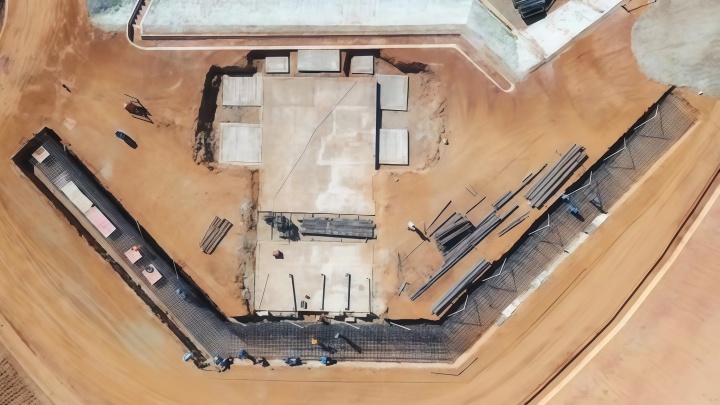
After equipment arrives, the next step is installation. Installing an Aggregate Crusher Machine requires careful planning for civil works. For a fixed crushing plant, civil works include concrete foundations, structural steel, electrical cabling, and access platforms.
CFTC, based on over 30 delivered projects, notes that civil works for a fixed plant typically account for 15% to 25% of total project cost. A 200 TPH fixed plant requires 200 to 400 cubic meters of concrete. At $200 to $300 per cubic meter, concrete alone costs $40,000 to $120,000—excluding rebar, formwork, and labor. Mobile equipment eliminates the concrete foundation, but site leveling and commissioning still cost $5,000 to $15,000.
Operations Phase: The Long‑Term Ledger
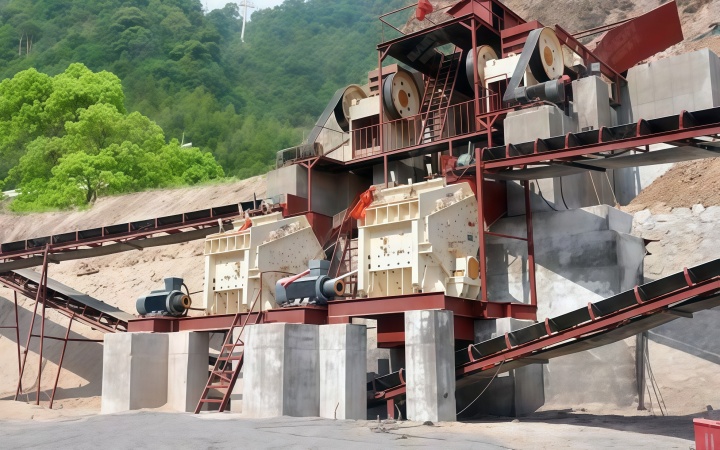
This is the largest and most underestimated cost category. A 200 TPH Aggregate Crusher Machine consumes significant electricity annually, and liner replacement costs are equally staggering—a 500‑hour difference in liner life can translate to hundreds of thousands of dollars in annual cost variation. Together, these two expense lines often exceed the equipment's purchase price within three years.
Consider electricity. A 200 TPH Aggregate Crusher Machine typically has a total motor power of 300 to 500 kW. Operating 10 hours per day at $0.12 per kWh, annual electricity costs run $130,000 to $220,000. Over three years, that is $390,000 to $660,000—already exceeding the purchase price.
Now consider liners. For a gyratory crusher processing 5 million tons per year, a 500‑hour difference in liner life translates to $300,000 to $800,000 in annual cost variation. If one cone crusher's liners last 1,200 hours and another's last 2,100 hours, at $22,000 per liner set, annual liner replacement costs differ by $24,000. Over five years, that is $120,000.
A Real Project's Three‑Year Ledger
In 2025, a 200 TPH andesite crushing project in Central Java, Indonesia, entered equipment selection. Selecting an Aggregate Crusher Machine based solely on price is a common mistake. Two suppliers submitted proposals. The table below shows the actual data that emerged over two years of operation.
| Item | Equipment A | Equipment B |
|---|---|---|
| Initial Quote | $395,000 | $512,000 |
| Liner Life | ~1,200 hours | ~2,100 hours |
| Annual Liner Replacements | 2.5 times | 1.4 times |
| Annual Liner Cost | $55,000 | $30,800 |
| Operators | 6 persons | 3 persons |
| Annual Labor Cost | $48,000 | $24,000 |
| Three‑Year Total Cost | $754,000 | $681,200 |
Equipment B cost $117,000 more upfront, but after three years, its total cost was $72,800 lower. The expensive machine turned out to be the cheaper one. When I followed up in 2026, the line was operating at over 92% availability.
Frequently Asked Questions
Which type of Aggregate Crusher Machine should I choose for hard rock versus soft rock?
For hard rock like granite and basalt, choose a jaw plus cone combination. For softer rock like limestone, an impact crusher produces better particle shape.
How do I choose between a mobile Aggregate Crusher Machine and a fixed plant?
If your quarry life exceeds five years and the feed source is fixed, choose fixed. If your project is short‑term or requires frequent relocation, choose mobile.
Is a used Aggregate Crusher Machine worth buying?
Always request complete maintenance records, total operating hours, and overhaul history. A well‑maintained used machine can offer good value, but a neglected one can bring high repair costs.
What should I focus on beyond the equipment price when buying an Aggregate Crusher Machine?
Ask three questions: expected liner life, hourly electricity consumption, and spare parts lead time to your country. The purchase price accounts for only a small portion of the total lifecycle cost.
Closing Thoughts
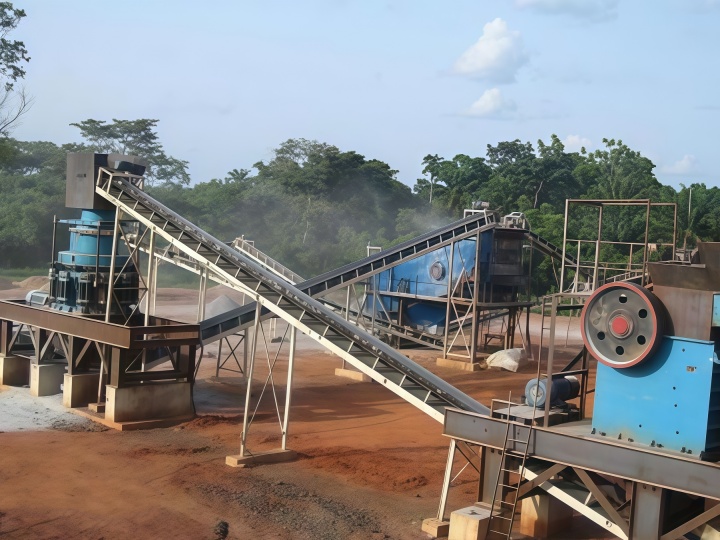
Purchasing an Aggregate Crusher Machine in 2026 is no longer about comparing quote numbers. From the $2.29 billion global market to the Indonesian project's liner cost comparison to the $3 billion annual wear parts market—every data point points to the same truth: the purchase price is just the entry ticket. Cost per ton is the final measure.
If your project is in the selection phase, take these six parameters—nominal versus peak capacity, feedstock hardness, product specifications, daily operating hours, site power conditions, and spare parts lead time—and bring them to your suppliers. Calculate every cost line before you sign.