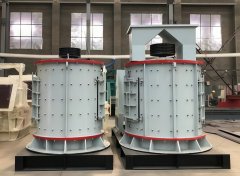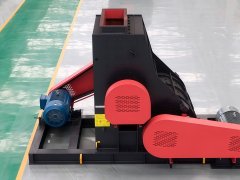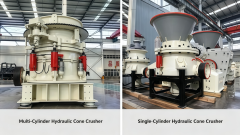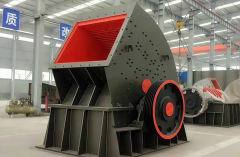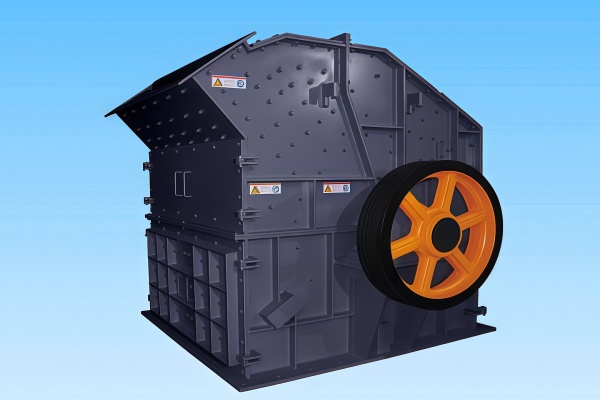
Stone Crusher Machine
Stone Crusher Machine are used for secondary and fine crushing of large stone blocks, producing high‑quality aggregates of varying particle sizes for use in the construction, building materials, and mining industries. Prices typically range from $25,000 to $480,000. Feed opening size: ≤520mm Production capacity: 30‑2000 tons/hour Discharge opening adjustment range: 3‑60mm Spindle speed: ≤460 rpm Motor power: 75‑710kW
What is a Stone Crusher Machine?
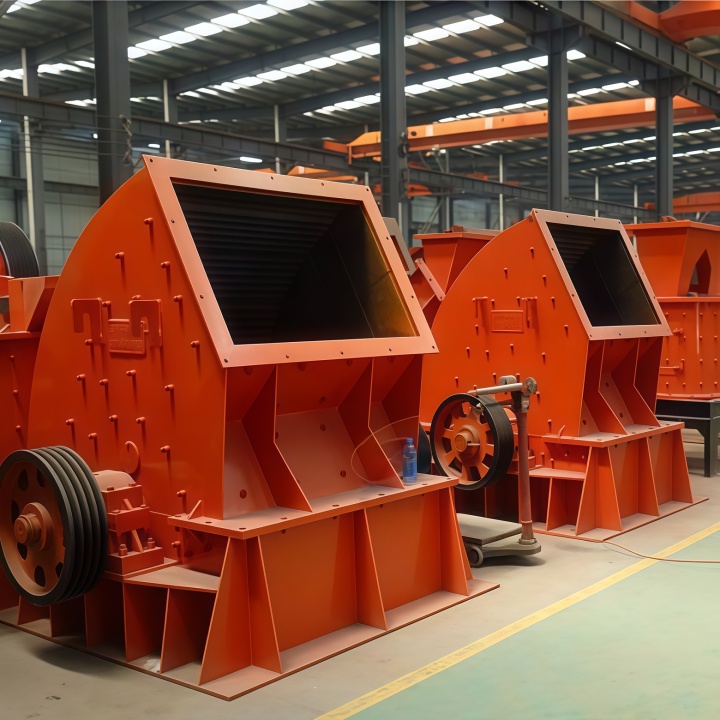
Stone Crusher Machine is heavy-duty industrial equipment used to break large rocks, ores, and construction waste into smaller, uniform particles. It serves as core production machinery in mining, infrastructure, and building materials manufacturing. Whether feeding sand-making lines or preparing aggregates for concrete production, this equipment improves material handling efficiency and reduces manual labor risks. Selecting the right Stone Crusher Machine is key to controlling project costs and ensuring smooth operations.
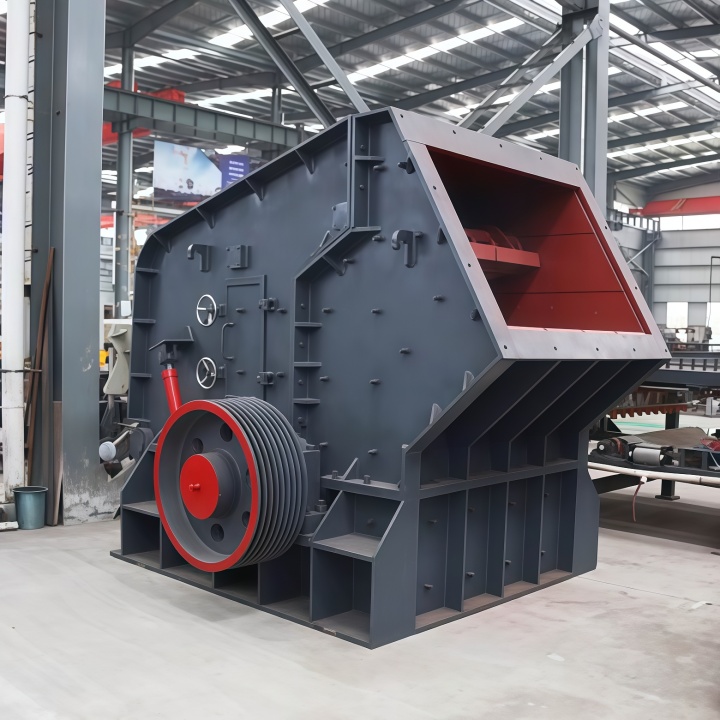
Stone Crusher Machine Video Showcase
How Does a Stone Crusher Machine Work?
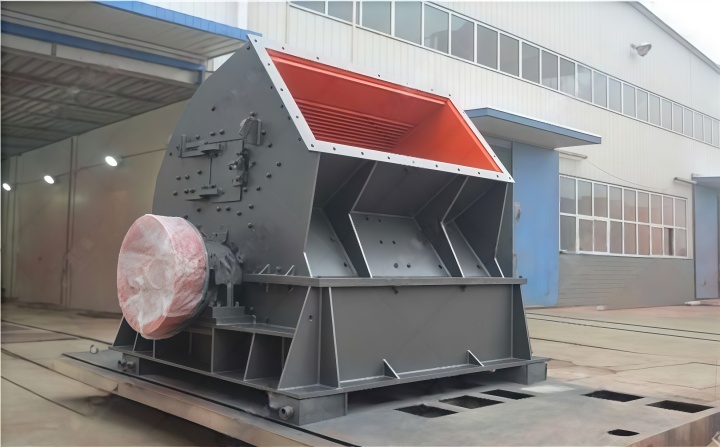
Stone Crusher Machine uses kinetic energy and mechanical force to crush materials. The key steps are:
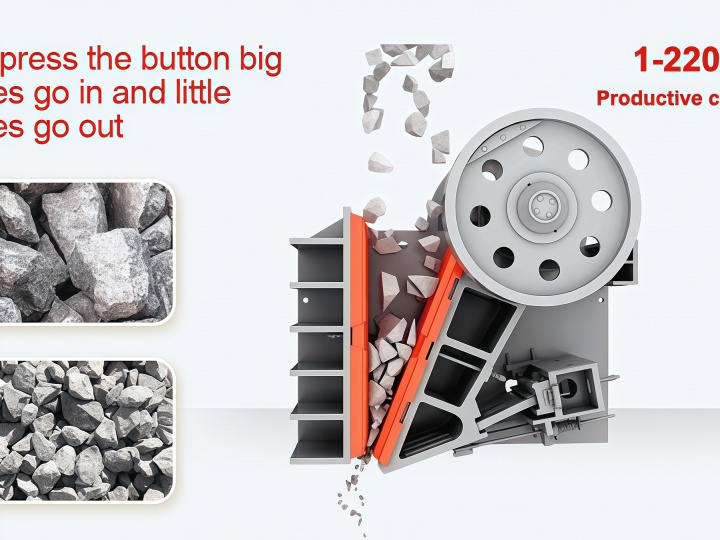
Material enters the crushing chamber through the feed opening.
A high-speed rotor with fixed impact bars strikes the incoming material.
The material is then thrown against impact plates for secondary crushing.
Repeated impacts, collisions, and grinding reduce the particle size.
Material exits from the bottom once it reaches the preset size.
Operators can adjust the gap between the impact plates and the rotor to control output size, allowing the Stone Crusher Machine to adapt to different production needs.
Stone Crusher Machine Technical Specifications
The following technical specifications are based on general industry data and cover several commonly used models for reference during selection. Actual capacity may vary depending on material characteristics, feeding method, and site conditions.
| Model | Feed Opening (mm) | Max Feed Size (mm) | Discharge Setting (mm) | Capacity (t/h) | Motor Power (kW) | Weight (t) |
|---|---|---|---|---|---|---|
| PE-250×400 | 250×400 | 210 | 20-60 | 5-20 | 15 | 2.8 |
| PE-400×600 | 400×600 | 340 | 40-100 | 16-60 | 30 | 7.0 |
| PE-500×750 | 500×750 | 425 | 50-100 | 40-110 | 55 | 12.0 |
| PE-600×900 | 600×900 | 500 | 65-160 | 50-180 | 55-75 | 17.0 |
| PE-750×1060 | 750×1060 | 630 | 80-140 | 110-320 | 90-110 | 29.0 |
| PE-900×1200 | 900×1200 | 750 | 95-165 | 220-450 | 110 | 52.0 |
| PE-1200×1500 | 1200×1500 | 1020 | 150-300 | 400-800 | 160 | 100.9 |
| PEX-150×750 | 150×750 | 120 | 18-48 | 8-25 | 15 | 3.8 |
| PEX-250×1000 | 250×1000 | 210 | 25-60 | 16-52 | 30 | 7.0 |
| PEX-300×1300 | 300×1300 | 250 | 20-90 | 16-105 | 55 | 15.6 |
Note:The above specifications are reference values under standard operating conditions, with capacity calculated based on medium-hardness material at a bulk density of 1.6t/m³. For accurate parameters and selection recommendations tailored to your specific materials, please contact our technical support team, and we will provide a configuration plan based on your requirements.
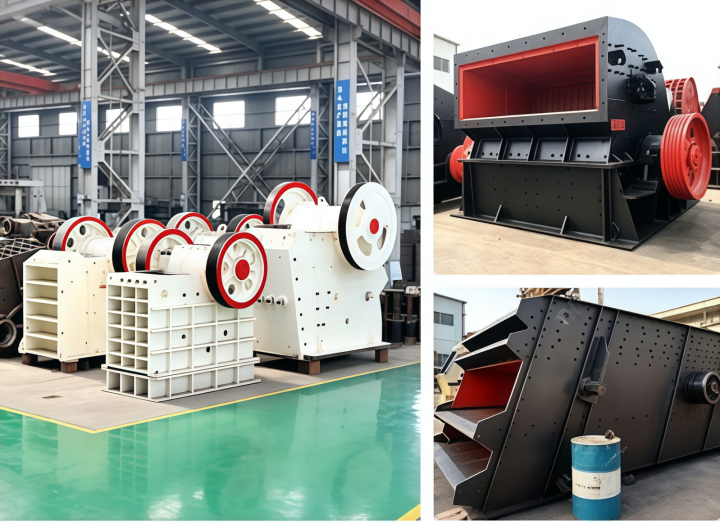
The Features of a Stone Crusher Machine
This equipment has several features in its design and manufacturing that give it a certain level of competitiveness among similar products.
Strong processing capacity: It can handle a relatively large volume of material within a given time frame, making it suitable for continuous production environments. The combination of its chamber design and rotor speed allows the crushing ratio to be maintained at a relatively high level.
Durable construction:Key components such as the rotor, hammers, and liners are made from wear-resistant materials that can withstand the impact and abrasion of materials. This helps extend the service life of the equipment, reduce the frequency of parts replacement, and thereby control maintenance costs.
Flexible adjustment: To accommodate different materials and output size requirements, the discharge opening adjustment of this equipment is relatively convenient to perform. Operators can complete adjustments within a short time, allowing the equipment to adapt to various production tasks.
Relatively stable operation:The structural design has been optimized to keep vibration and noise levels within acceptable ranges during operation. The configuration of lubrication and sealing systems helps protect internal components, allowing the equipment to maintain stable working condition over extended periods.
What Are the Application Scenarios for a Stone Crusher Machine?
This equipment is suitable for multiple industrial fields and can meet different material processing needs.
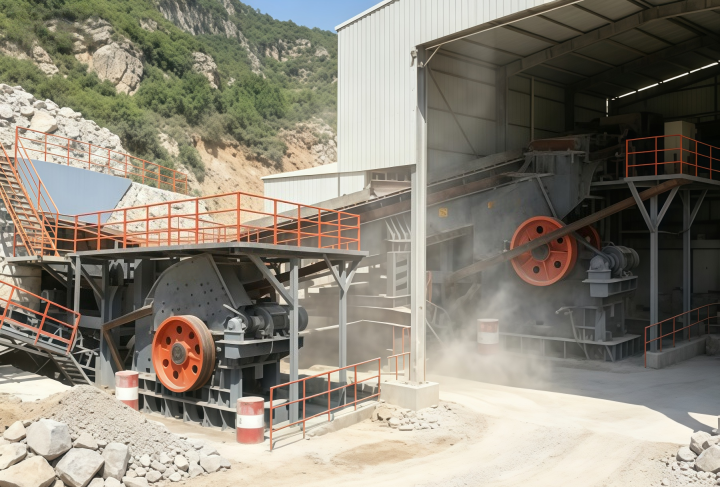
Mining and metallurgy: In the crushing stages of metal and non-metal ore processing, it is used to break down mined ore to a size suitable for grinding or beneficiation. Choosing the right model helps improve the effectiveness of subsequent processes.
Construction and infrastructure:In projects such as highways, railways, and bridges, this equipment is used to crush rock into concrete aggregates and road construction materials. Its output stability has a certain impact on project progress and material quality.
Sand and aggregate production: In manufactured sand production lines, this equipment can process materials such as river pebbles, granite, and limestone into construction sand.
Chemical and building materials industries: It can be used to crush materials such as gypsum, phosphate rock, and refractories, providing suitable feed particle sizes for subsequent grinding or chemical reactions.
How to Choose the Right Stone Crusher Machine
| Comparison Dimension | Jaw Crusher | Cone Crusher | Impact Crusher |
| Suitable Material Hardness | Any hardness | Medium to high hardness | Low to medium hardness |
| Output Grain Shape | Average | Good | Excellent |
| Maintenance Cost | Low | Medium | High |
| Initial Investment | Low | High | Medium |
Operating Experience: Tips for Keeping a Stone Crusher Machine in Good Condition
In actual use, the following practices can help keep the equipment in good working condition:
Maintain uniform feeding: If the feed rate fluctuates significantly, output particle size may become inconsistent and equipment load will vary. Adjusting the vibrating feeder to operate smoothly before material enters the crushing chamber allows for a relatively uniform feed thickness.
Inspect impact plates regularly: When output particle size begins to coarsen, the cause is often worn edges on the impact plates rather than a equipment malfunction. Adjusting the gap or replacing worn components can restore normal crushing performance.
Adjust settings for moist materials: For materials with higher moisture content, adjusting the ventilation or discharge port settings at the bottom of the chamber can reduce the likelihood of clogging.
Attention to these details helps maintain stable operating performance over extended periods.
Frequently Asked Questions About the Stone Crusher Machine
Q: How long is the service life of the wear parts?
A: The service life depends on material hardness, operating hours, and maintenance practices. Our equipment uses wear-resistant materials for key components, with service life at a moderate-to-high level among similar products. We provide maintenance manuals and replacement cycle tables to help you manage spare parts inventory.
Q: What are the common operational issues with a Stone Crusher Machine?
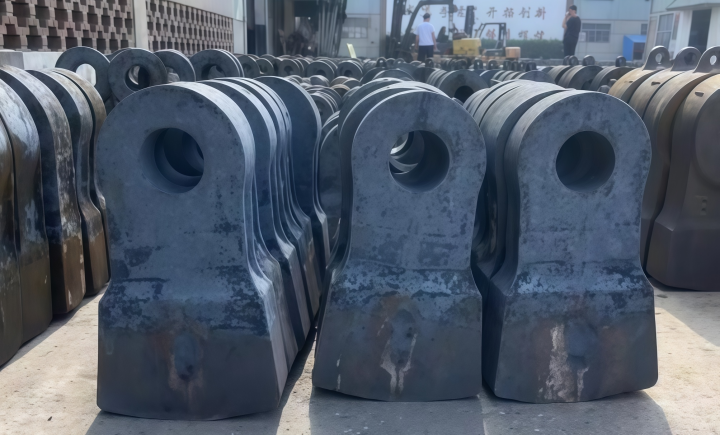
A: Common issues include coarsening of output size, increased vibration, and rising bearing temperature. Coarsening usually relates to wear on impact plates or hammers—regular inspection and timely replacement can resolve this. Increased vibration may be due to rotor imbalance or loose bolts, so check and tighten regularly. Rising bearing temperature often stems from poor lubrication or impurities in the feed—maintain proper lubrication and remove foreign materials from the feed. Early awareness of these issues helps operators take timely action.
Q: Can this equipment be used in outdoor open-air environments?
A: Yes. The structure is designed for outdoor environments such as mines and quarries, with main components having protective capabilities against wind, sand, rain, and temperature variations. This product is suitable for outdoor crushing operations, with corresponding assurances for stability and reliability.
Q: What is the price of a stone crusher machine?
A: The price of a stone crusher machine ranges from $5,000 to $150,000 depending on type, capacity, and configuration. Contact us with your specific requirements for an accurate quote.
Q: Do you provide installation and training for a stone crusher machine?
A: Yes, we provide on-site installation guidance and operation training for your stone crusher machine to ensure your equipment runs smoothly from day one.