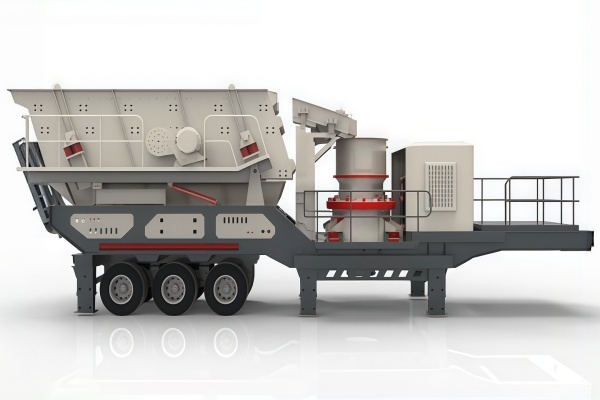
Wheeled Mobile Crusher vs Tracked Mobile Crusher: Which Saves More?
Tuesday August-25 2026 09:29:51
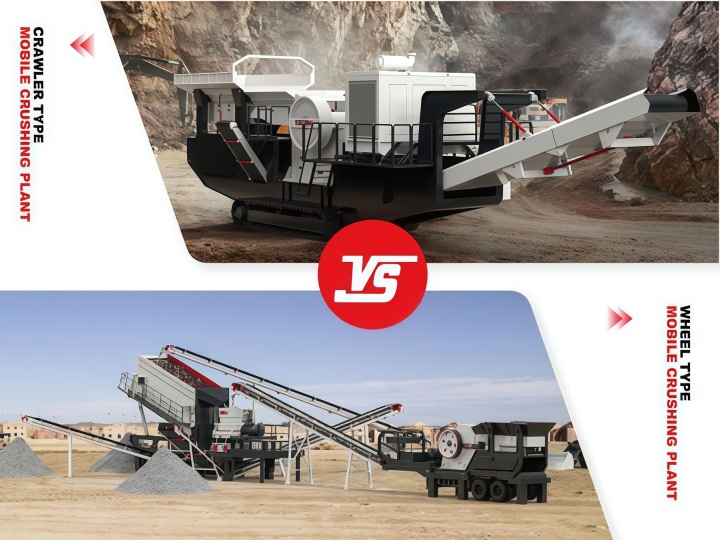
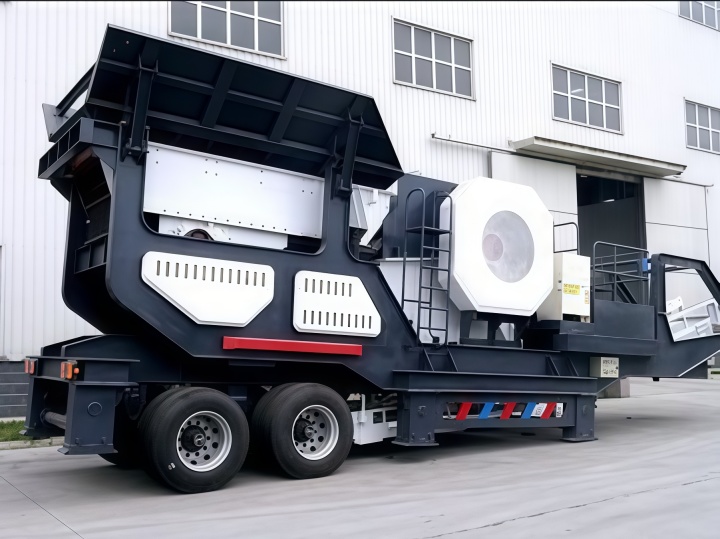
Mobile crushing equipment is transforming aggregate production and construction waste recycling operations. Wheeled Mobile Crusher and Tracked Mobile Crusher are the two mainstream machine types, both built around "mobility" as a core selling point, but their undercarriage systems and power sources are fundamentally different. The former relies on tire chassis and a tractor head for relocation, while the latter uses hydraulic tracks for self‑propelled movement.
Many buyers focus only on the price tag, overlooking the key variables that truly impact costs over the long operational lifecycle—fuel, maintenance, relocation efficiency, and site adaptability. Simply put, in projects with stable electricity access and hard‑ground conditions, the Wheeled Mobile Crusher offers a lower five‑year total cost of ownership. In mines, muddy sites, and other challenging terrains, the Tracked Mobile Crusher is the irreplaceable choice. This article compares five dimensions—initial investment, operating costs, maintenance costs, setup time, and terrain adaptability—to help you determine which equipment type saves more over the full lifecycle.
Initial Investment: Wheeled Mobile Crusher Has a Lower Entry Barrier
According to public pricing data from Agg‑Net and multiple international manufacturers, the Wheeled Mobile Crusher requires a lower initial investment than a Tracked Mobile Crusher of comparable capacity. Track‑mounted units typically cost 30% to 50% more due to their complex hydraulic travel systems and heavy‑duty track undercarriages. The track system alone accounts for 15% to 25% of the total equipment cost.
For example, a 200‑ton‑per‑hour Wheeled Mobile Crusher typically falls in the US$200,000 to US$350,000 range, while a Tracked Mobile Crusher of the same capacity generally ranges from US$300,000 to over US$500,000. The lower purchase price means less capital pressure upfront. However, what you save at the buying stage may be consumed by higher operating expenses down the road.
Operating Costs: Wheeled Mobile Crusher Shows a Clear Energy Advantage
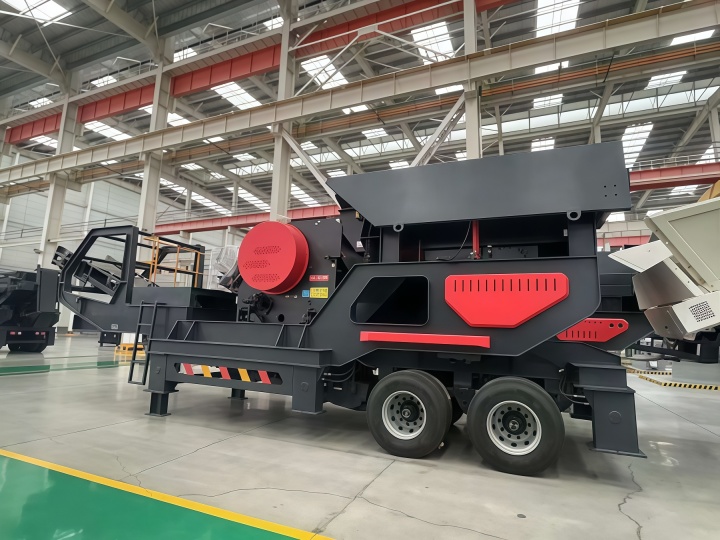
The Wheeled Mobile Crusher is typically electrically powered and can be connected directly to the grid. Industrial electricity rates are lower than diesel fuel prices, making the daily energy cost of the Wheeled Mobile Crusher significantly lower than that of the diesel‑powered Tracked Mobile Crusher.
Tracked crushers are equipped with large diesel engines. SBM, a well‑known international manufacturer, recorded fuel consumption of 34 to 46 liters per hour on its new track‑mounted crusher model. Industry data from major brands generally ranges from 40 to 55 liters per hour. At a global average industrial diesel price of US$0.80 to US$1.00 per liter, hourly fuel costs run between US$32 and US$55. In comparison, the wheeled unit's 200–315 kW electric motor consumes approximately 180 to 280 kWh per hour. At an average industrial electricity rate of US$0.08 to US$0.12 per kWh, the hourly electricity cost is only US$14 to US$34. Industry analysis indicates that an all‑electric setup can save US$17,500 to US$25,000 per year compared to a diesel‑powered alternative.
In addition, frequent on‑site repositioning further increases fuel consumption for tracked units. If a project requires frequent short‑distance moves to follow the working face, the fuel bill accumulates quickly. The Wheeled Mobile Crusher relies on a tractor for relocation, and the crushing operation itself consumes no travel fuel, making its energy cost structure more predictable.
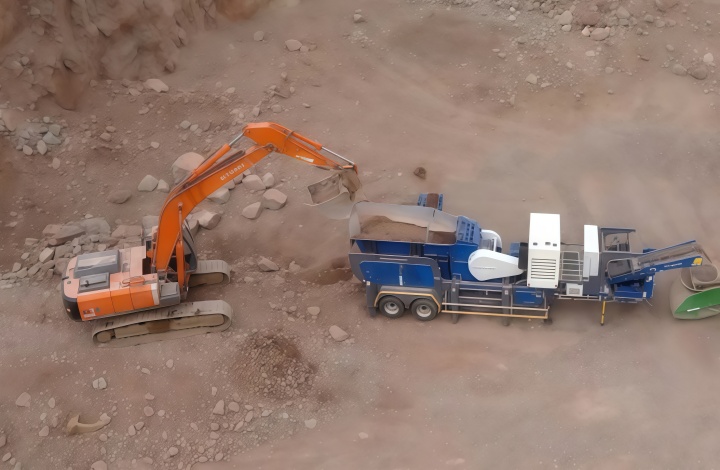
Maintenance Costs: Track Systems Are a Long‑Term Burden
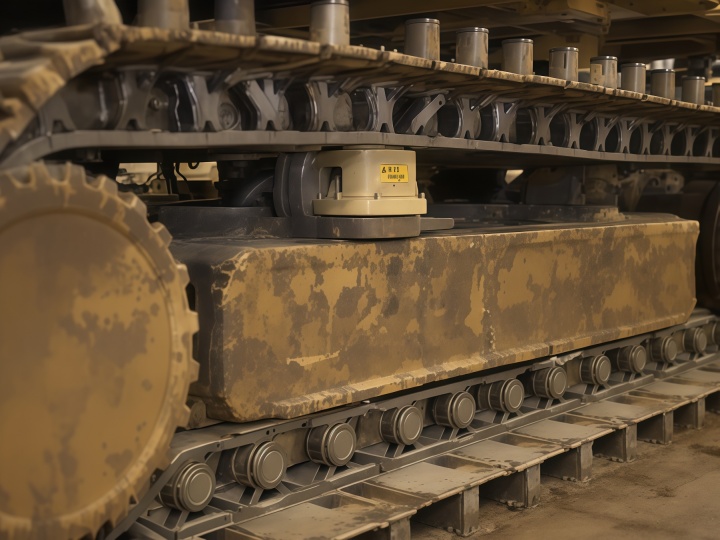
The tires, axles, and braking systems of the Wheeled Mobile Crusher are relatively simple to maintain, and replacement parts are widely available. The Tracked Mobile Crusher's track system, however, is more complex and costly to service. International mining equipment maintenance data shows that a complete track system replacement costs between US$8,000 and US$20,000, with a typical service life of 2,000 to 5,000 hours depending on ground hardness. If only the track pads need replacing, each pad costs approximately US$200 to US$300.
Over a five‑year operating period, track system maintenance and replacement for a Tracked Mobile Crusher can accumulate to US$30,000 to US$60,000. In contrast, the tire system of a Wheeled Mobile Crusher typically lasts 8,000 to 15,000 hours under normal conditions, with much lower replacement and maintenance costs.
However, the Wheeled Mobile Crusher has limited traction on soft ground. Data from specialized undercarriage suppliers shows that tire ground pressure ranges from 0.25 to 0.5 MPa, making it prone to slipping or sinking during rainy‑season quarry operations. The Tracked Mobile Crusher's ground pressure can be as low as 0.02 to 0.05 MPa, significantly reducing the risk of sinking under the same conditions.
Quick Decision Comparison Table
| Comparison Dimension | Wheeled Mobile Crusher | Tracked Mobile Crusher |
|---|---|---|
| Initial Investment | US$200,000‑350,000 | US$300,000‑500,000+ |
| Energy Cost per Hour | US$14‑34 | US$32‑55 |
| Ground Pressure | 0.25‑0.5 MPa | 0.02‑0.05 MPa |
| 5‑Year Maintenance Cost | ~US$10,000‑20,000 | ~US$30,000‑60,000 |
| Best Application | Hard ground, grid power available | Mines, muddy sites, frequent moves |
Five‑Year Total Cost of Ownership Comparison
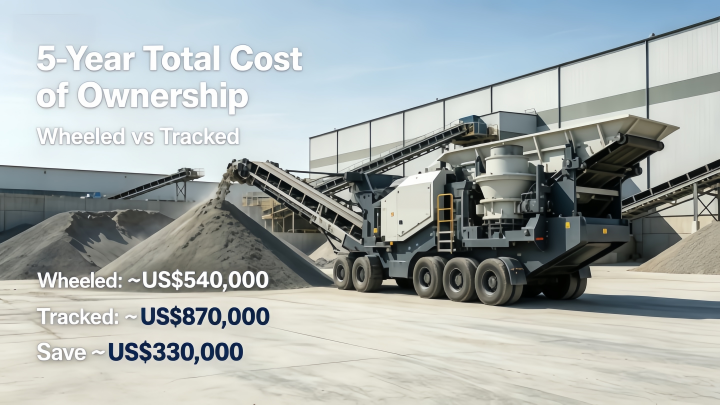
Using the same 200‑ton‑per‑hour model as the baseline, assuming 2,000 operating hours per year over a 5‑year period, the Wheeled Mobile Crusher's total five‑year cost is approximately US$540,000. The Tracked Mobile Crusher comes to about US$870,000. Under identical project conditions, choosing the wheeled unit saves roughly US$330,000 over five years, recovering the initial price difference by the second year of operation. However, this calculation assumes stable grid power and hard‑surface site conditions. If the project site lacks these prerequisites, the track‑mounted unit—though more expensive—may be the only workable option.
A real‑world example: An overseas project placed a Wheeled Mobile Crusher on sandy riverbank ground. The equipment gradually sank as the machine's weight combined with the stockpile load caused the tires to settle. After three days, the tires had sunk more than 20 centimeters into the sand. The operator had to bring in an excavator to pull the unit out and spent an additional week pouring a concrete pad to harden the ground. The downtime losses and rental costs far exceeded the upfront price difference of choosing a track‑mounted unit instead.
Common Selection Mistakes
Common errors in equipment selection generally stem from focusing on a single factor while neglecting a holistic assessment of operating conditions. The following four mistakes are frequently encountered by Wheeled Mobile Crusher users in actual projects.
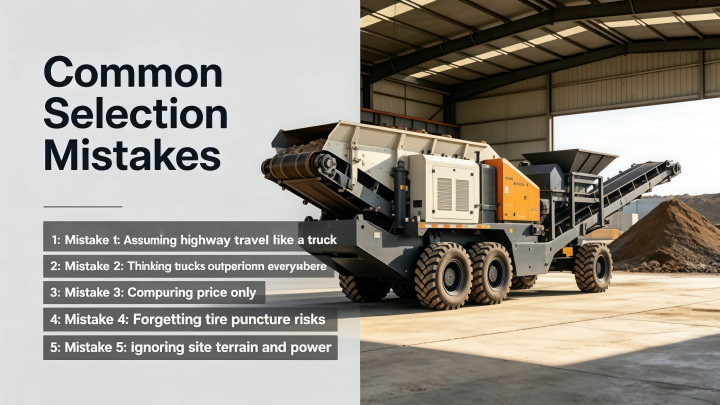
Mistake 1: Assuming the Wheeled Mobile Crusher can travel on highways like a regular truck. The equipment's weight exceeds road load limits, and cross‑region relocation still requires oversize/overweight transport permits.
Mistake 2: Believing the Tracked Mobile Crusher outperforms wheeled models on every terrain. On hard surfaces and over long‑distance relocations, tracks are slower and consume more fuel.
Mistake 3: Comparing only purchase prices without calculating lifecycle costs. Industry data shows that initial purchase price accounts for only 30% to 40% of total cost of ownership, with the remainder coming from energy and maintenance.
Mistake 4: Deploying the Wheeled Mobile Crusher directly in construction and demolition waste sorting yards. Rebar and other sharp metal objects can puncture tires. Replacing a single mining‑grade tire costs between US$1,500 and US$3,000.
FAQ
Q1: Can a Wheeled Mobile Crusher be towed by a standard pickup truck?
No. A Wheeled Mobile Crusher weighs several dozen tons and requires a heavy‑duty tractor head to move safely.
Q2: Does a Tracked Mobile Crusher consume more fuel when moving frequently on site?
Yes, relatively more. Frequent short‑distance movements increase fuel consumption, which is one reason its operating costs are higher than those of wheeled units.
Q3: Does a Wheeled Mobile Crusher require special permits for long‑distance relocation?
Yes. The equipment exceeds standard road weight limits, and cross‑region transport still requires oversize/overweight permits.
Q4: Is a Tracked Mobile Crusher always better than a Wheeled Mobile Crusher on muddy ground?
Yes. The track‑mounted unit's lower ground pressure provides better flotation on mud and slopes, while wheeled units tend to lose traction under these conditions.
Closing Remarks
Whether the Wheeled Mobile Crusher or the Tracked Mobile Crusher saves more money depends entirely on the job site. The former offers lower purchase price, lower energy consumption, and simpler maintenance—making it suitable for hard‑ground projects with stable power access. The latter has irreplaceable advantages in complex terrain and high‑frequency relocation scenarios. Five‑year total cost data shows that under ideal conditions, the wheeled unit can recover its price difference by year two.
We recommend that buyers thoroughly evaluate site terrain and power availability, and calculate total lifecycle costs before making a decision. For a more detailed cost estimate tailored to your specific project, feel free to reach out for further discussion.