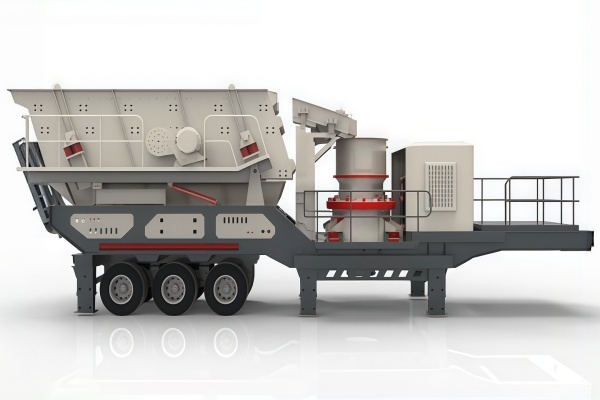
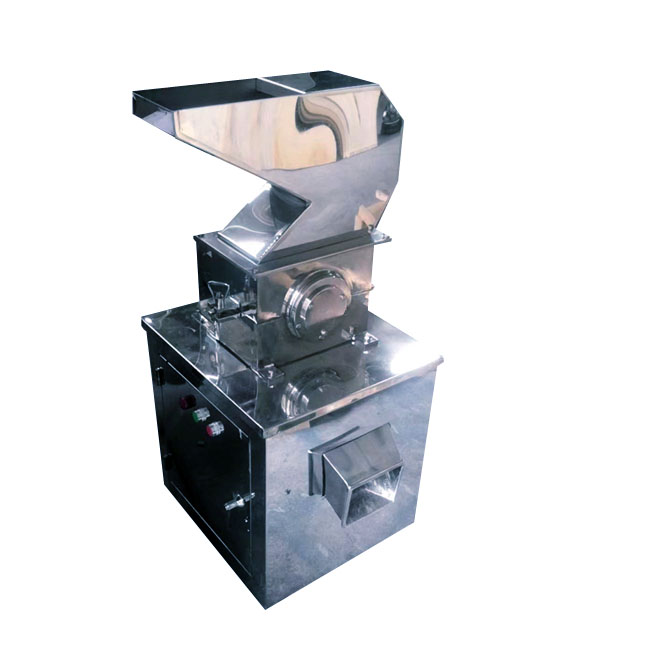
Wheeled Mobile Crusher Maintenance Guide: Daily Checks, Wear Parts and Cost-Saving Tips
Tuesday August-25 2026 09:32:11
The daily inspection, part replacement, and cost control for each Wheeled Mobile Crusher directly affect its output and operational return.
Under high‑frequency operation, breakdowns often occur without warning. Wear parts are frequently replaced without scientific basis, driving up per‑ton crushing costs. With environmental and energy standards tightening in 2026, reactive maintenance losses can quickly exceed expectations.
This article provides a field‑tested, full‑cycle maintenance guide for the Wheeled Mobile Crusher, covering daily operating details, wear‑part replacement thresholds, and fuel management. The goal is stable operation with the ability to handle common site emergencies.
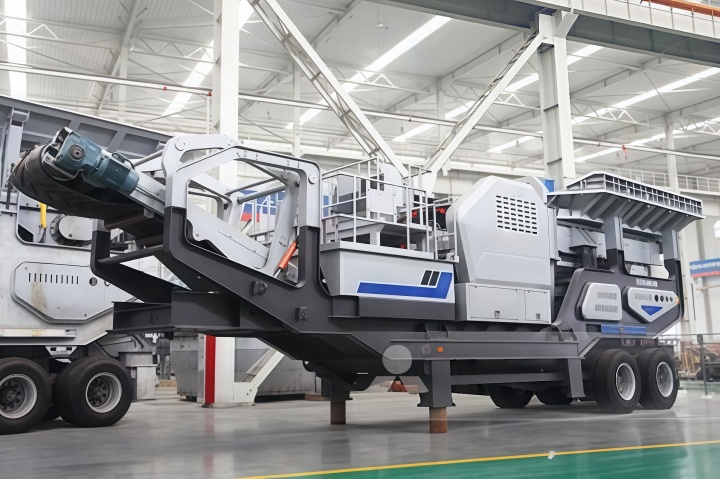
Daily Inspections for the Wheeled Mobile Crusher: Three Windows You Must Verify by Hand and Eye
Verifying the hydraulic breather valve, conveyor belt tracking, and fastener alignment marks with your own hands gives earlier warning than instruments alone.
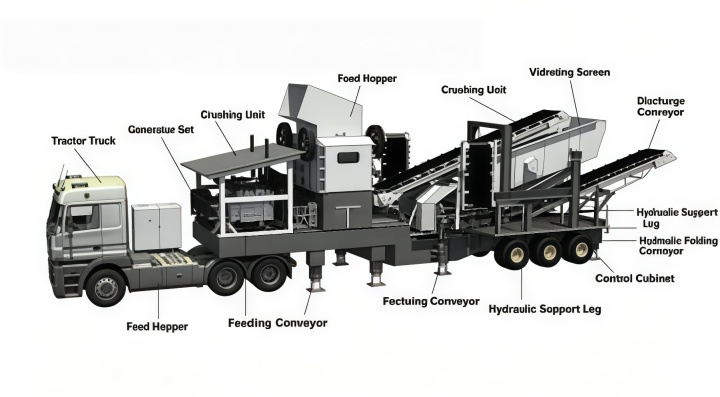
The hydraulic breather valve is the first critical window. In environments with large daily temperature swings, a blocked breather creates a vacuum in the tank, causing the main pump to wear faster from cavitation. Touch the valve port with your finger and feel for steady, alternating airflow. The oil level gauge is only a reference and cannot replace this physical check.
The second window is conveyor belt tracking on the carrying rollers. During empty running, watch whether the belt runs straight. An S‑pattern oscillation often indicates slight settlement of the frame's bottom beam. Adjust the tension screw immediately; delaying just days can cause belt edge tearing.
The third window is anti‑loosening marks on all exposed fasteners. Use a marker to draw a straight line across each bolt head and its mounting surface, then scan these lines before every start‑up. A misaligned line is direct evidence of structural fatigue.
These three windows take about fifteen minutes total. According to 2019 maintenance logs from an Australian open‑pit mine, fleets that strictly followed this check reduced annual unscheduled downtime by roughly sixty percent compared to those that did not.
Wear‑Part Replacement for the Wheeled Mobile Crusher: Calculate the Economic Threshold
Replacing wear parts requires balancing cost and risk. Replacing too early increases expenses; replacing too late may incur much higher losses.
For jaw crusher plates, when the top tooth profile has worn to forty percent of its original height, the closed‑side setting adjustment range narrows. Forcing the setting tighter reduces throughput and raises the risk of main shaft bearing damage from tramp iron pressure. A practical indicator is the wear pattern: once longitudinal scoring shows transverse cracks, the jaw plate has entered extended service and replacement preparation should begin.
In 2008, a Western Australian iron ore processing plant failed to replace an overly worn jaw plate in time, causing fatigue fracture of the main shaft assembly. According to the country's mining safety investigation report, the incident shut down the line for seven days, with repair costs reaching approximately sixty‑eight thousand US dollars. A new set of jaw plates at that time cost only nineteen hundred US dollars.
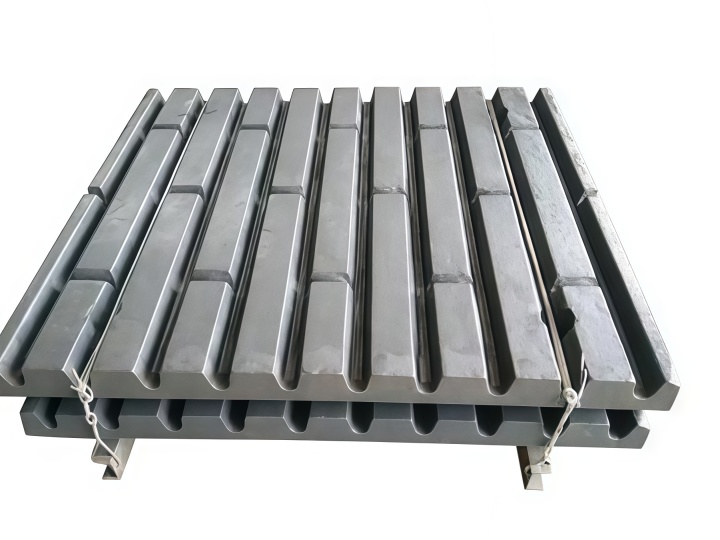
For impact crusher blow bars, monitor weight loss. When weight loss reaches twenty‑five percent, the finished product's flakiness index rises noticeably. Replacing blow bars at this point typically costs less than potential losses from product quality fluctuations.
It is recommended to perform a three‑dimensional scan of main wear parts every five thousand tonnes of material processed, and establish a dedicated wear record for each Wheeled Mobile Crusher. Delaying replacement to extend service life may instead cause collateral damage to surrounding components, leading to even higher repair costs.
Five Common Operational Pitfalls That Raise Costs for the Wheeled Mobile Crusher
What often drives up daily operating costs is not maintenance itself, but five common pitfalls: improper grease selection, starting under full load, adjusting belt tension by feel, stopping immediately when the screen clogs, and ignoring the fuel‑to‑production ratio curve.
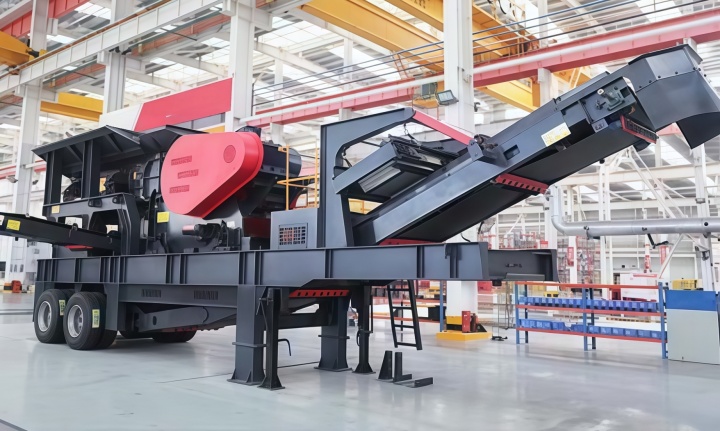
The first pitfall is using grease indiscriminately. Some operators use the same lithium‑based grease all year. In summer under heavy load, its dropping point is too low, leaving bearings poorly lubricated. Select an extreme‑pressure compound grease with a dropping point not below one hundred eighty degrees Celsius, based on local maximum ambient temperature.
The second pitfall is starting under full load. Field measurements show that starting the Wheeled Mobile Crusher under full load consumes three times the fuel of an empty start, and stresses the battery and starter motor more. Waiting five minutes after stopping before turning off the main power can reduce system load on the next start.
The third pitfall is adjusting V‑belt tension by feel. Too little tension wastes power through slipping; too much adds extra radial load on bearings. ISO 5285 specifies that pressing the belt at its midpoint should produce a deflection of fifteen to twenty millimeters as the acceptable range.
The fourth pitfall is stopping immediately whenever the screen clogs. Most partial blockages can be cleared by adjusting the feed direction and slightly reducing rotor speed, allowing material's own gravity to dislodge the buildup.
The fifth pitfall is ignoring changes in the fuel‑to‑production ratio curve. A sudden steepening of this curve usually indicates internal wear or material buildup inside the crushing chamber. This is one of the more subtle warning signals from the Wheeled Mobile Crusher.
Three Hazardous Moments During Shutdown for the Wheeled Mobile Crusher
Safety risks most often arise during three seemingly routine moments: before disconnecting hydraulic lines, when leaving the machine during blockage clearing, and after the day's work without performing temperature checks.

The first moment to watch is before disconnecting any hydraulic line. Residual pressure can reach dozens of megapascals, and a high‑pressure oil spray can cause serious injury. Wait until the pressure gauge reads zero, then manually operate the relief valve twice to confirm no residual pressure remains.
The second moment is during blockage clearing. Even if stepping away for only a few minutes, take the start key and attach a maintenance tag. If someone else starts the machine unaware that you are inside, the consequences can be severe. This lock‑out tag‑out procedure must be followed every time.
The third moment is the end‑of‑day temperature check. Touch the four wheel‑end reducers with the back of your hand. If one feels distinctly hotter than the other three, it indicates possible brake drag on that side. If not addressed that evening, the wheel hub may overheat and catch fire during the next loaded relocation.
These three safety points, combined with daily inspections and wear‑part management, form a comprehensive safety and maintenance framework for the Wheeled Mobile Crusher.
Daily Quick‑Check List for the Wheeled Mobile Crusher
The core check items from the three windows are condensed into a quick‑reference list for each day before starting work. Print and laminate this list and keep it in the cab.
Touch the breather valve port to confirm steady airflow. Observe belt tracking on carrying rollers during empty running. Scan all exposed bolt anti‑loosening marks for misalignment. Inspect all four tire sidewalls for bulges or cuts. Confirm fresh grease is extruding from each lubrication point with no darkening.
After all five items pass, start the engine and idle for three minutes. Only when all instrument readings are in the green range should normal production begin.
Key Data at a Glance for the Wheeled Mobile Crusher
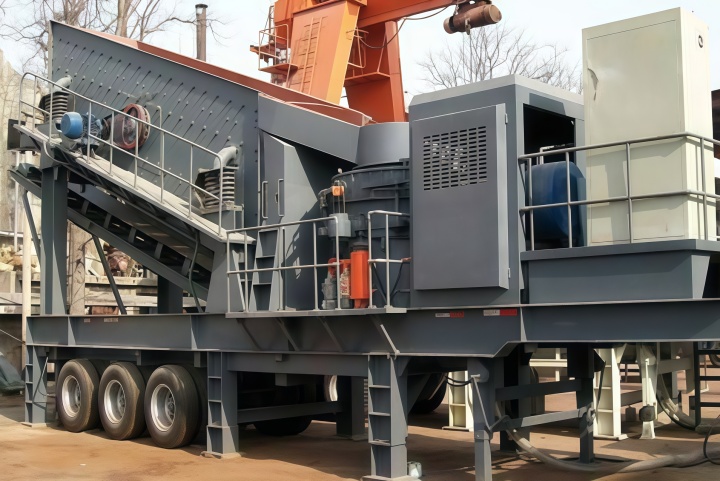
The critical values mentioned throughout the article are summarized below for quick reference. Jaw plate residual height below forty percent: prepare for replacement. Bearing housing surface temperature warning line: seventy‑five degrees Celsius; if temperature rises more than five degrees Celsius within thirty minutes, consider a cooling shutdown. Acceptable belt deflection under thumb pressure: fifteen to twenty millimeters. Three‑dimensional wear‑part scanning interval: every five thousand tonnes. Minimum idle warm‑up time: three minutes. Keeping these six data points on record gives a solid basis for tracking machine condition.
Five Most Frequent Mistakes in Wheeled Mobile Crusher Maintenance
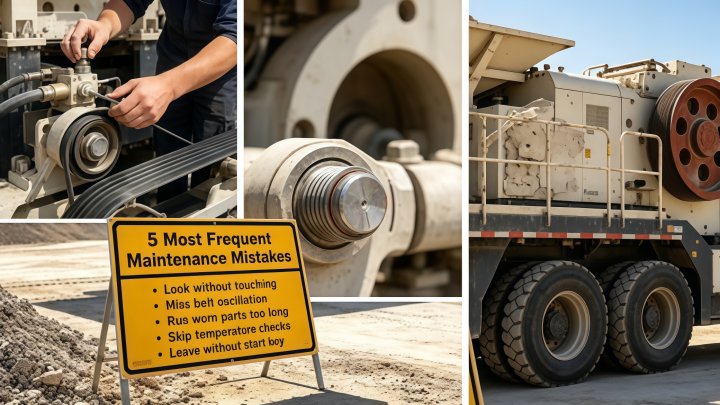
Five errors recur across different job sites based on field feedback. Mistake one: looking without touching. By the time the oil level gauge shows a blocked breather, delay has already occurred. Mistake two: waiting until the belt tears before replacing it, missing the S‑pattern oscillation as an early warning. Mistake three: keeping worn parts in service until they stop producing material, by which time the main shaft and bearings may already be damaged. Mistake four: skipping the end‑of‑day temperature touch check. Brake drag is only discovered when the hub overheats. Mistake five: leaving the cab without taking the start key during blockage clearing. A common but dangerous oversight.
Avoiding these five mistakes can significantly reduce the average annual breakdown frequency of the Wheeled Mobile Crusher.
Let operational data guide your decisions, let touch confirm your suspicions, and let the checklist manage your daily routine. From sensing breather valve airflow to reading jaw plate wear patterns, from seasonal grease selection to monitoring the fuel‑to‑production ratio slope, these practices help you gain a deeper understanding of the Wheeled Mobile Crusher's operating behaviour. Through consistent sensing and recording, the machine is more likely to remain in good mechanical condition.
When you can accurately state how many tonnes the previous jaw plates processed and how many tonnes of finished product the last tank of fuel produced, your management of the Wheeled Mobile Crusher rests on a solid data foundation.
FAQ – Common User Questions About the Wheeled Mobile Crusher
How should I determine the service interval for tires and suspension on a frequently relocated Wheeled Mobile Crusher?
Base the interval on travel distance and road conditions rather than calendar time. Check tire sidewalls for bulges and suspension air‑bag pressure balance every two hundred kilometers or every two weeks.
How do I waterproof the electrical connectors of a Wheeled Mobile Crusher during rainy‑season operation?
Tape alone fails quickly in wet conditions. Apply insulating silicone grease to all low‑voltage signal connectors before wrapping, so the grease's hydrophobic nature keeps moisture out. Open the electrical cabinet door for fifteen minutes at the end of each day to slow terminal‑strip oxidation.
Can I increase throughput of an older‑model Wheeled Mobile Crusher without replacing the main crusher unit?
Throughput bottlenecks are not always inside the crushing chamber. First check whether the vibrating feeder's amplitude and frequency match the crusher speed, then consider raising the discharge conveyor belt speed by five to eight percent. These two adjustments may yield noticeable improvement.
At what main bearing temperature should I consider shutting down a Wheeled Mobile Crusher?
If bearing housing temperature exceeds 75°C and rises over 5°C within 30 minutes, shut down for cooling. Continued operation risks bearing seizure. After cooling, check oil for emulsification or viscosity drop.
Further reading: for more on parameter adjustments under different material hardness levels, refer to the boundary condition comparison between impact crushers and jaw crushers. If you are planning a complete production line, the integration between mobile crushing stations and fixed plants is also worth reviewing.
If you encounter specific parameter‑setting difficulties under unique site conditions, or wish to refine your maintenance process further, you are welcome to bring your operating data for discussion and explore solutions tailored to your site.