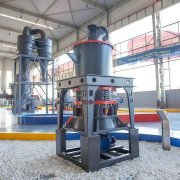
Ultrafine Pulverizer
What Exactly Is an Ultrafine Pulverizer?
The Ultrafine Pulverizer stands as a cornerstone of modern material processing, designed to reduce various substances into exceptionally fine powders. This equipment goes beyond standard crushing to achieve micron-level particle sizes, making it indispensable across industries ranging from pharmaceuticals to food processing.
The Ultrafine Pulverizer tackles materials that require a level of fineness unattainable by conventional mills, employing advanced mechanical methods to break down substances while often preserving their chemical and physical integrity. For businesses seeking precision, the Ultrafine Pulverizer ensures consistent output quality and operational efficiency.
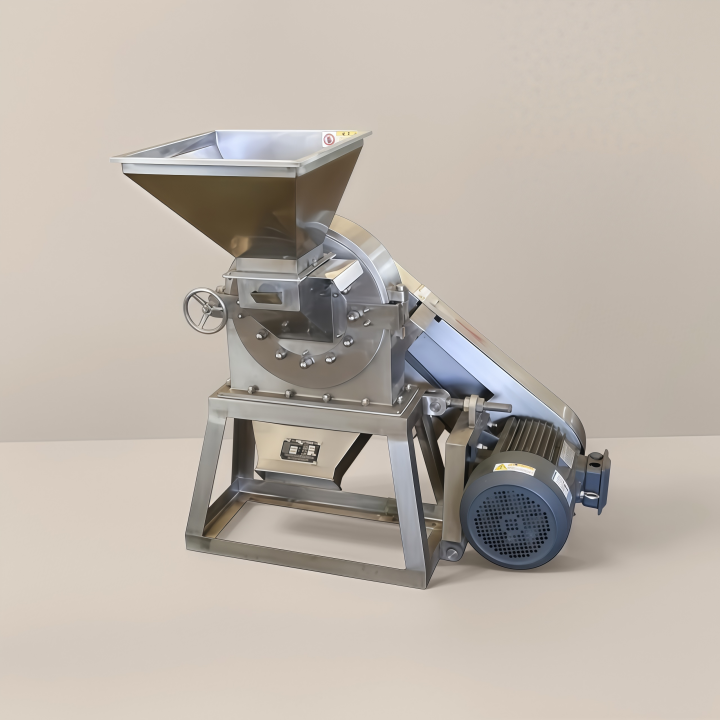
How Does the Ultrafine Pulverizer Operate?
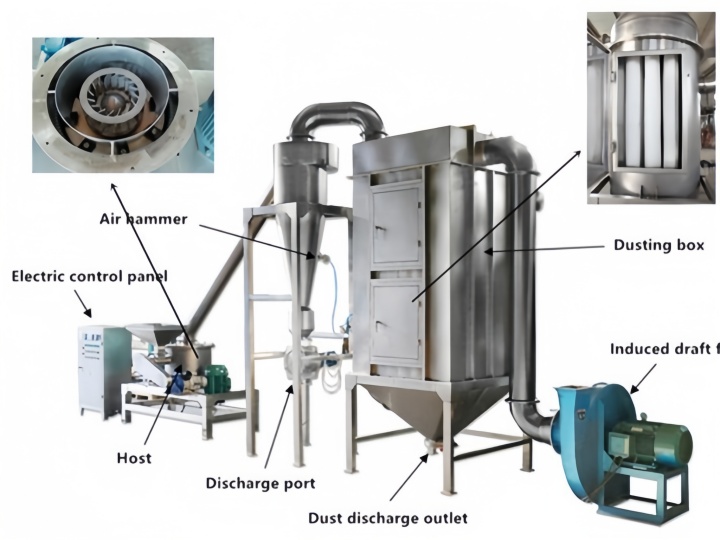
The operational mechanism of the Ultrafine Pulverizer relies on multiple physical forces working in concert to achieve particle size reduction, with integrated systems that manage both classification and temperature control.
Impact force: Material fed into the crushing chamber is subjected to forces from rapidly rotating blades or discs, which generate the energy needed for size reduction.
Classification system: Many modern Ultrafine Pulverizer models incorporate a classification system, allowing for the separation of particles that have reached the desired fineness from those needing further grinding.
Closed-loop processing: This often creates a closed-loop system where oversized particles are returned for additional processing, ensuring a highly uniform final product.
Temperature management: Additionally, some configurations utilize negative pressure conveying to manage heat generated during grinding, protecting heat-sensitive materials.
The Principal Types of Ultrafine Pulverizer Equipment
The classification of Ultrafine Pulverizer equipment is based primarily on the crushing mechanism and the nature of the material being processed, with each type offering distinct advantages for specific applications.
Air-jet mill: This type uses high-velocity gas streams to cause particles to collide and break apart, ideal for extremely hard or heat-sensitive materials.
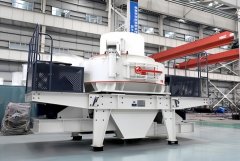
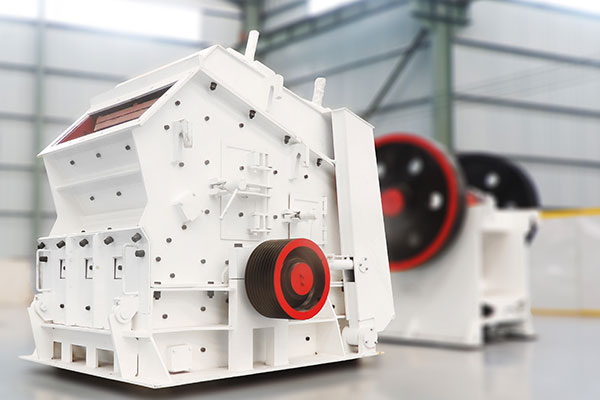
Mechanical impact mill: This common form, such as the disc or hammer type, uses high-speed rotating elements to physically impact the material for size reduction.
Vibratory mill: Some Ultrafine Pulverizer models are specifically designed as vibratory mills, using grinding media to achieve ultra-fine sizes through impact and attrition.
Application-specific selection: This variety ensures there is an Ultrafine Pulverizer for virtually any powder processing requirement.
What Advantages Does the Ultrafine Pulverizer Offer?
The Ultrafine Pulverizer delivers a combination of performance benefits that enhance product quality, simplify operations, and support production safety.
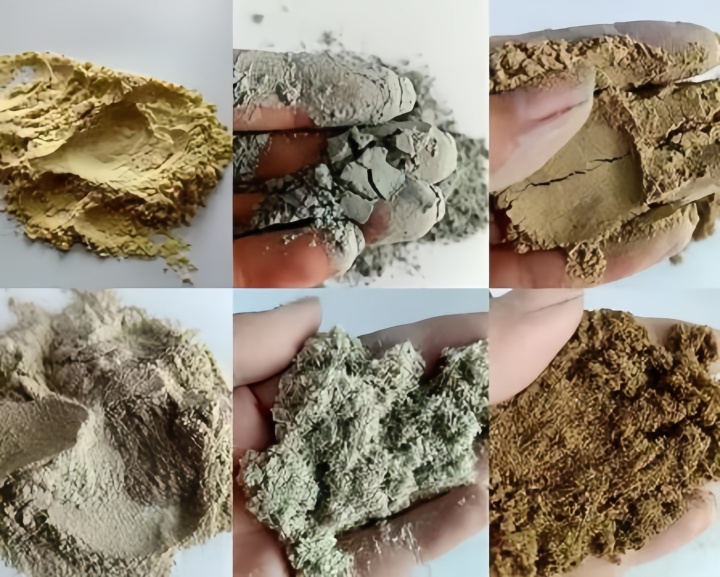
Exceptional fineness: Its ability to produce powders of exceptional fineness, often within the micron range, can enhance the bioavailability of pharmaceuticals or improve the texture of food products.
Simplified maintenance: Many Ultrafine Pulverizer systems are designed with a no-screen, no-mesh structure, simplifying operation and maintenance while reducing the risk of clogging.
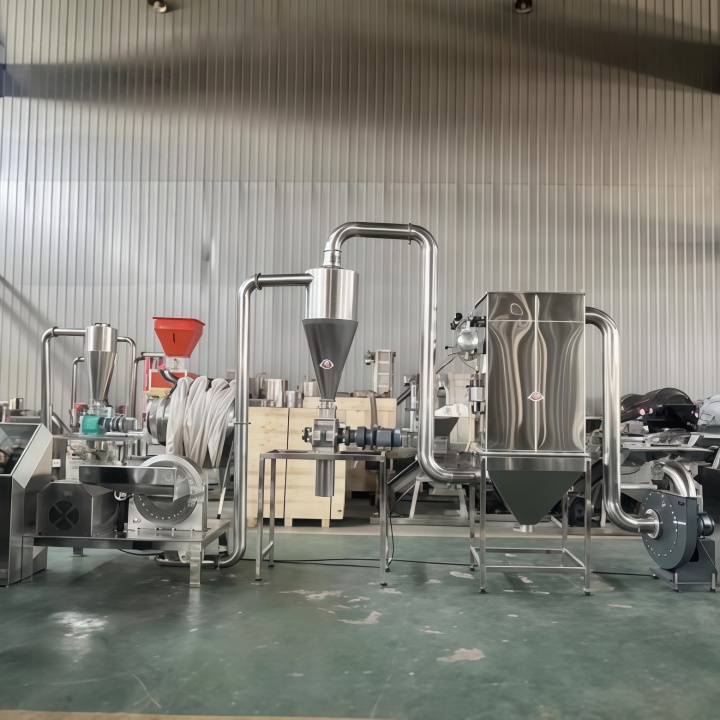
Clean environment: The design of the Ultrafine Pulverizer often facilitates a clean production environment, with dust being effectively contained and collected, contributing to workplace safety and material recovery.
Controllable parameters: Moreover, the operational parameters of the Ultrafine Pulverizer can be finely tuned, offering control over the final particle size distribution to meet specific product specifications.
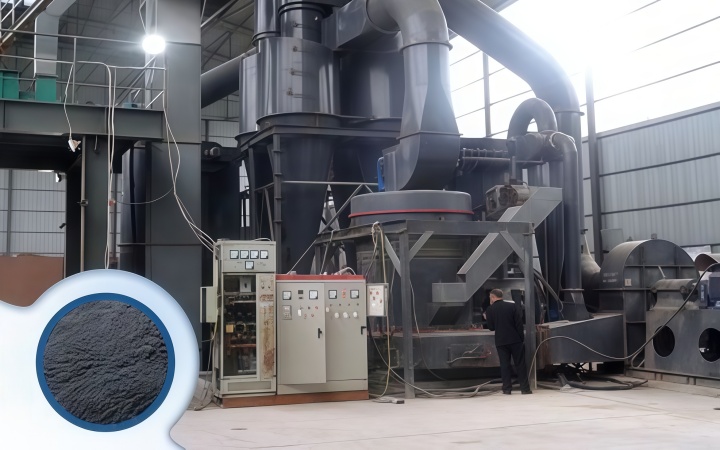
Ultrafine Pulverizer Technical Specifications
A comprehensive technical specification table is presented below to provide a clear overview of the Ultrafine Pulverizer capabilities. This data assists in identifying the appropriate model for your processing capacity and fineness targets.
| Model | Capacity | Feed | Fineness | Power |
| WFJ-200 | 10-30 kg/h | ≤10 mm | 60-450 mesh | 7.33 kW |
| WFJ-300 | 10-100 kg/h | ≤10 mm | 60-450 mesh | 13.5 kW |
| WFJ-520 | 80-500 kg/h | ≤10 mm | 60-450 mesh | 39.05 kW |
| WFJ-630 | 200-1500 kg/h | ≤10 mm | 60-450 mesh | 76.3 kW |
Where Can You Apply an Ultrafine Pulverizer?
The versatility of the Ultrafine Pulverizer makes it a vital asset across a diverse range of sectors, each benefiting from the equipment's ability to produce fine, uniform powders tailored to specific industry needs.
Food industry: In the food industry, the Ultrafine Pulverizer is used to produce fine flours, spices, and powdered additives, improving product solubility and mouthfeel.
Pharmaceutical industry: The pharmaceutical industry relies on the Ultrafine Pulverizer to create fine powders from medicinal herbs and active ingredients, which increases the dissolution rate and effectiveness of drugs.
Chemical industry: The Ultrafine Pulverizer also finds extensive use in the chemical industry for processing dyes, pigments, and resin powders.
Feed industry: Furthermore, the feed industry employs the Ultrafine Pulverizer to process grains and other materials into a particle size suitable for aquatic and young animal feeds.