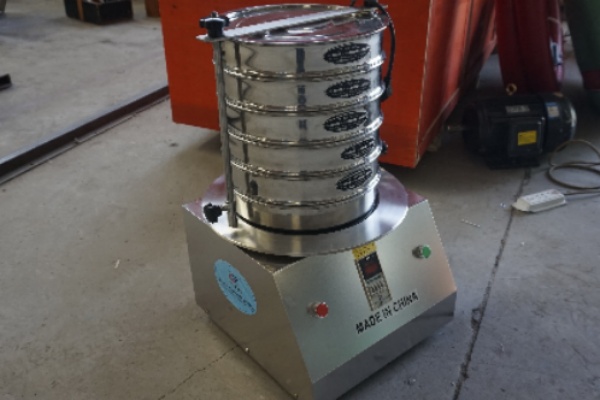
Linear Sieve price
Thursday June-04 2026 16:47:37
What factors influence the price of a linear sieve?
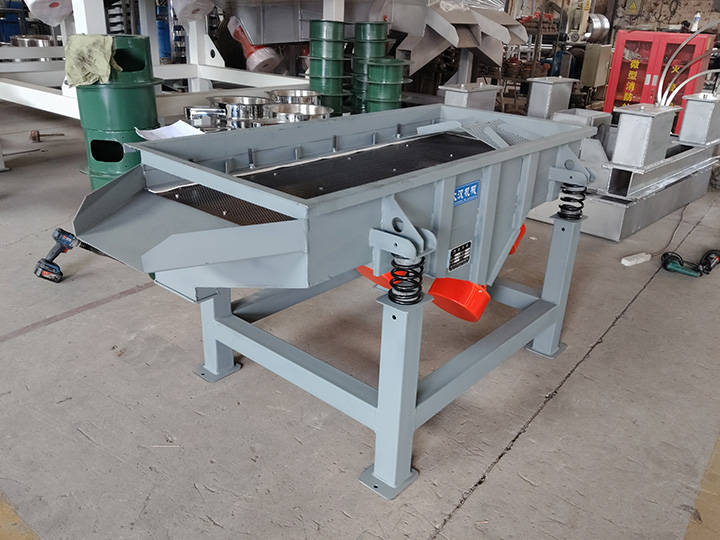
The price of a single linear sieve ranges from approximately $700 to $5000. Some may wonder why the price is a range. This is because while linear sieves generally have similar applications, the price varies depending on the specific model and material. Dahan brand linear sieves are available in carbon steel and stainless steel, with carbon steel being less expensive and stainless steel more expensive. So, what is the specific price of a linear sieve made of the same material?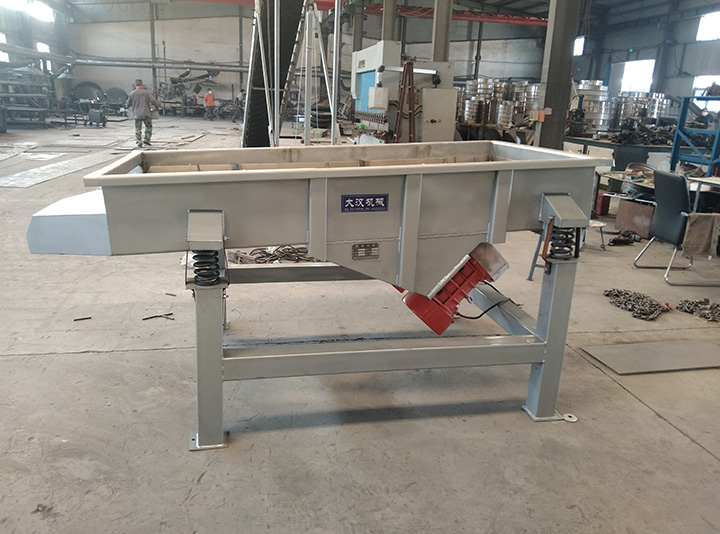
How much do different models of linear sieves cost?
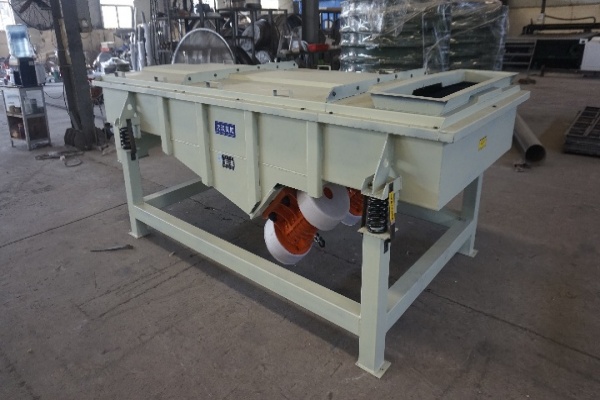
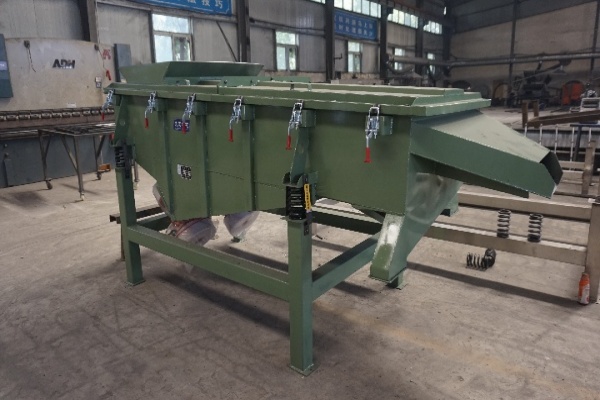
Dahan brand linear sieves come in various models, from DZSF-520 to DZSF1530. DZSF indicates a screening product where the screen box is driven by a vibrating motor to perform linear motion. 520 indicates a screen width of 500mm and a screen length of 2000mm. The smallest DZSF-520 costs around $700, the DZSF-1020 around $1300, the medium-sized DZSF-1030 around $2100, the DZSF-1224 around $2900, the larger DZSF-1525 around $3600, and the largest DZSF-1530 around $4300. Based on these prices, assuming the same material, larger models have larger screen diameters and higher throughput per unit time, hence the higher price. These prices are for carbon steel linear sieves; stainless steel models will be more expensive.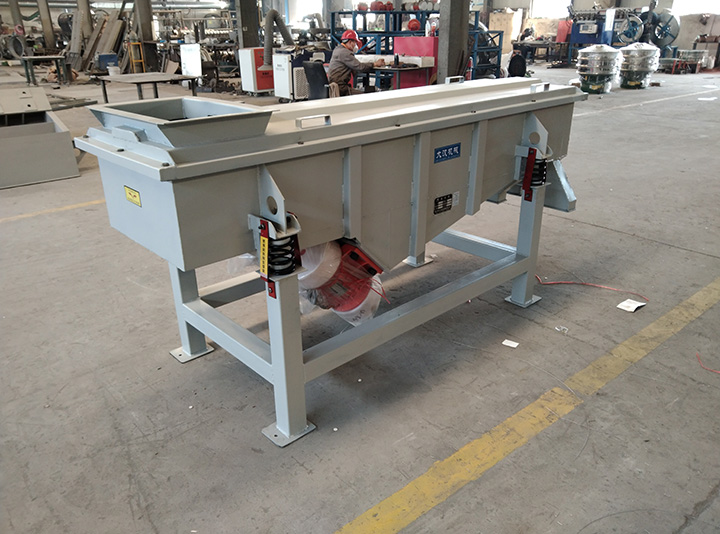
What is the price of a stainless steel linear sieve?
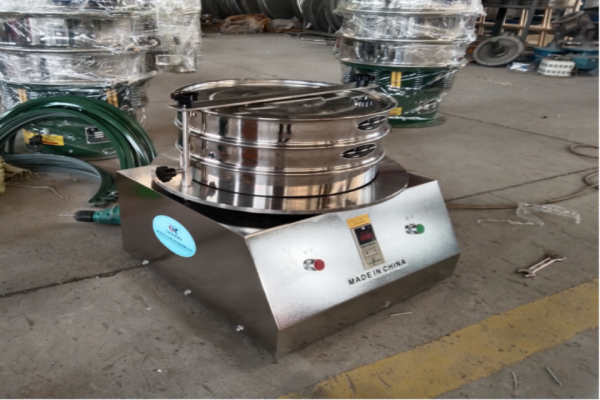
What is the price of a stainless steel linear sieve? Dahan offers stainless steel linear sieves in 304 and 316 stainless steel versions. 304 stainless steel is slightly cheaper than 316. Taking the DZSF-520 model as an example, a 304 stainless steel linear sieve is about 15% more expensive than a carbon steel one, so a single 304 stainless steel DZSF-520 linear sieve costs around $800. Similarly, 316 stainless steel has better corrosion resistance and wear resistance than 304 stainless steel, and is about 10% more expensive, so a single 316 stainless steel DZSF-520 linear sieve costs around $900. The prices mentioned above, regardless of whether it's carbon steel or stainless steel, are for single-layer screens, used for simple grading and impurity removal. To achieve fine grading, multiple layers of screens with different mesh sizes are needed, requiring more material and thus increasing the price compared to a single-layer linear sieve.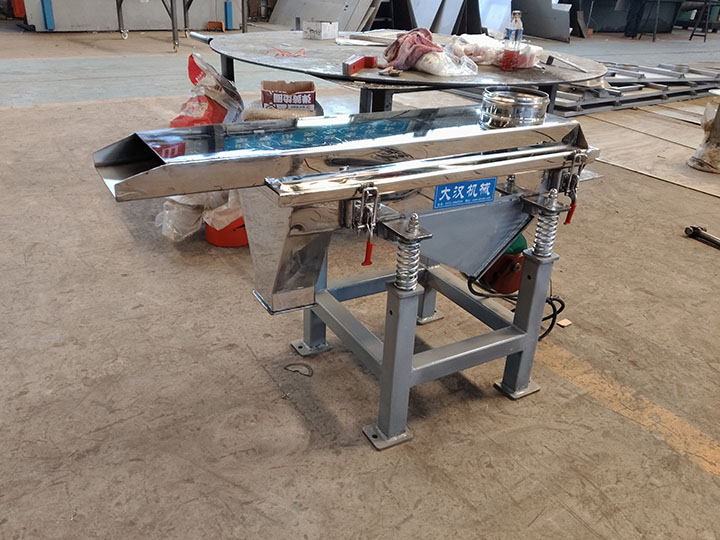
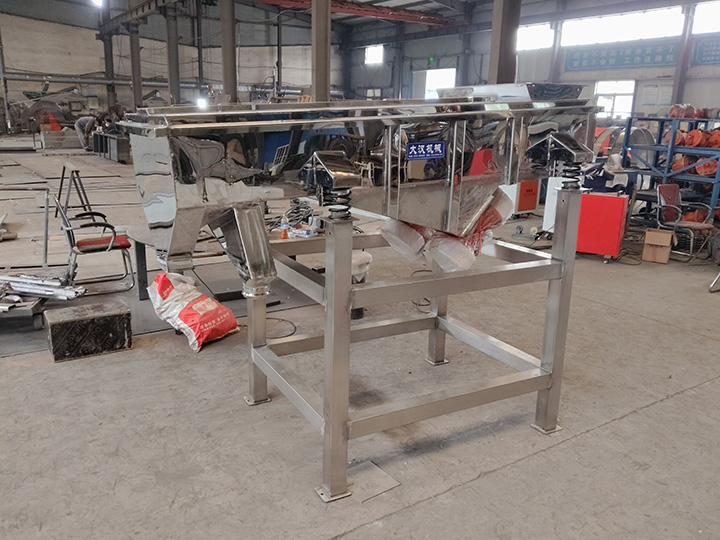
What is the price of a multi-layer linear sieve?
Assuming the same model and material, each additional layer of screen increases the price by approximately $100. This price difference mainly reflects increased material consumption and more demanding processing requirements. For example, a single-layer DZSF-520 carbon steel linear sieve costs around $700, while a double-layer DZSF-520 carbon steel linear sieve costs around $800. Based on this price increase, the prices for three-layer and four-layer screens can be calculated.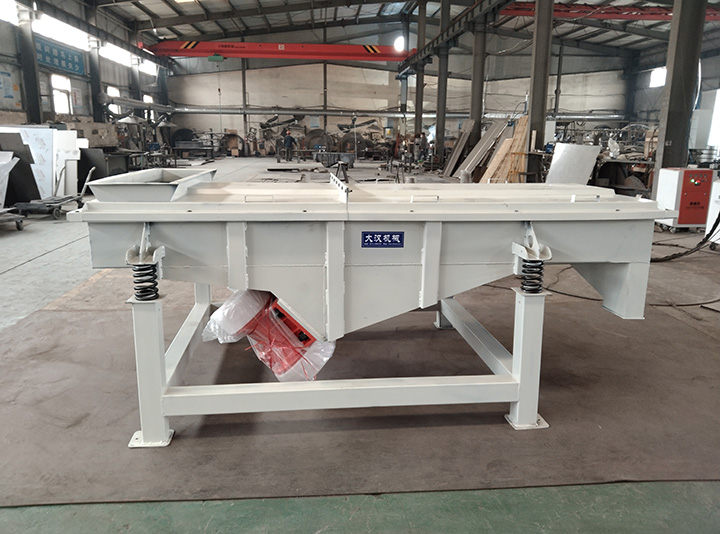
How to Purchase a Linear Conveyor Screen?
When purchasing a linear conveyor screen, it's important to note that the vibrating motor power of a multi-layer linear conveyor screen needs to be greater than that of a single-layer linear conveyor screen to drive the screen box. Choose the model and number of layers based on your production capacity and grading requirements. For fine grading, choose a multi-layer linear conveyor screen; for impurity removal, choose a single-layer linear conveyor screen. Choose a larger model for high production capacity and a smaller model for lower production capacity. For other needs, please contact our product manager for detailed information on linear conveyor screens.