Ultrasonic Vibrating Screen Sieve for Fine Powder manufacturer
Wednesday June-03 2026 18:25:25
How to Choose a Fine Powder Ultrasonic Vibrating Screen Manufacturer?
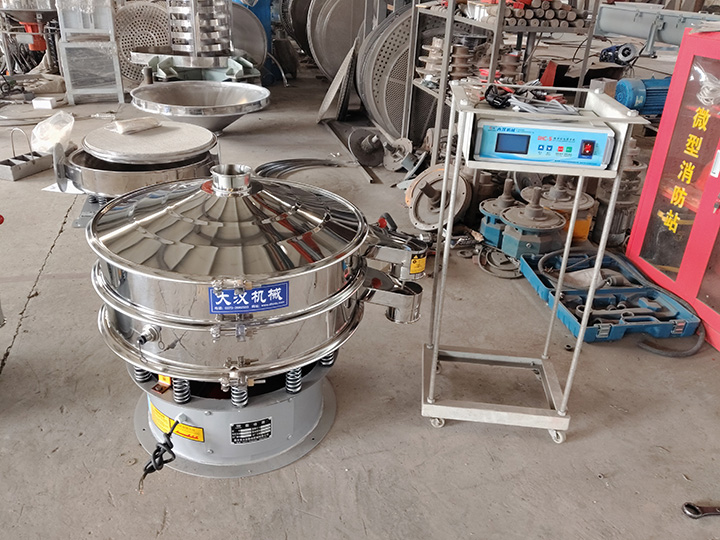
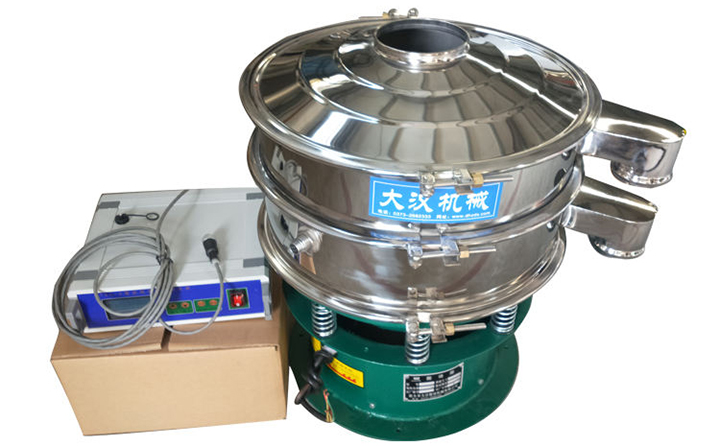
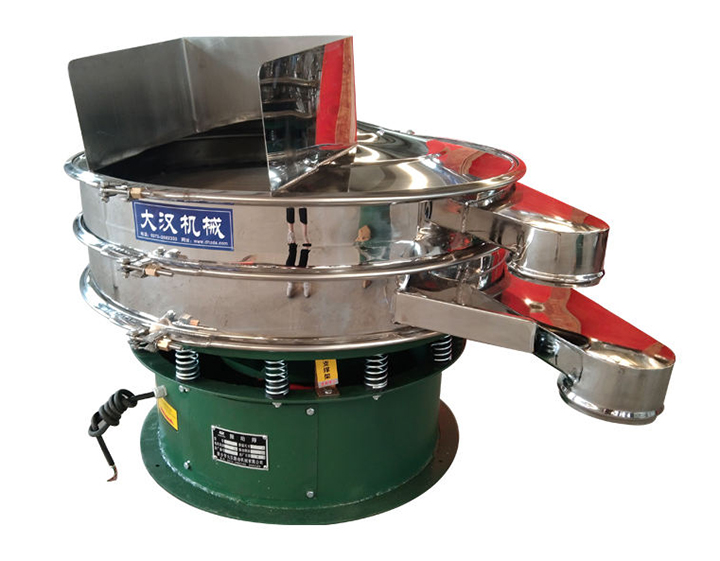
Manufacturers of ultrasonic vibrating screens for fine powder are enterprises that integrate design, production, and sales. Some manufacturers on the market are not responsible for the entire process of ultrasonic vibrating screen production, from design to sales, and their products may not fully meet the needs of fine powder screening. Dahan's ultrasonic vibrating screens for fine powder offer adjustable matching frequencies, customized designs, and unique screen tensioning processes. So, what are the specific uses of these processes for screening fine powder?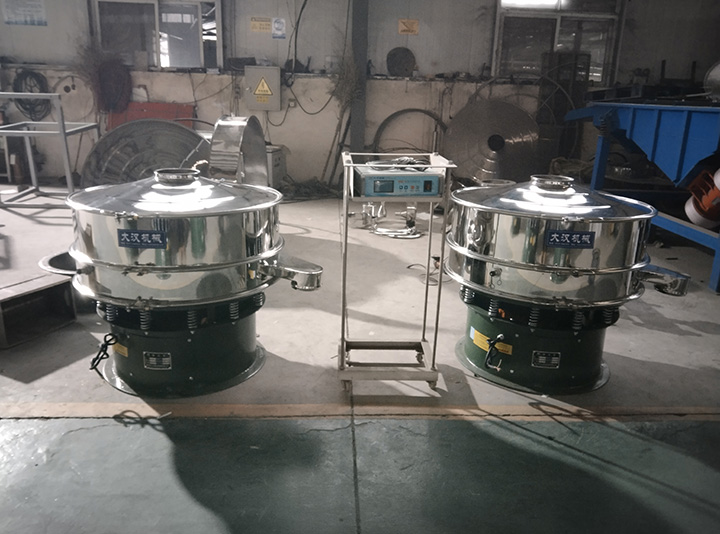
How can adjusting the frequency improve the screen penetration rate of fine powder?
Different fine powders have significantly different physical properties. Metal powders are heavy and prone to agglomeration, carbon powders are light and static-prone, pharmaceutical powders are temperature-sensitive, and food powders require no contamination. Ordinary manufacturers use fixed-frequency ultrasonic modules in their ultrasonic vibrating screens, which may be effective for a particular fine powder, but the effect may be significantly reduced when changing materials. As a manufacturer that truly masters the entire process, Dahan performs frequency matching and debugging on each machine before it leaves the factory, based on the customer's actual material. The resonant frequency of the ultrasonic transducer and power supply can be finely adjusted within the range of 30-40kHz to find the most suitable vibration parameters for that fine powder. Taking 3D printing titanium powder as an example, adjusting the frequency from the common 35kHz to 38kHz nearly doubled the screen throughput, and it ran continuously for 8 hours without clogging. Furthermore, different fine powders have different screening requirements, so precise product customization is still necessary to achieve better results.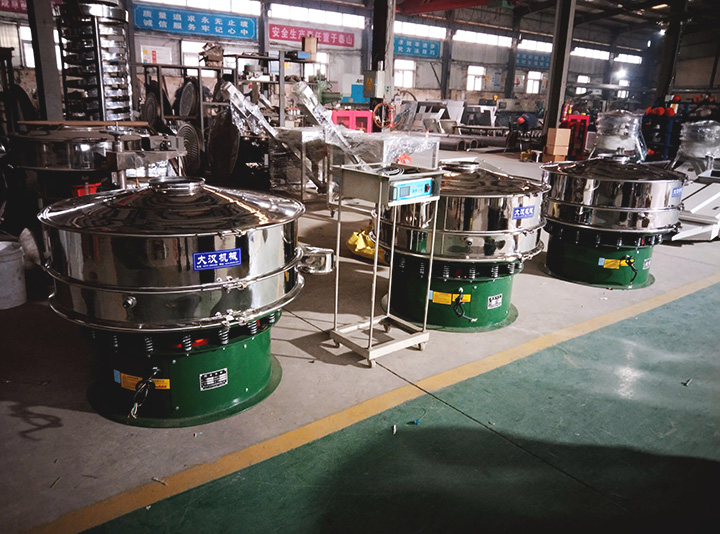
What are the custom designs available for ultrasonic vibrating screens for fine powders?
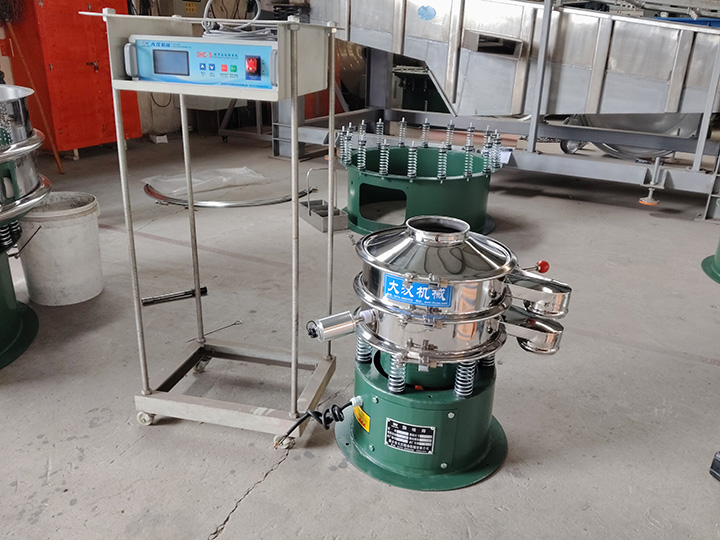
Metal powders are heavy and prone to sticking, so we increase the motor power and adjust the discharge port height to ensure smoother material discharge. Carbon powder, on the other hand, is very light and easily dispersed, requiring strict sealing to prevent fine powder from escaping. Pharmaceutical powders are sensitive to temperature increases, so the screen contact areas can be insulated. Food powders require protection against cross-contamination, so welds need fine grinding, and the structure must be easy to disassemble and clean. We match different motors, sealing methods, discharge structures, and material treatments based on the specific characteristics of each type of fine powder. At the same time, the screen tensioning process is equally important, as it directly affects the long-term stability of the screening effect.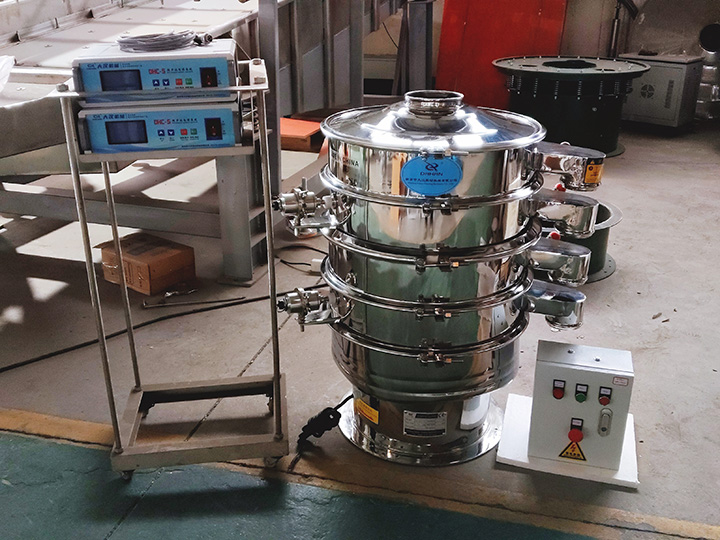
How does our unique screen tensioning process improve screening performance?
Uneven screen tension causes fine powder to leak from the edges and easily leads to localized screen damage. We use a mother-and-child screen frame with pneumatic tensioning: a coarse mesh at the bottom provides support, while the fine mesh at the top is evenly stretched to the set tension value by pneumatic clamps, ensuring consistent stress across the entire screen. In actual use, the screen's lifespan is extended by about one-third compared to ordinary tensioning methods, while the throughput of 500-mesh fine powder remains consistently above 90%. Manufacturers who can achieve this are more reliable.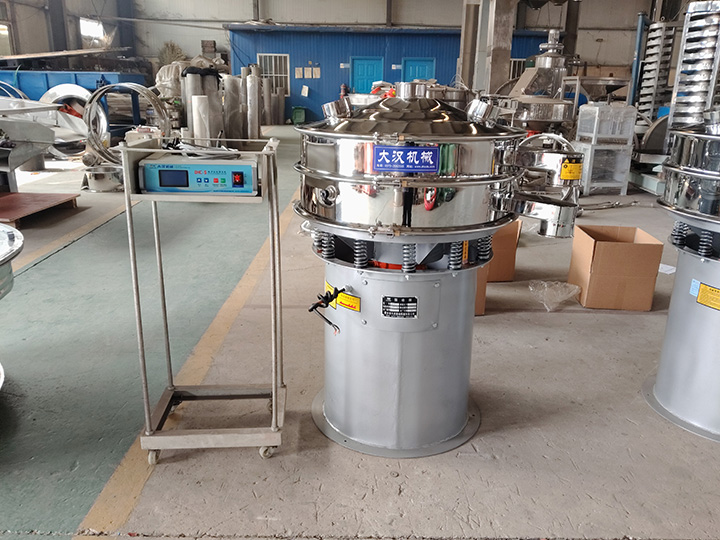
When purchasing a fine powder ultrasonic vibrating screen, choose one that can adjust the frequency according to your fine powder, and can provide customized designs based on the characteristics of the fine powder. Finally, check if the manufacturer has the screen tensioning technology. Dahan can meet all these requirements, so consider purchasing from Dahan.