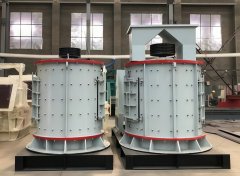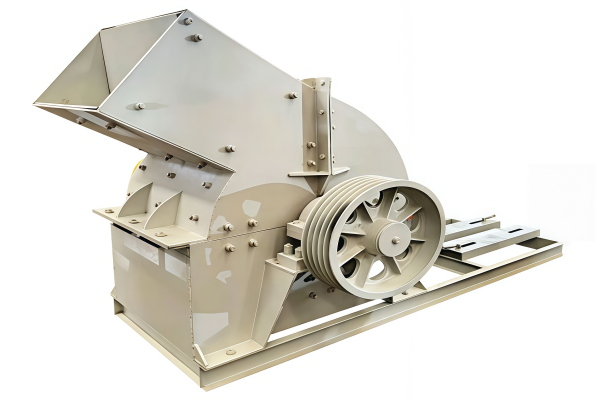
Sintered clay hammermill for lightweight aggregate
Sintered clay hammermill for lightweight aggregate are used for crushing sintered clay, ceramsite and shale, producing uniform lightweight aggregate particles for LECA production line, building materials and lightweight concrete industry. Prices typically range from $8,000 to $120,000. Feed opening size: ≤350mm Production capacity: 3-80 tons/hour Discharge opening adjustment range: 2-20mm Spindle speed: ≤2980 rpm Motor power: 11-132kW
Overview of Sintered clay hammermill for lightweight aggregate
Sintered clay hammermill for lightweight aggregate is an impact crushing device specifically designed for medium-fine crushing of lightweight aggregate raw materials. It reduces sintered clay, shale, and coal gangue to uniform particles of 8 mm or smaller. This equipment supplies prepared feedstock for pelletizing and rotary kiln calcination, and is typically used as the secondary crushing stage in ceramsite sand and LECA lightweight aggregate production lines.
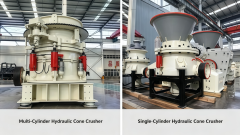
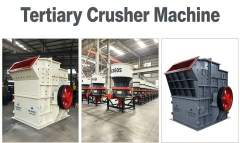
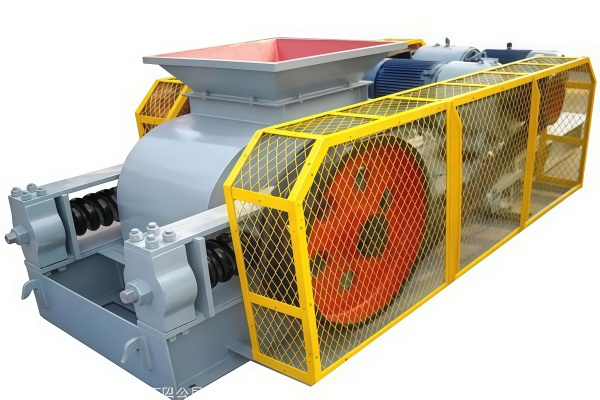
The main difference between this equipment and conventional hammer mills lies in its anti-clogging rotor structure optimised for sticky materials, which maintains crushing efficiency at moisture contents up to 15%. In lightweight aggregate processing, hammer crushers serve as the secondary crushing stage and are normally paired with Jaw Crusher Machine
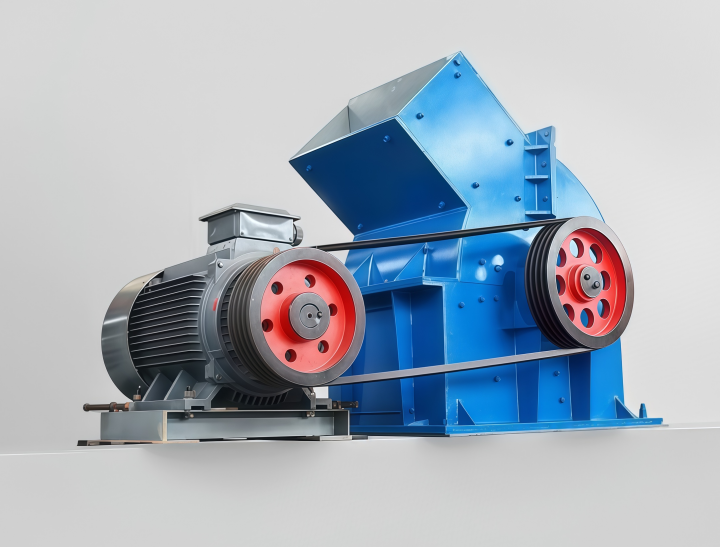
Sintered clay hammermill for lightweight aggregate Video Showcase
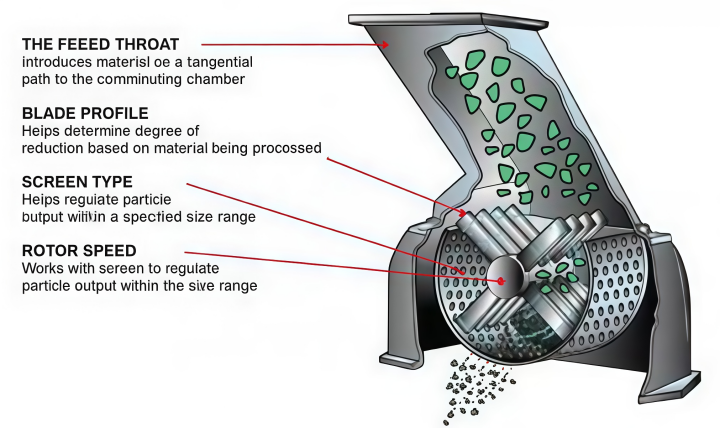
How Does a Sintered Clay Hammermill Work in LECA Production?
Material enters the crushing chamber and is repeatedly struck by the hammers mounted on a high-speed rotor. Each impact breaks the material into smaller fragments until the particle size falls below the bottom screen aperture and discharges. For clay with higher moisture, the equipment simultaneously dries the material during crushing, with moisture carried away by the airflow. The screen aperture can be changed within a range of 3 mm to 50 mm, and the final product size is determined by this aperture.
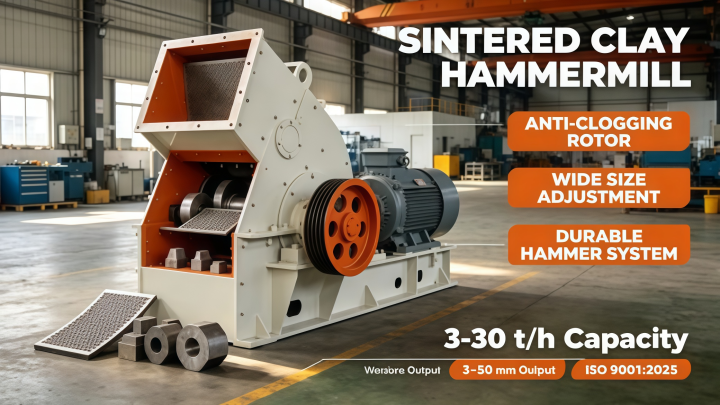
Core Performance Advantages of Sintered Clay Hammermill for Lightweight Aggregate
This equipment demonstrates its value in lightweight aggregate processing through three main performance characteristics: anti‑clogging design with integrated drying, adjustable discharge size with wide capacity coverage, and durable hammer material with predictable replacement cycles.
Anti‑clogging and integrated drying design for sticky materials.The rotor structure reduces material residence time, lowering adhesion probability. For feed materials with moisture exceeding 12%, an optional drying system can reduce moisture during crushing.
Adjustable discharge size and wide capacity coverage.The screen aperture can be changed from 3 mm to 20 mm to produce different fineness materials. Single‑machine capacity ranges from 3 to 80 tonnes per hour.
Hammer material and replacement interval.The hammers offer a service life of 500 to 2,000 hours under normal clay and shale conditions. Regular inspection and timely replacement help control maintenance costs.
Factory test data for Sintered clay hammermill for lightweight aggregate
Every unit of Sintered clay hammermill for lightweight aggregate undergoes continuous load testing before leaving the factory. The following data were collected in July 2026:
Using standard clay (12% moisture) as the test material, the PC800×600 model ran continuously for 4 hours, achieving an average throughput of 32 tonnes per hour, with 89% of the product below 8 mm. Bearing temperatures remained stable between 62°C and 68°C, and no clogging or abnormal vibration occurred during the entire test.
Under the same conditions, the measured specific energy consumption of this model was 1.8 kWh per tonne of material, which is lower than the industry average of 2.1 kWh for equivalent equipment. After 800 hours of continuous operation, the average hammer wear was 32% of the original thickness, compared to the industry average of 41%. Screen plate wear after 400 hours was only 18% of the original thickness, with an estimated replacement cycle of over 2,000 hours. This equipment complies with ISO 9001:2025 quality management system manufacturing standards, and test reports are available upon request.
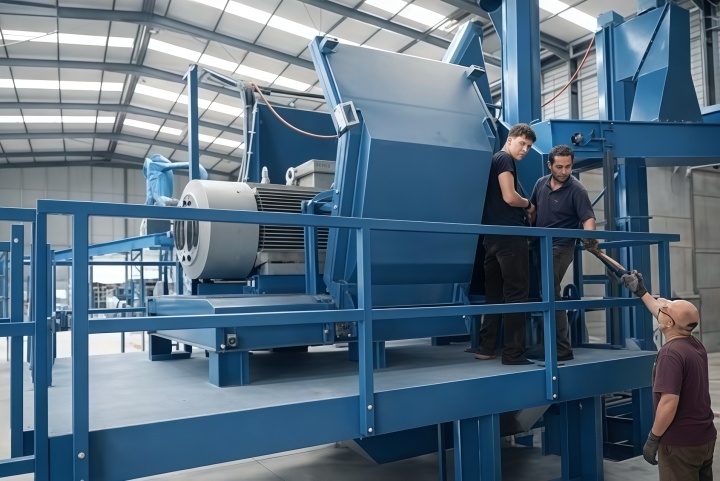
Technical specifications of Sintered clay hammermill for lightweight aggregate
The following table shows the main technical parameters for each model in the PC series hammer crusher:
| Model | Feed size | Discharge size | Capacity | Motor power | Weight |
|---|---|---|---|---|---|
| PC400×300 | ≤200 mm | ≤10 mm | 5-10 t/h | 11 kW | 0.8t |
| PC600×400 | ≤250 mm | ≤15 mm | 10-22 t/h | 22 kW | 1.5 t |
| PC800×600 | ≤250 mm | ≤15 mm | 18-40 t/h | 55 kW | 3.8 t |
| PC1000×800 | ≤350 mm | ≤15 mm | 25-50 t/h | 75 kW | 4.9 t |
Price & MOQ
MOQ: 1 Set
Price Range: $13,000 - $80,000/set (depending on capacity and configuration)
Payment Terms: T/T, L/C, D/P, etc.
Get a custom quote for your specific capacity requirement → Request Quote
Delivery & Packaging
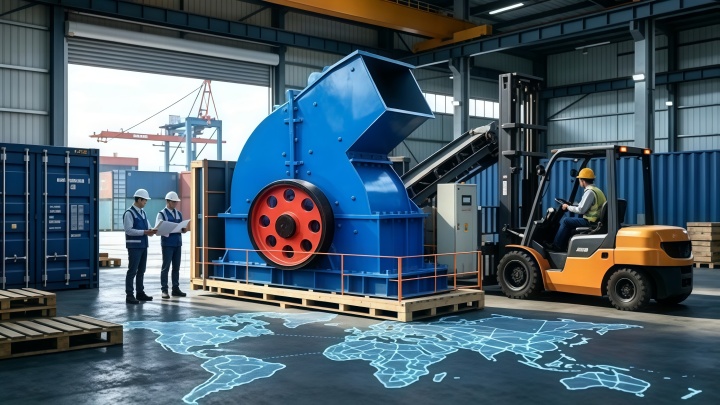
Standard Delivery Time: 30 days after deposit
Packaging: Standard export wooden case or as per customer requirement
Shipping: FOB, CIF, EXW, etc.
Discharge size can be adjusted by changing the screen plate aperture, which ranges from 3 mm to 50 mm. Sintered clay hammermill for lightweight aggregate is suitable for materials with compressive strength not exceeding 150 MPa and moisture content below 15%, including clay, shale, coal gangue, and argillaceous siltstone.
Model selection guide for Sintered clay hammermill for lightweight aggregate
Selection should consider three core parameters: target capacity, feed size, and raw material moisture content.
For capacity matching, it is recommended to choose a model at about 80% of the designed capacity to leave margin for fluctuations. For example, if the target is 30 tonnes per hour, choose the PC800×600 or larger. For feed size, if the jaw crusher discharge typically exceeds 250 mm, select a model with a higher feed size limit. For moisture, if it consistently exceeds 12%, consider adding the drying system option.
In ceramsite sand and LECA lightweight aggregate production lines, a two-stage crushing system comprising a jaw crusher and a hammer crusher is commonly used to control the raw material size below 8 mm. The jaw crusher handles primary crushing (reducing 300-500 mm feed to about 100 mm), and Sintered clay hammermill for lightweight aggregate performs the medium-fine crushing (further reducing to below 8 mm).
Daily maintenance of Sintered clay hammermill for lightweight aggregate
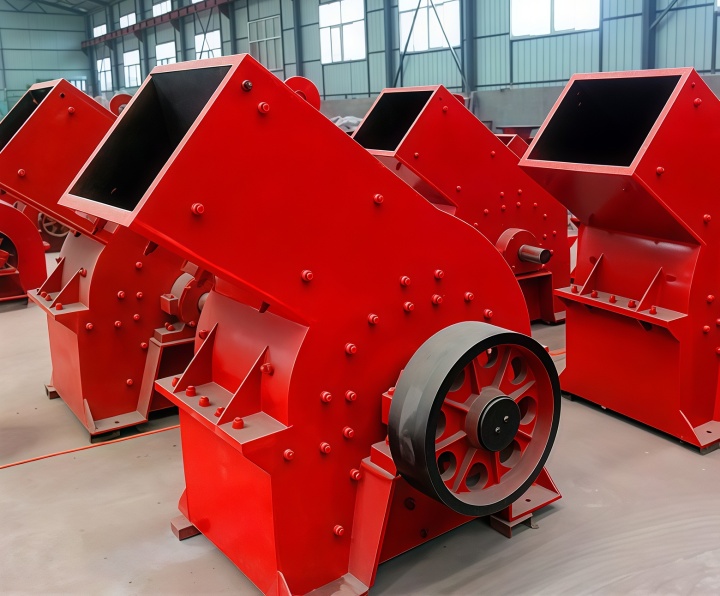
Regular maintenance of this equipment covers three essential aspects that directly affect its operational reliability and service life. These are wear monitoring of hammers and screens, bearing lubrication with temperature checks, and rotor dynamic balancing verification.
Wear monitoring of hammers and screen plates.Inspect hammer wear every 200 operating hours; replace when wear exceeds 40% of the original thickness. Check the screen plate weekly for clogging or damage, as a damaged screen can significantly increase the proportion of oversize particles (>8 mm) in the discharge.
Bearing lubrication and temperature monitoring. Add grease every 400 operating hours and change bearing oil every 2,000 hours. Stop the machine immediately if bearing temperature exceeds 75°C.
Rotor dynamic balancing.Check rotor balance after each hammer replacement. If vibration exceeds 4.5 mm/s due to uneven hammer wear, rebalance or replace the complete set of hammers.
Application scenarios of Sintered clay hammermill for lightweight aggregate
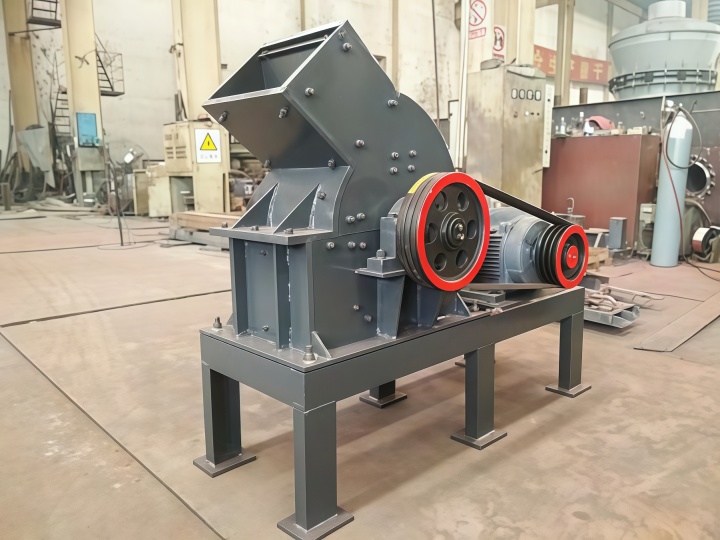
This equipment is mainly used in two major fields: ceramsite sand and LECA lightweight aggregate production.
In ceramsite sand lines, it serves as the secondary crushing device to break bauxite and other materials to the fineness required for the pelletizing step. The line uses a jaw crusher combined with this equipment in a two-stage system, controlling product size below 8 mm, with typical annual output reaching 180,000 tonnes.
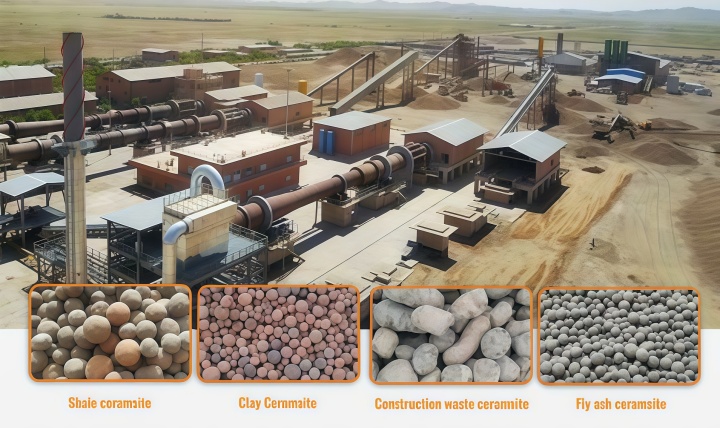
In LECA lightweight aggregate production, the equipment handles the fine crushing of expanded clay raw material. During LECA manufacturing, natural clay is calcined in a rotary kiln at 950°C to 1,150°C to form lightweight porous ceramic granules. The raw material preparation stage requires crushing shale or clay to 5-25 mm.
Industry reference
Leca® is a well-known brand in the lightweight expanded clay aggregate sector, with applications in civil engineering and infrastructure. In 2022, Leca® installed photovoltaic facilities at its Avelar plant in Portugal to reduce electricity consumption in LECA production. For specific test reports or equipment drawings, please contact us. LECA production typically involves seven steps: crushing, mixing, grinding, pelletizing, sintering, cooling, and screening.
Frequently asked questions about Sintered clay hammermill for lightweight aggregate
Does Sintered clay hammermill for lightweight aggregate clog easily when processing wet clay?
This equipment can handle wet and sticky materials with moisture content below 15%, and the anti-clogging rotor structure prevents material adhesion.
What causes overly coarse discharge from Sintered clay hammermill for lightweight aggregate?
It is usually due to screen plate wear that enlarges the apertures or damage to the screen. Replacing the screen restores the desired fineness. The screen gap can be adjusted from 3 to 50 mm.
How often should the hammers of Sintered clay hammermill for lightweight aggregate be replaced?
Under normal conditions (clay and shale), hammer service life ranges from 500 to 2,000 hours, depending on the abrasiveness of the feed. Inspection every 200 hours is recommended.
What causes excessive vibration during operation of Sintered clay hammermill for lightweight aggregate?
Excessive vibration usually results from rotor imbalance caused by uneven hammer wear. Stop the machine and replace the hammers as a complete set.
What is the difference between a hammermill and a hammer crusher?
A hammermill and a hammer crusher are often the same equipment; "hammermill" is more common in aggregate and mining, while "hammer crusher" is broader.
Can this hammermill handle fly ash as raw material?
Yes, it can process fly ash mixed with clay or shale if moisture stays below 15%.