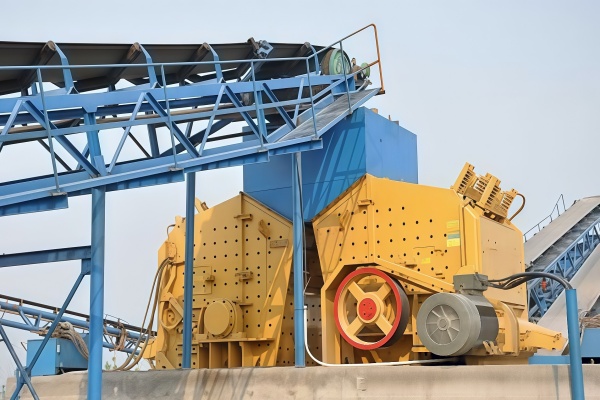
Ore Crusher Machine
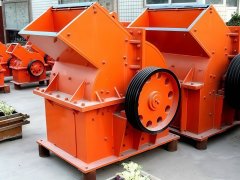
Ore Crusher Machine are used for secondary and fine crushing of large ore blocks, producing high‑quality aggregates of varying particle sizes for use in the construction, building materials, and mining industries. Prices typically range from $28,000 to $520,000. Feed opening size: ≤570mm Production capacity: 40‑2200 tons/hour Discharge opening adjustment range: 3‑65mm Spindle speed: ≤490 rpm Motor power: 90‑780kW
What Is an Ore Crusher Machine?
An Ore Crusher Machine is crushing equipment used in mining and industrial processing. Its main job is to break large chunks of ore into smaller particles for further beneficiation, smelting, or processing.
On a mine production line, this device usually takes on the first step – reducing huge rocks and ores to a size that downstream equipment can handle. Whether for metal ores, non‑metal ores, or construction materials, it can get the crushing job done and is an indispensable core unit in the whole mineral processing chain.
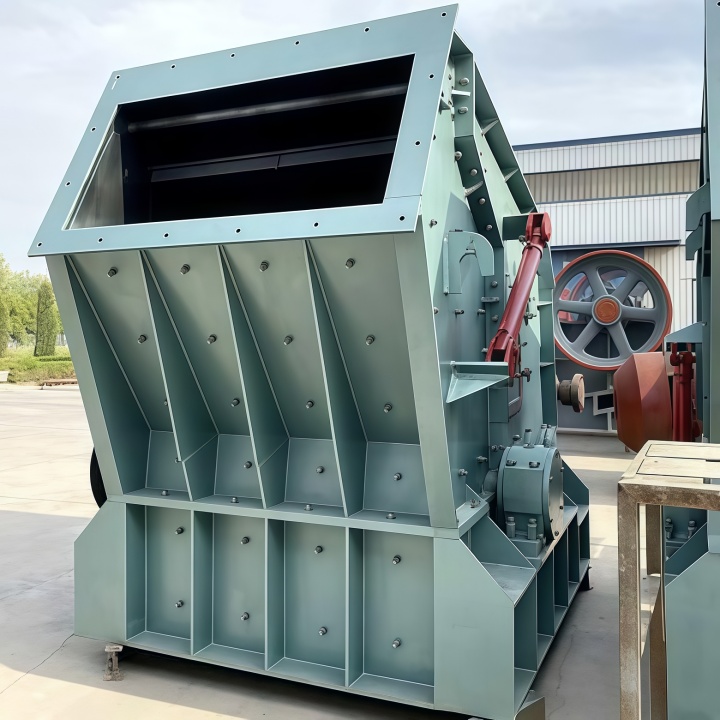
Ore Crusher Machine Video Showcase
How Does an Ore Crusher Machine Work?
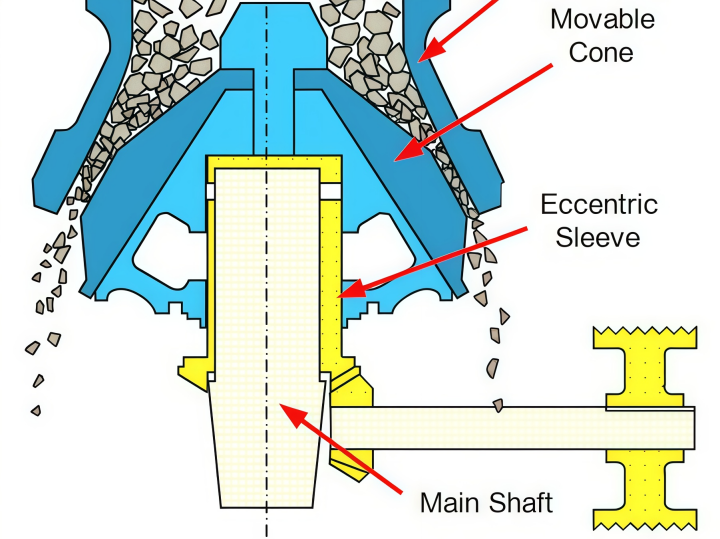
The crushing principle of an Ore Crusher Machine is not complicated. The product uses mechanical force – compression, impact, or attrition – to break ore from large pieces into small ones. Different types of crushers use different methods, but the core logic is the same: ore enters the crushing chamber and is acted upon by moving and fixed parts; when the force exceeds the ore’s own strength limit, the ore cracks and fractures.
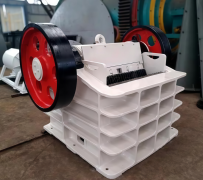
Take the common jaw‑type crusher as an example. Its working process goes like this: the motor drives the eccentric shaft through belts and pulleys, making the movable jaw plate move up and down. When the movable jaw plate rises, the angle between the jaws increases, and the movable jaw moves closer to the fixed jaw, crushing the ore by squeezing it between them. When the movable jaw plate descends, the angle decreases, and the already crushed ore is discharged from the outlet. The motor runs continuously, the movable jaw plate keeps cycling, thus achieving continuous crushing and large‑volume production.
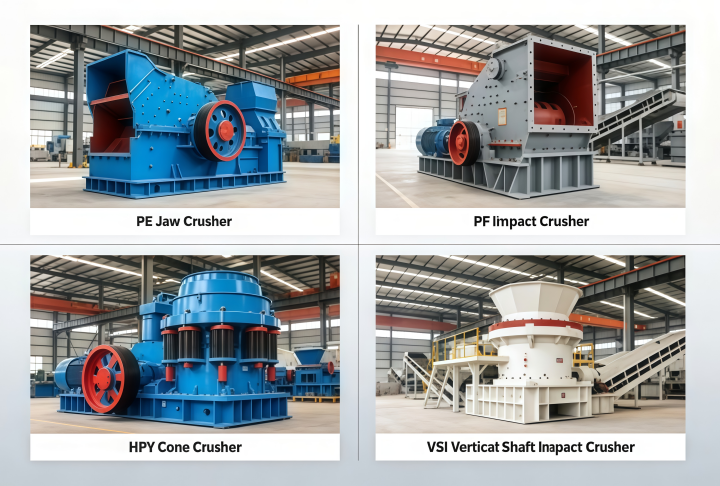
Ore Crusher Machine for Sale – Models and Specifications
Choosing the right Ore Crusher Machine comes down to understanding its technical specifications. These specs determine what kind of ore the equipment can handle, what output it can achieve, how much energy it consumes, and how well it adapts to different working conditions. Below are the main technical parameters of this product for reference during selection:
| Crusher Type | Model | Max Feed (mm) | Discharge (mm) | Capacity (t/h) | Motor Power (kW) | Weight (t) | Core Application | Compressive Limit (MPa) |
|
PE Jaw Crusher (Primary Coarse Crushing) |
PE150×250 | 125 | 10–40 | 3–5 | 5.5 | 1.1 | Small mine ore coarse crushing | ≤320 |
| PE250×400 | 210 | 20–60 | 5–20 | 15 | 2.8 | Small quarry coarse crushing | ||
| PE400×600 | 350 | 40–100 | 15–60 | 30 | 6.5 | Medium ore primary crushing | ||
| PE600×900 | 480 | 65–160 | 90–180 | 75 | 15.5 | Large mining coarse crushing | ||
|
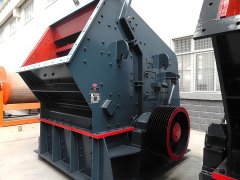
PF Impact Crusher (Secondary Medium Crushing) |
PF0807 | 300 | Adjustable | 15–30 | 30–45 | 8.1 | Medium soft ore shaping | ≤250 |
| PF1010 | 350 | Adjustable | 50–80 | 75 | 12.2 | Aggregate medium crushing | ||
| PF1214 | 400 | Adjustable | 130–180 | 132 | 22.0 | Large secondary crushing line | ||
|
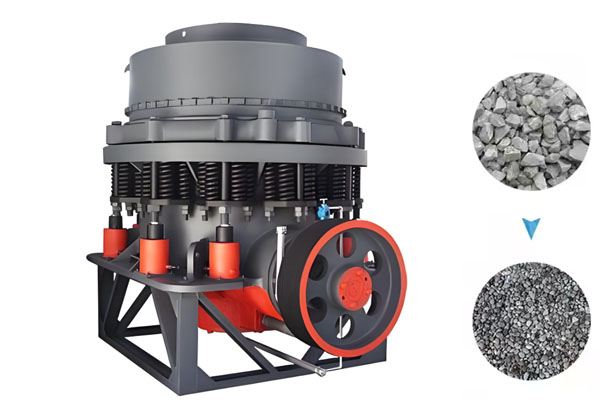
HPY Cone Crusher (Fine Crushing) |
HPY200 | 185 | Min 13 | 120–160 | 160 | 12.5 | Hard metal ore fine crushing | ≤400 |
| HPY400 | 280 | Min 19 | 280–350 | 250 | 26.0 | Medium-hard ore fine crushing | ||
| HPY600 | 360 | Min 26 | 600–800 | 400 | 48.0 | High-capacity fine crushing station | ||
|
VSI Vertical Shaft Impact Crusher (Sand Making & Shaping) |
VSI8320 | 35 | 0–5 (Finished Sand) | 50–130 | 160×2 | Customized | Artificial sand production | ≤300 |
| VSI1040 | 40 | 0–5 (Finished Sand) | 100–210 | 200×2 | Customized | Medium sand making line |
Different models of machine vary widely in these parameters, so buyers should select the appropriate specification based on their ore properties, production requirements, and site conditions. It is advisable to fully investigate the hardness, moisture, and clay content of the ore before making a choice, in order to match the right model.
Why Choose an Ore Crusher Machine?
In the field of ore crushing, the Ore Crusher Machine has earned broad recognition for its many strengths. These advantages make it a trustworthy choice in mineral processing.
Robust and durable construction. This product features a solid structural design that can withstand heavy‑duty crushing work. Whether dealing with hard rock or highly abrasive ores, the machine maintains stable performance. Its key components are normally made from wear‑resistant materials, which effectively extends the service life of the equipment.
Strong crushing capability. The crushing chamber is optimised to increase the reduction ratio and output. Ore is fully processed inside the chamber, producing a uniform discharge size that reduces the burden on downstream stages. This strong crushing performance means lower energy consumption per tonne and higher productivity.
Easy and quick maintenance. The design gives full consideration to maintenance convenience. Routine inspections and replacement of wear parts are straightforward, requiring no complicated tools or excessive downtime. Some models come with automated systems that help operators anticipate maintenance needs in advance.
Stable and reliable operation. It uses mature technology and a dependable transmission system. Under continuous working conditions, the equipment maintains a steady operating state with a low failure rate, providing reliable support for uninterrupted production lines.
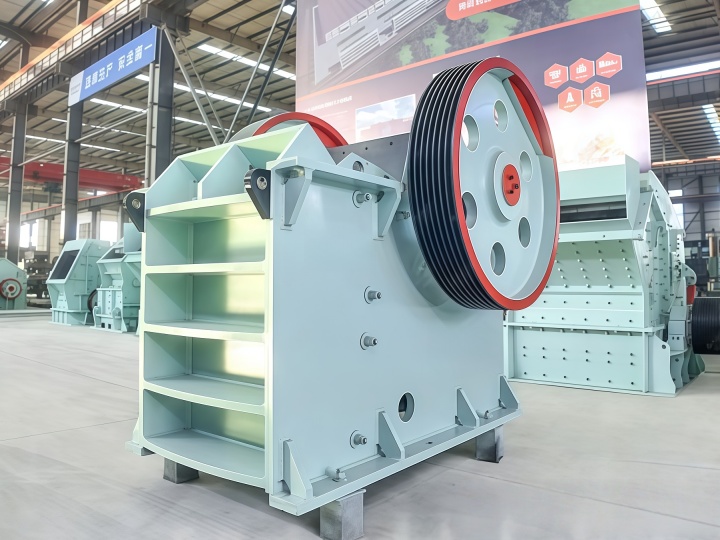
Where Can an Ore Crusher Machine Be Used?
The Ore Crusher Machine has a very wide range of applications, covering almost all industrial fields that need to break large materials into smaller pieces. This equipment plays an important role in many scenarios.
Mining is its primary application area. Whether in underground or open‑pit mines, the run‑of‑mine ore must undergo primary crushing before entering beneficiation and smelting. Metal ores, non‑metal ores, and precious metal ores all rely on crushers for this first step.
Metallurgy and smelting also make heavy use of this type of equipment. Before smelting, ore needs to be crushed to a suitable size to improve smelting efficiency and metal recovery. The product provides a qualified raw material supply for smelting processes.
Building materials production is another important direction. Whether producing aggregates for concrete or preparing sub‑base materials for roads, the machine can break natural stone into particles that meet specifications.
In highway and railway construction, it is used to process crushed stone for pavement bases and sub‑bases. Water conservancy projects and the chemical industry similarly depend on such equipment to handle various ores and raw materials.
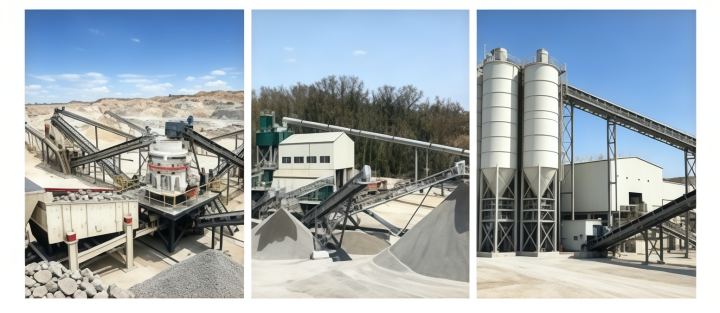
Choose the Right Ore Crusher Machine for Your Needs
Selecting a suitable Ore Crusher Machine requires considering several factors together. The right model depends on ore characteristics, output requirements, and site conditions. Here are the key points to focus on when choosing this product.
Choose according to ore hardness. Ore hardness directly affects model selection. Hard ores (such as granite and iron ore) need a model with strong crushing force and sturdy construction; softer ores (like limestone) may be better suited to impact crushers. Knowing the compressive strength of the ore to be processed is the first step in selection.
Choose according to production capacity needs. Different models have very different processing capacities. Large‑scale production needs a machine with high capacity; small‑ or medium‑scale operations can choose a medium‑sized model. It is advisable to filter models based on the expected daily or hourly output.
Choose according to feed and discharge requirements. The original block size of the ore and the final required discharge size determine the crushing cavity type and the discharge opening adjustment range. Oversized feed may require a primary coarse crusher first, then a secondary or tertiary unit.
Choose according to site conditions. Space availability, power supply, foundation load‑bearing capacity, and other factors also affect the choice. Large equipment needs a stronger foundation and more working space, so site conditions should be fully considered during selection.
Customer Feedback on the Ore Crusher Machine
In actual use, users’ feedback on this product centres on several aspects. These real reviews can help potential buyers better understand the actual performance of the machine.
Feedback on crushing effect. Most users find the crushing effect satisfactory – the discharge particle size is uniform and meets the requirements of downstream processes. Different types have their own characteristics in reduction ratio and product shape, and users generally report that after selecting the right model for their material, the results meet expectations.
Feedback on operational stability. The stability of the equipment under continuous operation has been widely recognised by users. User feedback indicates that, with normal maintenance, the product maintains consistently stable running with a low failure rate, offering reliable support for continuous production.
Feedback on maintenance convenience. Users generally consider daily maintenance tasks to be quite simple. The replacement cycles of wear parts are predictable, and maintenance work does not require overly complex tools or special skills, which reduces the learning curve for operators and the daily maintenance workload.
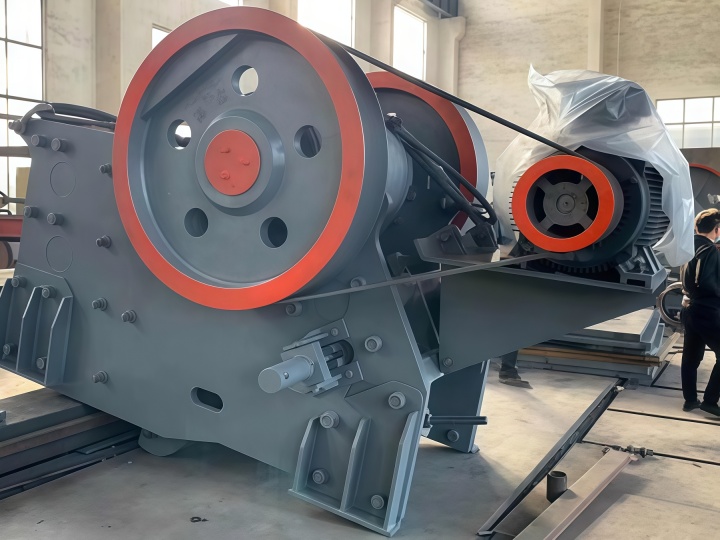
Frequently Asked Questions About the Ore Crusher Machine
What is the price of an ore crusher machine?
The price of an ore crusher machine varies depending on the type, model, capacity, and configuration. Small jaw crushers start from around 5,500, while medium to large cone crushers and impact crushers can range from 20,000 to over 100,000. For an accurate quote tailored to your specific requirements, please contact our sales team.
What size ore crusher machine do I need for 100 t/h production?
For a 100 t/h production line, we typically recommend a PE‑600x900 jaw crusher for primary crushing, paired with a PF‑1214 impact crusher or a HPY300 cone crusher for secondary crushing, depending on your ore hardness and final product shape requirements.
What is the difference between a jaw crusher and a cone crusher?
A jaw crusher is used for primary coarse crushing and handles large feed sizes up to 1020mm. A cone crusher is used for secondary or fine crushing and produces more uniform particle shapes. Jaw crushers are suitable for hard, abrasive ores, while cone crushers are ideal for high‑hardness ores requiring fine output. We recommend jaw crushers for the first crushing stage and cone crushers for the second or third stage.
Do you offer customized ore crusher machines?
Yes, we offer full customization services. We can adjust feed opening, discharge settings, motor power, and even wear material grades based on your specific ore type, capacity requirements, and site conditions. Contact us with your project details for a tailored solution.
What is your delivery time for ore crusher machines?
Standard delivery time for ore crusher machines is typically 15‑30 working days after order confirmation, depending on the model and quantity. Customized orders may require 30‑45 working days. We will provide a confirmed delivery schedule upon order placement.