Ore Crusher Machine Price – How Much Does a Mining Crusher Cost in 2026?
Thursday August-20 2026 10:03:16
An Ore Crusher Machine can cost anywhere from tens of thousands to over one million dollars, depending on the equipment type, processing capacity, and configuration level. The global mining crushing equipment market is undergoing significant changes in 2026: ore grades are declining, mining depths are increasing, and rock hardness continues to rise.
According to Fortune Business Insights, the global crushing and screening equipment market reached USD 7.26 billion in 2024. Major global suppliers include Metso Outotec, Sandvik, Terex, and ThyssenKrupp. The quoted price of an Ore Crusher Machine is only the beginning of the story, as the actual cost is determined by equipment type, processing capacity, power source, and ongoing operational expenses.
Table of Contents: Price Reference Table | Six Core Factors | Brand Performance Comparison | TCO Lifecycle Comparison | Five Key Considerations | FAQs
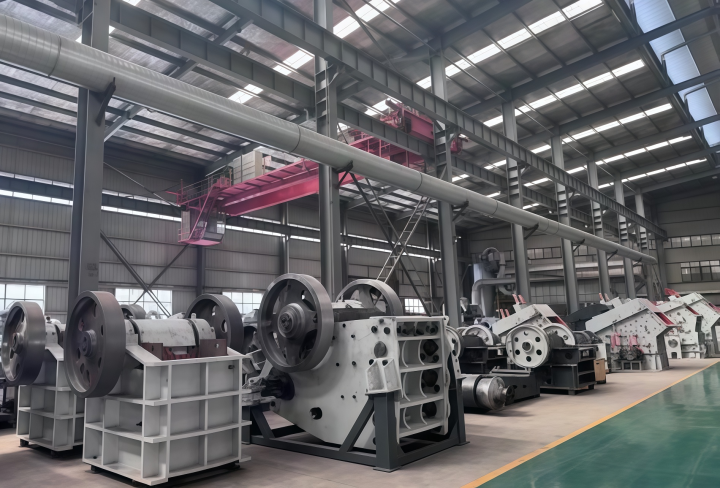
2026 Price Reference for Various Ore Crusher Machine Types
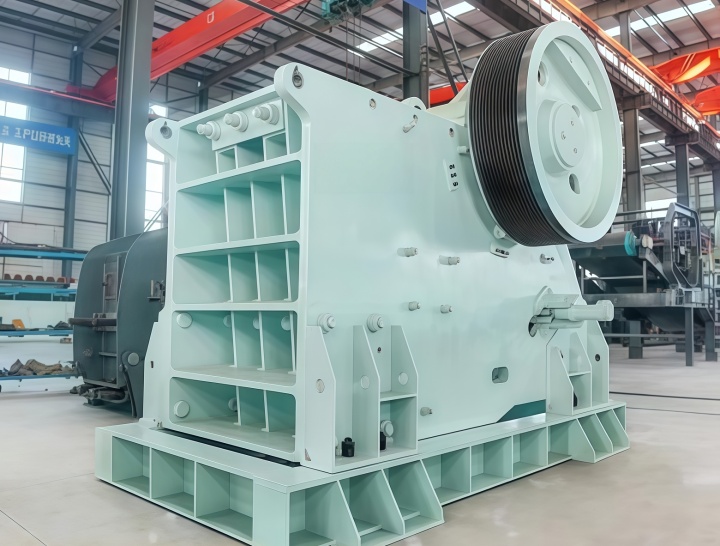
Price variations across different models are substantial. The global jaw crusher market is projected to grow from USD 963 million in 2025 to USD 1.317 billion by 2032, with an average market price of approximately USD 82,000 per unit.
The table below summarizes price ranges for mainstream models in 2026:
| Equipment Type | Capacity Range | 2026 Reference Price |
| Small Jaw Crusher PE‑400×600 | 5‑150 TPH | USD 15,000‑60,000 |
| Medium Jaw Crusher PE‑900×1200 | 150‑700 TPH | USD 70,000‑250,000 |
| Cone Crusher | 30‑800 TPH | USD 60,000‑200,000 |
| Impact Crusher | 50‑600 TPH | USD 40,000‑180,000 |
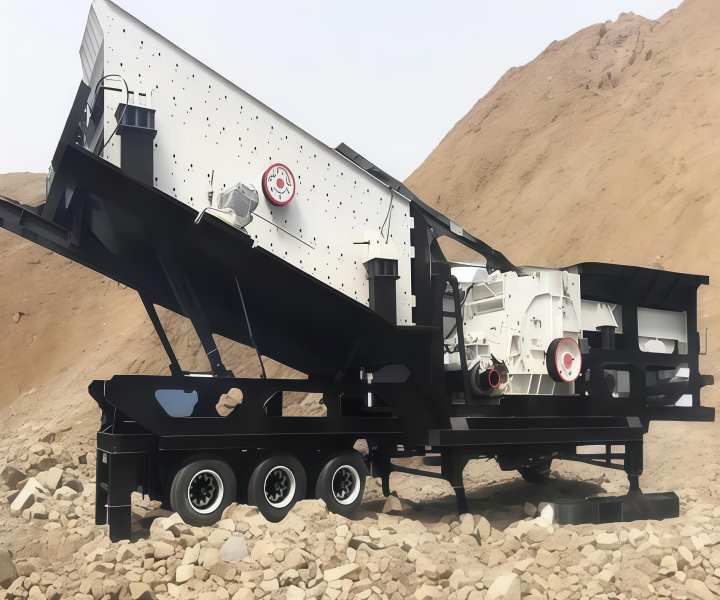
| Mobile Crushing Station | 100‑500 TPH | USD 210,000‑580,000 |
| Gyratory Crusher | 500‑3000 TPH | USD 1.2‑1.5 million |
For a 200 TPH three‑stage stationary configuration, the equipment‑only investment falls in the range of USD 380,000 to 520,000. At the same throughput capacity, opting for a mobile solution costs 30% to 70% more than a stationary setup. The PE‑600×900 jaw crusher is priced between approximately USD 23,000 and 68,000.
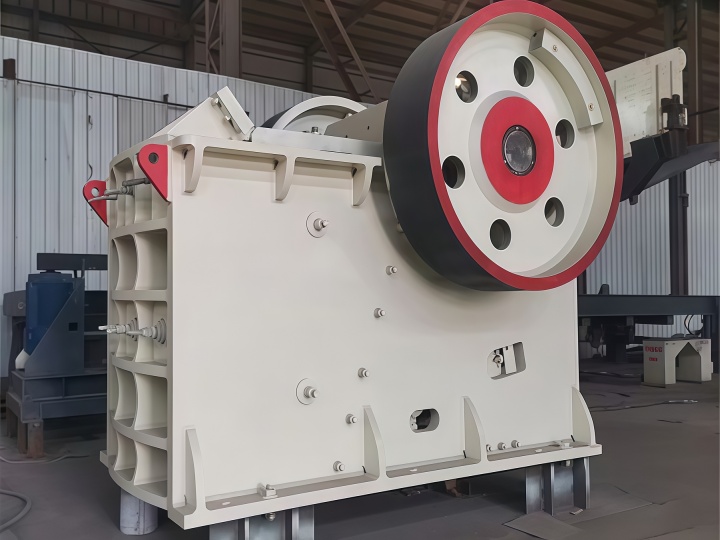
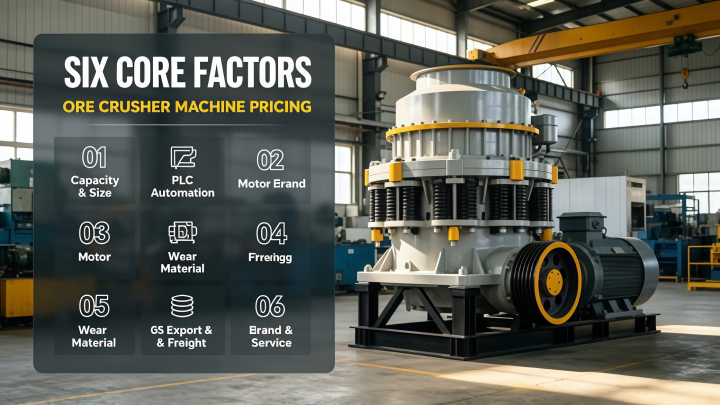
Six Core Factors That Determine Ore Crusher Machine Pricing
The final quotation for an Ore Crusher Machine is shaped by multiple variables.
Machine size and processing capacity are the primary factors driving price differences. Between the PE‑400×600 and PE‑900×1200 jaw crusher models, the price can differ by a factor of four to six, based solely on frame size and motor specifications.
Automation is emerging as a new pricing variable. Equipment equipped with PLC controls, remote monitoring, and hydraulic adjustment features costs 5% to 20% more than a base model, yet an increasing number of project operators are willing to pay for these upgrades.
Motor brand selection also affects the final figure. Replacing a standard motor with an international brand such as Siemens or ABB typically adds 5% to 15% to the price.
Wear material quality is equally reflected in the quotation. Upgrading from Mn13 to Mn18 or opting for ceramic composite liners increases the procurement cost but extends service life by 20% to 40%.
Export packaging and sea freight can add another 18% to 25% on top of the FOB quotation. Brand premium and after‑sales service are also cost components worth considering, as top‑tier brands' core component warranty periods and on‑site response times are often directly reflected in equipment pricing.
Brand Performance Comparison for Ore Crusher Machine
When selecting equipment, performance differences between brands directly impact long‑term operating costs. The comparison below is based on same‑class cone crushers at 200 TPH capacity:
| Comparison Dimension | Metso Nordberg HP Series | Sandvik CH Series |
| Average Power Consumption per Ton | 2.1‑2.4 kWh/t | 2.2‑2.5 kWh/t |
| Average Liner Service Life | 800‑1,000 hours | 700‑900 hours |
| Recommended Maintenance Interval | Every 500 hours | Every 400 hours |
The Metso HP series typically delivers 10% to 15% longer liner life compared to other brands in the same class, though the initial equipment quotation is correspondingly 8% to 12% higher. The Sandvik CH series offers more stable processing capacity in hard rock applications, with its automatic adjustment system adapting better to feed size fluctuations. The choice between brands depends on the specific ore characteristics and the project's weighting between initial investment and long‑term operating costs.
Ore Crusher Machine Total Cost of Ownership Lifecycle Comparison
The purchase price of an Ore Crusher Machine accounts for only 20% to 30% of its lifecycle cost, with the majority of costs hidden in electricity consumption, wear parts replacement, and unplanned downtime.
For a medium‑sized concentrator processing 1,000 tons per day, the five‑year TCO ranges from approximately USD 3.5 million to 4.2 million. For a large‑scale mine processing 5,000 tons per day, the five‑year TCO typically falls between USD 7.2 million and 8.8 million.
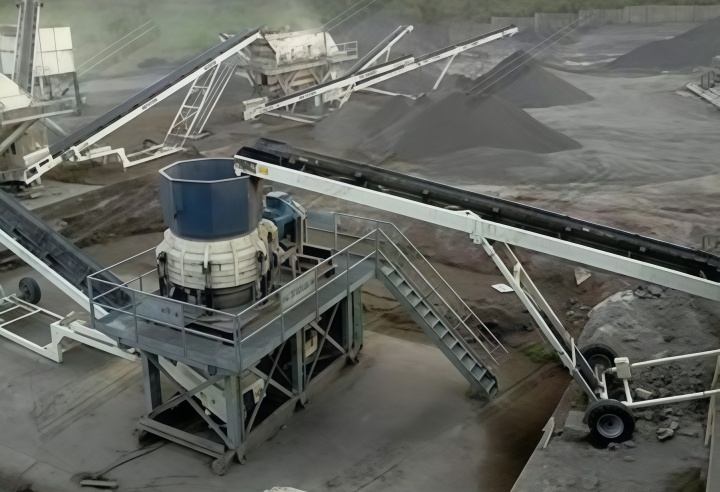
Case Study: A 5,000 TPD Hard Rock Copper Mine in Southeast Asia
This copper mine, located in Southeast Asia, processes high‑silica hard rock with an feed size below 400 mm and requires a crushed product P80 of less than 12 mm. The mine initially operated an old spring cone crusher as the secondary crushing unit, with the following operational data: power consumption of 2.8 kWh per ton, liner replacement cycle of approximately 4 months requiring 3 changes per year, annual operating time of about 6,500 hours, and annual throughput of approximately 4.5 million tons.
During an expansion project, the mine replaced it with a new hydraulic cone crusher. The core considerations in equipment selection were reducing power consumption per ton and minimizing downtime. Post‑upgrade operational data showed that the optimized crushing chamber improved throughput by approximately 15%, while power consumption dropped to 2.3 kWh per ton. At the local industrial electricity rate of USD 0.12 per kWh, annual electricity savings alone amount to approximately USD 180,000. The liner replacement cycle extended to 6 months, reducing changes to once per year, with each replacement costing approximately USD 80,000 including parts and labor.
The key takeaway from this case is that the purchase price difference for equipment may be in the range of USD 100,000 to 200,000, yet the operating cost differential in electricity and liners alone over three years can exceed that number. Additionally, the production losses caused by 8% to 12% annual unplanned downtime must also be factored into total cost.
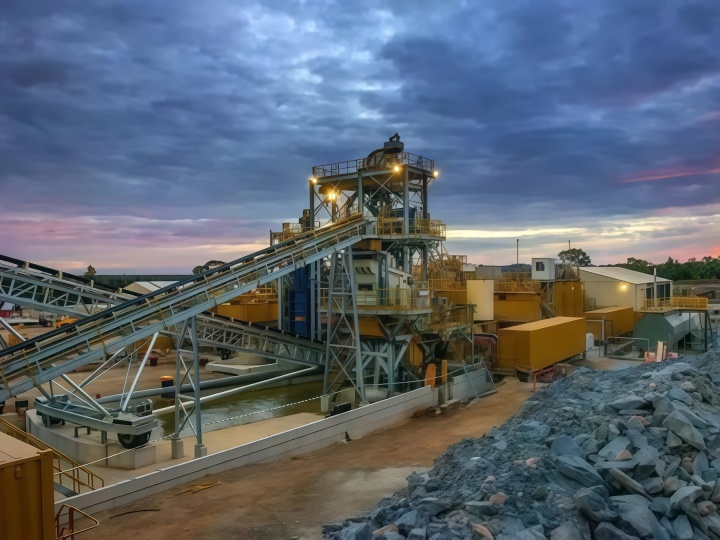
Five Key Considerations for Purchasing an Ore Crusher Machine in 2026
Procurement decisions should not be based solely on initial quotations.
The actual cost per ton of ore processed is the core metric. A lower‑priced unit with 15% higher power consumption may see the additional electricity costs over three years exceed the initial price difference.
The match between equipment and ore hardness directly impacts throughput and wear rates. For high‑silica ores, cone crushers are generally more economical than impact crushers.
The cost‑effectiveness of mobile options is shifting. While the unit price is 30% to 50% higher than stationary lines, eliminating USD 150,000 to 400,000 in civil construction costs results in a higher overall return.
Warranty terms require careful review. Standard warranties for mainstream manufacturers in 2026 are 24 months or 8,000 operating hours.
Financing and leasing are viable options for spreading upfront costs. Most suppliers and financial institutions offer equipment financing solutions ranging from 24 to 84 months.
Data Sources and Verifiability Statement
The global market data cited in this article is sourced from publicly available industry reports including Fortune Business Insights and QYResearch. Equipment price ranges are compiled from global B2B platforms and equipment manufacturer official quotations. TCO percentages and savings estimates are based on industry‑standard logic and publicly available equipment specifications. Brand comparison data is compiled from manufacturer‑published technical manuals and product specification sheets. This content is based on industry experience and actual delivery data from a mining crushing equipment manufacturing facility. All case studies and pricing information can be independently verified through public channels or calculated from equipment specifications.
Closing Remarks
The cost of an Ore Crusher Machine in 2026 is never a simple number. From the USD 15,000 small jaw crusher to the million‑dollar gyratory crusher, the price range spans from small quarries to multi‑million‑ton‑per‑year mining operations.
The selection of crushing equipment extends beyond procurement—it directly impacts mineral recovery rates, production line stability, and long‑term operating cost structures. What's worth the effort is calculating the combined total of purchase price, operating electricity costs, wear parts replacement frequency, and production losses from downtime. Obtaining detailed itemized quotations based on actual operating conditions and calculating the total cost accordingly yields a reliable assessment of overall investment.
FAQs About Ore Crusher Machine Procurement
Q1: How much can a used Ore Crusher Machine save?
Used equipment typically costs 40% to 60% less than new machines, which is attractive. However, older models often consume 15% to 20% more power per ton processed, and at 3,000 operating hours per year, the additional electricity costs over three years can offset much of the initial savings.
Q2: What percentage do installation and civil works account for for an Ore Crusher Machine?
Civil works and installation typically represent 10% to 25% of total project investment. Small projects require approximately USD 5,000 to 30,000, while large‑scale projects may see civil costs exceed USD 200,000, depending on foundation conditions and on‑site environment.
Q3: Which is more cost‑effective—electric or diesel‑powered Ore Crusher Machine?
Electric‑driven units save 70% to 80% on fuel costs compared to diesel solutions, though the upfront electrification investment is higher. The industry trend in 2026 is shifting toward electric and hybrid solutions, driven primarily by long‑term operating cost advantages.
Q4: Will Ore Crusher Machine prices rise in 2026?
Yes. The global crushing equipment market is projected to grow approximately 4.3% to 6.6% year‑over‑year in 2026. Rising raw material costs, tariff adjustments in certain countries, and fluctuating freight rates are all driving quotations upward.