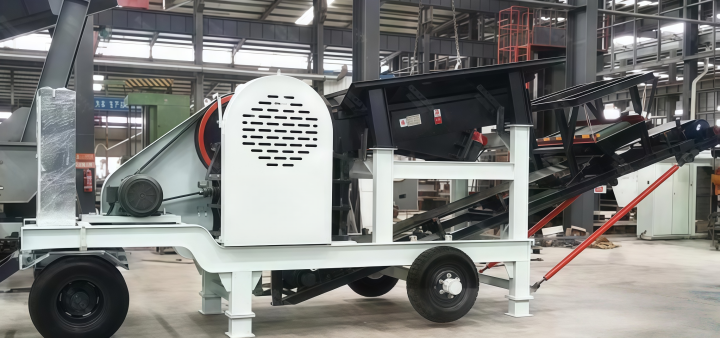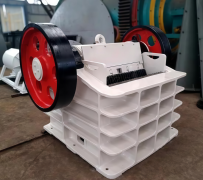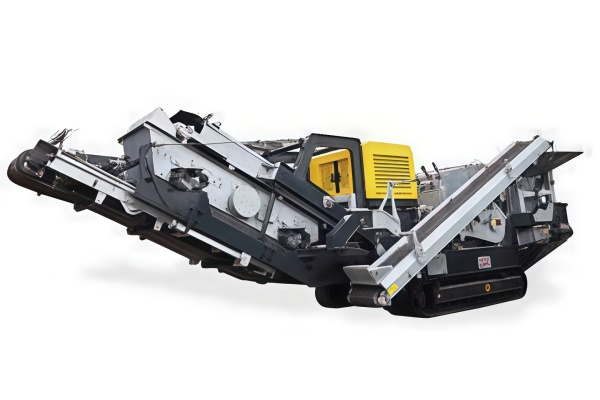
Mobile Jaw Crusher
Mobile Jaw Crusher are used for primary crushing of large stone and ore blocks, producing high‑quality aggregates of varying particle sizes for use in the construction, building materials, and mining industries. Prices typically range from $65,000 to $380,000. Feed opening size: ≤630mm Production capacity: 15‑520 tons/hour Discharge opening adjustment range: 25‑120mm Spindle speed: ≤320 rpm Motor power: 55‑315kW
What Defines Our Mobile Jaw Crusher?
The mobile jaw crusher is a portable primary crushing unit widely used in quarrying, mining, and concrete recycling. As a highly efficient portable jaw crusher, it eliminates the need for stationary infrastructure. Whether you need a tracked jaw crusher for rough terrain or a wheeled jaw crusher for frequent road transfer, our mobile plants deliver high output for aggregate production and on-site rock crushing.
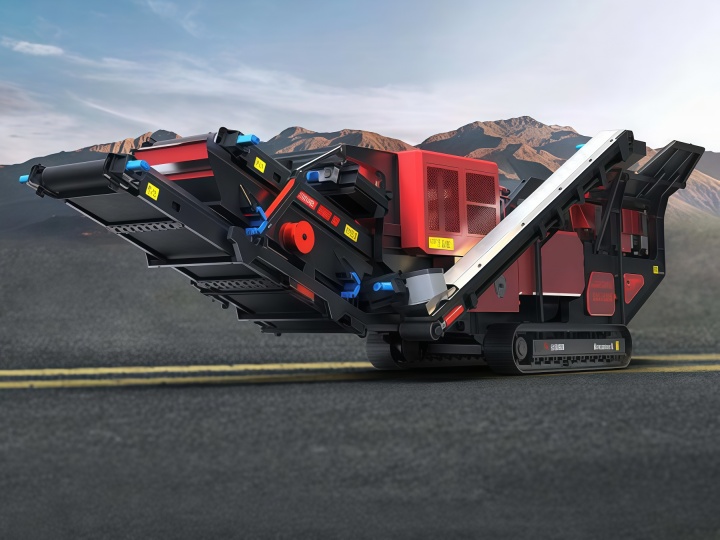
Mobile Jaw Crusher Video Showcase
How Does the Mobile Jaw Crusher Work?
The crushing action of this equipment relies on a simple and effective principle that breaks down the feed material through a continuous cycle. The machine uses a fixed jaw plate and a moving jaw plate, with the motor driving the moving jaw through an eccentric shaft to press the material against the fixed jaw. When the moving jaw moves towards the fixed jaw, the material is crushed, and when it moves away, the broken material falls down to be discharged from the bottom of the crushing chamber. The moving jaw assembly is built with a forged shaft and bearings for reliable operation under demanding crushing conditions.
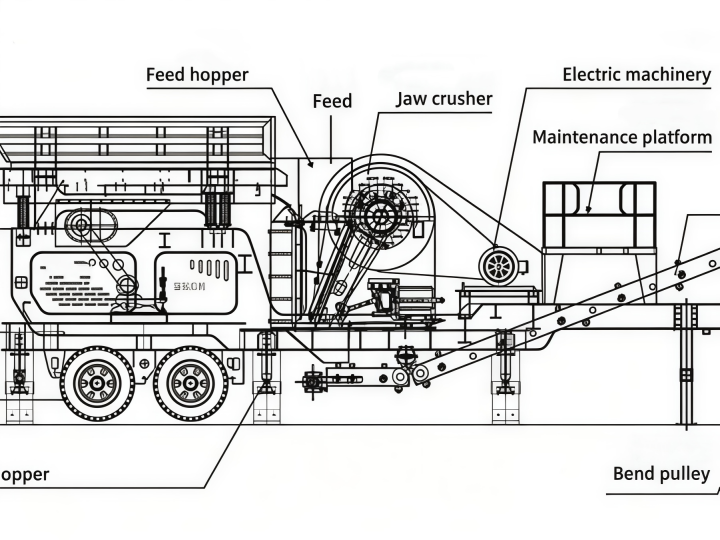
The Core Components of the Mobile Jaw Crusher
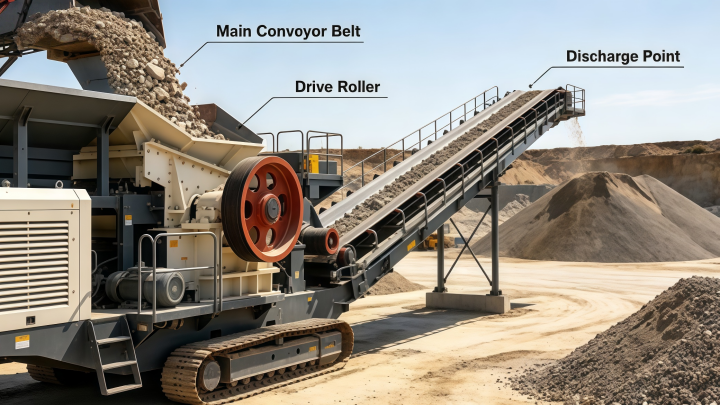
Our Mobile Jaw Crusher is composed of several key parts that work together to maintain smooth operation from feeding to final discharge.
Feeding system: the hopper receives the raw material, and a vibrating feeder then transports the material into the crusher at a consistent and controlled rate, with some models offering an optional pre-screening system to remove fine particles before they enter the crusher.
Jaw crusher unit: this is the heart of the machine, featuring a robust crushing chamber designed for hard and abrasive materials, with jaw plates made from wear-resistant steel for extended service life.
Main conveyor belt: once the material is crushed, it is discharged onto this belt, which transports the final product away from the crusher for stockpiling or further processing.
Mobile chassis: the entire unit is mounted on a sturdy, wheeled or tracked chassis that allows for easy towing or movement around the site, with a durable structure and compact layout for convenient transport.
Control system: the equipment is equipped with an operator-friendly control system for start-up, monitoring, and machine setting adjustments, with features like wireless remote control offering additional convenience and safety.
Mobile Jaw Crusher Models and Specifications
We offer the Mobile Jaw Crusher in several model configurations to suit different capacity requirements and material characteristics. The table below outlines the typical specifications across the series, with each model designed for specific operational needs.
| Model | Feed Opening (mm) | Max. Feed Size (mm) | Capacity (t/h) | Total Power (kW) | Weight (t) |
|---|---|---|---|---|---|
| MJC-E80 | 800 x 500 | 420 | 40-80 | 75 | 28 |
| MJC-E100 | 1000 x 650 | 550 | 70-150 | 110 | 38 |
| MJC-E125 | 1250 x 750 | 650 | 100-220 | 160 | 52 |
| MJC-T96 | 930 x 580 | 480 | 60-130 | 132 (Diesel) | 32 |
Note: The tracked models are self-propelled, while wheeled models require towing.
Key Advantages of Portable Jaw Crusher for Rock Crushing
Choosing this equipment brings several benefits to your operations, helping to improve productivity and reduce overall costs.
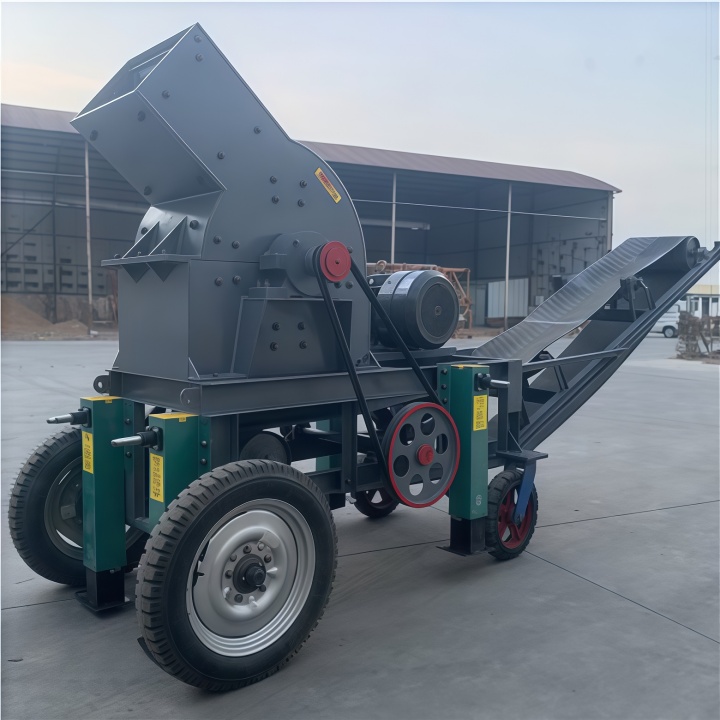
On-site mobility: the primary advantage is the ability to move easily, allowing you to relocate the machine directly to the material source and eliminating the need for costly haulage of raw materials to a stationary plant, saving both time and transport costs. For instance, in road construction projects, the unit can be advanced along the route as work progresses, reducing material handling.
Rapid setup and deployment: the equipment features an integrated design that allows for quick installation and start-up upon arrival at a new site, effectively reducing downtime between projects.
Integrated operation: the mobile unit combines the feeder, crusher, and discharge conveyor on a single chassis, streamlining the process and simplifying operation so it can be managed by a single operator.
Robust performance: it is engineered for high-capacity primary crushing, and the equipment can handle a wide range of materials, from hard rocks like granite to construction debris and recycled materials. The crushing chamber design allows for processing of materials with high moisture content without blockage.
Operator comfort and safety: features like remote control and simple adjustment mechanisms make the equipment user-friendly, with maintenance points designed for safe access.
Applications in Aggregate Production and Mining
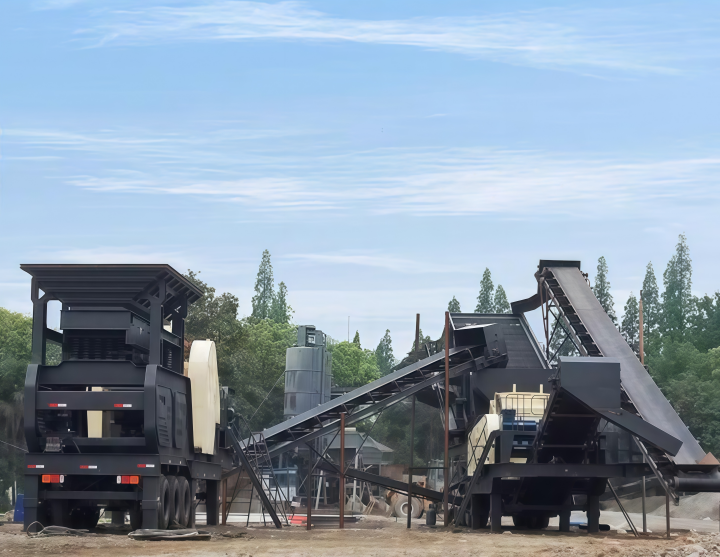
The Mobile Jaw Crusher is versatile and suitable for multiple industries, providing crushing solutions for different material processing applications.
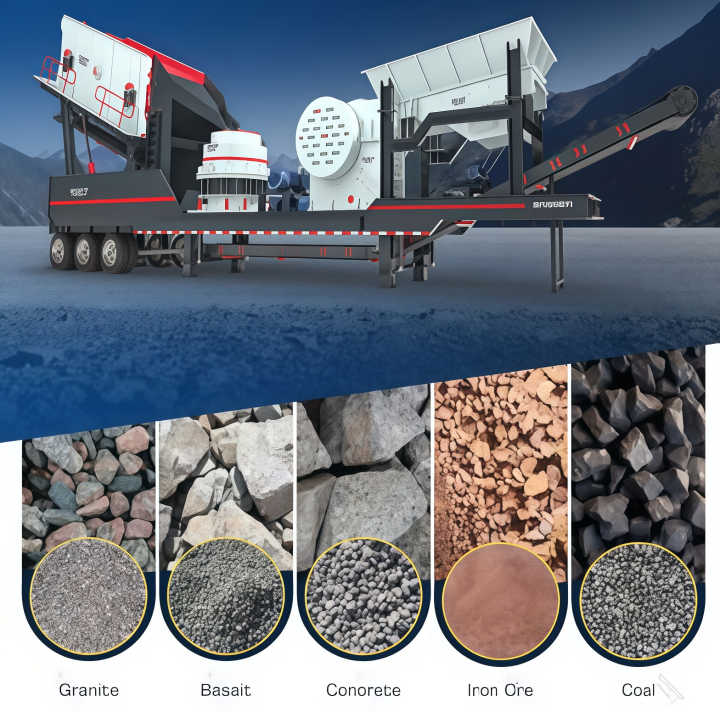
Quarrying and mining: it is a choice for primary crushing of raw stone in quarries and mines, capable of processing hard and abrasive rocks like granite and basalt.
Construction and demolition: the equipment is practical for recycling concrete, asphalt, and other construction debris, with its mobility allowing it to work directly at the demolition site and convert waste into valuable aggregates. It can also process materials containing rebar or steel mesh.
Road construction: it can be used to produce base materials and aggregates for road building projects, and the ability to move the crusher along the project route offers logistical advantages.
Other applications: this equipment is also used in the production of various minerals and ores, with its robust design capable of meeting the demands of heavy industrial applications.
Product Quality and Reliability
Our Mobile Jaw Crusher is manufactured to quality control standards, focusing on reliability and stable performance. The main jaw plates and wear parts are produced from high-manganese steel, with a hardness level that supports extended replacement cycles. The electrical system uses internationally recognized brand components, and the hydraulic system is sealed against dust and moisture to prevent contamination. Each unit undergoes assembly testing before shipping to verify system functionality and crushing capacity against specified parameters.
Related Equipment for Complete Solutions
To build a complete processing line, the Mobile Jaw Crusher can be paired with other mobile units for screening and conveying. Consider combining it with our mobile vibrating screen for closed-circuit crushing, or with our mobile conveyor system for material stockpiling. We also offer stationary jaw crushers and impact crushers for fixed plant installations, along with vibrating feeders and screening equipment. Our team can provide guidance on equipment combinations based on your site conditions, material type, and production targets.
Frequently Asked Questions About the Mobile Jaw Crusher
What is the typical service life of the jaw plates?
The service life of the jaw plates depends directly on the abrasiveness of the material being crushed. For processing medium-hard limestone, the jaw plates can last for a considerable period, while for highly abrasive materials like granite, the replacement interval will be shorter. We can provide wear part consumption estimates based on your specific material application to help you plan operating costs.
Can the equipment handle materials with high moisture content?
Yes, the crushing chamber design of our Mobile Jaw Crusher allows for processing of materials with elevated moisture levels without the risk of blockage. The optimized jaw geometry and discharge opening configuration help prevent sticky materials from packing inside the chamber, allowing for continuous operation even in wet conditions.
How long does it take to set up the equipment at a new site?
The integrated design of our Mobile Jaw Crusher enables rapid setup upon arrival at a new location. The entire process, which includes positioning the unit, connecting the power source, and performing basic safety checks, typically takes less than one hour. This quick deployment capability allows you to begin crushing operations with minimal delay between project sites.
What is the price range for a mobile jaw crusher?
The price varies based on capacity, chassis type (tracked vs. wheeled), and configuration. Our factory-direct mobile jaw crusher prices typically start from $21,500 for standard models. Contact us to get a customized quote based on your specific rock crushing requirements.