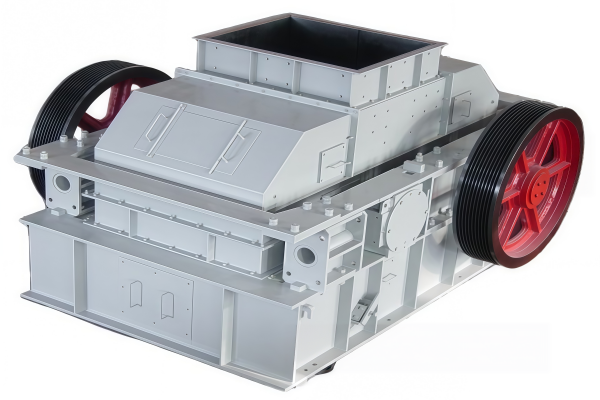
Feldspar toothed crusher for ceramic body preparation
Feldspar toothed crusher for ceramic body preparation
Feldspar toothed crushers are used for primary and medium crushing of feldspar, producing qualified raw materials for ceramic body preparation. Prices typically range from $12,000 to $180,000. Feed opening size: ≤420mm Production capacity: 10-320 tons/hour Discharge opening adjustment range: 2-50mm Spindle speed: ≤380 rpm Motor power: 15-160kW
In the ceramic body preparation process, raw feldspar ore typically has a lump size ranging from 200 to 500 millimeters, while the ball mill requires feed material sized between 10 and 25 millimeters. Feldspar toothed crusher for ceramic body preparation is designed specifically for this intermediate crushing stage, serving as the transitional equipment that reduces run-of-mine feldspar to ball mill feed size.
What Is Feldspar Toothed Crusher for Ceramic Body Preparation?
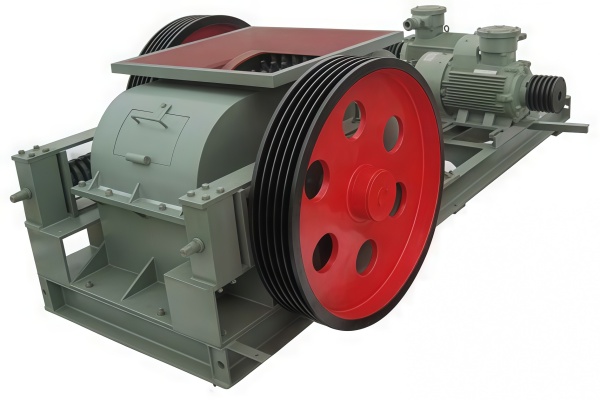
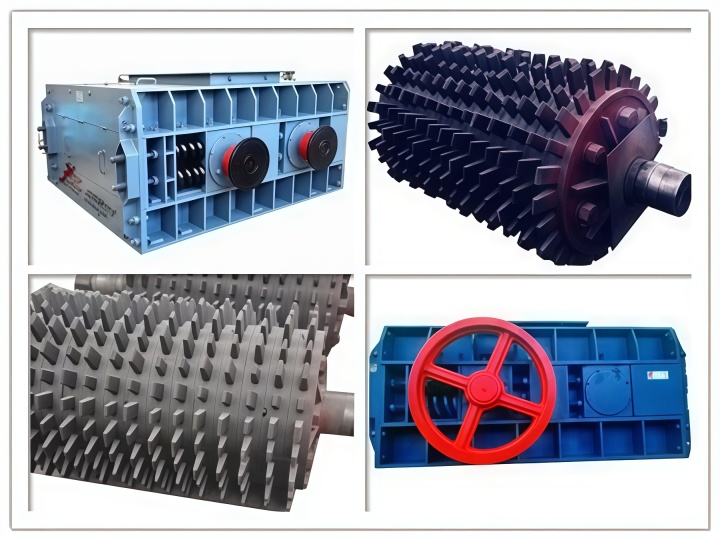
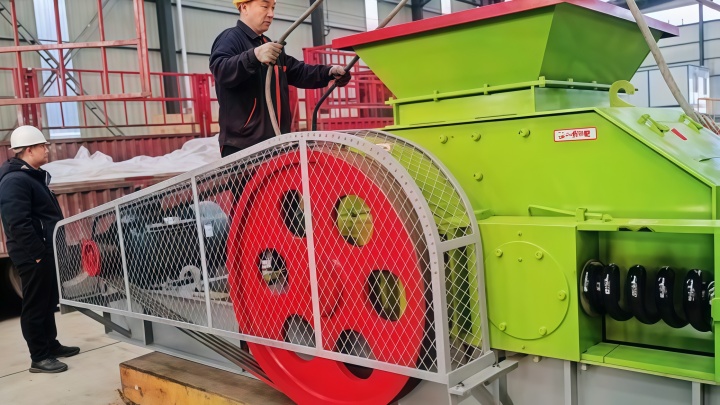
Feldspar toothed crusher for ceramic body preparation is a crushing machine that uses toothed rollers as its primary working components, suitable for medium and fine crushing of solid materials with compressive strength below 250 MPa and moisture content below 35%. The roller surfaces are equipped with precision-cast crushing teeth, available in multiple tooth forms including wolf teeth, long strip teeth, square wave teeth, and sharp wave teeth.
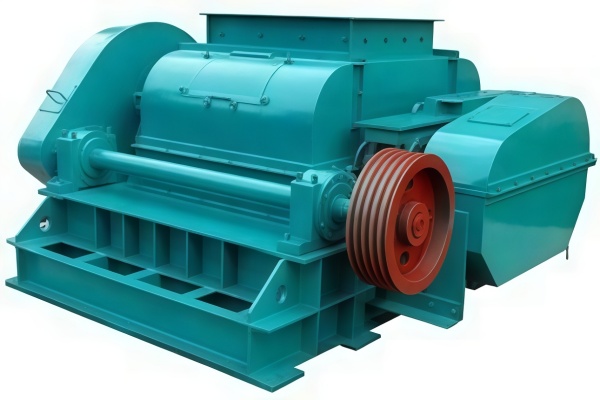
To meet the requirements of ceramic body preparation, the equipment has been specifically optimized in tooth profile design and roller material selection, enabling it to process ceramic raw materials including feldspar, quartz, and clay lumps. The equipment consists of transmission units, roller assemblies, frame structures, and electrical control systems.
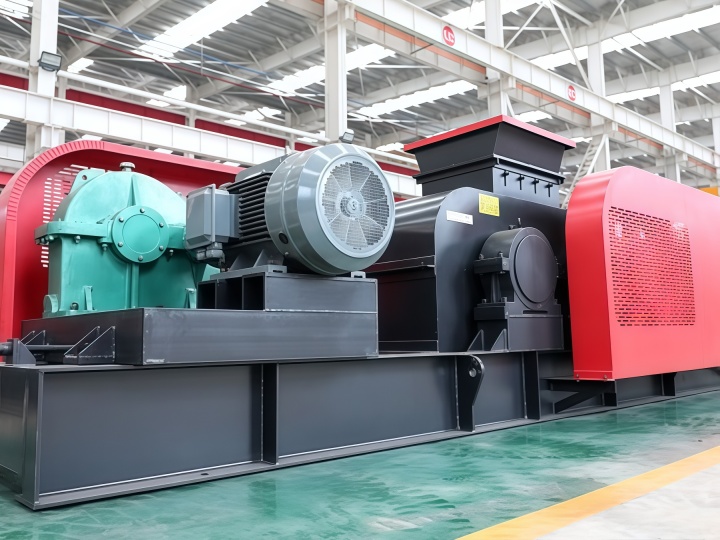
Feldspar toothed crusher for ceramic body preparation Video Showcase
What Are the Core Structural Components?
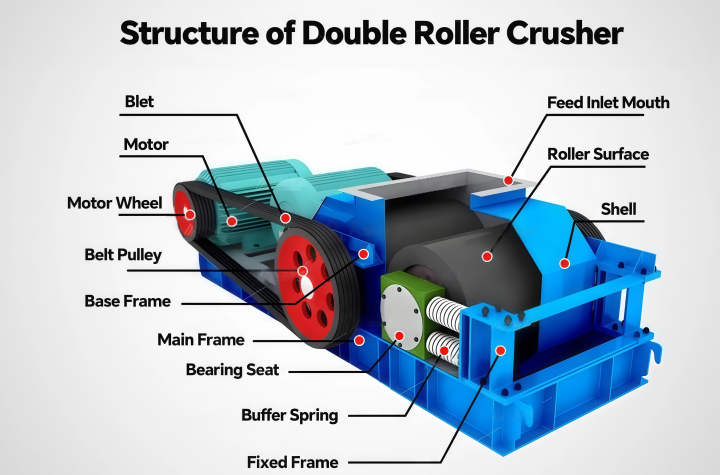
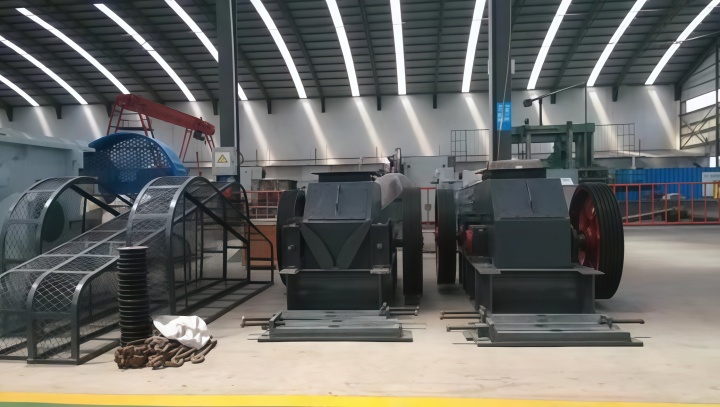
The core structural components are the two toothed rollers, replaceable tooth plates, a dual-motor drive system, and a hydraulic gap adjustment unit for precise output control.
Roller assembly serves as the direct working component, consisting of two high-strength wear-resistant alloy rollers with crushing teeth of specific profiles distributed across the roller surfaces. The roller material undergoes specialized heat treatment for improved wear resistance and impact strength.
Transmission unit supplies rotational power to the rollers, including motor, reducer, and drive system. The equipment offers two transmission options: V-belt drive or rigid coupling connection.
Frame supports all components with an integrally welded structure that provides rigidity and stability.
Electrical control system manages equipment startup, shutdown, and overload protection functions with convenient operation.
How Does the Toothed Roll Crusher Work?
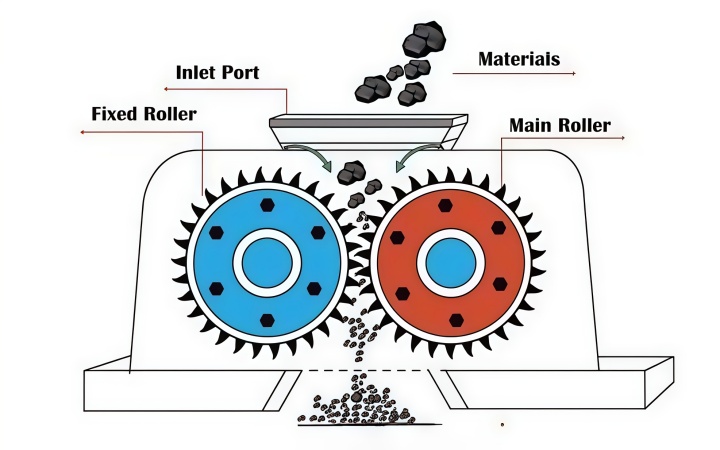
The toothed roll crusher works by counter-rotating two rollers that crush feldspar through compression and shear, reducing 200-500mm feed to 10-25mm in a single pass. Material enters the V-shaped crushing chamber between the rollers and is subjected to combined compressive and shear forces.
The crushing process consists of three stages. First, the tooth tips penetrate the material surface. Second, the rotating rollers generate shear forces that tear the material apart. Third, the material is compressed between the two rollers to complete the crushing action. This penetrate-tear-compress multistage approach ensures that finished particle sizes are concentrated near the set value, with oversized particles exceeding the discharge size limit accounting for less than five percent.
Which Tooth Profile Is Best for Feldspar?
For feldspar crushing, wolf teeth are generally recommended because they provide better interparticle crushing and lower fines generation, while square wave teeth are more suitable for harder ores.
Wolf teeth are suitable for high-hardness materials such as raw feldspar ore, featuring sharp tips with strong penetrating capability.
Long strip teeth are appropriate for medium-hardness materials, providing a gentler crushing action.
Square wave teeth are designed for high reduction ratio applications, capable of processing larger feed sizes.
Sharp wave teeth are intended for fine crushing operations, producing more uniform finished particle sizes.
For feldspar crushing in ceramic body preparation, wolf teeth or square wave teeth configurations are typically recommended to balance crushing efficiency and product size consistency.
What Are the Technical Specifications & Models?
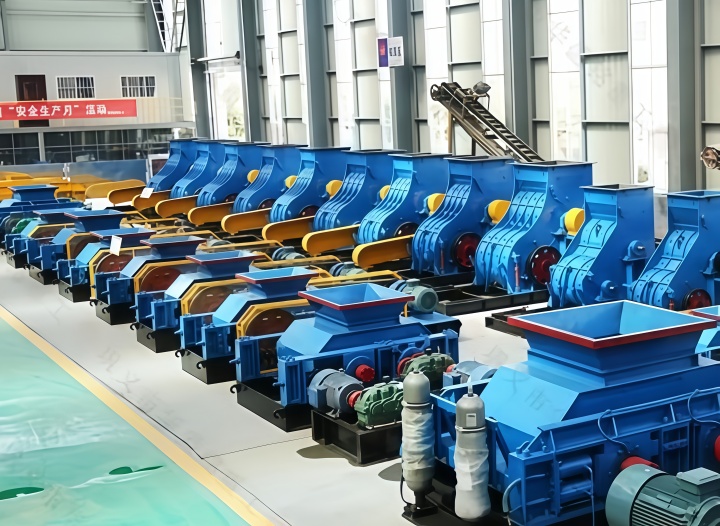
Our feldspar toothed crusher is available in 10 models with capacities ranging from 2 to 800 t/h, handling feed sizes from 120mm up to 900mm and producing outputs of 10-200mm. The following table presents the main technical specifications for each model:
| Model | Roller Diameter mm | Max Feed Size mm | Discharge Size mm | Capacity t/h | Motor Power kW | Protection Type |
| 2PG-10CT | 400 | 120 | 10-50 | 2-20 | 6-8 | Spring |
| 2PG-30CT | 450 | 120 | 10-50 | 6-40 | 8-15 | Spring |
| 2PG-50CT | 500 | 200 | 10-60 | 10-80 | 22-37 | Spring |
| 2PG-60CT | 600 | 300 | 10-80 | 20-150 | 30-45 | Spring |
| 2PG-80CT | 670 | 400 | 10-100 | 30-200 | 60-75 | Spring or Hydraulic |
| 2PG-100CT | 750 | 300 | 10-90 | 40-280 | 75-90 | Spring or Hydraulic |
| 2PG-120CT | 850 | 400 | 10-120 | 50-350 | 90-110 | Spring or Hydraulic |
| 2PG-150CT | 900 | 600 | 10-150 | 65-450 | 110-150 | Spring or Hydraulic |
| 2PG-220CT | 1000 | 800 | 10-180 | 80-600 | 150-180 | Spring or Hydraulic |
| 2PG-350CT | 1200 | 900 | 10-200 | 90-800 | 220-280 | Spring or Hydraulic |
The discharge size of each model is controlled by adjusting the roller gap, and tooth configurations can be customized based on material characteristics.
What Are the Operational Performance Benefits?
Key operational benefits include iron contamination below 0.02%, over-grinding rates under 8.2%, and 15-20% lower energy consumption compared to hammer crushers.
In iron contamination control, the equipment operates at a low roller speed of only 60 to 80 revolutions per minute, avoiding the metal wear debris generation associated with high-speed impact crushing. A potassium feldspar refining plant in Gujarat, India, using equipment equivalent to the 2PG-100CT specification, reduced iron contamination from over 0.35% to below 0.02%.
In over-grinding control, conventional hammer crushers processing brittle feldspar generate over 28% unusable fines, while the equipment reduces over-grinding fines to 8.2%. In terms of ball mill capacity, the high-pressure compression action creates micro-cracks within the particles, increasing ball mill throughput from 85 tons per hour to 115 tons per hour.
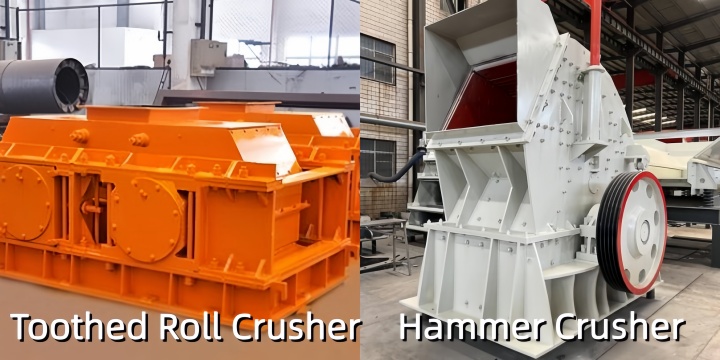
Feldspar Toothed Crusher vs. Hammer Crusher: Key Comparisons
| Parameter | Toothed Roll Crusher | Hammer Crusher |
|---|---|---|
| Over-grinding rate | <8.2% | >28% |
| Iron contamination | <0.02% | 0.15-0.35% |
| Energy consumption (per ton) | 15-20% lower | Baseline |
| Wear parts replacement cycle | 8-10 months | 15-20 days |
| Noise level | ~85 dB | >105 dB |
Data source: MACHRISE India project measurements
Core Value of Feldspar Toothed Crusher for Ceramic Body Preparation in Ceramic Body Preparation
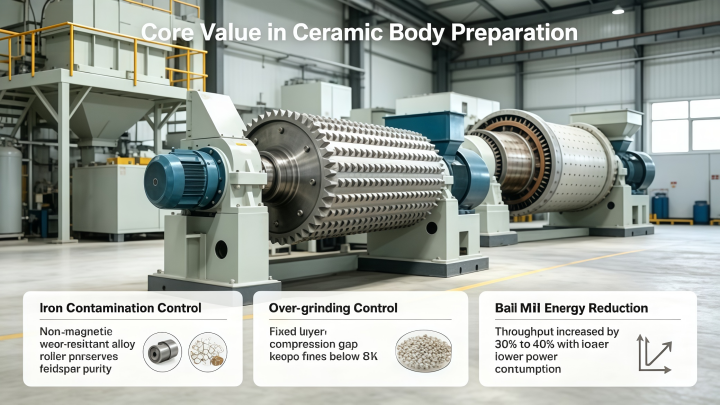
The core value of this equipment in ceramic body preparation is reflected in three dimensions.
First, iron contamination control. Iron is a particularly harmful contaminant in ceramic bodies and glazes, as even trace amounts can cause reddish or yellowish discoloration in finished products. The equipment uses non-magnetic wear-resistant alloy rollers to preserve the purity of feldspar raw materials during the crushing stage.
Second, over-grinding control. Ceramic body preparation requires controlled and consistent particle size distribution, as excessive fines make the body overly plastic and difficult to handle. The equipment employs fixed layer-compression gap crushing, maintaining fine waste material below 8%.
Third, ball mill energy reduction. Pre-compressed particles entering the ball mill require shorter grinding time, increasing ball mill capacity by 30% to 40% with corresponding reductions in plant power consumption.
What Materials Can This Crusher Process?
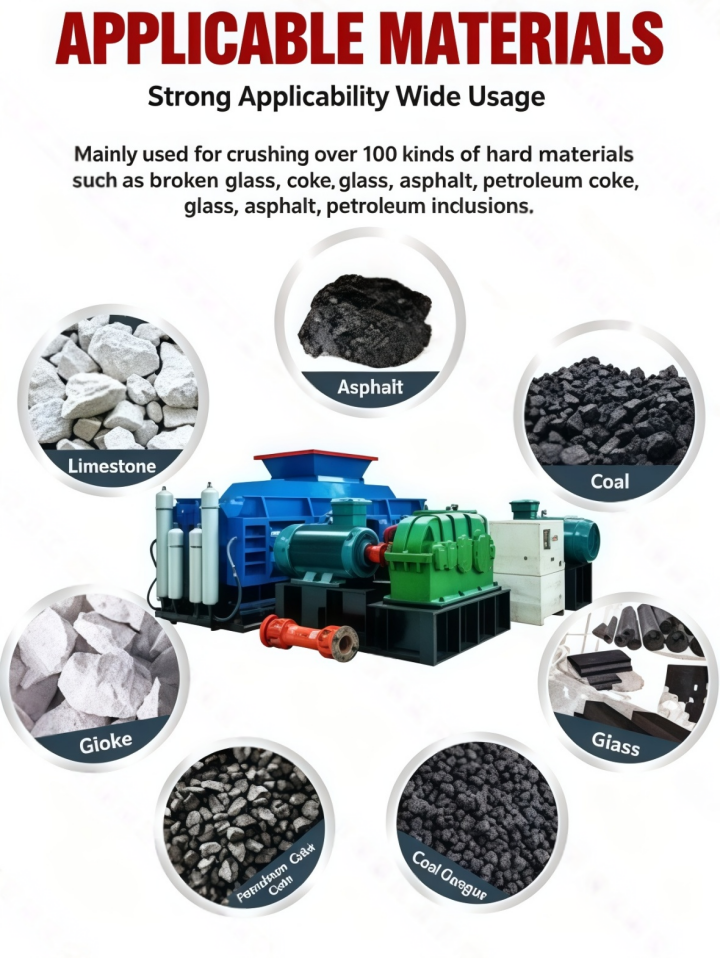
In addition to feldspar, this crusher can process quartz, clay lumps, recycled green ware, bisque ware, and other ceramic raw materials with a Mohs hardness up to 6.
Potassium feldspar and sodium feldspar are the primary fluxing materials in ceramic bodies. The equipment can reduce large feldspar ore in a single pass to the optimal ball mill feed size range of 10 to 25 millimeters. Quartz, with its high hardness and brittleness, is processed through compression and shearing, significantly reducing fine powder content in the finished product. Clay lumps can be broken down by the equipment to restore their plasticity. Rejected green ware and bisque ware can be crushed and reused as body components, reducing material waste.
How to Choose the Right Model by Capacity?
To choose the right model, match your required capacity (2-800 t/h) and feed size (120-900mm) with the corresponding model in our specification table below. Medium-scale production lines processing 100 to 500 tons per day are recommended to choose the 2PG-50CT or 2PG-60CT models, with roller diameters of 500 to 600 millimeters and capacity ranges covering 20 to 150 tons per hour. Large material processing centers with daily throughput exceeding 500 tons should consider the 2PG-80CT and above models.
Frequently Asked Questions About Feldspar Toothed Crusher for Ceramic Body Preparation
Does the crusher introduce iron contamination when crushing feldspar?
No. The equipment operates at low rolling speeds of only 60 to 80 revolutions per minute. Based on measured data from a potassium feldspar refinery in Gujarat, India, using the 2PG-100CT specification, iron contamination was reduced from over 0.35% to below 0.02%.
Does the crusher have a high risk of clogging when processing moist materials?
No. The tooth structure self-cleans accumulated material during operation and can process materials with moisture content below 25% without frequent shutdowns.
What is the approximate payback period for this crusher?
Based on the India potassium feldspar refinery case using the 2PG-100CT specification, ball mill throughput increased by 35.2%, and roller service life extended from 15 to 20 days to 8 to 10 months, demonstrating substantial comprehensive benefits.
Can the same crusher process different types of ceramic raw materials alternately?
Yes. The equipment can switch between different materials without special cleaning, though the roller gap setting may need adjustment when different discharge size requirements apply.
Can this crusher handle quartz and clay together with feldspar?
Yes, the crusher can process blends of feldspar, quartz, and clay with moisture below 25% and hardness up to Mohs 6. Wolf teeth profile is recommended for mixed feeds.
What is the typical delivery time and minimum order quantity?
Standard models are delivered within 30-45 working days. No minimum order quantity — single-unit trial orders are accepted.
For more information about model selection, technical specifications, or customization options for the equipment, please contact us through the website for professional support.