Chemical Cake Toothed Roll Crusher for Pigment Paste Price: 30-60 t/h Unit Cost Analysis
Thursday September-10 2026 11:56:27
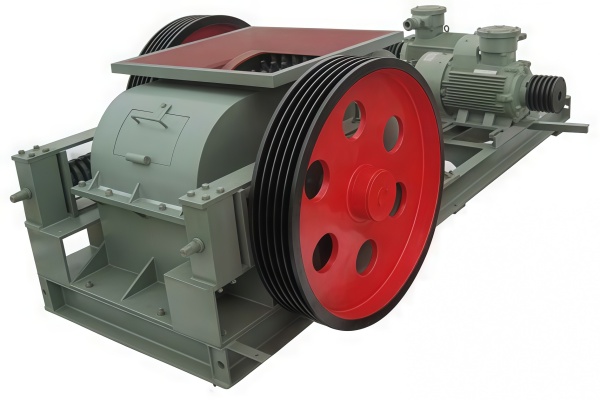
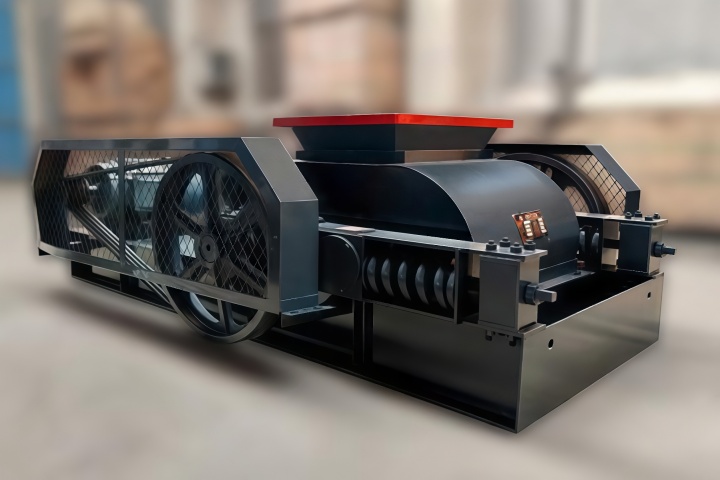
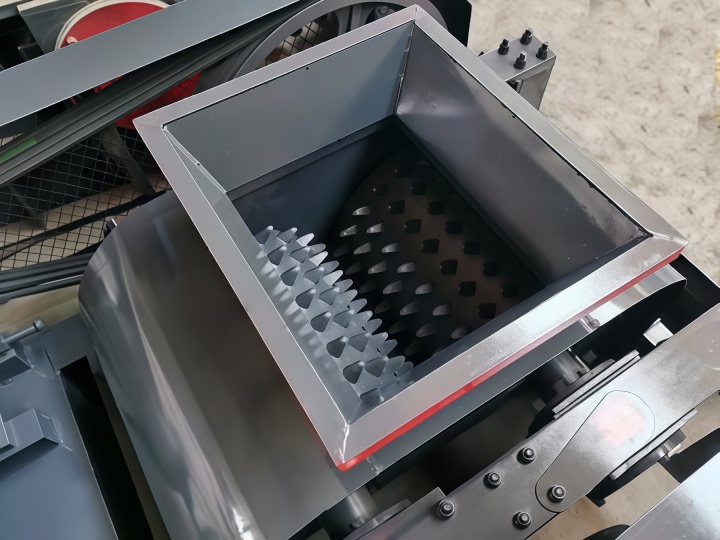
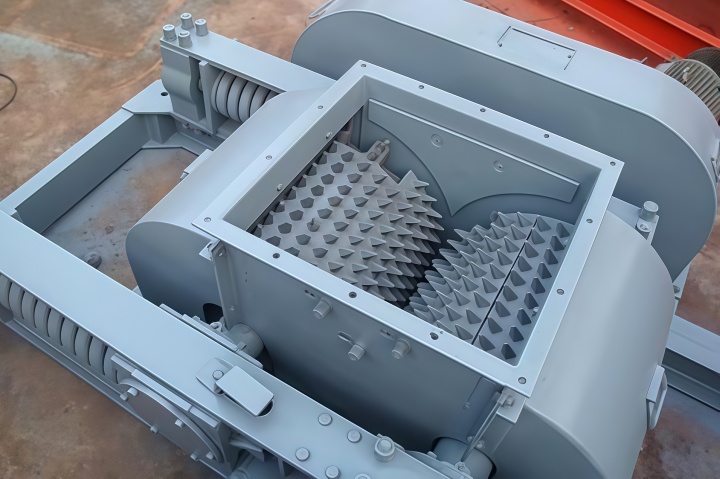
Breaking down high-viscosity pigment filter cakes is a common challenge in pigment production, and Chemical Cake Toothed Roll Crusher for Pigment Paste is purpose-built for this application. Two toothed rollers rotate in opposite directions; the teeth first pierce and split the cake, then the roller surfaces further crush the fractured pieces, delivering uniform particles for subsequent grinding. This article draws on hands-on experience in selecting and manufacturing toothed roll crushers for the pigment industry.
Compared to single-roll or hammer crushers, the toothed roll design offers clear advantages when processing paste-like materials. Filter cakes have high moisture content and strong adhesion, which often cause clogging in conventional crushers. This machine uses low-speed, high-torque transmission and specially profiled teeth to effectively strip adhered material from the roll surfaces, keeping the crushing chamber clear. That is the core value of this equipment—solving sticky material crushing challenges at a reasonable cost.
The global filter cake crusher market is growing steadily. According to a report by TechSci Research, the market is projected to increase from USD 20 million in 2025 to USD 30 million by 2031, at a CAGR of 6.99%, with pigment production being a significant source of demand.
The following analysis breaks down the equipment from five key perspectives.
How Do Different Models and Specifications Affect the Chemical Cake Toothed Roll Crusher for Pigment Paste Price?
Model specifications influence price primarily through roll diameter, roll length, and motor power. The 2PGC450×500 serves as the baseline model for the 30-60 t/h capacity range. This unit accepts feed sizes of 200–500 mm, delivers product sizes of 15–100 mm (adjustable), processes 30–60 tons per hour, and is powered by two 5.5 kW motors. The 2PGC600×900 handles feed up to 300–600 mm, product sizes of 30–150 mm, capacities of 80–120 t/h, and uses two 18.5 kW motors.
Publicly available quotations place the 2PGC450×500 in the range of USD 5,000–8,000, roughly RMB 36,000–58,000, while customized configurations can push the total to RMB 50,000–250,000. Selection should be based on actual capacity requirements to avoid over- or under-sizing.
How Do Roll Material and Manufacturing Processes Drive the Chemical Cake Toothed Roll Crusher for Pigment Paste Price?
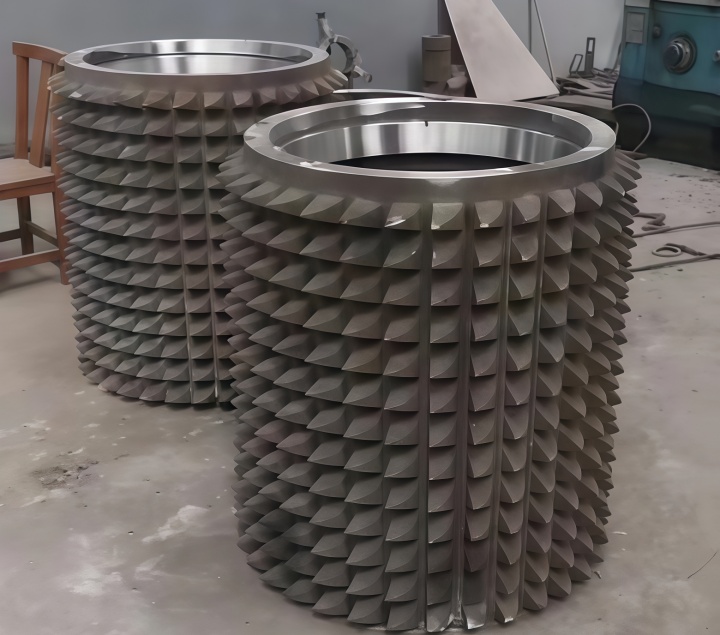
Roll material directly determines service life and maintenance costs, making it a primary factor in price fluctuations. Inorganic pigments are abrasive; ordinary cast steel rolls often show significant deformation within a few hundred hours of processing titanium dioxide filter cake. High-manganese steel rolls last considerably longer under the same conditions, but the higher material cost and precision casting complexity increase the equipment price.
Published data show that new high-manganese cast steel has a hardness exceeding 220 HB and impact toughness reaching 140 J/cm² or more. Different tooth profiles—wolf-tooth, ring-tooth, square-tooth—suit different materials, and custom profiles require additional tooling expenses. Although high-manganese steel rolls involve a higher initial outlay, their total lifecycle maintenance cost is actually lower. When requesting quotes, provide material hardness and moisture content data so the manufacturer can recommend the best match.
How Do Capacity Configurations and Auxiliary Systems Add to the Chemical Cake Toothed Roll Crusher for Pigment Paste Price?
Actual throughput is not fixed; it varies with feed size, moisture content, and product size requirements. If finer output or higher passage rates are needed, larger drive systems or additional screening/recirculation equipment may be required, raising the total cost. Auxiliary features such as automatic lubrication, overload protection, and intelligent controls also increase the final price.
Technical literature from multiple manufacturers indicates that modern toothed roll crushers commonly include hydraulic roll gap adjustment and overload protection—when an uncrushable object enters, the gap automatically widens and then resets. For continuous production lines, prioritizing such hydraulic protection is advisable to reduce unplanned downtime.
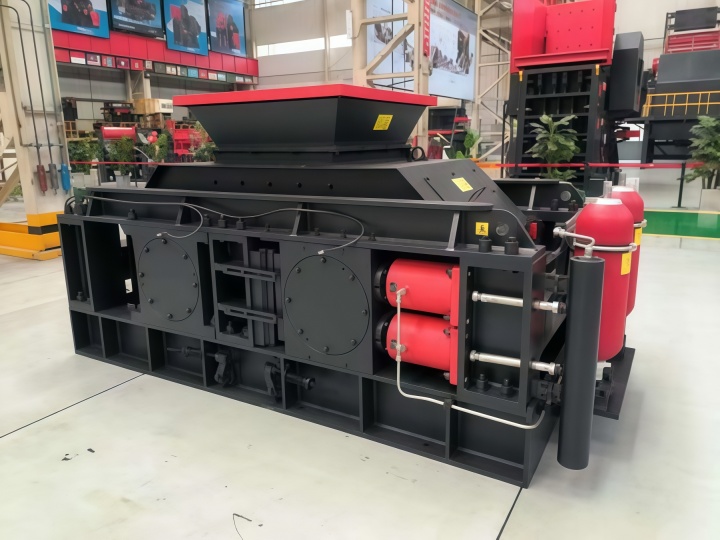
How Do Self-Cleaning Tooth Profiles and Anti-Clogging Design Affect the Chemical Cake Toothed Roll Crusher for Pigment Paste Price and Production Performance?
The high viscosity of pigment filter cakes makes clogging a frequent concern, and self-cleaning tooth design directly impacts the machine's continuous operation capability. Quality equipment incorporates optimized tooth geometry that actively strips adhered material during counter-rotation, keeping the crushing chamber clear.
Units equipped with self-cleaning features carry a price premium of roughly 10–20% over baseline. However, from a return-on-investment perspective, the productivity gains from self-cleaning exceed the added cost. Machines without self-cleaning teeth require frequent stoppages for manual roll cleaning, disrupting production; with self-cleaning, cleaning intervals are greatly extended, and effective output per shift increases noticeably.
How to Select the Right Model Based on Chemical Cake Toothed Roll Crusher for Pigment Paste Price and Specifications?
The following reference table is compiled from publicly available technical data from multiple manufacturers:
| Model | Feed Size | Product Size | Capacity | Motor Power | Reference Price Range |
|---|---|---|---|---|---|
| 2PGC450×500 | 200-500mm | 15-100mm | 30-60t/h | 5.5kW×2 | RMB36k-250k |
| 2PGC600×900 | 300-600mm | 30-150mm | 80-120t/h | 18.5kW×2 | RMB100k-400k |
Price increments for different configuration options:
| Configuration Option | Premium Over Base | Applicable Scenario |
|---|---|---|
| Standard cast steel rolls | Base price | Soft organic pigment cakes |
| High-manganese steel rolls | +15% to 25% | Highly abrasive pigments (e.g., TiO2) |
| Self-cleaning tooth profile | +10% to 15% | High-viscosity organic pigment cakes |
| Hydraulic overload protection | +8% to 12% | Continuous production lines |
| Full high-spec package | +40% to 60% | High abrasion + high viscosity + nonstop operation |
Choose the model based on your capacity needs and material characteristics. Verify that the upper product size limit is below the maximum feed size of your downstream grinding equipment—generally, it should not exceed 50 mm.
Where Exactly Is This Equipment Applied in a Pigment Production Line?
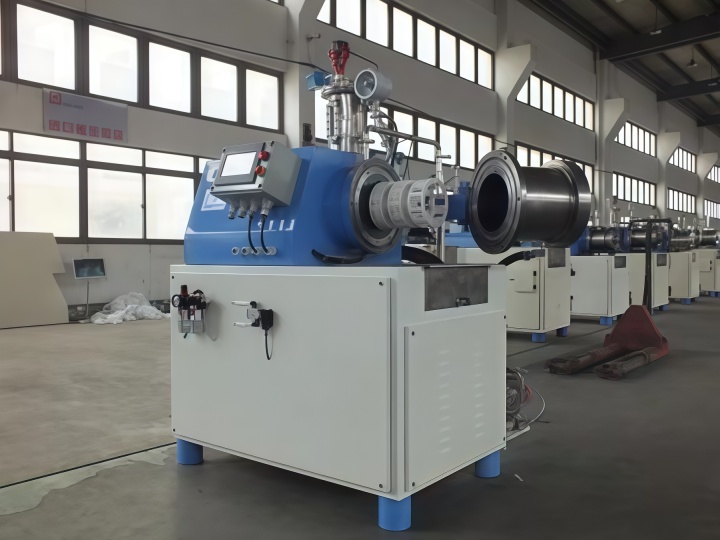
This crusher is typically installed after the filter press and before the bead mill or three-roll mill. Freshly discharged filter cake is still warm, with moisture content around 30% and lumps up to 200–300 mm in size. Feeding such material directly into a grinder is problematic—the inlet struggles to accept it, and forcing it through can damage the grinding rolls.
The crusher first reduces these large lumps to uniform small particles, allowing downstream mills to operate smoothly and consistently. For abrasive inorganic pigments like titanium dioxide, high-manganese steel rolls with robust sealing are recommended. For organic pigments, anti-stick properties become more important, making self-cleaning profiles and corrosion-resistant materials the better choice.
In summary, a 30–60 t/h unit of this type carries a global market reference price of approximately RMB 50,000–250,000. Basic configurations fulfill essential crushing functions at a lower cost; high-spec versions with upgraded roll materials, self-cleaning, hydraulic protection, and intelligent controls are suited for more demanding pigment production operations. Final quotations depend on material properties, site conditions, and custom requirements, and should be calculated case by case.
Frequently Asked Questions About Chemical Cake Toothed Roll Crusher for Pigment Paste Price
Q1: What should I do if the Chemical Cake Toothed Roll Crusher for Pigment Paste Price frequently jams or clogs when processing pigment filter cakes?
Choose a model with built-in comb structures and optimized tooth geometry, paired with hydraulic roll-back function, so that when clogging occurs the rolls automatically retract to allow loose material to fall through.
Q2: How can I resolve uneven product particle size caused by roll wear in the Chemical Cake Toothed Roll Crusher for Pigment Paste Price?
Regularly inspect and adjust the roll gap; when tooth plates are heavily worn, restore the original gap by adjusting shims or the hydraulic system.
Q3: What causes abnormal vibration or noise during operation of the Chemical Cake Toothed Roll Crusher for Pigment Paste Price?
Mostly due to tramp metal entering the crushing chamber or loose components. Shut down immediately to inspect, remove any obstructions, and tighten all bolts before restarting.
Q4: How do I evaluate the cost-effectiveness of a Chemical Cake Toothed Roll Crusher for Pigment Paste Price?
Consider roll material, self-cleaning tooth design, and hydraulic protection together. A well-specified unit may have a higher initial price but lower total operating costs over its lifespan.
Q5: What are the typical delivery times and on-site installation periods for a Chemical Cake Toothed Roll Crusher for Pigment Paste Price?
Standard models take 15–30 working days; custom orders take longer. On-site installation and commissioning generally require 3–7 days, depending on site preparation and electrical work.
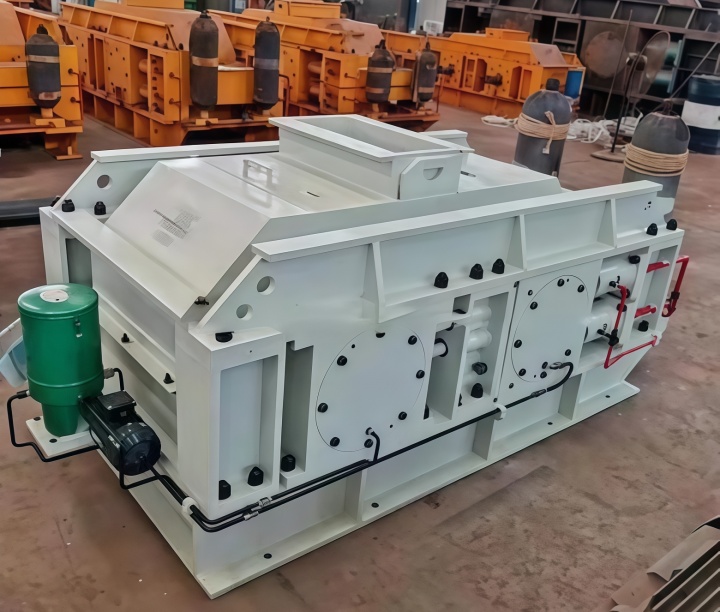
Quick Selection Guide:For a medium-scale pigment line with 30–60 t/h capacity, the 2PGC450×500 offers the best overall value. Choose self-cleaning teeth for high-viscosity organic pigments, and prioritize high-manganese steel rolls for highly abrasive pigments like titanium dioxide.
Closing Remarks
The final price of this equipment is determined by model specifications, roll material, self-cleaning configuration, and auxiliary systems—it is not a single fixed figure. Purchasing decisions should align with your material properties and production conditions, while also considering long-term maintenance costs. Providing detailed material parameters and capacity requirements will enable suppliers to offer tailored solutions and accurate quotations.