Crushing Plant Equipment
The crushing plant equipment integrates feeding, crushing, screening and conveying into one complete production line, featuring high automation, compact layout and strong adaptability. Small‑scale sets cost around US$45,000, while large‑scale complete sets range from US$280,000 to US$950,000. Feed size: ≤1100mm Processing capacity: 20‑800 tons/hour Motor power: 60‑550kW Discharge adjustment range: 15‑300mm
What Is Crushing Plant Equipment?
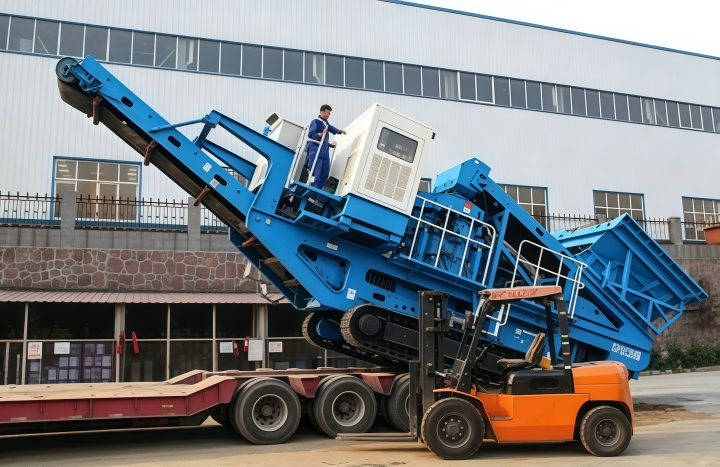
Crushing Plant Equipment is a complete system that processes large raw materials into finished aggregates of specified particle sizes.
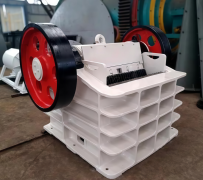
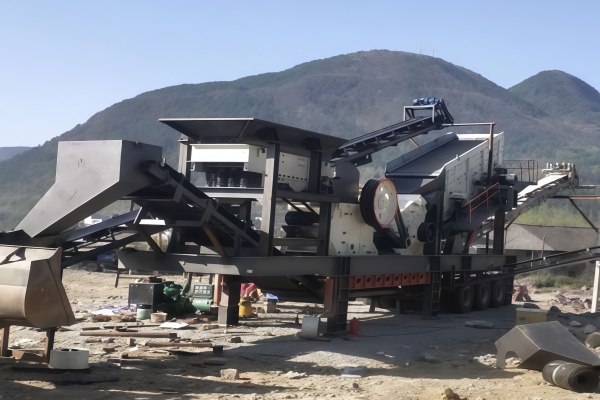
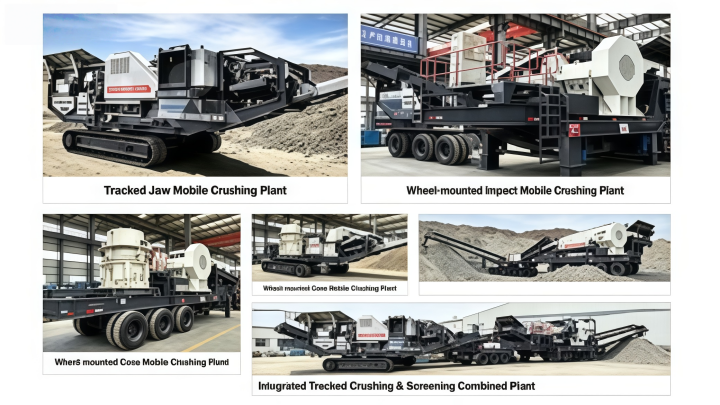
The system consists of vibrating feeders, crushers, vibrating screens, belt conveyors, and a centralized electrical control unit. Based on operation modes, the equipment is divided into stationary and mobile types. Stationary units suit long‑term production sites, while mobile units are ideal for projects that require frequent relocation.
The equipment can handle materials with compressive strength up to 320 megapascals. This range covers various rock types from limestone to granite and basalt.
Crushing Plant Equipment Video Showcase
How Does Crushing Plant Equipment Work?
Crushing Plant Equipment operates on a multi‑stage crushing and closed‑circuit screening principle.
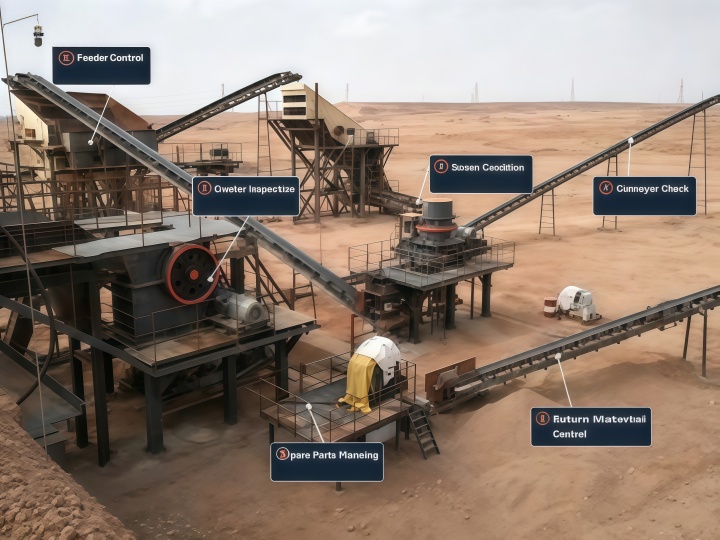
Raw material is first fed evenly by a vibrating feeder into the primary crusher. The crushed material is then transferred by belt conveyor to the secondary crusher for further reduction. After that, the material enters a vibrating screen for classification. Particles that meet the required size are discharged as final product, while oversize material is returned to the crusher via a return conveyor for re‑processing.
For example, a jaw crushing station allows discharge sizes to be adjusted between 50 and 180 mm. An impact crushing station offers similar adjustability. A cone crushing station can produce final sizes from 6 to 44 mm.
This closed‑loop process ensures that the equipment delivers uniform and controllable finished gradation. The entire production line is monitored and controlled by a central electrical system. Some models are equipped with PLC‑based controls offering constant discharge setting, constant power, and other operating modes.
Technical Parameters of Crushing Plant Equipment
The technical specifications vary by model configuration. Below is a comparison of five mainstream models:
| Model | Max Feed Size | Capacity | Installed Power | Weight |
|---|---|---|---|---|
| Jaw Crushing Plant NFW1060J | 550 mm | 350 t/h | 110 kW | 29 tons |
| Jaw Crushing Plant NFW1175J | 650 mm | 475 t/h | 150 kW | 45 tons |
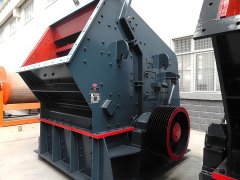
| Impact Crushing Plant F-350M | 750 mm | 150-400 t/h | 369 kW | 46 tons |
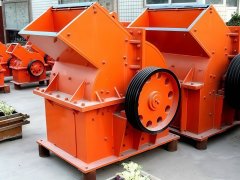
| Hammer Crushing Plant H-1400M | 700 mm | 200-400 t/h | 245 kW | 46 tons |
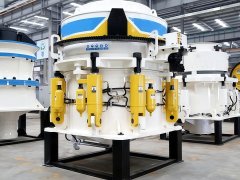
| Cone Crushing Plant C-280M | 190 mm | 90-250 t/h | 219 kW | 35 tons |
What Core Data Should Be Considered When Selecting Crushing Plant Equipment?
Beyond capacity, several core data points that directly affect actual performance deserve special attention during selection.
Discharge setting range: The same Crushing Plant Equipment can show more than a twofold difference in output at different discharge settings. For a jaw crushing station, for example, the capacity at an 80‑mm setting is about 65% of that at a 140‑mm setting. During selection, the discharge setting corresponding to the target product size should be checked against the actual capacity.
Rotor speed matching material type: For an impact crusher, rotor speed directly affects product shape and flakiness content. When processing hard rock, a moderate speed reduction helps slow wear part consumption; when processing soft rock, a higher speed improves particle shape. This parameter is often absent from standard selection tables and requires adjustment based on material characteristics.
Margin between installed and rated power: Some projects have limited power supply capacity. If the selected it has an installed power close to the supply limit, the starting current surge may cause tripping. A power margin of at least 15% is advisable, especially for remote sites using diesel generator sets.
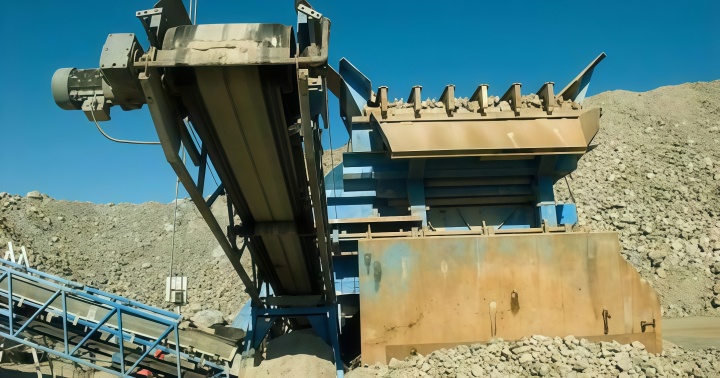
How to Select the Right Crushing Plant Equipment Based on Material Characteristics?
Choosing the right configuration requires a comprehensive assessment of material hardness, moisture content, and feed size distribution.
For soft to medium‑hard materials such as limestone, gypsum, or dolomite, an impact or hammer type crusher station delivers effective reduction with good particle shape. For hard and abrasive materials like granite, basalt, or quartzite, a jaw plus cone combination is more suitable, as cone crushers are better equipped to handle high‑wear conditions.
When processing materials with high moisture content, a configuration with pre‑screening helps prevent screen clogging and maintains steady throughput. Feed size distribution also matters—the primary jaw crusher within the equipment should have a feed opening at least 1.2 times larger than the maximum feed size to avoid bridging and ensure smooth feeding.
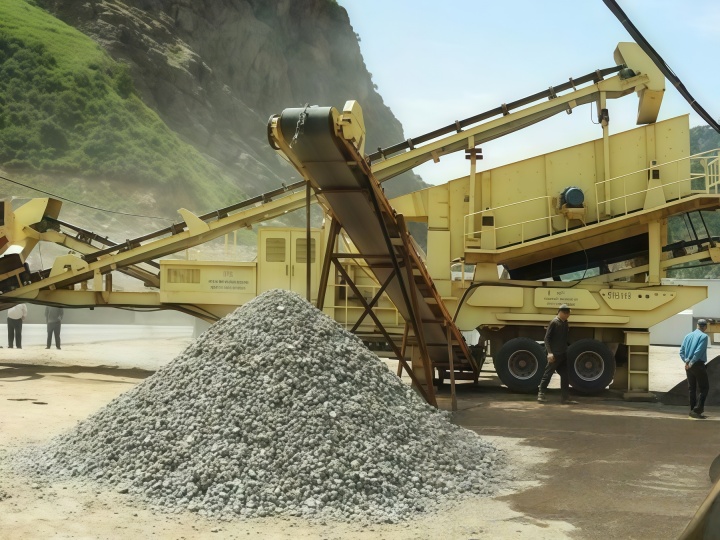
Main Features of Crushing Plant Equipment
Crushing Plant Equipment offers multiple application advantages through its highly integrated design.
Integrated production line: The system combines feeding, crushing, screening, and conveying into a single production line, eliminating the need for users to source and connect separate units. A tracked jaw crushing station, for instance, can achieve a capacity of 170 to 520 tons per hour.
Multi‑stage crushing adaptability: The multi‑stage design enables the equipment to process rocks of varying hardness.
Modular configuration: The modular structure allows flexible configuration adjustments according to site conditions.
Rapid mobile deployment: Mobile versions require no complex civil works and can be put into operation quickly. Some tracked models have a maximum climbing angle of 20°, suitable for both regular roads and rough terrain.
Closed‑loop gradation control: The closed‑circuit screening ensures consistent product gradation. A tracked cone crushing plant can handle 210 to 430 tons per hour.
Wear‑resistant longevity: Wear‑resistant construction helps extend the service life of the equipment and reduce maintenance frequency.
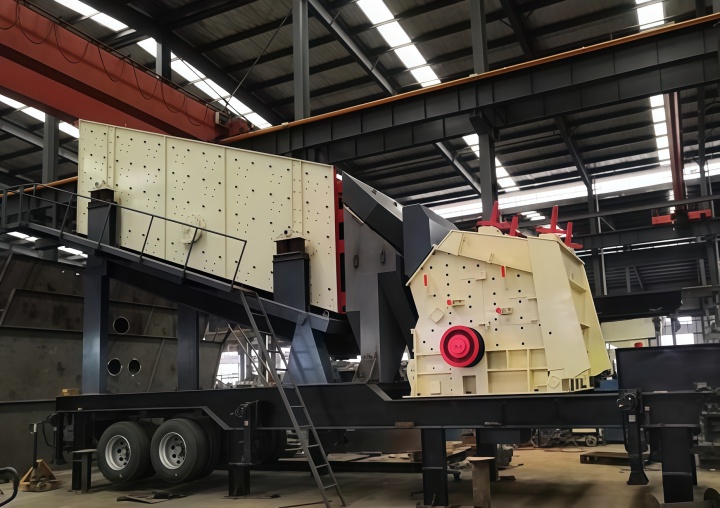
Where Is Crushing Plant Equipment Applied?
The equipment can be widely used across multiple industrial fields and project types.
Mining: For processing metal and non‑metal ores, handling feed sizes up to 750 mm.
Construction aggregates production: Transforming natural rock into multiple graded products for concrete and asphalt.
Road and bridge projects: Supplying base and subbase materials.
Construction waste recycling: Belt conveyors can be equipped with magnetic separators to recover reusable aggregates from concrete and masonry.
Hydropower projects: Producing sand and gravel for dam construction.
Metallurgy, chemicals, and urban renovation: Also suitable for temporary processing tasks in these industries and demolition sites.
Crushing Plant Equipment in Real Project Performance
In a large‑scale aggregate project in southern China, the user had an existing stationary line that could not meet the supply demand for a highway expansion project. The project team introduced a mobile Crushing Plant Equipment as supplementary capacity, specifically processing granite.
The equipment ran about 16 hours per day in continuous operation, producing approximately 60,000 tons of finished aggregate per month. The product size remained stable between 5 and 31 mm, meeting the strict gradation requirements for highway surface and base layers. Before this equipment was introduced, the old line required hammer replacements every 300 hours due to the hardness of granite. In contrast, the wear parts on this equipment lasted about 1,200 hours, and the replacement time was reduced from 8 hours to 4 hours per change.
The project team recorded detailed energy data. Under full load, the power cost per ton for this Crushing Plant Equipment was about 3.2 yuan, compared to 4.7 yuan for the old line. At an annual output of 600,000 tons, electricity costs alone could save about 900,000 yuan per year. The entire line was commissioned within 10 days from arrival on site. The closed‑circuit screening configuration kept the recirculation load below 30%, supporting stable daily output and lower energy consumption per ton.
After the project, the user shared a selection lesson: they initially focused only on capacity and did not fully consider how fines content in the feed would affect screening efficiency. In practice, screening efficiency dropped by about 12% during periods with high fines content. This was later resolved by adding a pre‑screen deck above the vibrating screen. This experience offers valuable reference for other users processing similar granite materials.
Key Daily Maintenance Points for Crushing Plant Equipment
Daily maintenance should focus on the following critical areas.
Wear part inspection and replacement: Regularly inspecting wear parts on the crusher is a priority. Timely replacement of worn hammers, jaw plates, or liners helps prevent unexpected failures. Some jaw crushing stations feature a detachable upper frame for easier inspection.
Screen cleaning and checking: Screens should be cleaned and checked periodically to avoid clogging that would compromise screening efficiency.
Conveyor and lubrication system: Belt tension and misalignment should be verified before each start‑up; the main conveyor belt width is typically 1,000 mm. Lubrication oil levels and quality must be inspected and changed at scheduled intervals, as this is a fundamental requirement for reliable operation.
Electrical and fastener inspection: Electrical connections and components should be tested regularly, and loose fasteners tightened promptly.
Inspection log system: Keeping a routine inspection log helps operators track the operating trends of the equipment and detect potential issues early.
What to Know About Transport and Installation of Crushing Plant Equipment?
Transport and installation require careful planning based on equipment type.
Mobile unit relocation: Mobile units with wheeled or tracked chassis can move between sites quickly, often within a few hours. The transport length of a tire‑mounted jaw crushing plant ranges from 8,600 to 15,800 mm, and width from 2,520 to 3,759 mm.
Stationary and semi‑stationary installation: Stationary units need longer installation time and robust foundations. Semi‑stationary units stay fixed for several years and are then dismantled for relocation.
Foundation and alignment: During installation, the foundation must be level and strong enough to support the load, and connecting parts must be precisely aligned. Electrical wiring should comply with safety standards.
Trial run and training: Trial operation includes both no‑load and load tests to verify every function. After commissioning, operators should receive thorough training on operating procedures and emergency response for the equipment.