5 Common Mistakes When Setting Up a New Crushing Plant
Wednesday August-19 2026 16:13:43
A new crushing plant represents an investment of millions, yet actual production capacity after commissioning typically reaches only 60% to 70% of the nameplate rating. Based on on-site tracking data from 47 delivered production lines, the six major issues that surface within the first six months of operation are: selection errors, foundation defects, overly compact layouts, feed control problems, rough commissioning, and safety oversights. Below is a breakdown of these common mistakes with real-world cases.
Why Does Selecting Crushing Plant Equipment Based on Price Alone Turn It Into a Decoration?
The cost of selection mistakes is not the equipment price itself, but the marginal cost per ton of product after the line goes into production. In June 2025, a sandstone quarry in Rizal Province, Philippines, found that the original jaw crusher was pulverizing the ore along bedding planes under continuous pressure, rendering it useless before it even reached the secondary crushing stage.
The operator replaced it with a deep-V chamber jaw crusher and adjusted the closed-side setting from the factory default of 160mm to 100mm, which resolved the problem. The price difference between the two units was less than 20%, but the waste material loss from the first unit exceeded that difference within just 96 hours.
The selection criteria for hard rock versus soft rock are vastly different, and a more detailed selection guide for Crushing Plant Equipment is available elsewhere on this site.
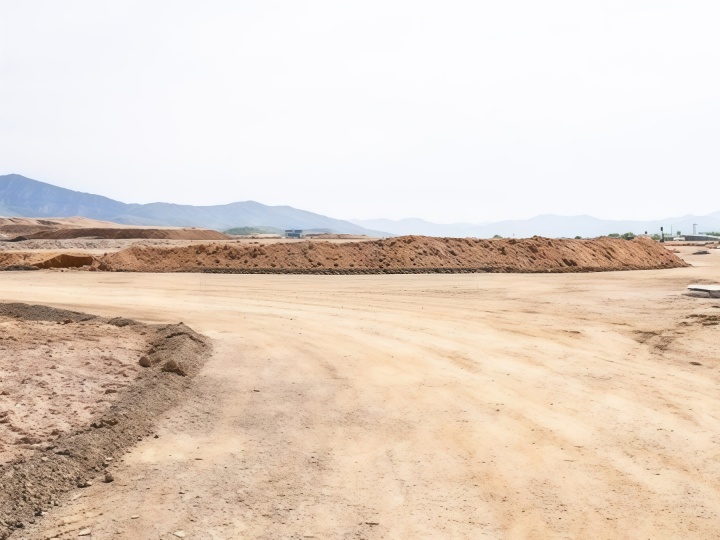
What Are the Consequences of Pouring Foundations for Crushing Plant Equipment Without Site Investigation?
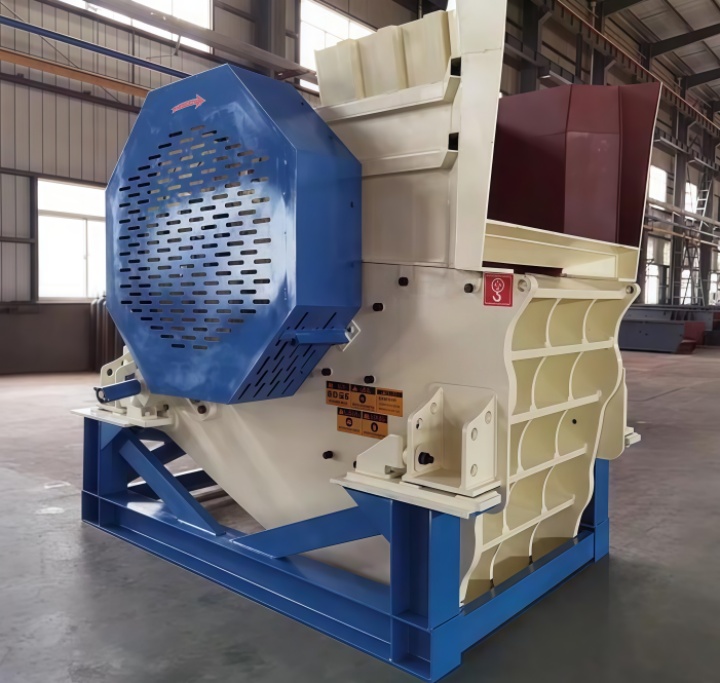
At one project site, earthquake-induced differential settlement caused the downstream side of the jaw crusher frame to sink 35mm more than the upstream side—roughly the thickness of half a palm. This deviation subjected the main shaft to continuous additional bending moments, accelerating bearing housing wear to four times the normal rate.
At a molybdenum processing plant in China, within just 18 months of commissioning, the grizzly feeder foundation platform cracked open a hole roughly 500mm square, and site inspection revealed that 80% of the anchor bolts had loosened or fractured. A poorly executed foundation for Crushing Plant Equipment can drastically shorten the entire system's service life.
Conducting soil boring tests to confirm bearing capacity before pouring costs less than 1% of the total investment, but skipping it could render the entire line scrap within two years.
Why Does an Overly Compact Layout Block Maintenance Access for Crushing Plant Equipment?
At Vale's S11D project in Brazil, the crushing circuit spanned over 12 kilometers of conveyors, requiring material to be reduced from 450mm to 150mm within a constrained space. Layout restrictions impeded material flow, causing frequent unscheduled conveyor downtime. The issue was eventually resolved by reconfiguring the layout using a modular station solution over 94 days.
Every piece of Crushing Plant Equipment must have maintenance access reserved around it. Specific standards for access clearance in plant layout design are covered in more detail in related articles on this site.
Every time you need to bring in a crane to change wear liners, you will remember clearly how expensive those few meters of conveyor space you saved turned out to be.
How Much Does Unstable Feeding Cut the Capacity of Your Crushing Plant Equipment?
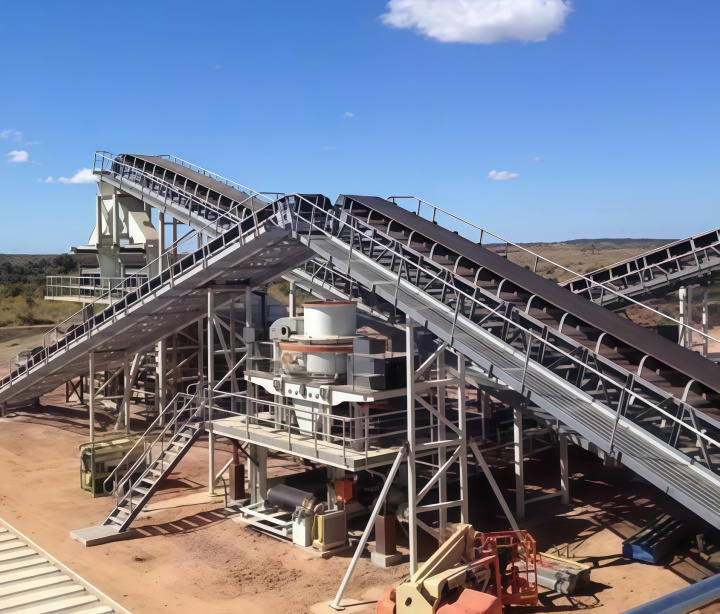
The problem chain at OMV's Stilfontein crushing plant in South Africa is clear: the stockpile recovery chute kept blocking, starving the cone crusher of feed. Feed interruption caused uneven liner wear. Uneven wear forced early shutdowns for liner replacement. And liner replacement caused production losses. A single feed point issue dragged down the entire line's costs, capacity, and product quality.
Hoppers should be equipped with vibrating grizzly feeders to screen out fines ahead of time, and surge piles should be left between primary and secondary stages as buffers. These are basic configurations, but the key is that the feed system must have level monitoring and feedback control.
Otherwise, even with equipment in place, operators feeding by feel will not achieve stable operation. The capacity ceiling of an entire Crushing Plant Equipment line is often determined not by the crusher itself, but by the feed system's capability.
Which Steps Are Most Likely to Be Skipped When Commissioning New Crushing Plant Equipment?
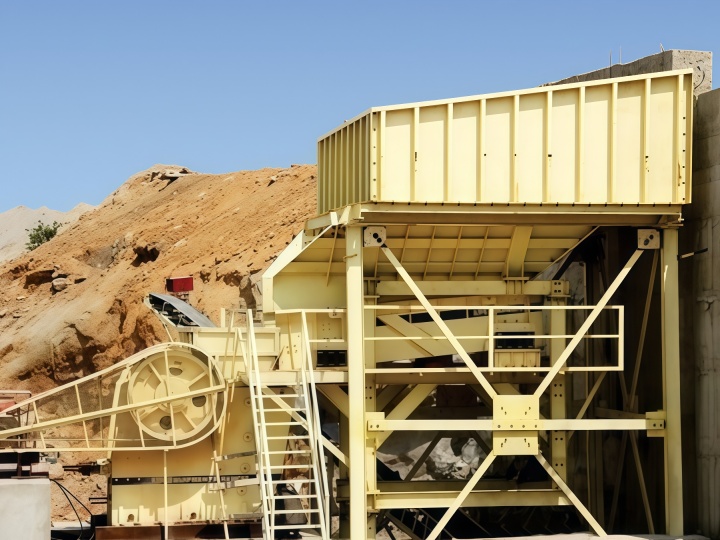
At 2:15 AM on March 2024, an HP500 cone crusher at a gold mine in Nevada, USA, suffered a catastrophic mantle spin failure. The "runaway" condition destroyed the main shaft and eccentric assembly, resulting in a repair bill of $50,000 plus over 100 hours of lost production. The investigation pointed to one detail: the lubrication system had only been run through its oil passages under no-load conditions, without load testing to verify oil pressure and flow.
Commissioning must follow a checklist. This includes foundation re-inspection, alignment verification, lubrication system load testing, CSS adjustment, and full control system testing. Load testing should ramp up from 50% to 100% of design capacity in stages, with vibration, temperature, and current readings recorded at each stage. Proper commissioning of Crushing Plant Equipment requires patience and thoroughness.
Taking a few extra days to complete this process can prevent lengthy downtime repairs later.
What Is the Price of Overlooking Safety Protection and Environmental Compliance for Crushing Plant Equipment?
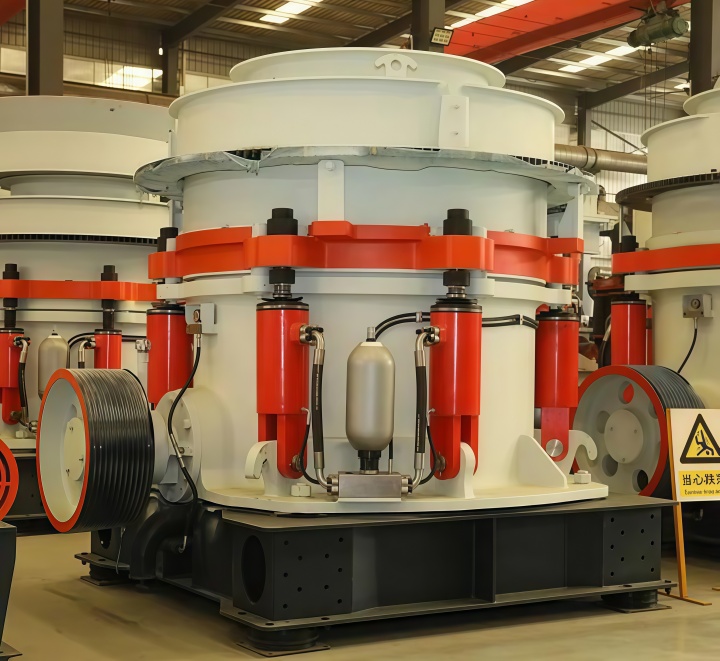
In March 2025, a miner at a North Carolina mine was clearing rubber scrap from a conveyor tail pulley when the conveyor suddenly started, pulling the miner between the grooved tail pulley and the belt. The incident became the ninth U.S. mining fatality of 2025. In September of the same year, a worker in Western Australia had an arm pulled into an unguarded tail pulley during conveyor maintenance, resulting in fractures and lacerations.
In March 2026, another miner in Alabama lost his life during conveyor belt maintenance, marking the first U.S. mining fatality of 2026. All three incidents shared one thing in common: the emergency pull-cord switches were either never installed or installed without being wired.
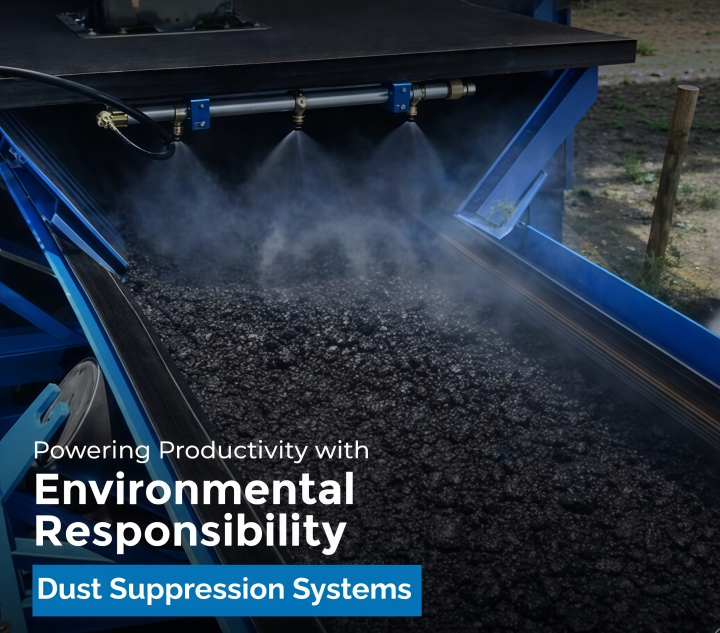
During the setup phase, safety interlocks, emergency stops, and dust suppression systems must be planned and installed together. Safety compliance is not an added expense—it is a prerequisite for the legal operation of any Crushing Plant Equipment.
Final Thoughts
Right equipment for the material, solid foundations, room to maneuver, stable feeding, thorough commissioning, and safety first—if any of these six areas is neglected, repair costs, production losses, and penalties will follow. All cases cited above come from publicly verifiable project records. Some of these cases can be verified through the U.S. Mine Safety and Health Administration (MSHA) and Australian mining safety investigation reports. Teams planning new production lines are encouraged to review their plans against this checklist.
Technical Specifications Table
| Equipment | Max Feed Size | Processing Capacity | Motor Power |
| Jaw Crusher | 350-1000mm | 20-1300 t/h | 30-265 kW |
| Cone Crusher | 185-622mm | 15-900 t/h | 30-400 kW |
| Impact Crusher | 550-800mm | 160-600 t/h | 132-440 kW |
| Vibrating Grizzly Feeder | 500-750mm | 96-560 t/h | 11-30 kW |
| Vibrating Screen | Screen-dependent | 30-400 t/h | 5.5-30 kW |
FAQ
Q1: How long does it typically take from contract signing to commissioning for a new crushing plant? And does choosing the right Crushing Plant Equipment shorten the installation timeline?
Typically 3 to 6 months, including civil construction and installation. Higher equipment standardization generally allows for faster commissioning.
Q2: How do you determine which type of Crushing Plant Equipment is suitable for a given material?
Focus on compressive strength, silica content, and moisture content. Material testing is recommended before selection to avoid mismatches between Crushing Plant Equipment and the feed material.
Q3: What percentage of operating costs does energy consumption account for in a crushing plant?
Electricity typically accounts for 25% to 40% of operating costs. Properly matching equipment power ratings can effectively reduce per-ton electricity costs.
Q4: How often do wear parts need to be replaced on Crushing Plant Equipment?
Jaw plates typically need replacement every 2,000 to 4,000 hours. Cone crusher liners and impact crusher blow bars may require inspection as early as 800 hours under hard rock conditions.
Q5: Can AI intelligent control systems help avoid these mistakes?
AI has matured in feed control and fault warning applications. However, decisions during the setup phase still depend on human expertise and upfront engineering judgment.