Crushing Plant Daily Maintenance Complete Guide
Wednesday August-19 2026 16:12:45
Crushing Plant Equipment handles high-intensity crushing tasks. According to Marsh's analysis of 135 major mining insurance claims between 2006 and 2025, mechanical failure alone generated $1.6 billion in total claims, and business interruption losses account for approximately 80% of total losses in the mining industry. When Crushing Plant Equipment stops, the entire production line stops, with no backup capacity available to take over. Industry data shows that 60% of mechanical equipment failures are directly linked to poor lubrication practices. Proper Crushing Plant Equipment daily maintenance can extend equipment life by 30% to 40% and reduce unplanned downtime by more than half. The following content, based on globally available industry data and real-world cases, provides actionable operating guidelines.
The cases and data in this article come from the after-sales tracking records of a factory with years of experience in Crushing Plant Equipment manufacturing and field service, as well as public industry reports including the Marsh insurance database and Engineering and Mining Journal.
A $47,200 Lesson: Three Hard Rules for Crushing Plant Equipment Lubrication Management
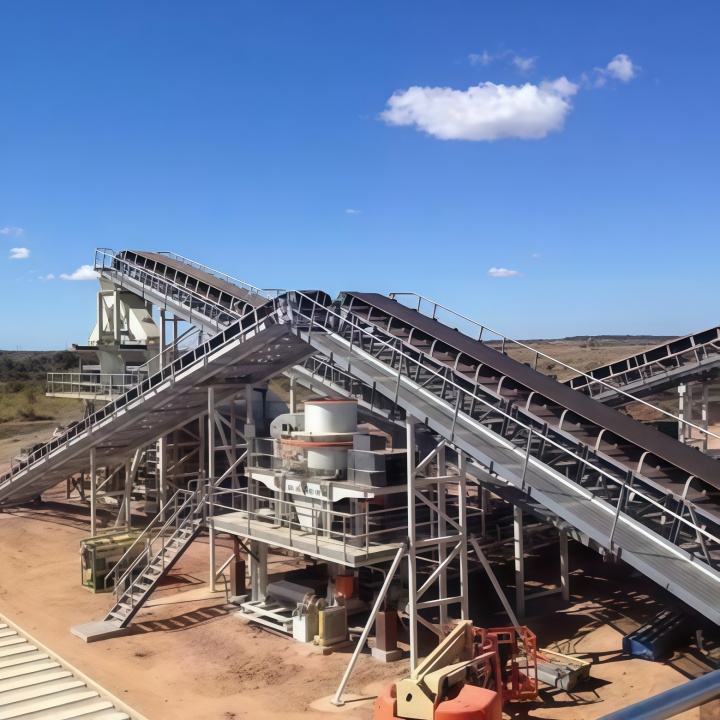
In July 2023, a Metso HP300 cone crusher at a copper mine in Chile suffered a catastrophic failure. The main shaft became frozen in the spherical bearing assembly, and the secondary crushing circuit was completely paralyzed. The root cause of the failure was unexpected: three months earlier, the maintenance supervisor, in an effort to save $2,840, installed a hardened steel spherical bearing to replace the OEM-specified copper alloy component. That decision ultimately resulted in $47,200 in emergency repair costs, 38 hours of unplanned downtime, and a main shaft journal requiring precision restoration.
This case illustrates three hard rules for Crushing Plant Equipment lubrication management. First, materials cannot be substituted—OEM-specified material parameters are validated through fatigue testing, and unauthorized replacement is equivalent to gambling with the entire production line. Second, grease quantity must be accurate—excessive grease extruding from the seal indicates either over-greasing or a bearing issue. Third, oil change intervals must be dynamically adjusted—manufacturer-recommended intervals are determined under standard operating conditions, and sites with heavy dust or high temperatures need to increase frequency by 20% to 30%.
30-Minute Morning Inspection: Four Critical Points Easily Overlooked in Crushing Plant Equipment
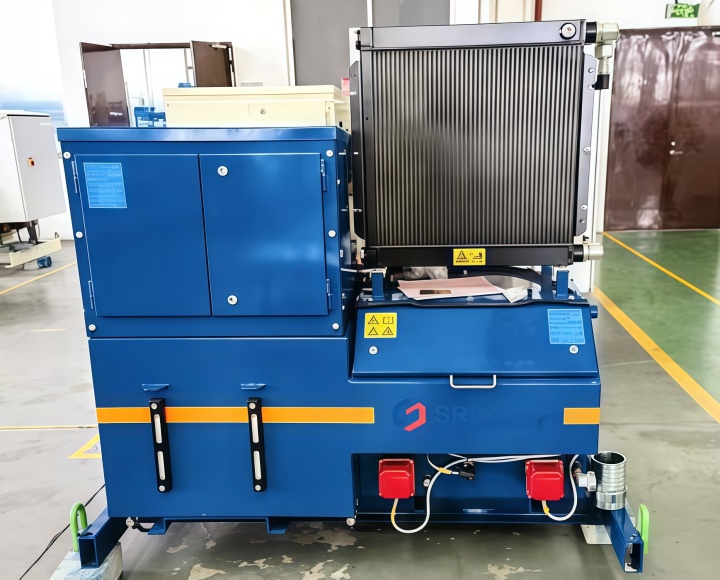
Eagle Crusher service technician Louis summarizes: a crusher emits an average of 4 to 6 identifiable warning signals before a complete shutdown. The morning inspection is the optimal window for capturing these signals and should be completed within 30 to 45 minutes. First, inspect the crushing chamber—if the jaw plate tooth root shows through-cracks or the cone liner wears down to the rib position, continued operation will cause component fracture and detachment. Second, check the lubrication system—oil level should be read after the equipment has been running for 3 to 5 minutes to obtain a stable reading; cold-start readings are unreliable. Third, inspect the conveying system—confirm proper V-belt tension, no conveyor belt misalignment, and normal idler rotation. Fourth, test safety devices—verify the reliability of emergency stop buttons and pull-cord switches, as many incidents occur on the day this step is skipped. Record inspection results in the equipment log—sites that maintain consistent logs show significantly lower failure rates than those that do not.
Three Blind Spots in Crushing Plant Equipment Cleaning
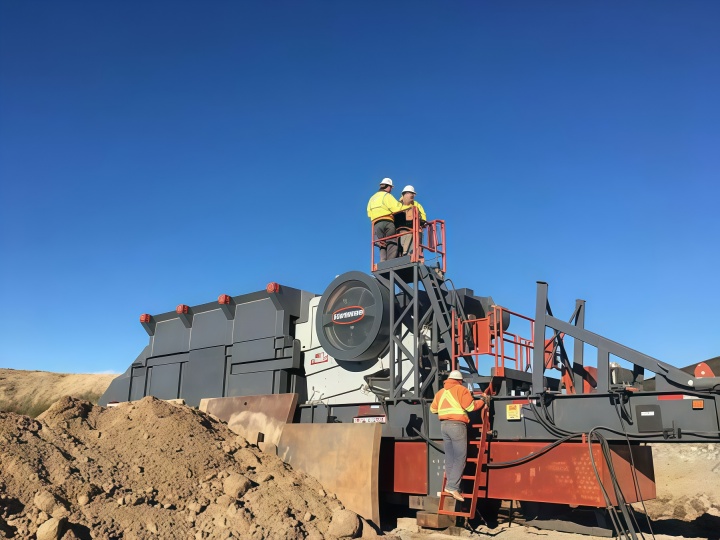
Dust and material buildup are invisible threats to Crushing Plant Equipment. At the end of each workday or between shift changes, clean the operating platforms, guard covers, areas around the crusher, and screening zones. Three blind spots are easily overlooked: the cooling fin gaps on motors—accumulated dust reduces heat dissipation; the interior of control cabinets—dust causes short circuits; and the area near the tail pulley of belt conveyors—material buildup causes jams and belt misalignment. Confirm that the spray nozzles in the dust suppression system are not clogged and are properly aimed, with water pressure maintained at least above 60 PSI. South Africa's Nkomati nickel mine was long plagued by high consumable consumption—a Metso 54×75 MK2 gyratory crusher at the site experienced power spikes exceeding 1000 kilowatts when processing certain ores, causing electrical trips. After implementing systematic maintenance optimization, unplanned shutdowns were substantially reduced.
Four Warning Signals During Crushing Plant Equipment Operation
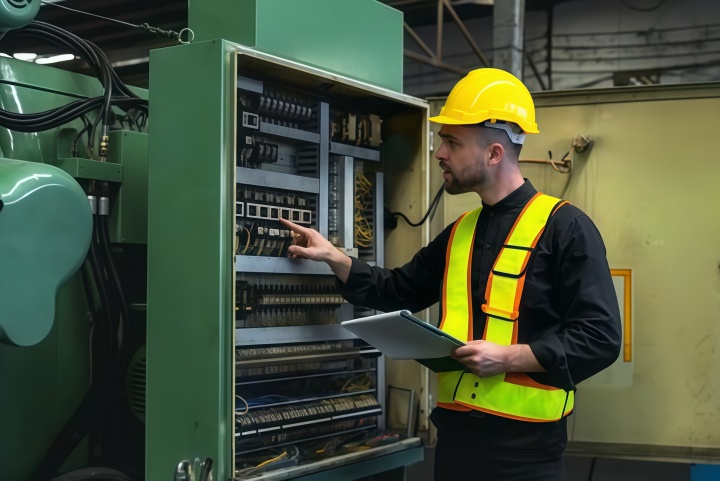
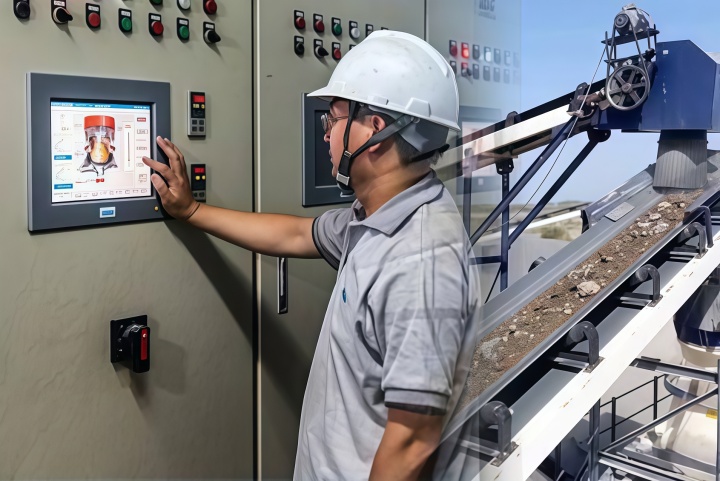
Maintenance work does not end once the equipment is running. Operators on shift must continuously monitor four signals during their shift. Abnormal vibration—may originate from rotor imbalance or bearing wear. Unusual noise—typically indicates loose anchor bolts or cracked components. Sudden current fluctuations—signals of overload or uneven feed distribution. Product size variation—sudden coarsening or fining often means severe liner wear or discharge setting drift. Recording this data over time builds an equipment health file, providing a reliable basis for determining replacement cycles and maintenance timing. Australian mining industry data shows that unplanned downtime costs an average of $281,879 per hour, with crusher downtime costs potentially reaching $100,000 per hour.
Technical Specifications
| Parameter | Small Model | Medium Model | Large Model |
| Production Capacity | 60-100 t/h | 200-250 t/h | 480-1160 t/h |
| Max Feed Size | 380 mm | 500 mm | 1500×1300 mm |
| Discharge Setting Range | 65-160 mm | 0-50 mm | 200-325 mm |
| Total Motor Power | 232 kW | 194-360 kW | 200-360 kW |
| Equipment Weight | approx. 33 t | 29-40 t | 46-54 t |
Frequently Asked Questions
Q: What should I do if Crushing Plant Equipment production capacity drops suddenly?
First, check whether the feed size exceeds the equipment's design range, and confirm that the screens and conveyor belts are not clogged or worn. At Chile's Los Bronces copper mine, implementing full-process maintenance reduced repair downtime at the primary crushing station by 69%—capacity issues can often be resolved through systematic maintenance improvements.
Q: What causes excessive abnormal vibration and noise in Crushing Plant Equipment?
These typically originate from rotor imbalance, bearing wear, or loose anchor bolts. A limestone crushing unit's spline shaft experienced recurring failures due to severe misalignment and excessive clearance.
Q: How can I resolve frequent bearing overheating and burnout in Crushing Plant Equipment?
Check whether lubrication grease is sufficient and free of dust contamination, and confirm that the discharge setting is not too small, causing the equipment to run overloaded. The Chilean HP300 case already demonstrates the cost of incorrect material selection.
Q: What should I do if material blocks and jams inside the crushing chamber of Crushing Plant Equipment?
Control the feed rate to maintain uniform flow, pre-screen material with high moisture content before feeding, and appropriately increase the discharge opening size. In the global mining industry, crushing and conveying circuits account for more than 60% of total downtime events.
Q: Are the data and cases in this article from reliable sources?
All data comes from the Marsh insurance database, Engineering and Mining Journal, and other public industry reports, as well as after-sales tracking records from a factory with years of experience in crusher equipment manufacturing. The equipment models, dates, locations, and financial figures in the cases are all traceable.
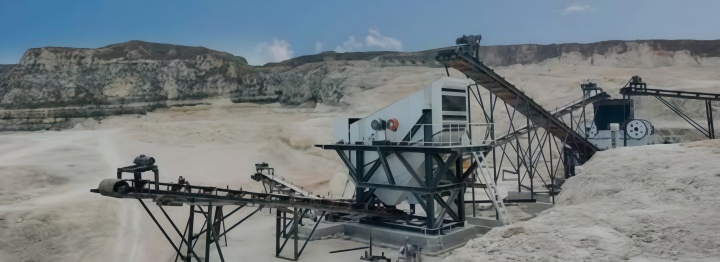
Proper Crushing Plant Equipment daily maintenance is a process of countering uncertainty with certainty. Marsh's two decades of data reveal that over 80% of losses in the mining industry are driven by business interruption, with mechanical failure insurance payout ratios below 50%—when equipment fails, most of the economic loss must be borne by the operator. The global mining equipment maintenance market is growing at 4% to 6% annually, indicating that more industry professionals are coming to recognize the same principle: getting daily inspections, lubrication, cleaning, and monitoring right delivers fewer sudden breakdowns and more stable output.