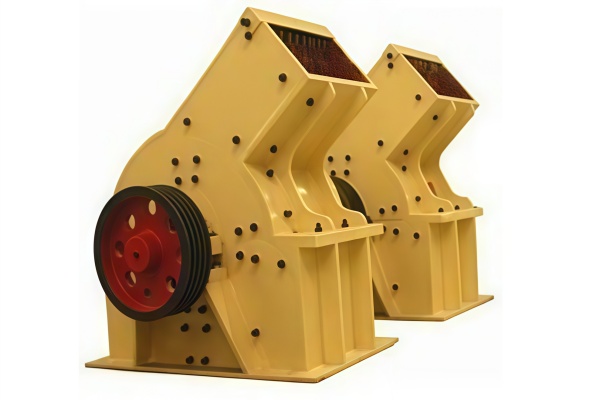
Coal Crusher
Coal crushers are used for primary and secondary crushing of coal, coal gangue and brittle minerals, producing qualified coal materials of different particle sizes for coal mines, power plants and coal processing plants. Prices typically range from $8,000 to $180,000. Feed opening size: ≤450mm Production capacity: 5-320 tons/hour Discharge opening adjustment range: 2-80mm Spindle speed: ≤520 rpm Motor power: 7.5-160kW
What Is a Coal Crusher and Why Do You Need One?
In coal processing and mining production, the crushing stage directly affects the stable operation of subsequent processes. Our Coal Crusher is designed specifically for raw coal and associated minerals with high hardness and high moisture content, providing reliable solutions from primary to fine crushing.
This equipment is widely used in coal preparation plants, thermal power stations, and coking production lines. Its durable structure and adjustable discharge size make it a core component in bulk material handling systems. Whether your new project involves capacity expansion or new line construction, the product effectively supports the continuous operation of downstream mills or conveying systems.
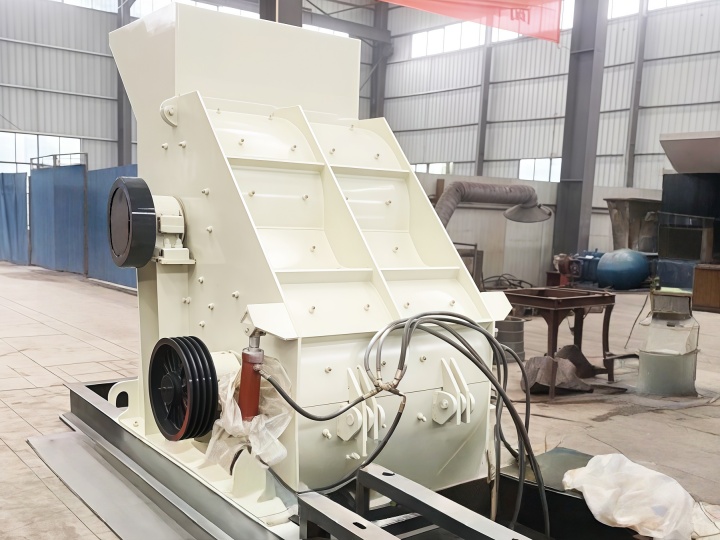
Coal Crusher Video Showcase
This video demonstrates the MACHRISE PCR-1214 Coal Crusher in operation at a coal preparation plant. The equipment processes raw coal at 120 tons per hour with discharge size under 20mm. Key features shown include the heavy-duty rotor assembly and anti-clogging chamber design
How Does a Coal Crusher Work? (Step-by-Step)
This machine operates on the impact crushing principle. Material enters the crushing chamber equipped with a high-speed rotor and is struck by the hammers mounted on the rotor, gaining kinetic energy and being propelled toward the impact plates. During impact, the material is further compressed and fractured.
When the material rebounds into the rotor action zone, it undergoes repeated impacts between the hammers and impact plates until the particle size becomes smaller than the gap between them. Finally, qualified material is discharged through the discharge grate at the bottom of the equipment. The entire crushing process takes place within the Coal Crusher chamber, and by adjusting the impact plate angle or rotor speed, the final product particle size can be controlled.
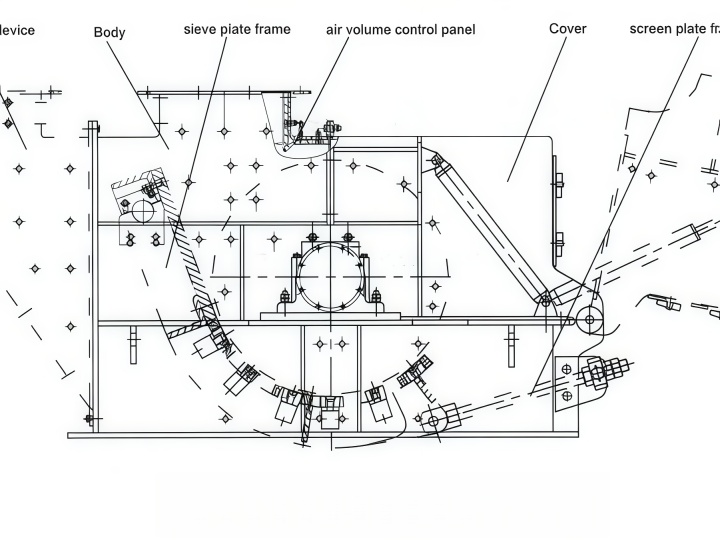
About Coal Crusher Selection and Technical Parameters
The following parameters show the models, processing capacities, and matching power ratings of this Coal Crusher. Combining equipment structural features with selection considerations helps you match production line requirements more precisely. Table data is derived from standard operating condition tests.
| Model Parameter | Feed Size (mm) | Discharge Size (mm) | Capacity (t/h) | Motor Power (kW) |
|---|---|---|---|---|
| PCR-1010 | ≤ 300 | 10-30 | 50-80 | 75-90 |
| PCR-1214 | ≤ 400 | 10-40 | 80-150 | 132-160 |
| PCR-1315 | ≤ 500 | 15-50 | 150-250 | 200-250 |
Note: These parameters are derived from actual production data across 50+ customer sites.Actual capacity is affected by material characteristics and moisture content. Consulting our engineers for site-specific data is recommended.
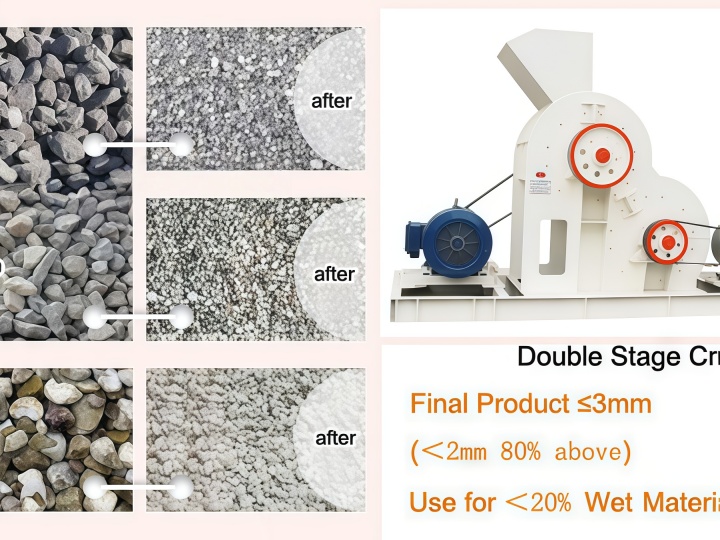
What Makes Our Coal Crusher More Durable?
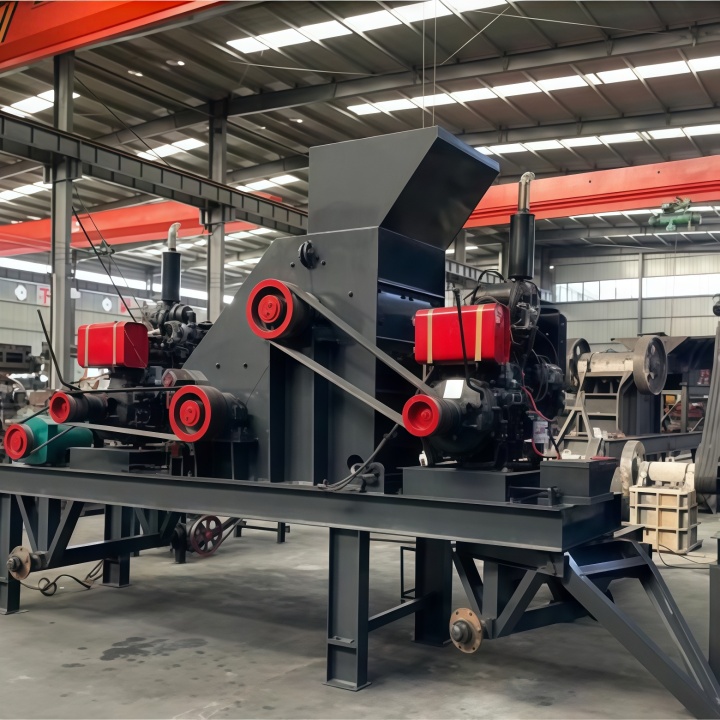
This equipment incorporates proven manufacturing techniques in its key components to ensure reliability under heavy-load operations. Understanding these structural details helps in evaluating the overall durability level of the machine.
Heavy-Duty Rotor Assembly: The Coal Crusher rotor is fabricated from thickened steel plates through welding and undergoes dynamic balancing tests. It delivers stable impacting force at high rotational speeds, meeting the operational requirements for processing large feed materials.
Composite Wear-Resistant Hammers: Our hammers are manufactured from a proprietary composite of high-manganese steel and high-chromium cast iron. In comparative field tests across multiple sites, our composite hammers lasted approximately 2.3 times longer than standard high-manganese steel alternatives—saving our customers an estimated $12,000–$15,000 annually in replacement parts and reduced downtime costs.
Adjustable Impact Racks: The impact racks connect to the machine body through hydraulic or mechanical screw mechanisms. During operation, you can adjust the gap between the impact plates and the rotor, thereby changing the discharge size of the equipment.
Sealed Dust-Proof Structure: For the dusty environment of coal crushing, the bearing housings and shell connections employ multi-layer labyrinth seals, preventing dust from entering bearings and reducing downtime risks caused by seal failure.
What Benefits Does Choosing This Equipment Bring?
This machine has undergone systematic optimization in structural strength, material adaptability, maintenance convenience, and operational flexibility, delivering multiple value improvements to your production.
Impact Resistance: The Coal Crusher rotor and shell are fabricated from thickened steel plates with stress-relief treatment, capable of withstanding the impact of large material feed, ensuring structural rigidity under heavy-load conditions.
Anti-Clogging Capability: Given coal's dust-generating and high-moisture characteristics, this equipment features an optimized chamber design with enlarged feed and discharge openings, reducing material blockage risks and enabling smoother passage of wet materials.
Maintenance Economy: The hammers and impact liners are cast from high-manganese steel with symmetrical mounting design. After one side wears, they can be flipped or rotated for continued use, extending wear part replacement intervals and reducing downtime.
Convenient Particle Size Adjustment: By adjusting the impact rack position through hydraulic or mechanical means, you can modify the discharge particle size of it while the unit is running, adapting to different downstream process requirements.
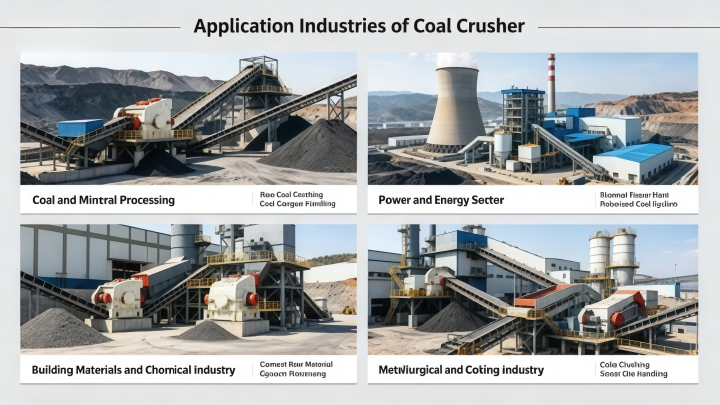
Which Industries Is the Equipment Suitable For?
This Coal Crusher adapts to crushing needs across multiple industries from coal processing to building materials and chemicals. Its broad applicability makes it a versatile piece of equipment in bulk material processing lines.
Coal and Mineral Processing: Used for primary and secondary crushing of raw coal, coal gangue, and middlings, providing feed material of suitable particle size for jigs or dense-medium separators.
Power and Energy Sector: In thermal power plants, the product prepares raw material for pulverized coal injection, supporting mill operation.
Building Materials and Chemical Industry: Processes limestone, gypsum, shale, and certain chemical raw materials as pre-treatment equipment for cement production lines or chemical reactors.
Metallurgical and Coking Industry: Crushes coke, sinter, and other materials to meet particle size specifications for smelting or slag-forming processes.
Case Study: Inner Mongolia Power Station
A thermal power station in Inner Mongolia was operating with an aging crushing system that suffered from frequent breakdowns and high maintenance costs. The existing equipment required component replacement every 2-3 months, and unplanned downtime was affecting their coal preparation efficiency for the circulating fluidized bed (CFB) boilers.
The Solution
The power station upgraded to a MACHRISE PCR-1315 Coal Crusher, featuring our heavy-duty rotor assembly and composite wear-resistant hammers designed for continuous high-capacity operation.
Results Achieved
- Processing Capacity: 200 t/h, meeting the station's peak demand
- Key Result: Reduced unplanned downtime by 40% compared to the previous equipment
- Maintenance Interval: Extended component replacement cycles from 2-3 months to 6-8 months
- Annual Savings: Estimated $15,000+ saved in maintenance costs and replacement parts
- Reliability: Consistent performance across seasonal temperature variations from -30°C in winter to +35°C in summer
Customer Feedback
"The 40% reduction in downtime has been a game-changer for our operations. We're now meeting our coal preparation targets consistently." - Operations Director, Inner Mongolia Thermal Power Station
Contact our engineers today to discuss which the model best fits your specific site conditions and capacity requirements.
Frequently Asked Questions About the Coal Crusher
Below are several technical questions customers frequently ask when purchasing and operating the product.
Q: Can this Coal Crusher handle coal gangue with higher hardness?
A: Yes. The equipment uses high-manganese steel hammers and a heavy-duty rotor, capable of crushing coal gangue or similar medium-hard materials with compressive strength up to one hundred fifty megapascals.
Q: How is dust controlled during operation?
A: We recommend installing seals at the feed and discharge openings of the Coal Crusher and connecting them to the plant's dust collection system. Additionally, internal spray devices can be installed to reduce dust generated during crushing.
Q: What tools are needed to replace the hammers?
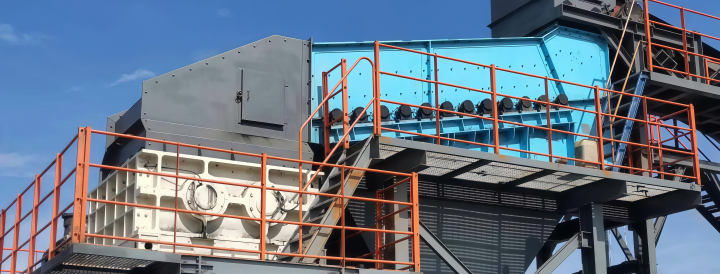
A: Replacing hammers is routine maintenance. Simply use lifting equipment to raise the rotor access door, then use the dedicated pin-pulling tool provided to extract the hammer shaft for replacement. The operating space is designed to facilitate maintenance personnel access.
Q: What special requirements exist for the installation foundation?
A: A concrete foundation with embedded anchor bolts is recommended. The foundation design should accommodate the dynamic loads during Coal Crusher operation and should be isolated from the plant structure to minimize vibration transmission.
Sugested Products
Related news
- How to Choose the Right Coal Crusher for Your Processing Plant: A Complete Guide
- Mobile Impact Crusher Safety Operation: 7 Rules Every Operator Must Follow
- Mobile Impact Crusher Maintenance Checklist: 10 Daily Checks to Extend Blow Bar Life
- Tracked Impact Crusher Buying Guide: 10 Factors to Consider