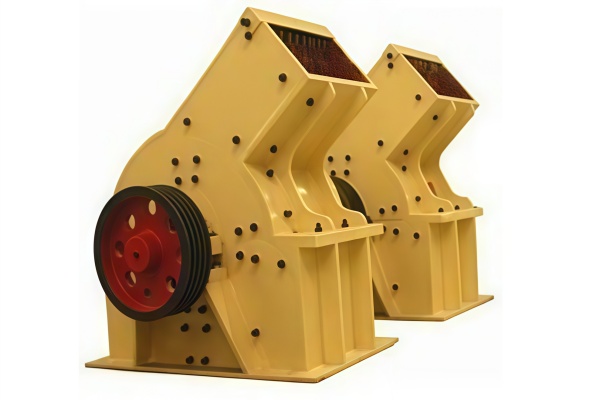
How to Choose the Right Coal Crusher for Your Processing Plant: A Complete Guide
Thursday September-03 2026 10:39:05
Selecting the wrong Coal Crusher often triggers a chain reaction of downstream failures—reduced boiler efficiency, unstable gasifier operation, and increased pulverizer power consumption. These issues don't surface on day one. They emerge when production ramps up or coal quality fluctuates. The global coal crusher market was valued at $472 million in 2024 and is projected to reach $627 million by 2031 at a 4.2% CAGR.
A poorly selected coal crusher can erase its purchase price difference within two years in three ways: spare parts consumption two to three times higher than design, specific power consumption over 20% above a properly sized unit, and unplanned downtime costing dozens of production hours annually.
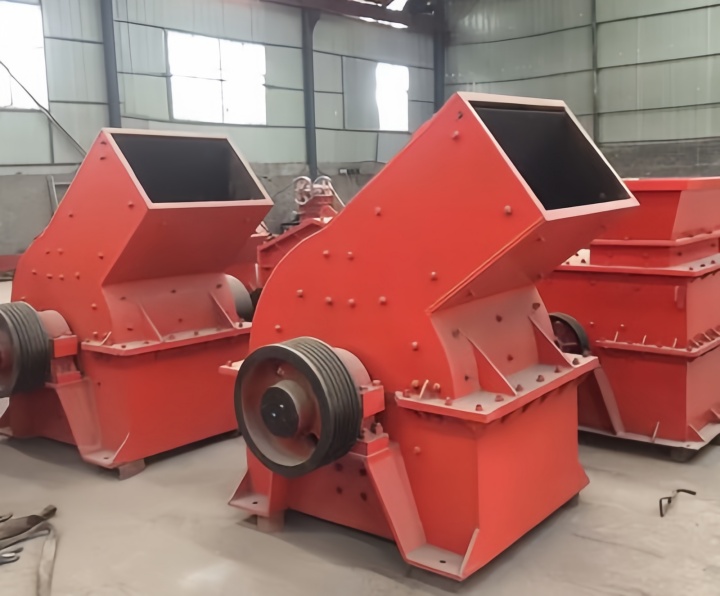
Understand Coal Quality Fluctuations First
Coal quality is the starting point. Hardness, moisture, and gangue content are the three parameters that most affect coal crusher selection, and single test data are insufficient—quality varies across mining areas and seasons.
The Hardgrove Grindability Index is the core metric. When HGI falls below 50, the coal is extremely hard. A coal crusher with insufficient impact force will produce oversize particles consistently, raising downstream pulverizing energy consumption. For soft coal (HGI above 70), impact or hammer crushers can achieve higher single-stage reduction ratios.
Moisture is another critical variable. Coal has a pronounced bedding structure—splitting forces effectively break it along these planes, unlike rock which requires compression and impact. But moisture changes everything: it penetrates bedding planes, altering friction and adhesion. As moisture rises, breakage rates decline. Fine particles adhere to chamber walls and screen surfaces, reducing effective crushing space and throughput.
When gangue content is high, crushing component hardness must increase, and iron removal equipment is needed in the feed system. Rock crushers rely on gravity discharge—rock falls in, crushes, falls out. Wet coal doesn't follow this rule. It sticks to steel plates, accumulates in corners, and forms bridges that block the chamber. The first selection question should be: "How does this machine handle sticky material?"
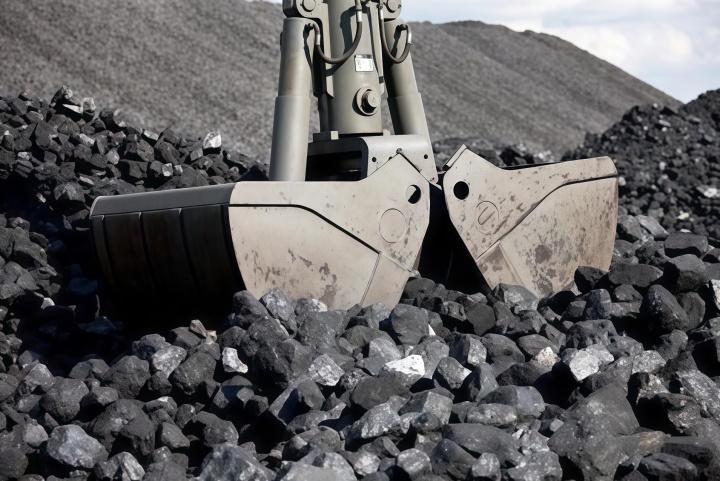
Accurate Capacity and Particle Size Calculation
Capacity and particle size matching is the core of selection, involving peak factor determination and reduction ratio allocation.
Capacity = downstream average hourly consumption × peak factor. For coal preparation plants with continuous operation, the peak factor is 1.15. For power plants affected by rail transport, it should be 1.3 or higher.
The reduction ratio is equally critical. Laboratory tests show that when feed-to-product size exceeds 8:1, a single coal crusher cannot complete the job in one pass. Two-stage crushing is required—jaw crusher for primary, roll or hammer for secondary. Comparative tests reveal performance differences between single-stage hammer circuits and two-stage jaw-plus-roll circuits in hard coal preparation.
Four Coal Crusher Types Have Distinct Boundaries
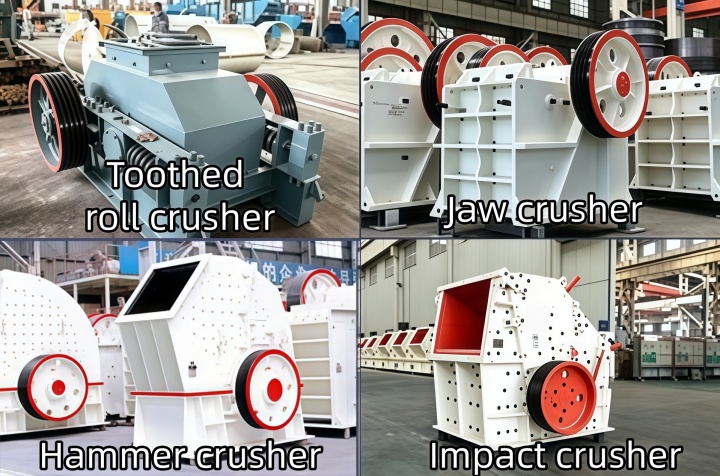
The four mainstream types differ significantly in application scenarios and performance metrics.
Jaw crushers crush through compression and bending between movable and fixed jaw plates. They suit primary coarse crushing with feed sizes up to 1200 mm. They are simple and reliable, but coarse particle content is high, requiring secondary crushing.
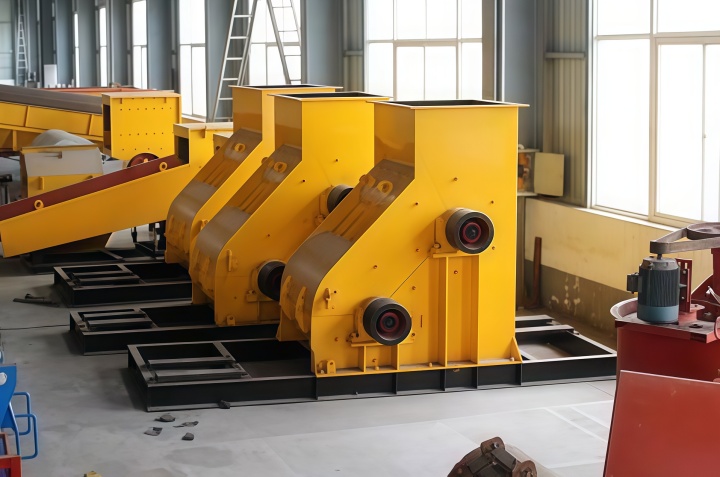
Hammer crushers rely on high-speed rotors with hammers applying impact force, achieving single-stage reduction ratios up to 15:1. Serbia's Kostolac B Power Plant uses two KDV 1137 hammer crushers rated at 1,350 t/h, with 1,000 kW motors and hammer tip speed of 49 m/s. Research shows feed drop height should be limited to 2.2 times rotor diameter, feed velocity below 2 m/s, and material must fall into the designated zone. Uniform feeding directly reduces uneven hammer wear.
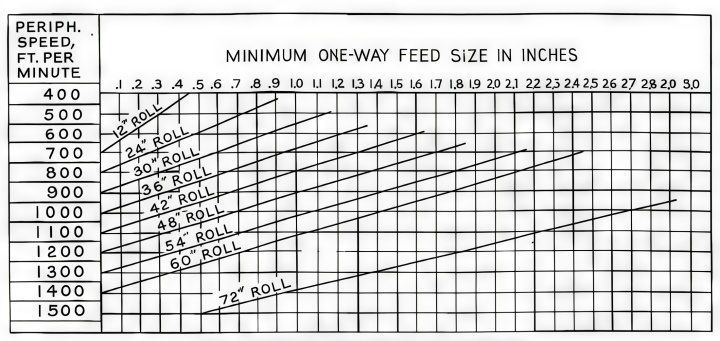
Roll crushers use shearing and compression between two rolls with a "shear + split" principle, increasingly preferred for coal projects. With 1.5 m effective roll length, theoretical throughput reaches 390.8 t/h, recommended with 90 kW or dual 45 kW motors. Adjustable roll gaps allow product size control from 2 to 50 mm. Over-crushing is typically below 15%, compared to 25-30% for hammer crushers. For high-moisture coal, roll crushers with self-cleaning tooth designs effectively prevent wet coal accumulation.
Impact crushers produce good particle shape but are sensitive to moisture, with efficiency declining above 12%.
Coal Crusher Parameter Comparison Table
| Type | Application | Typical Capacity | Motor Power | Over-crushing |
|---|---|---|---|---|
| Jaw | Primary, large feed | 50-1000 t/h | 75-200 kW | High coarse content |
| Hammer | Medium hardness | 30-300 t/h | 90-1000 kW | 25-30% |
| Roll | High moisture, sticky | 50-500 t/h | 45-200 kW | Below 15% |
| Impact | Fine crushing | 20-200 t/h | 55-160 kW | Adjustable |
Note: Kostolac B hammer motors are 1,000 kW. Values are industry typical; refer to manufacturer documentation.
Total Lifecycle Cost Matters More Than Purchase Price
Total lifecycle cost covers purchase price, spare parts, energy, and labor. Studies show jaw crusher operating costs can account for 70-80% of total lifecycle expenditure. Purchase price alone is misleading.
Energy consumption varies significantly. At 50 t/h, roll crushers typically use 15-25 kW motors, while jaw crushers require 45-75 kW. For a medium plant, this means $5,000-$10,000 annual energy savings.
Maintenance costs: a 200 t/h hammer crusher runs approximately $20,000-$28,000 annually in maintenance, spare parts, and labor, while a roll crusher runs about $11,000. Roll crushers have replaceable roll shells lasting 8,000-10,000 hours in bituminous coal applications. Worn segments can be replaced on-site without removing the entire roll assembly, reducing maintenance time by 50%. Systematically managed maintenance costs run 2-3% of asset replacement value; poorly managed operations reach 4-6% or higher.
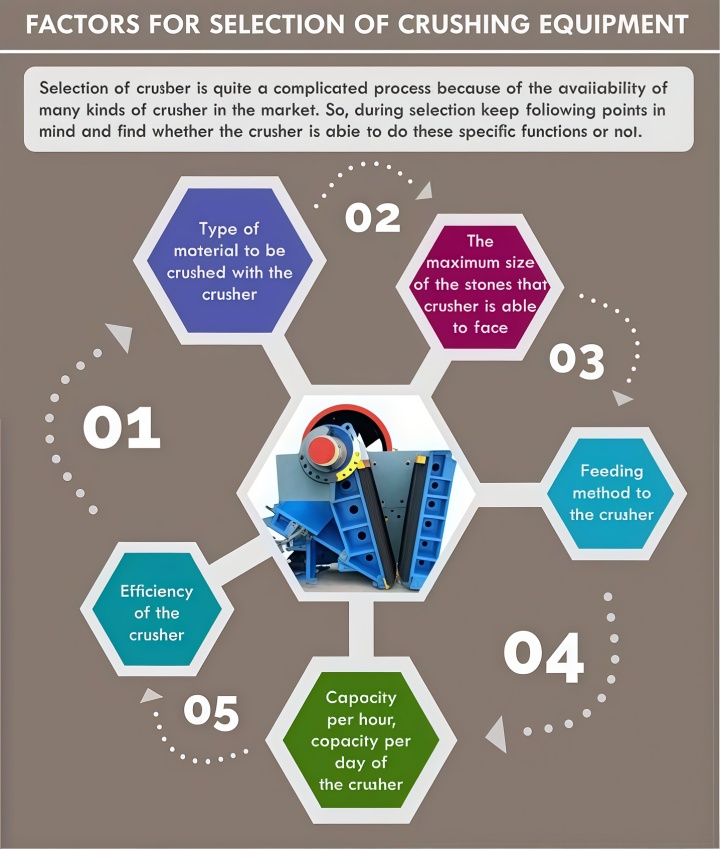
Four Common Selection Pitfalls
Selection failures typically trace to four judgment errors. They include focusing only on maximum capacity, using dry-season coal samples as annual averages, comparing only price rather than total cost, and attempting to use a single machine for both primary and fine crushing.
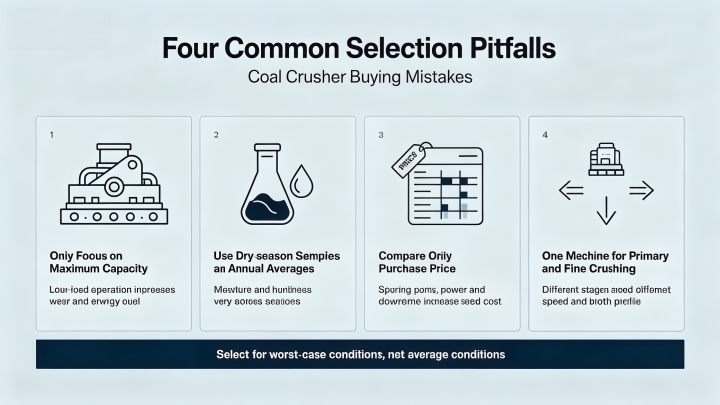
Pitfall 1: Focusing only on maximum capacity. This results in prolonged low-load operation, with increased start-stop cycles accelerating wear. Specific power consumption can exceed proper sizing by 20%+.
Pitfall 2: Using dry-season samples as annual averages.Coal quality varies across seasons and mining areas. A single data set ignores moisture fluctuations and hardness variations. Equipment runs well in dry conditions but fails when coal quality deteriorates.
Pitfall 3: Comparing only price, not total cost.Operating costs often exceed 70% of lifecycle expenditure. Purchase savings can be offset within two years through parts and electricity.
Pitfall 4: Using one machine for both primary and fine crushing. These processes have different speed, tooth profile, and adjustment requirements. The proper configuration is jaw for primary, roll or hammer for secondary.
Installation and Maintenance
Installation quality and daily maintenance directly affect equipment life and failure rates.
Foundation concrete must meet strength requirements. Motor-to-crusher shaft concentricity must be controlled within tolerance. Serbia's Kostolac B research emphasizes feed chute design ensuring material falls into the designated zone, with feed speed below 2 m/s.
Daily: inspect wear parts before startup. Roll crusher shells last 8,000-10,000 hours in bituminous coal. Regular build-up welding on teeth extends service life.
Quick Q&A
Q: What does periodic impact noise indicate during coal crusher operation?
Typically non-crushable objects like iron or large gangue in the chamber, or a broken hammer. Some modern roll crushers have hydraulic overload protection that opens the roll gap when tramp iron enters and resets after removal.
Q: What is the roll tooth replacement cycle for a coal crusher?
Replaceable shells last 8,000-10,000 hours in bituminous coal. Worn segments can be replaced on-site without removing the entire roll assembly.
Q: Why choose a roll crusher over a hammer crusher for a coal crusher processing high-moisture coal?
Roll crushers use low-speed shearing with self-cleaning teeth, preventing accumulation. Hammer crushers use high-speed impact, causing wet coal to adhere to screens and chamber walls.
Q: How do I determine whether single-stage or multi-stage crushing is needed for my coal crusher?
When feed-to-product size exceeds 8:1, two-stage is recommended. Hard coal requires two stages; soft coal may be single-stage.
Select your coal crusher based on worst-case conditions—wet-season moisture, maximum gangue content, hardest seam samples—not averages. Among equipment meeting specifications, choose the lowest total lifecycle cost, not the manufacturer's standard recommendation.
Collect actual operating data from two or three manufacturers under similar conditions and request written technical commitments specific to your coal quality. If you have a current coal quality report, walk through this article's selection logic. The data will answer most of "which one to choose."