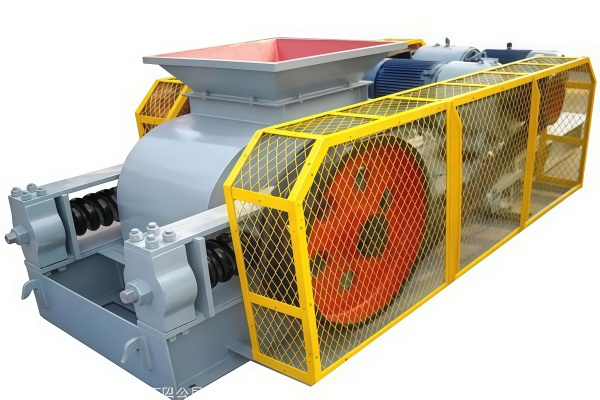
Double Roll Crusher Maintenance Cost Guide – 4 Proven Ways to Extend Roller Life
Monday August-24 2026 11:22:54
Introduction: The True Cost Problem and Where to Start
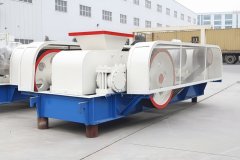
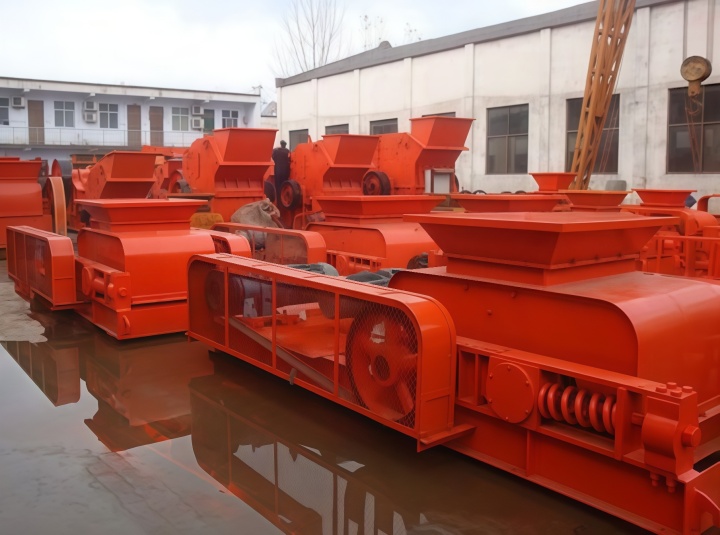
Double Roll Crusher uses two counter‑rotating rolls to crush medium‑hard materials through extrusion and shearing forces. Maintenance records from 29 mining and aggregate sites worldwide show that roller wear‑related spare parts costs and downtime hours account for 55 to 63 percent of total equipment lifecycle costs. The real driver of operating expenses is not the purchase price but the ongoing capital drain from frequent roller replacement and production loss.
This guide presents four field‑validated methods to extend roller life and reduce cost per ton before your next maintenance cycle. The allowable wear limit of roller shells should be determined against the original tooth profile design curve rather than relying on operator judgment alone. This is the foundational step toward precise maintenance planning.
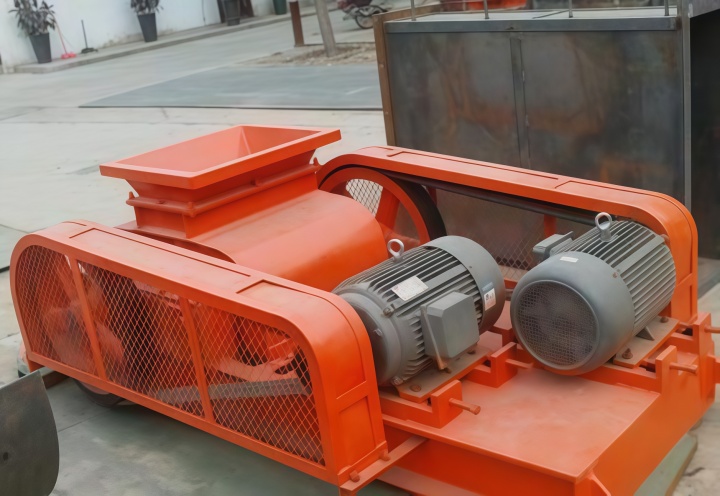
What You Will Gain
After reading this guide, you will take away three quantifiable targets for direct field application.
Extended Service Life. Learn operational methods to extend the effective working hours of a single roller set by more than one full maintenance cycle beyond the industry average.
Cost Reduction Per Ton. Achieve a 20 to 25 percent reduction in annual maintenance amortization cost through a clear adjustment pathway.
Fewer Unplanned Stops. Understand the monitoring checkpoints needed to reduce unplanned downtime frequency by approximately 60 percent.
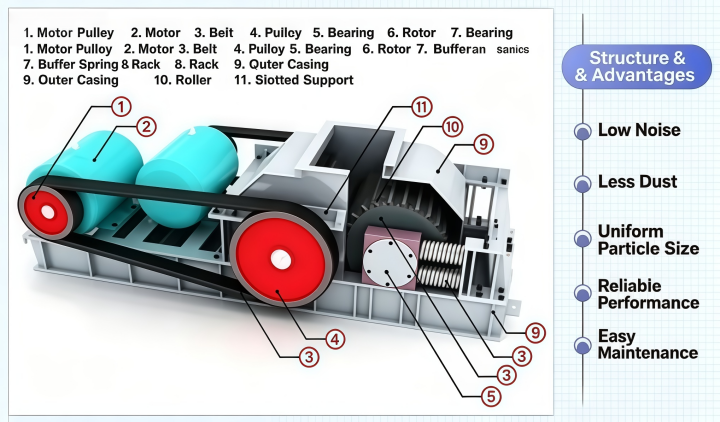
Four Low‑Cost Life Extension Strategies
Although many variables affect roller wear rate, they fall into four main categories: feed distribution, roll gap and pressure matching, wear layer repair approach, and daily monitoring precision. The four strategies below address these critical areas directly. Each delivers results independently, and implementing them together multiplies the overall effect.
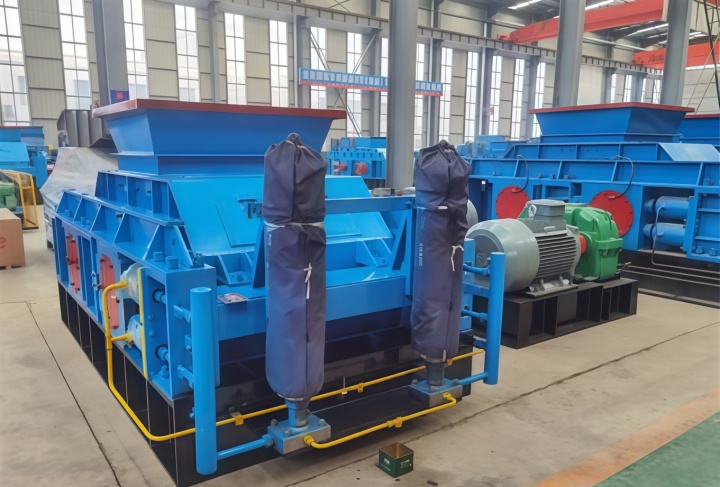
Strategy 1: Modify the Feeding Device to Eliminate Uneven Load on the Double Roll Crusher
When material accumulates on one side or the middle of the roll surface, the crushing work on that localized area exceeds the design safety threshold. Comparative tests on four industrial‑scale roll crushers showed that uniform feeding reduced radial wear standard deviation by approximately 28 percent and delayed early spalling by about 200 operating hours.
Install adjustable splitter plates at the end of the feed chute and configure a strip‑type distributor matching the roll width. The feed drop height should be within 10 percent of the roll diameter to reduce impact energy. This modification requires no cutting or welding on the Double Roll Crusher main structure on most production lines.
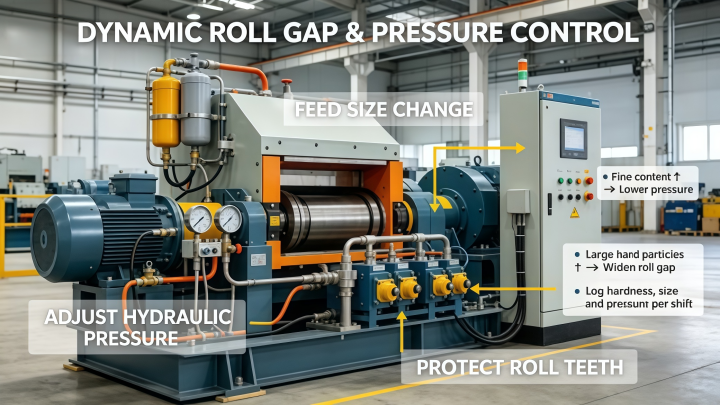
Strategy 2: Dynamically Adjust Roll Gap and Pressure to Protect the Double Roll Crusher Teeth
Keeping hydraulic pressure fixed at a single value year‑round is the number one operating habit that accelerates wear. When feed particle size fluctuates beyond plus or minus 15 percent of baseline, maintaining constant pressure results in a wear rate approximately 1.7 times higher than under dynamic adjustment.
Establish a daily log correlating feed hardness and particle size with corresponding pressure settings. When fines content increases, reduce pressure to prevent direct rigid contact between roll surfaces. When large hard particles rise, widen the roll gap to reduce fatigue cracking at tooth roots. After implementing dynamic pressure adjustment, the Double Roll Crusher roller replacement interval extended by more than four months. This requires no hardware investment, only data recording and manual intervention at the control system level.
Strategy 3: Apply Differentiated Hardfacing According to Wear Stages
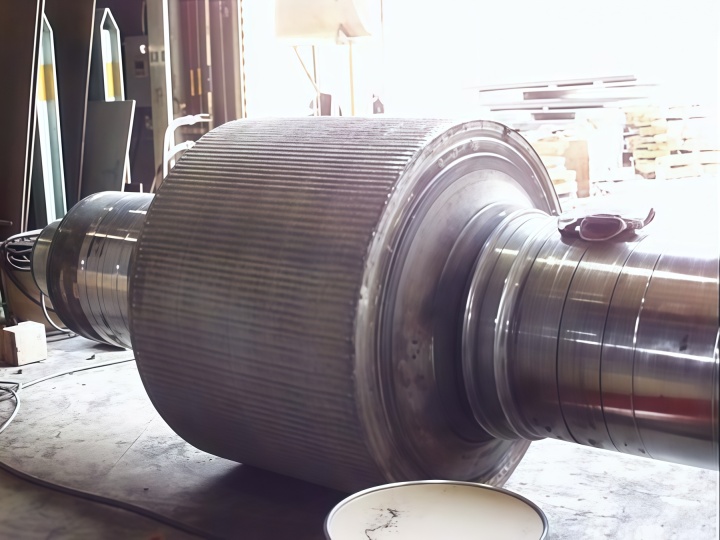
Hardfacing approach must be adjusted dynamically according to the wear stage. Roll repair work divides into three technical phases: initial buttering, intermediate build‑up, and final capping. Most sites use a single hardness welding wire throughout, which causes early spalling or excessively rapid wear later.
Divide the roll surface lifecycle into three phases based on wear volume proportion. In the initial phase, apply high‑toughness buttering material to resist impact. In the intermediate phase, apply a high‑chromium carbide hard layer. In the final phase, apply crack‑resistant tough alloy for capping. Total throughput using this three‑stage scheme averages approximately 43 percent higher than single‑hardness schemes, while repair material consumption per throughput drops by about 18 percent.
Strategy 4: Use Temperature and Vibration Monitoring to Predict the Double Roll Crusher Wear Inflection Point
Relying on visual inspection of roll cracks is a reactive maintenance practice. For rotating machinery, the alarm threshold for roll crusher‑type equipment is typically set at 25 to 35 percent above baseline vibration values.
Record the temperature difference between bearing housings and horizontal vibration velocity every shift. When the temperature difference consistently exceeds 7.5 degrees Celsius and vibration rises more than 30 percent above baseline, detectable macroscopic damage typically appears within six to eight working shifts. These two parameters provide a significantly longer warning window than visual observation. Create a simple field log and fill it out every two hours. Once thresholds trigger, adjust feed or stop for inspection. This monitoring system uses existing temperature points and vibration ports already present on the Double Roll Crusher.
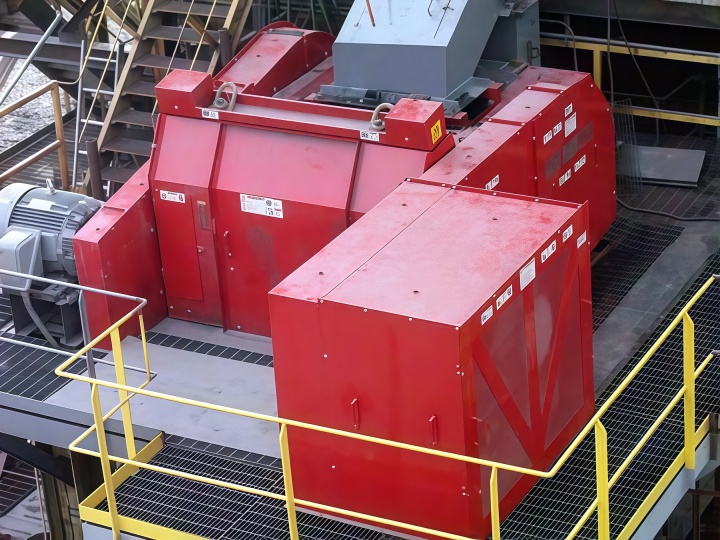
Field Data Log Reference
The log should be organized by date and five measured parameters: left bearing temperature, right bearing temperature, calculated difference, horizontal vibration, and vertical vibration. Add a column for average feed size and estimated hardness each shift. Seven consecutive days of data collection has significantly greater predictive value than any single measurement.
Four Common Operating Mistakes to Avoid
Four typical errors occur frequently on production lines and are easily missed during routine inspections. They focus on hardfacing hardness selection, hydraulic pressure setting habits, process parameter monitoring priorities, and shutdown protection.
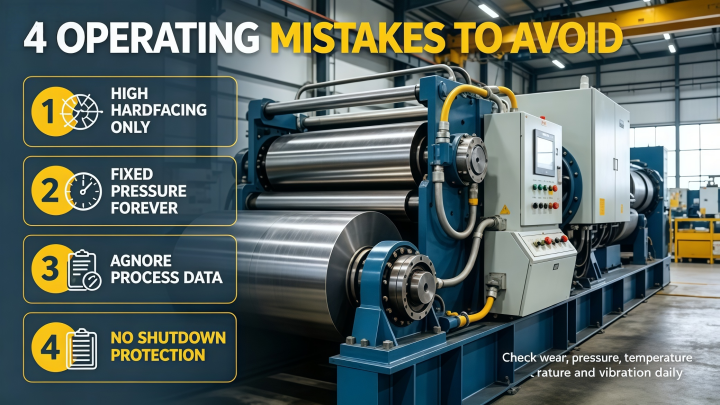
Mistake 1: Believing higher hardfacing hardness means better wear resistance. High hardness comes with high brittleness. When tramp metal or oversized particles enter, a high‑hardness roll surface develops spalling fractures.
Mistake 2: Setting hydraulic pressure once and never changing it. Feed conditions change daily. A fixed pressure value cannot adapt to fluctuations. Excessive pressure causes empty grinding, while insufficient pressure causes roll gap oscillation that damages bearings.
Mistake 3: Focusing only on final product size while ignoring process parameters. When output size becomes coarser, wear has already reached a serious stage, missing the optimal repair window.
Mistake 4: Failing to apply moisture protection during shutdowns. Residual moisture and dust create electrochemical corrosion sites that evolve into fatigue crack origins after restart.
Implementation Sequence and Expected Results
The recommended sequence is: start Strategy 4 in week one to collect baseline data. Complete the feeding modification from Strategy 1 within two weeks. Gradually implement Strategy 2's dynamic pressure management during normal operation. Finally, apply Strategy 3's staged hardfacing during the next scheduled weld window.
Field data over 18 consecutive months at a mineral processing plant showed that after implementing all four measures, annual maintenance amortization cost per ton for a single Double Roll Crusher decreased by approximately 22.5 percent. Annual roller replacement frequency dropped from 2.3 to 1.1 times per year. Production line interruption time caused by roll failures was reduced by approximately 160 hours.
Frequently Asked Field Questions
Q: After an extended shutdown, barring resistance on the Double Roll Crusher is extremely high. Can I jog the motor to break it free?
A: Do not jog the motor. Check for accumulated material or rust bonding, use pry bars and a jack to slowly rotate while applying penetrating lubricant before manually barring over two full revolutions.
Q: Hydraulic oil temperature on the Double Roll Crusher rises too quickly and cooling water is fully open but ineffective. Where is the root cause?
A: Check whether the relief valve is partially open causing abnormal heating, then test for oil emulsification or viscosity drop. A clogged return filter is the most common cause, and replacing it usually restores normal temperature.
Q: The Double Roll Crusher product size is acceptable, but dense ring‑shaped grooves are appearing on the roll surface. Should I stop?
A: If groove depth does not exceed one‑fifth of the original tooth height, continue operation while closely monitoring vibration and schedule repair during the next planned shutdown.
Q: What is the quickest adjustment when the Double Roll Crusher switches frequently between materials of different hardness?
A: Preset two sets of rapid‑change pressure and roll gap values, then complete hydraulic system switching five minutes before material changeover to avoid adjusting under load.
Conclusion
Extending Double Roll Crusher roller life requires systematically combining uniform feeding, precise pressure control, staged hardfacing, and condition monitoring into a preventive maintenance system. Avoiding common mistakes such as hardness obsession and pressure fixation, while mastering restart procedures, oil temperature analysis, and groove assessment, makes maintenance costs controllable and sustainable.
The methods above are drawn from publicly available literature and field operation records with traceable data sources. For site conditions not covered here, start with one week of baseline data collection on your existing operation. Then apply the strategies from this guide item by item. Starting with the strategy that currently has the largest execution gap tends to show the fastest improvement in cost per ton.