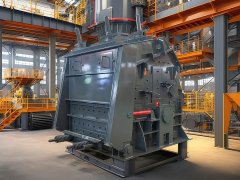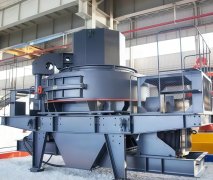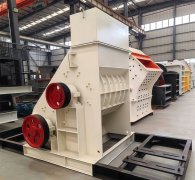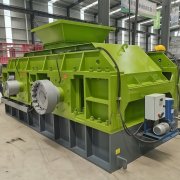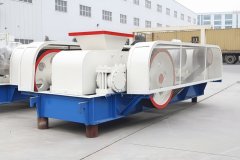
Silica Sand Double-Roll Crusher for Moulding Sand
What is a Silica Sand Double-Roll Crusher for Moulding Sand?
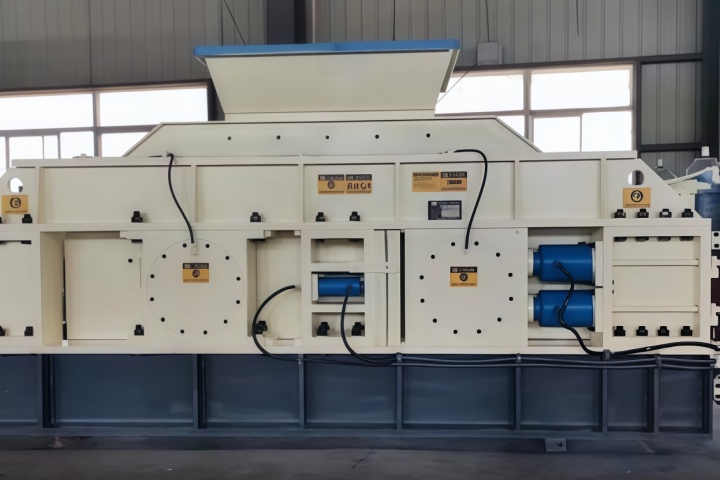
Silica Sand Double-Roll Crusher for Moulding Sand serves as a crushing device specifically designed to process silica sand raw materials into the particle sizes required for foundry moulding sand. This equipment uses two rollers rotating in opposite directions to crush materials through compression. It can process silica stone and quartzite with feed sizes up to 80mm into finished sand ranging from 50 mesh to 20mm. It is suitable for medium and fine crushing of siliceous materials with compressive strength not exceeding 160MPa.
The technical content has been compiled by an engineering team with over 15 years of experience in silica sand crushing equipment. Data comes from factory production records and on-site customer feedback.
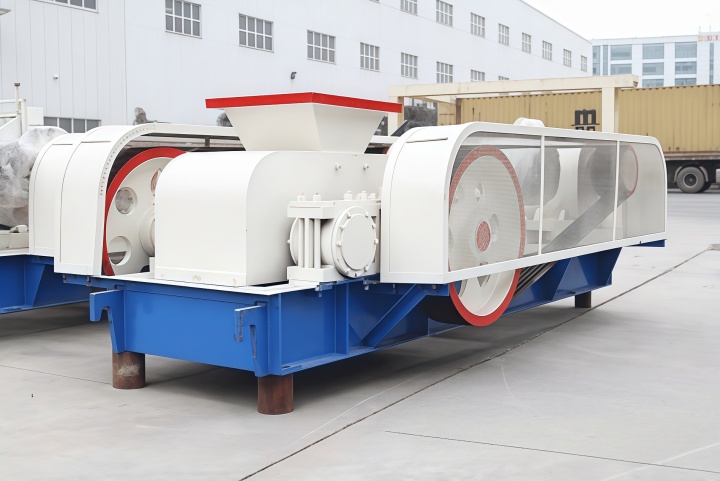
How Does the Silica Sand Double-Roll Crusher for Moulding Sand Work?
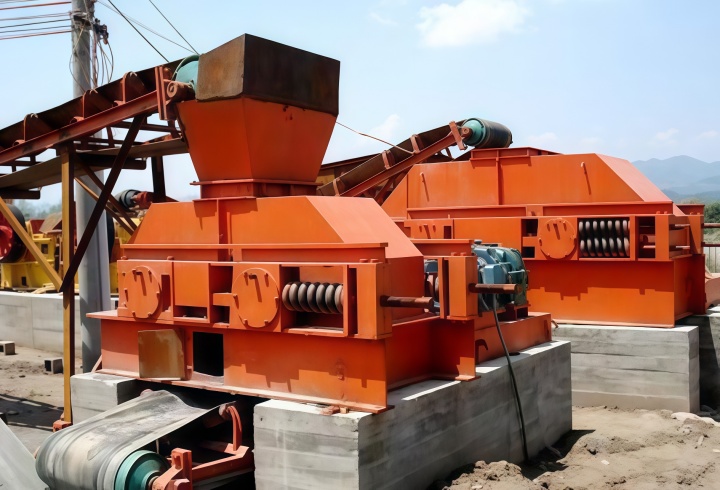
The core mechanism of the silica sand double-roll crusher for moulding sand consists of two parallel cylindrical rollers driven by two motors rotating toward each other. Material enters the V-shaped crushing cavity and is subjected to compressive and shear forces. Unlike impact crushing, the equipment uses progressive pressure crushing, where material fractures along its natural texture rather than being violently shattered. Discharge particle size is controlled by adjusting the roller gap.
This working method preserves the natural angularity of silica sand particles, which helps improve moulding sand bonding strength and permeability. Impact crushing tends to over-break particle edges and generate excessive fines, which can affect moulding sand quality.
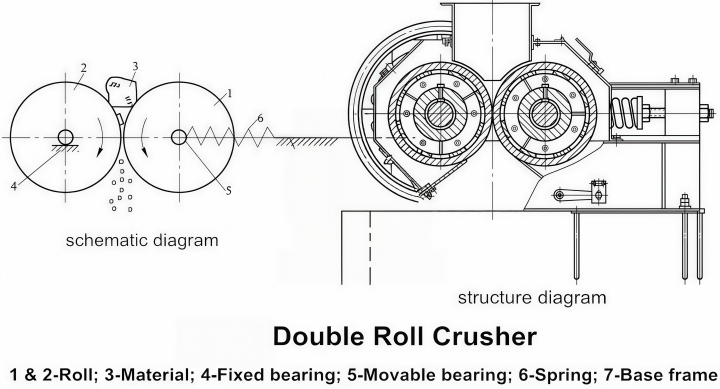
Silica Sand Double-Roll Crusher for Moulding Sand Technical Specifications
The silica sand double-roll crusher for moulding sand is available in multiple models. Data sourced from Huashengming Heavy Machinery and Made-in-China.com B2B platform:
| Model | Roll Dia. (mm) | Roll Width (mm) | Max Feed (mm) | Capacity (t/h) | Motor Power (kW) | Weight (t) |
|---|---|---|---|---|---|---|
| 2PGT400×250 | 400 | 250 | ≤25 | 2-10 | 2×5.5 | 1.5 |
| 2PGT400×400 | 400 | 400 | ≤25 | 5-12 | 2×7.5 | 1.7 |
| 2PGT610×400 | 610 | 400 | ≤30 | 5-20 | 2×11 | 3.6 |
| 2PGT750×500 | 750 | 500 | ≤30 | 10-40 | 2×15 | 8.6 |
| 2PGT800×600 | 800 | 600 | ≤40 | 12-50 | 2×18.5 | — |
| 2PGY800×800 | 800 | 800 | ≤40 | 40-50 | 2×22 | — |
| 2PGY1000×1000 | 1000 | 1000 | ≤40 | 80-100 | 2×37 | — |
| 2PGY1200×1200 | 1200 | 1200 | ≤60 | 120-150 | 2×45 | — |
| 2PGY1500×1200 | 1500 | 1200 | ≤80 | 200-250 | 2×75 | — |
| 2PGY2000×1200 | 2000 | 1200 | ≤120 | 300-400 | 2×110 | — |
"—" indicates the parameter is not listed in publicly available data. Discharge size can be adjusted within 0.5 to 20mm. This equipment can process materials with moisture up to 35% without clogging and has passed ISO 9001 certification.
Core Advantages of the Silica Sand Double-Roll Crusher for Moulding Sand
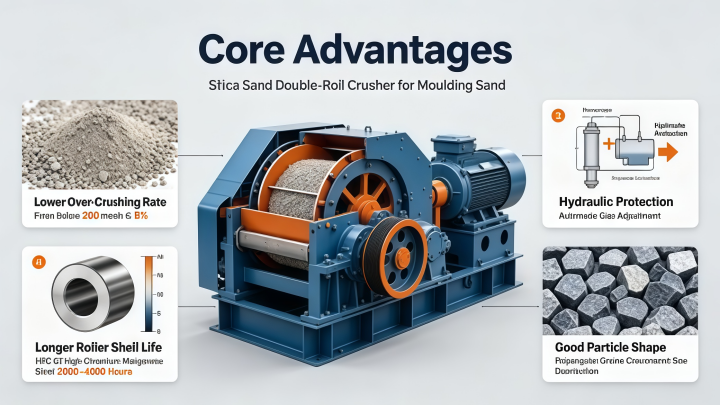
The silica sand double-roll crusher for moulding sand offers four key advantages in crushing hard siliceous materials, namely over-crushing rate control, roller shell wear life, operational safety, and finished sand particle shape quality.
Lower over-crushing rate. The compression principle keeps particles below 200 mesh at or below 8%, while hammer crushers typically exceed 18% under the same conditions.
Longer roller shell life. High-chromium manganese steel alloyed with rare metals achieves HRC62 hardness. Under Mohs hardness 6 to 7 conditions, roller shells operate for 2,000 to 4,000 hours, versus 500 to 800 hours for ordinary high-manganese steel.
Hydraulic protection system. When unbreakable objects enter, the roller gap automatically increases to allow passage and then resets, reducing unplanned downtime.
Good particle shape. Crushed sand has a polyangular shape with concentrated size distribution, benefiting moulding sand bonding strength.
Global Application Cases of the Silica Sand Double-Roll Crusher for Moulding Sand
The silica sand double-roll crusher for moulding sand has been validated in projects worldwide. Two publicly verifiable cases:
Case 1: Southeast Asia. In 2026, a large infrastructure contractor used a 2PGY1500×1200 model to replace an impact crusher for processing river pebbles with silica content exceeding 78%. The equipment saved over $120,000 annually in spare parts and labor costs while producing high-quality sand.
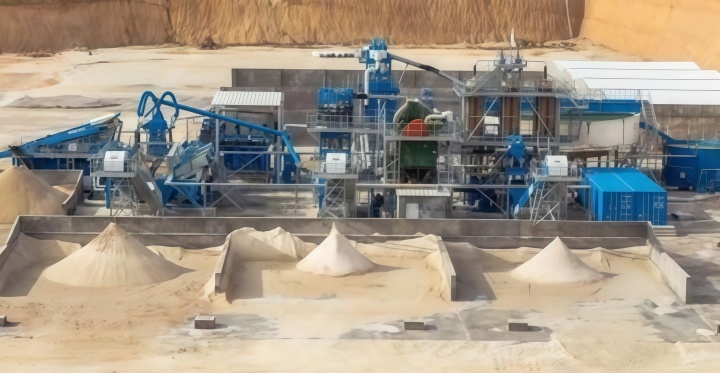
Case 2: India. LSC Infratech, an aggregates and silica sand supplier with 33+ years of experience and 10 plants across three states, introduced the equipment at its Bharatpur facility, achieving 500 tonnes of silica sand per day.
Materials Processed by the Silica Sand Double-Roll Crusher for Moulding Sand
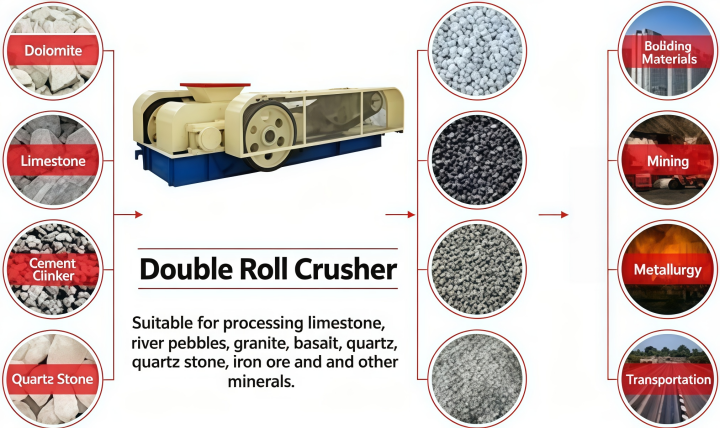
The silica sand double-roll crusher for moulding sand covers three material categories, namely high-hardness siliceous materials, medium-hardness minerals, and industrial recycled raw materials.
Silica sand and quartz sand. Used in foundry moulding sand, glass manufacturing, and photovoltaic industry processing.
Hard siliceous rock and quartz stone. Mohs hardness 6 to 7 and above, feed size below 80mm, for chemical, refractory, and building materials.
Medium-hardness materials. Limestone, river pebbles, cement clinker, iron ore, dolomite, granite, and others with compressive strength not exceeding 160MPa.
How to Select the Right Silica Sand Double-Roll Crusher for Moulding Sand Model?
Selection considers three factors: capacity, feed/discharge sizes, and material hardness.
Capacity. Small lines: 2PGT400×250 to 2PGT610×400, 2-20 t/h. Medium lines: 2PGT750×500 to 2PGY1000×1000, 10-100 t/h. Large lines: 2PGY1200×1200 and above, 120-400 t/h.
Feed and discharge. Maximum feed ranges from 25mm to 120mm; discharge adjusts between 0.5 and 20mm.
Selection example: For 50mm feed, 2mm discharge, and 30 t/h, the 2PGT750×500 model is recommended. This model has a 30mm max feed, so screening or primary crushing would be needed before feeding.
Maintenance Points for the Silica Sand Double-Roll Crusher for Moulding Sand
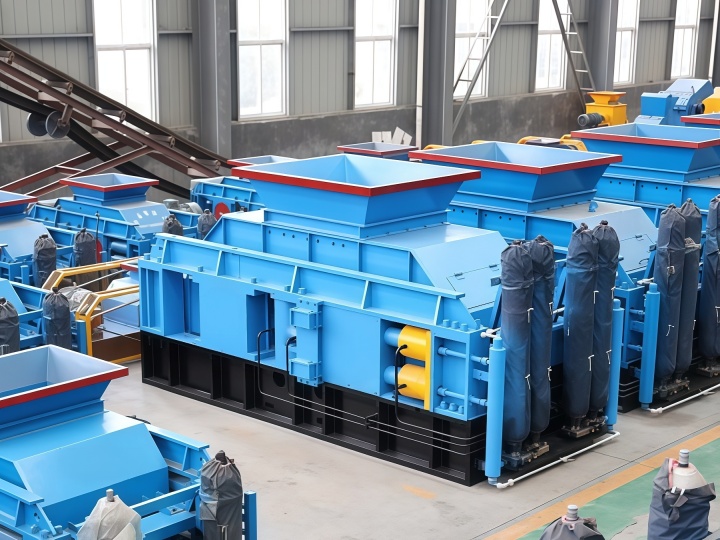
Daily maintenance of the silica sand double-roll crusher for moulding sand focuses on three areas, namely roller gap calibration, roller shell wear monitoring, and common fault troubleshooting.
Roller gap adjustment. Hydraulic models adjust via control panel; mechanical models use shims under spring seats. Check discharge size once per shift.
Roller shell wear inspection. Measure roller surface wear weekly. When wear exceeds one-third of shell thickness, arrange for hardfacing repair or replacement.
Common fault troubleshooting. Oversized discharge: check roller gap and surface pitting. Abnormal vibration: check bearing temperature and bolts. Reduced output: check feed uniformity and roller slippage.
Frequently Asked Questions About the Silica Sand Double-Roll Crusher for Moulding Sand
How long do the roller shells of the silica sand double-roll crusher for moulding sand last?
High-chromium manganese steel roller shells alloyed with rare metals operate for 2,000 to 4,000 hours under Mohs hardness 6 to 7 conditions, while ordinary high-manganese steel shells run for 500 to 800 hours.
Can the silica sand double-roll crusher for moulding sand handle wet materials?
Yes. The screenless bottom design allows processing of materials with moisture up to 35% without clogging.
Is the silica sand double-roll crusher for moulding sand better for moulding sand than a hammer crusher?
Yes. Hammer crushers generate excessive fines, while this equipment has a lower over-crushing rate and more concentrated particle size distribution.
Does the silica sand double-roll crusher for moulding sand get damaged by unbreakable objects?
Generally not. The hydraulic protection system automatically increases the roller gap to allow passage and then resets, preventing core component damage.