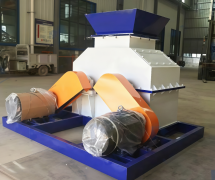
Bentonite Chain Crusher for Pellet Binder
What is a Bentonite Chain Crusher for Pellet Binder?
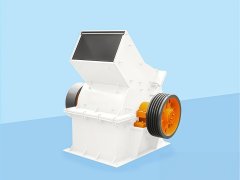
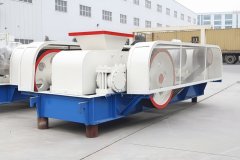
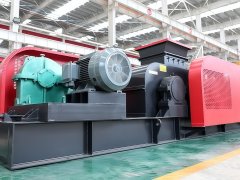
The Bentonite Chain Crusher for Pellet Binder reduces raw bentonite ore to a powdered state through chain-type crushing. Bentonite serves as a binder in the production of iron ore pellets, cat litter, animal feed pellets, and organic fertilizers.
The role of this equipment is to process bentonite raw material into uniformly fine powder before the pelletizing stage. The global bentonite market was valued between 7.2 and 8.0 billion USD in 2025. Within this processing chain, the Bentonite Chain Crusher for Pellet Binder assumes the role of raw ore pre-treatment equipment.
How a Bentonite Chain Crusher for Pellet Binder Works?
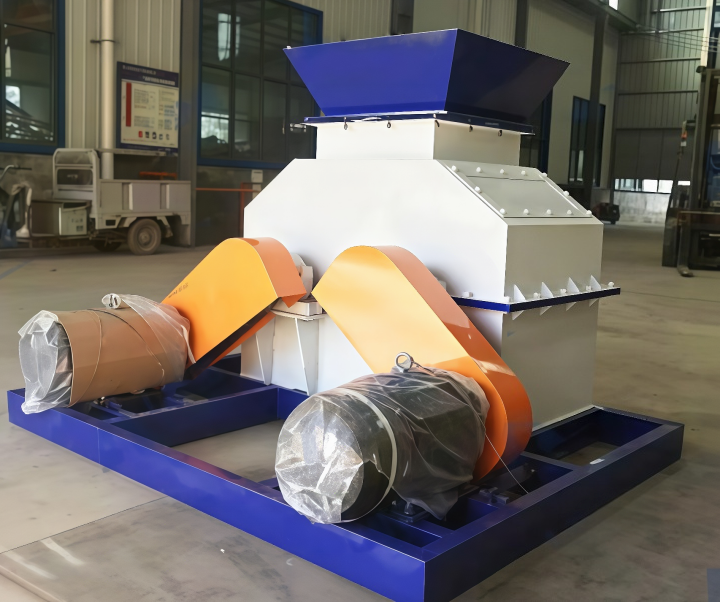
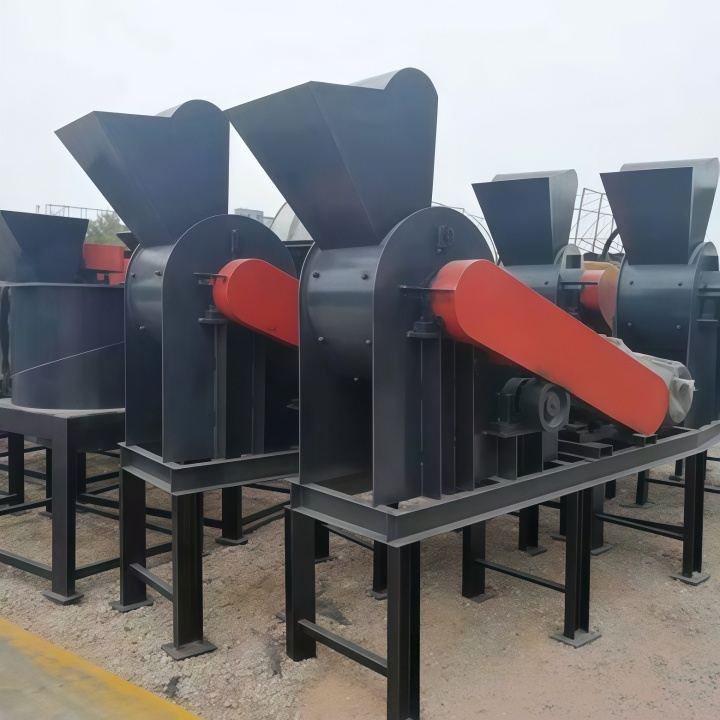
The primary working component of this equipment is the steel chains mounted on the rotor. The motor drives the rotor to spin, causing the chains to move at high speed. Bentonite lumps enter the crushing chamber and are fractured upon impact with the chains. During field commissioning, it was found that the arrangement of chains has a greater effect on particle size than rotor speed. A staggered arrangement yields 12% more uniform output than a parallel arrangement.
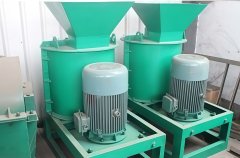
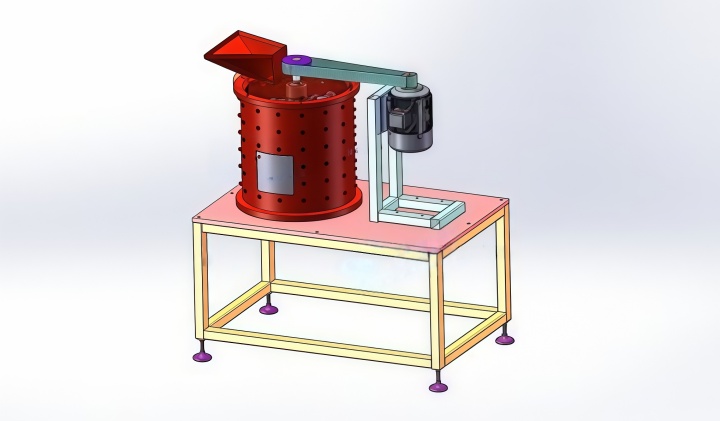
Furthermore, a non-linear relationship exists between chain count and throughput: installing 14 chains produces finer particle size, but material retention time in the crushing chamber increases, reducing throughput by 8%. This equipment is available in vertical and horizontal configurations. The vertical version has a single rotor and occupies approximately 2 square meters, while the horizontal version has dual rotors and occupies approximately 4 square meters. Material passes through the upper rotor for coarse crushing before entering the lower rotor for finer processing, with continuous discharge from the outlet. Tests show that feeding rate controlled at 80% to 90% of the rated value yields the most stable crushing performance.
Technical Parameters of the Bentonite Chain Crusher for Pellet Binder
The main technical parameters for common models of this equipment are as follows:
| Model | Rotor Speed (rpm) | Shell Inner Diameter (mm) | Feed Size (mm) | Discharge Size (mm) | Capacity (t/h) | Motor Power (kW) |
| LP500 | 1460 | 500 | ≤60 | ≤3 | 1-3 | 11 |
| LP600 | 1460 | 600 | ≤60 | ≤3 | 2-5 | 15 |
| LP750 | 1440 | 750 | ≤60 | ≤3 | 4-6 | 15 |
| LP800 | 1470 | 800 | ≤60 | ≤3 | 5-9 | 22-30 |
| LP900 | 1470 | 900 | ≤60 | ≤3 | 7-10 | 37 |
| LP1000 | 1470 | 1000 | ≤60 | ≤3 | 9-11 | 45 |
Models LP500 through LP600 are suited for small production lines, while LP800 through LP1000 are intended for industrial production lines with an annual output exceeding 50,000 tons. All models come equipped with quick-access inspection doors and anti-stick liners.
Performance Features of the Bentonite Chain Crusher for Pellet Binder
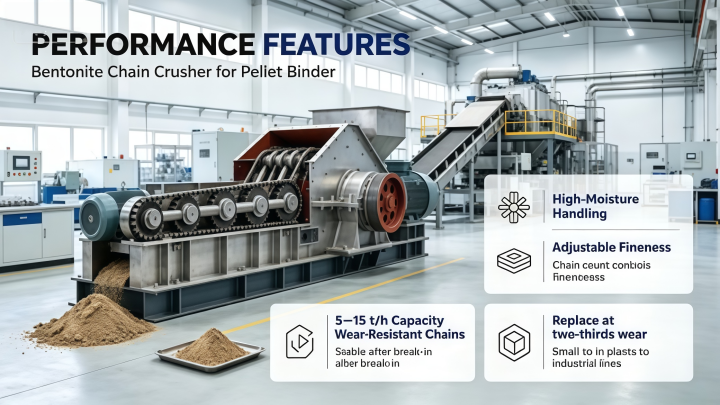
The Bentonite Chain Crusher for Pellet Binder is supported by measured data in four areas: handling high-moisture materials, adjusting discharge fineness, controlling maintenance costs, and single-unit throughput.
High-moisture material handling. The equipment's adaptability to high-moisture bentonite has been verified through testing. A 72-hour full-load test on the LP800 model at a Xinjiang mine site in June 2026 showed throughput at 6.8 tons/hour during the first 24 hours, stabilizing at 7.2 tons/hour thereafter, reaching over 90% of the rated capacity. This break-in period indicates that new equipment should not be operated at full load immediately after installation.
Discharge fineness adjustment. Discharge fineness can be controlled by adjusting the number of chains. For cat litter production requiring fineness below 1.5 mm, 12 chains are installed. For iron ore pellet production requiring below 3 mm, 8 chains are sufficient. Chain count adjustment can be completed within 25 minutes.
Wear-resistant chain design. The equipment is fitted with wear-resistant alloy chains. According to operational records, when chain thickness wears to two-thirds of the original thickness, the discharge particle size begins to coarsen noticeably. Replacement should be scheduled at this point rather than waiting until the chain is completely worn out.
Capacity range. Single-unit throughput ranges from 5 to 15 tons per hour, covering production needs from small and medium-sized processing plants to large industrial production lines.
What Materials Can the Bentonite Chain Crusher for Pellet Binder Process?
The Bentonite Chain Crusher for Pellet Binder primarily processes raw bentonite ore, with applications extending to cat litter, animal feed, and iron ore pellet production.
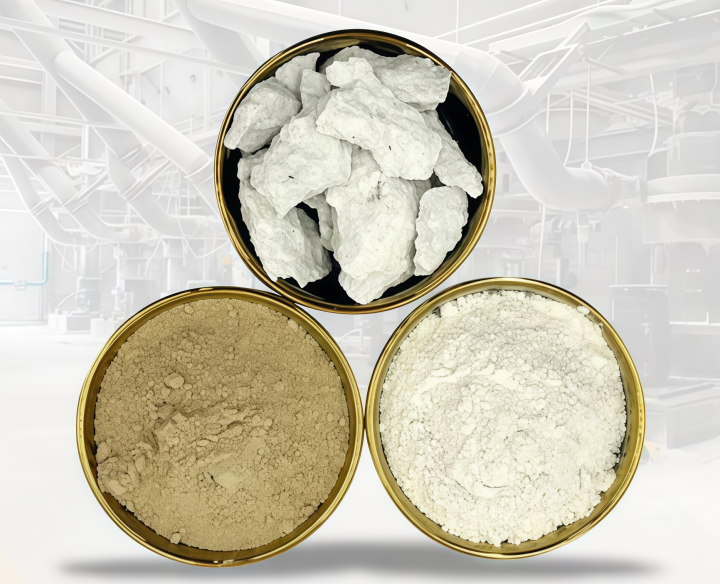
Raw Bentonite Ore. This equipment can reduce raw ore to powder below 3 mm in a single pass. In tests at a Xinjiang mine site, feed particle size ranged from 45 to 60 mm, with 94.2% of the output measuring below 3 mm.
Cat litter Materials. The global bentonite cat litter market was valued between 3.41 and 3.8 billion USD in 2025, with Europe accounting for 39% of the market. This equipment reduces raw bentonite to the appropriate fineness for cat litter production. A cat litter manufacturer in Shandong (purchased September 2025, annual output 30,000 tons) reported that after switching to the LP800 model, they experienced no stoppages due to material sticking for 10 consecutive months.
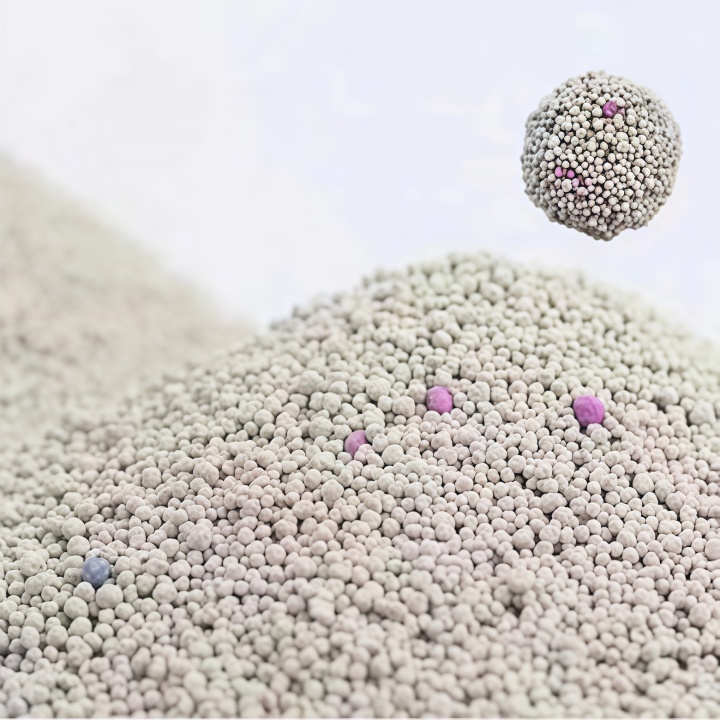
Animal Feed Materials. Feed production requires bentonite fineness of 80 mesh or above. This equipment, paired with screening equipment, achieves a sieving rate above 92%.
Iron Ore Pellet Materials. Pellet production requires that more than 80% of the powder pass through a 200-mesh screen. This equipment, paired with an air classifier, achieves a compliance rate of 86%.
How to Choose the Right Bentonite Chain Crusher for Pellet Binder?
Selecting the appropriate Bentonite Chain Crusher for Pellet Binder requires evaluation across four dimensions: material moisture content, hourly capacity, installation space, and maintenance frequency.
Material moisture content. High-moisture materials call for models with thickened anti-stick liners to reduce adhesion on the crushing chamber walls.
Hourly capacity. Choose LP500 for 1 to 3 tons per hour, LP800 for 5 to 9 tons per hour, and LP1000 for 9 to 11 tons per hour.
Installation space. The vertical configuration occupies about 2 square meters and suits retrofit projects. The horizontal dual-rotor configuration occupies about 4 square meters and suits new production lines. One customer purchased a horizontal dual-rotor unit without measuring their workshop door height. The equipment could not enter the workshop and had to be disassembled and reassembled, adding two extra days of installation time.
Maintenance frequency. Select a model that matches the production line's scheduled downtime days and regularly inspect chain wear.
Common Faults and Troubleshooting for the Bentonite Chain Crusher for Pellet Binder
Common faults of the Bentonite Chain Crusher for Pellet Binder include coarsening discharge, increased vibration, material sticking, and current fluctuations, each with specific inspection and resolution methods.
Coarsening discharge. The cause is chain wear exceeding the allowable limit. Measure chain thickness with a caliper. If wear reaches two-thirds of the original thickness, the discharge begins to coarsen, and all chains should be replaced. Never replace only some chains, as rotor dynamic balance would be compromised.
Increased vibration. Usually caused by broken chains. Shut down immediately for inspection, and replace broken chains in pairs to maintain balanced weight on symmetrical positions.
Material sticking. Reduce the feed rate and clean the liner surface.
Current fluctuations. Often indicates foreign objects such as stones or metal in the feed. Install a magnetic separator on the feed conveyor and control the feed particle size within the allowable range.
Frequently Asked Questions About the Bentonite Chain Crusher for Pellet Binder
How fast does the chain wear when the Bentonite Chain Crusher for Pellet Binder processes wet bentonite?
Based on wear records, one set of chains lasts for 2,500 tons when processing bentonite with 30% moisture content, compared to 2,000 tons when processing dry bentonite. Moist material extends chain life by 25%, as water reduces the coefficient of friction between the chains and the material.
Can the Bentonite Chain Crusher for Pellet Binder process other binder raw materials?
Yes. This equipment can also process clay-based binder materials such as kaolin, attapulgite, and zeolite powder. Wear rates when processing kaolin are comparable to those when processing bentonite.
How often should the anti-stick liners of the Bentonite Chain Crusher for Pellet Binder be replaced?
The anti-stick liners have three times the service life of the chains. Wear accelerates when processing bentonite with higher quartz sand content, so thickness should be inspected regularly.