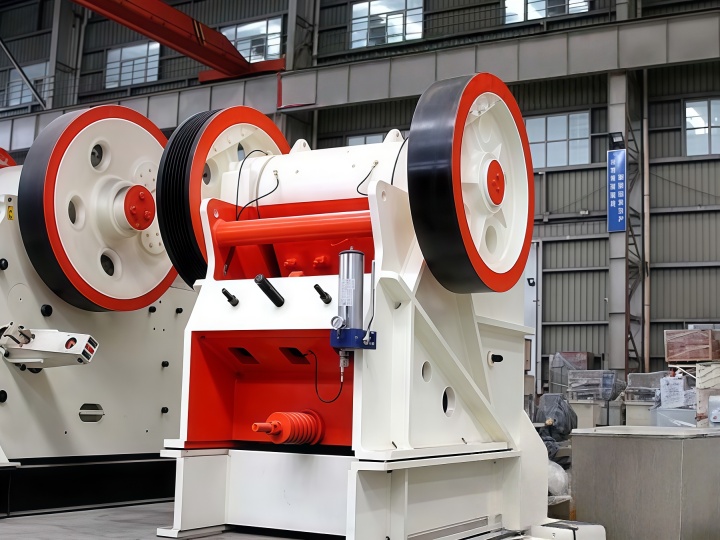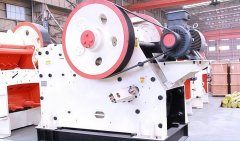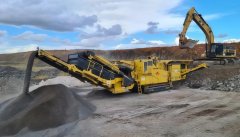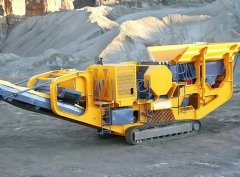
Primary Jaw Crusher
What is a Primary Jaw Crusher?
A Primary Jaw Crusher serves as the first checkpoint in mineral processing and aggregate production ,and it influences feed conditions and load distribution for all downstream equipment. This machine relies on the compression action of two jaw plates to reduce large run‑of‑mine ore to a medium particle size. In hard rock applications such as granite and basalt, the measured compressive strength tolerance exceeds three hundred megapascals. Whether in hard rock mining or construction aggregate production, feed size control and discharge stability are closely linked to the equipment's operating conditions.
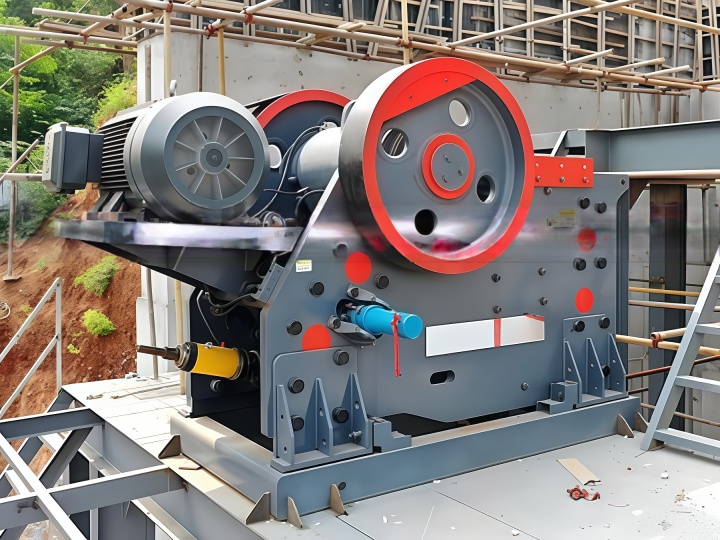
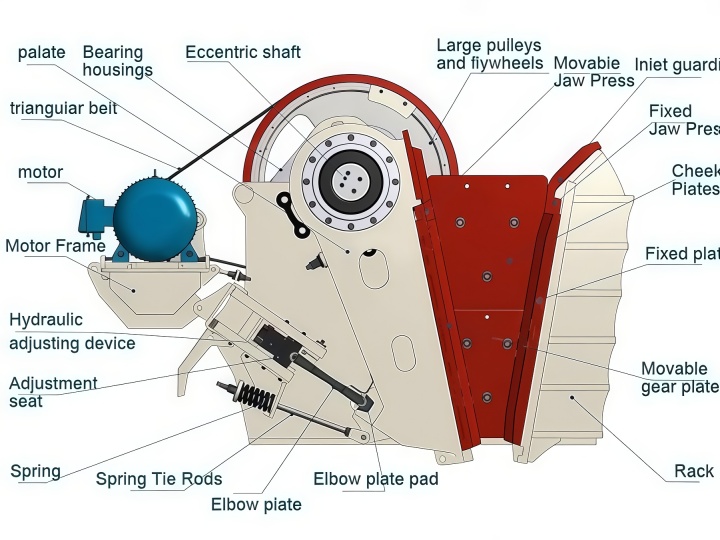
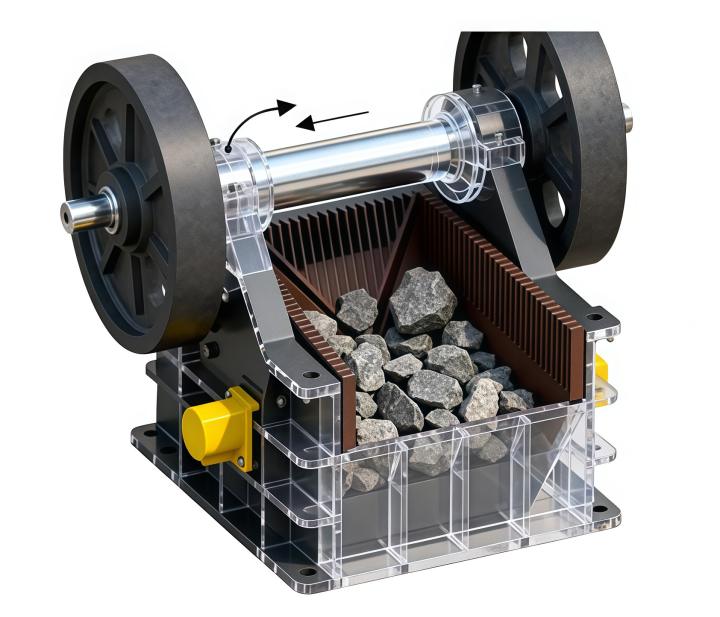
Structurally, it consists of a frame, eccentric shaft, jaw plates, toggle plate, and adjustment device. The frame uses cast steel or high‑strength welded construction for heavy impact conditions. The angle between the swing jaw and the fixed jaw affects crushing efficiency, and the deep cavity design allows more thorough compression.
How Does a Primary Jaw Crusher Work?
The Primary Jaw Crusher operates through the eccentric shaft driving the swing jaw in a reciprocating motion, periodically compressing material in the crushing chamber. The motor transmits power via belt pulleys to the eccentric shaft. When the swing jaw moves upward, the angle with the fixed jaw increases, bringing the plates closer and fracturing the material. When it moves downward, the angle decreases and crushed material discharges from the bottom.
This cycle repeats continuously. The deep V‑shaped chamber guides material to descend and break progressively, preventing dead zones. The optimized trajectory enables the equipment to achieve a higher reduction ratio under the same energy consumption.
What Are the Core Advantages of a Primary Jaw Crusher?
The Primary Jaw Crusher shows impact on production in three specific aspects.
High reduction ratio with simplified process flow. It reduces material over one meter to below two hundred millimeters, eliminating the need for a pre‑screening stage, reducing auxiliary equipment and initial investment.
Predictable jaw plate service life. With optimized tooth profile and mounting angle, a set of jaw plates can exceed two thousand hours when processing medium‑hardness materials, meaning replacement once or twice per year. This clear cycle facilitates cost management.
Convenient discharge adjustment. The hydraulic system completes discharge setting within five minutes, cutting downtime versus conventional shim adjustment approaches.
The above data comes from tracking records of multiple on‑site conditions.
The Technical Parameters of a Primary Jaw Crusher
The parameters for the Primary Jaw Crusher are shown below. Data is measured under industry‑standard methods with medium‑hardness material and uniform feeding. Actual throughput may vary with material characteristics and feeding methods.
| Model | Feed Opening (mm) | Max Feed (mm) | Discharge Range (mm) | Power (kW) | Capacity (t/h) |
|---|---|---|---|---|---|
| PE-400×600 | 400×600 | 350 | 40-100 | 30 | 16-65 |
| PE-500×750 | 500×750 | 425 | 50-100 | 55 | 45-100 |
| PE-600×900 | 600×900 | 500 | 65-140 | 75 | 60-160 |
| PE-750×1060 | 750×1060 | 630 | 80-160 | 110 | 90-320 |
| PE-900×1200 | 900×1200 | 750 | 95-210 | 130 | 140-450 |
How to Choose the Right Primary Jaw Crusher?
Selection of the Primary Jaw Crusher can be based on three factors: material characteristics, capacity requirements, and process flow.
By material characteristics. For hard rock exceeding three hundred megapascals (granite, basalt), select a heavy‑duty unit with high‑manganese steel jaw plates and reinforced eccentric shaft. For medium‑hardness materials (limestone), standard configuration suffices.
By capacity requirements. Use hourly throughput as the indicator. Reserve a margin above theoretical capacity for material fluctuations and equipment wear. Large‑scale lines may consider a unit with feed opening width of one meter or more.
By process flow. When a cone crusher is downstream, discharge particle size can be larger. When screening or grinding follows directly, keep the discharge opening smaller.
Actual Operating Data of a Primary Jaw Crusher
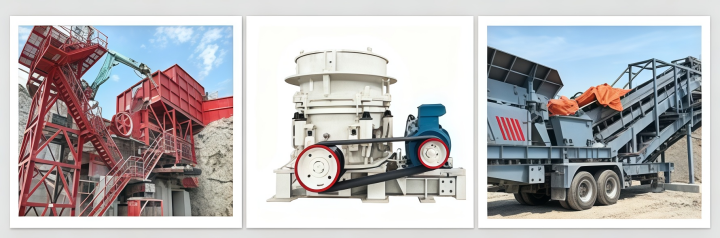
The actual performance of the Primary Jaw Crusher under real conditions serves as a capability reference. In a hard rock mine processing granite, a PE‑900×1200 model operating sixteen hours per day maintained throughput of approximately two hundred sixty tons per hour, with jaw plate life of about one thousand two hundred hours, and replacement downtime within eight hours. The same model processing limestone achieved throughput exceeding three hundred fifty tons per hour, with jaw plate life beyond two thousand hours.
Operational details: Hydraulic discharge adjustment takes about ten minutes. Lubrication checks every eight hours. Bearing temperatures of sixty to seventy degrees Celsius are normal.
On‑site insight: During rainy seasons with moist materials, blockages often occurred at the discharge opening. Installing a scraper plate reduced blockage frequency from three times per week to once per month.
User Feedback
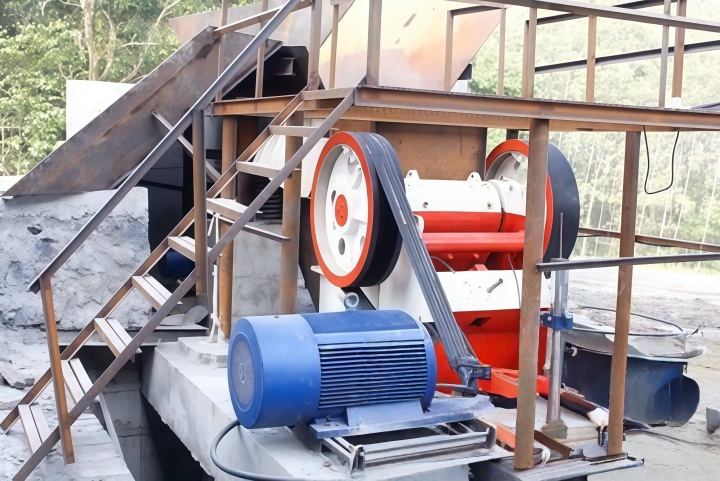
Mr. Wang, Equipment Manager at a large granite mine in Southwest China, reported that his PE‑750×1060 Primary Jaw Crusher has operated continuously for over two years (as of 2025), processing about eight hundred thousand tons of granite.
Except for one scheduled jaw plate replacement, no unscheduled downtime occurred. He noted that the hydraulic discharge adjustment system is convenient, with adjustments completed within minutes.
What Are the Application Scenarios for a Primary Jaw Crusher?
In mining, the Primary Jaw Crusher is often positioned close to the mining face to reduce haul distance. In one iron ore mine, truck haul distance dropped from one point five kilometers to three hundred meters. Controlling discharge below one hundred fifty millimeters reduces grinding energy by about fifteen percent.
In aggregate production, discharge size affects downstream cone crusher load. Setting the discharge opening at eighty to one hundred millimeters achieves a favorable energy balance.
In cement and metallurgy, clay content tends to adhere to chamber walls. The deep cavity design reduces manual cleaning frequency.
In construction waste recycling, specially designed jaw plate tooth profiles reduce rebar entanglement risk.
Primary Jaw Crusher FAQ
What are the main operating costs for this equipment?
Operating costs account for over seventy percent of total lifecycle expenditure. Energy consumption represents the largest share, about forty to sixty percent. Jaw plate replacement is the second largest expense, especially for highly abrasive materials. For a unit running three thousand hours annually, electricity costs alone are substantial.
What factors affect energy consumption?
Energy consumption is influenced by material hardness, discharge setting, and feeding method. A smaller discharge opening increases energy use. Uneven feeding causes frequent motor adjustments and ineffective energy consumption. A properly configured Primary Jaw Crusher typically consumes three to eight kilowatt‑hours per ton.
What are the consequences of improper selection?
An undersized feed opening requires additional pre‑crushing. Insufficient capacity leads to overload and accelerated bearing wear. Oversized selection wastes investment. Improper selection can reduce capacity by thirty to fifty percent and increase operating costs by fifteen to twenty‑five percent.
How to choose between a Primary Jaw Crusher and an Impact Crusher?
For high hardness and abrasiveness, the Primary Jaw Crusher is recommended. For medium to low hardness with higher particle shape requirements, choose an Impact Crusher. The former suits hard rock exceeding one hundred fifty megapascals. When processing granite and iron ore, its jaw plate wear cost is lower than the Impact Crusher's blow bar replacement cost.