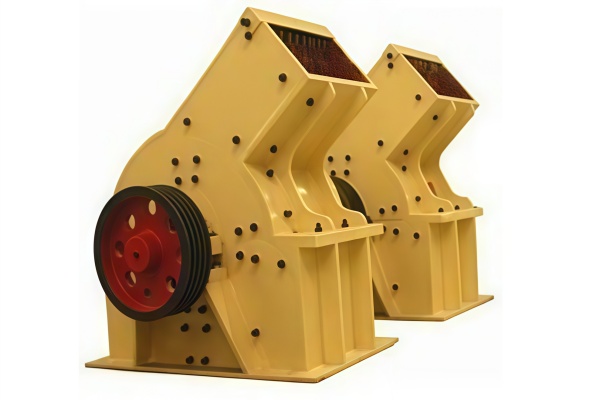
Coal Crusher Price
Thursday September-03 2026 10:41:18
A Coal Crusher is equipment that breaks large chunks of raw coal into smaller pieces. This process is common across many industries, from power generation to steel and cement production. Crushed coal burns more completely and feeds more steadily into boilers.
When businesses look for this type of equipment, one of the most frequent questions they ask is about the Coal Crusher Price. This guide covers the key factors that shape that price, the available equipment types, and practical advice to help you make a well‑considered investment.
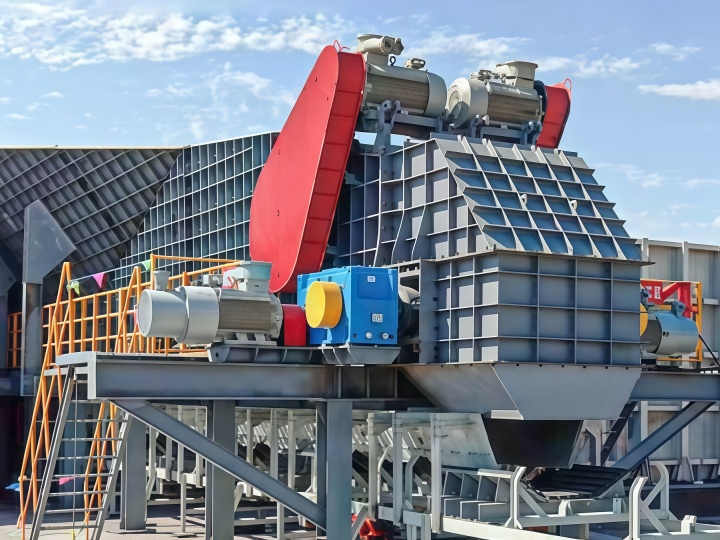
What factors influence the Coal Crusher Price?
The final figure depends on a mix of elements—machine type, build materials, and production capacity all play a part. Jaw crushers, hammer crushers, and roll crushers each have different cost structures. Higher‑grade steel and automation features push the price up, but they also improve durability and operating efficiency. A unit that handles dozens of tons per hour will have a very different cost compared to one that processes hundreds of tons. Shipping distance and after‑sales support also add to the overall Coal Crusher Price.
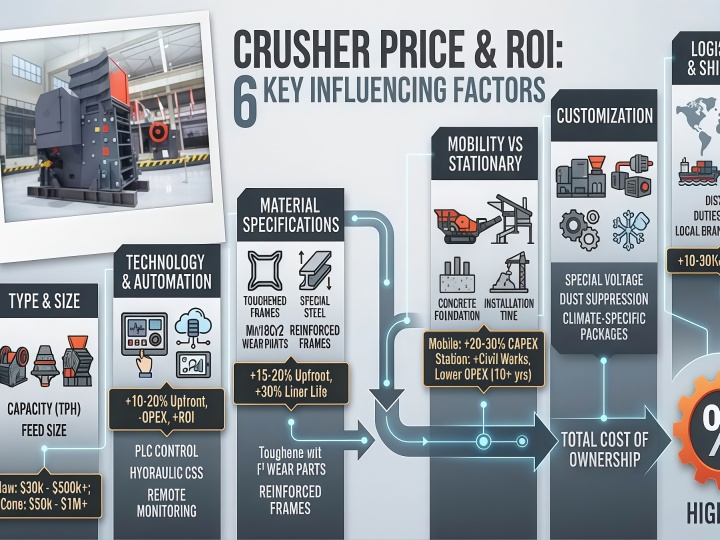
Price comparison across different crusher types
Jaw crushers handle large, tough feed and are often used for primary crushing. Hammer crushers produce finer particles and are common in power plants. Roll crushers give a uniform output, while mobile units offer site flexibility. Each type has its own price based on design complexity and power requirements. Smaller models are more affordable, while larger systems with extra features represent a bigger investment.
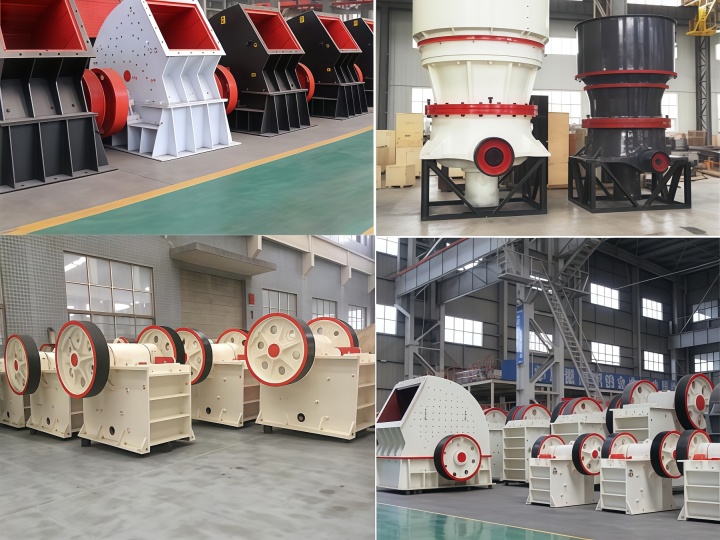
New versus used – how does the Coal Crusher Price compare?
Used equipment offers a much lower upfront price and is often available immediately. However, it may come with limited warranty, older technology, and higher repair risks. New machines cost more, but they include full warranty, newer design features, and lower early‑stage maintenance costs.
For tight budgets, a refurbished unit can be a good compromise. For large‑scale operations, new equipment with reliable support usually delivers solid long‑term value despite the higher initial outlay.
Coal Crusher Price ranges for different capacity levels
Coal Crusher Price rises as processing capacity increases. Smaller units handling dozens of tons per hour fall into a lower price bracket. Mid‑range models for a few hundred tons per hour cost more. Large systems rated for five hundred tons or more involve the highest price, as they require heavier construction and additional components like feeders and screens.
Knowing your required throughput helps you find the right cost for your operation.
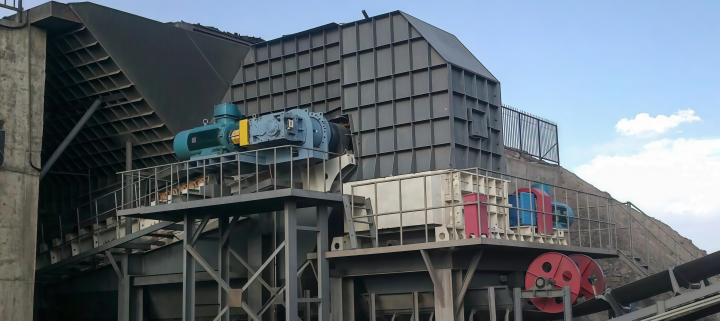
Why does the Coal Crusher Price vary so much among suppliers?
Even for similar‑looking machines, the price can differ considerably. Established brands often charge more, but they offer good reliability and support. Custom modifications add to the cost, and market conditions or raw material prices can cause fluctuations.
Some suppliers include installation and training in their quoted price, while others list them separately. Comparing detailed quotations helps you see the true cost.
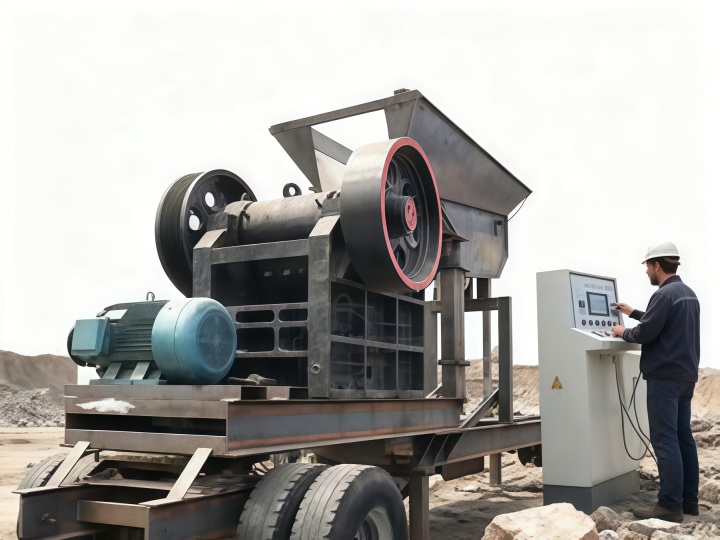
How maintenance and operating costs affect the Coal Crusher Price
The initial price is only part of the total expense. Wear parts like hammers and liners need regular replacement. Energy consumption varies by machine model. Designs with easy access to wear parts reduce downtime and labour costs. A higher purchase price often means more refined engineering and lower operating costs over time. Always ask about maintenance intervals and typical energy usage per ton of coal.
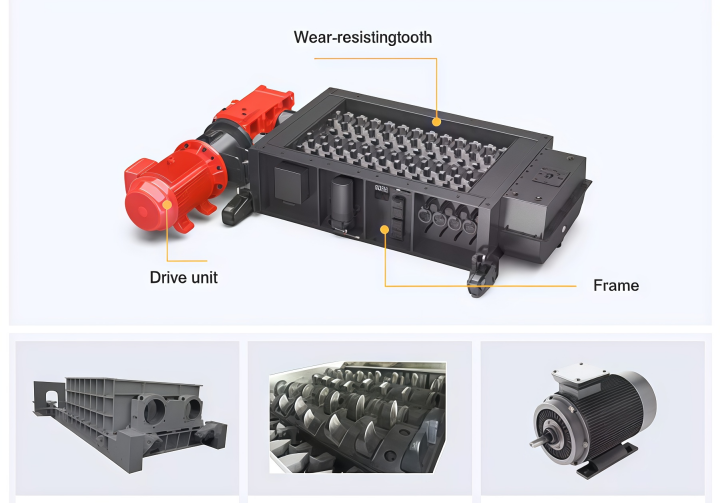
Practical tips for getting the right Coal Crusher Price
Getting a reasonable deal is about more than just the lowest number. Start by defining your needs clearly—throughput, output size, and coal hardness all matter. Then request itemised quotes from several suppliers and look beyond the purchase price to total ownership costs, including energy and spare parts.
A slightly higher price can save you money in the long run if the machine is well built. Watch out for hidden exclusions like missing motors or control panels, and check warranty coverage and parts availability in your region.
Frequently asked questions
How much does a typical coal crusher price?
The price ranges from about fifteen thousand dollars for small models to over one hundred fifty thousand for large systems.
Which type is more affordable?
Among the main types, hammer crushers and small roll crushers usually have a lower cost.
Does the price include installation?
Not always—some include it, others charge extra. Always ask for a breakdown.
Is used equipment worth the lower price?
It depends on your budget and risk tolerance. Used equipment saves upfront money but may cost more later.
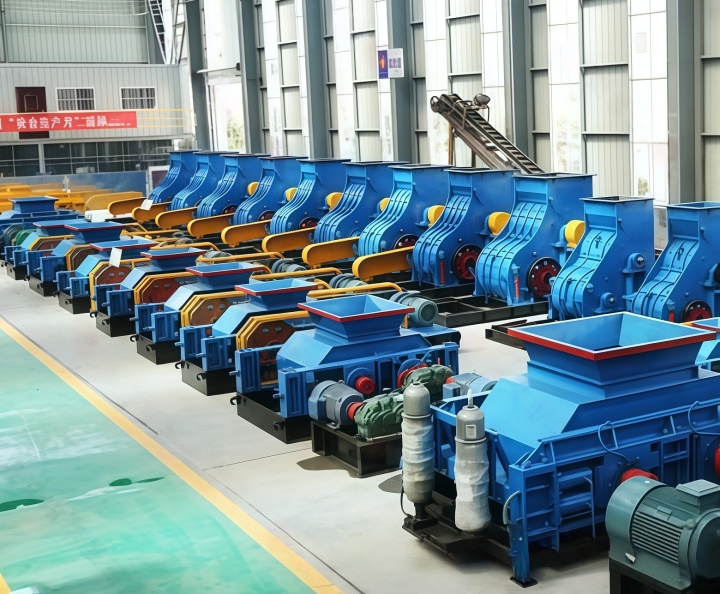
Coal crushers are widely used to turn raw coal into a usable form. The Coal Crusher Price is shaped by type, capacity, materials, technology, and supplier support. New or used, large or small—each choice has trade‑offs. A practical approach is to understand your operational needs, compare total costs, and prioritise reliability over the lowest sticker price. Taking time to research and ask the right questions will lead to a sound purchase decision.
We can provide you with comprehensive reference information on this topic, covering the cost structure of different models, strategies for choosing between new and used equipment, and long‑term operating cost considerations. Whatever your scale of operation, we can help you clarify your requirements, compare quotations from multiple suppliers, and find a solution that matches both your budget and your working conditions. If you have specific questions, feel free to reach out to us—we will give you objective and practical advice.