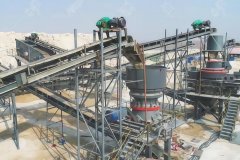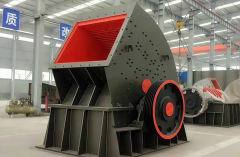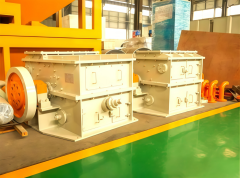
Mobile Crusher Plant
Mobile Crusher Plant Core Definition and Composition
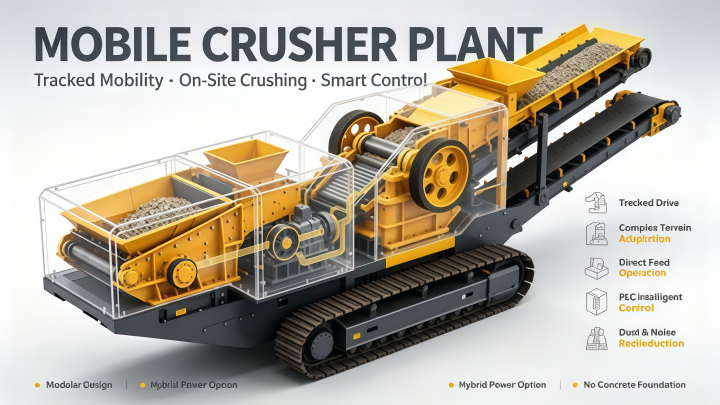
A Mobile Crusher Plant is a self-propelled tracked unit integrating feeding, crushing, screening, and conveying. It moves independently on mine sites and construction sites without towing, and can be operational within 30 minutes of arrival, with no concrete foundation required.
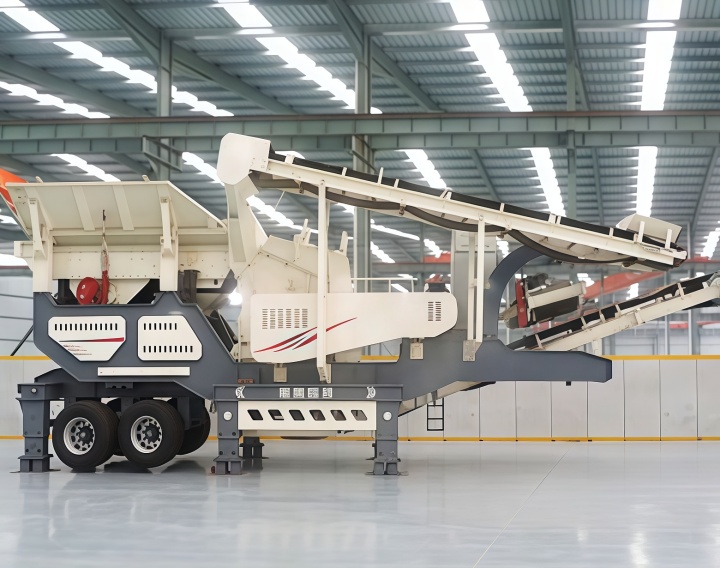
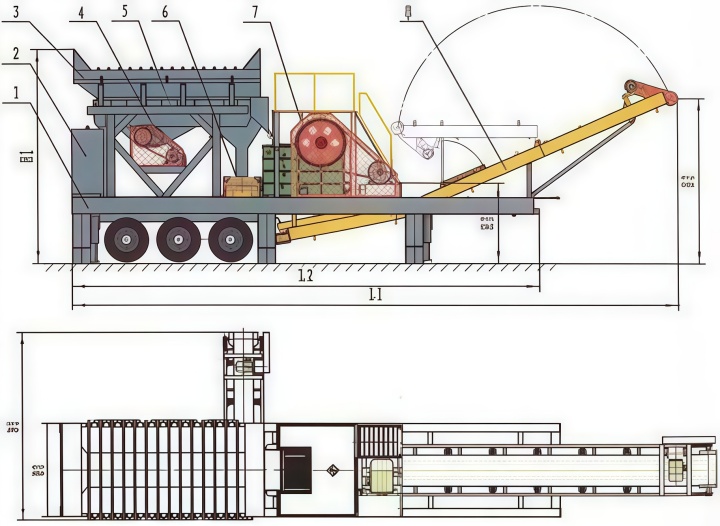
The plant consists of a vibrating feeder, crusher, vibrating screen, conveyor system, and intelligent control system. Material is fed uniformly into the crusher, then conveyed to the screen for classification. Finished products are stockpiled, while oversized material returns to the crusher via recirculation for further processing, forming a closed-loop circuit. The tracked undercarriage of the Mobile Crusher Plant enables operation on slopes and muddy ground, distinguishing it from wheeled units.
How Does a Mobile Crusher Plant Perform in Actual Operations?
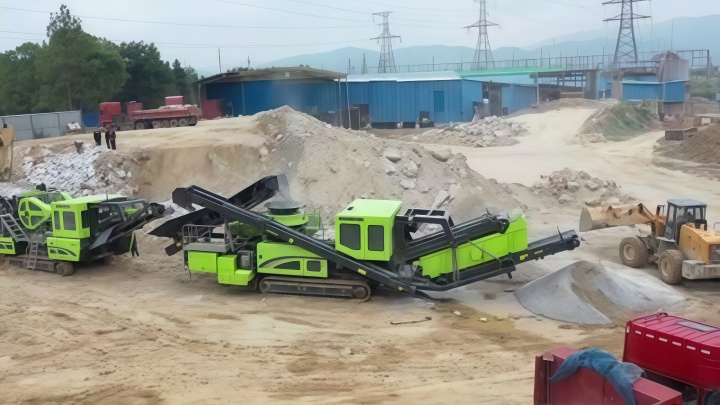
At a large limestone quarry, a unit with a 200 t/h capacity operated continuously for 8 months. Positioned near the extraction face, a wheel loader fed blasted limestone directly into the feeder, with finished aggregates stockpiled on site. By eliminating the need for a 1.2 km fixed conveyor belt, the Mobile Crusher Plant cut transportation costs by 40%, based on actual quarry data. The plant's tracked undercarriage traveled over 600 km on gravel roads with no system failures.
Six Core Advantages of the Mobile Crusher Plant
The plant features a tracked drive for complex terrain. The Mobile Crusher Plant operates at the material source, eliminating haulage and reducing transport costs. It needs no concrete foundation or steel structure, avoiding civil work. The plant includes a PLC system for switching operating modes. The Mobile Crusher Plant comes with dust suppression and noise reduction, with some models offering diesel-electric hybrid power. The plant uses a modular design, allowing the same unit to handle different materials by exchanging the crusher module.
Key Technical Specifications of the Mobile Crusher Plant
| Specification | Jaw Crusher Type | Impact Crusher Type | Cone Crusher Type |
| Processing Capacity | 110 to 350 t/h | 160 to 240 t/h | 160 to 400 t/h |
| Max Feed Size | 550 mm | 500 mm | 650 mm |
| Total Weight | Approx. 34 t | Approx. 58 t | Approx. 71 t |
| Installed Power | 109.5 kW | 132 to 160 kW | 106 kW |
| Travel Engine Power | 74.5 kW | 83 kW | 125 kW |
Different models of the Mobile Crusher Plant offer capacities from 30 t/h to over 750 t/h. Selection depends on material characteristics, target output, and site conditions.
How to Choose the Right Mobile Crusher Plant for Your Project?
Selection involves material hardness, target output, and relocation frequency.
Hardness determines crusher type. For hard rock like granite and basalt, the Mobile Crusher Plant should use a jaw plus cone crusher combination, as the cone crusher offers lower wear costs. For medium-hard rock like limestone and dolomite, the plant can use a jaw plus impact crusher combination.
Output determines size. Projects under 100 t/h can opt for a compact Mobile Crusher Plant, 100 to 300 t/h for a standard unit, and above 300 t/h for a large-capacity unit.
Relocation frequency determines travel configuration. Frequent moves call for a tracked Mobile Crusher Plant, while long-distance, low-frequency relocations may suit a wheeled unit.
| Selection Factor | Recommended Choice |
| Hard Rock | Jaw + Cone Crusher Type |
| Medium-Hard Rock | Jaw + Impact Crusher Type |
| Under 100 t/h | Compact Type |
| 100 to 300 t/h | Standard Type |
| Frequent Relocation | Tracked Type |
What Materials and Working Conditions Is the Mobile Crusher Plant Suitable For?
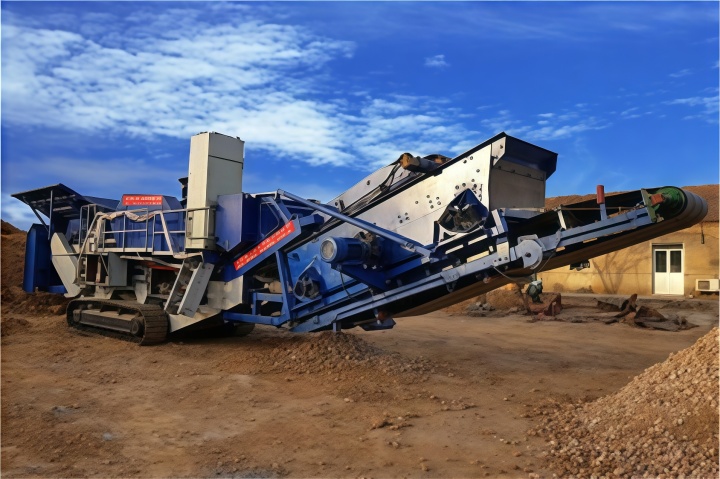
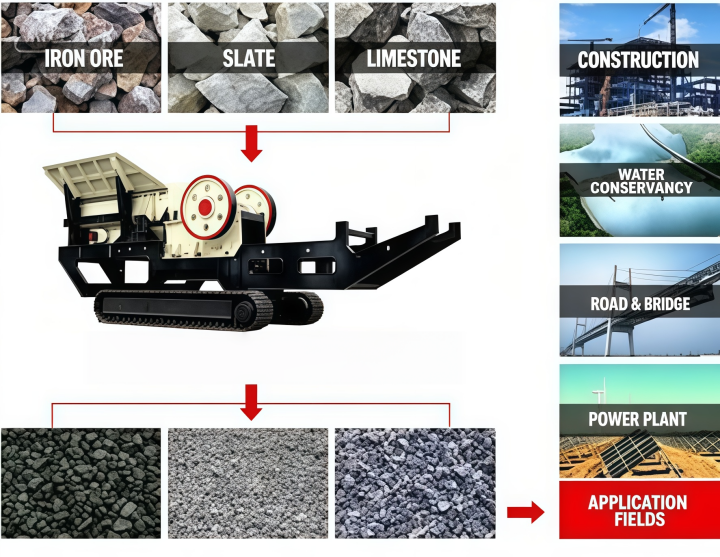
By material type, the plant serves four areas: hard rock, medium-hard rock, construction waste, and mining. For hard rock like granite, basalt, and diabase, the Mobile Crusher Plant uses a jaw plus cone configuration. For medium-hard rock like limestone and dolomite, the Mobile Crusher Plant uses a jaw plus impact configuration. For construction waste like concrete and bricks, the plant can process materials at demolition sites. For mining materials like gold, copper, and lithium ore, the Mobile Crusher Plant can relocate as the mining face advances.
By output scale: 50 to 100 t/h projects suit a single-unit jaw crusher type Mobile Crusher Plant for compactness and easy relocation. 100 to 300 t/h projects suit an impact or cone crusher type Mobile Crusher Plant, depending on hardness. 300 to 500 t/h projects require a large cone crusher type Mobile Crusher Plant with large hoppers and strong travel systems for continuous operation.
Frequently Asked Questions About the Mobile Crusher Plant
Why is my Mobile Crusher Plant not reaching its rated capacity?
This usually occurs when feed size exceeds the design range or feed is uneven. High moisture content can also reduce the Mobile Crusher Plant's throughput.
How can I stop my Mobile Crusher Plant from clogging?
Install a grizzly bar on the vibrating feeder to separate fines and soil beforehand, preventing wet, sticky material from entering the Mobile Crusher Plant's crushing chamber.
How much fuel does a Mobile Crusher Plant use per hour?
A medium-sized Mobile Crusher Plant consumes about 77 liters of diesel per hour under standard conditions, based on field tests. Diesel-electric hybrid models can reduce fuel use.
How often do blow bars and jaw plates on a Mobile Crusher Plant need replacing?
This depends on material abrasiveness. For highly abrasive materials like granite, inspect blow bars every 24 to 48 hours. Under softer conditions, they can last much longer.
Mobile Crusher Plant vs. stationary plant: which is more cost-effective?
For projects under 300 t/h with a lifespan under 3 years, the Mobile Crusher Plant is usually more cost-effective. Stationary plants remain better for large mines with over 10 years of stable production.
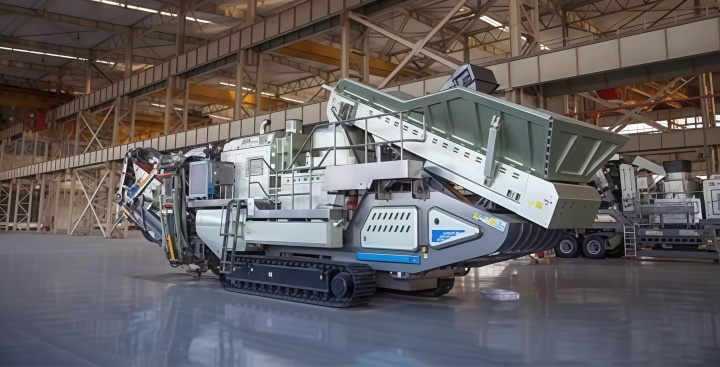
With its tracked drive, rapid deployment, and flexible configuration, the Mobile Crusher Plant provides an on-site crushing solution for mining, aggregate production, and waste recycling. For short-term projects or ongoing operations, the plant reduces costs and improves efficiency.