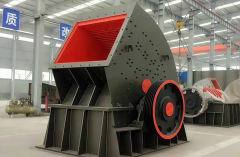
Heavy Duty Crusher Machine
What is Heavy Duty Crusher Machine?
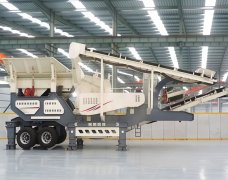
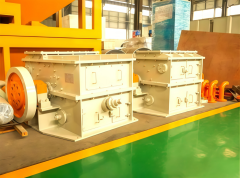
Heavy Duty Crusher Machine is a single-stage impact crushing device that can break large materials up to 1200mm in diameter down to below 40mm. The processing capacity ranges from 50 tons per hour to 3000 tons per hour. The international crushing equipment market was valued at approximately 6.06 billion USD in 2024, and it has been deployed in mining and infrastructure projects across Australia, Ethiopia, Russia, and other regions.
Compared to the traditional two-stage setup of jaw crusher plus impact crusher, it compresses the crushing process into a single stage, reducing floor space by about one-third.
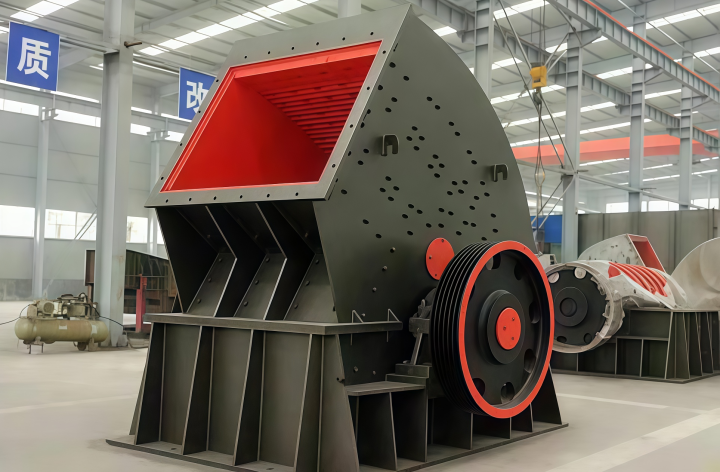
How Heavy Duty Crusher Machine Works?
The core of Heavy Duty Crusher Machine is the rotor assembly, which operates at speeds between 350 and 650 revolutions per minute. Material enters the crushing chamber and strikes the hammers at speeds of 50 to 70 meters per second for primary crushing, then impacts the impact liner for secondary crushing. Particles smaller than the grate gap are discharged, while larger particles continue to be impacted and ground until they reach the required size.
The discharge size is controlled by adjusting the gap between the grate and the rotor, with an adjustment range of 20 to 40mm. For every five percent increase in rotor speed, the number of impacts increases by about twelve percent. However, when the speed exceeds one hundred and ten percent of the rated value, bearing temperatures rise noticeably.
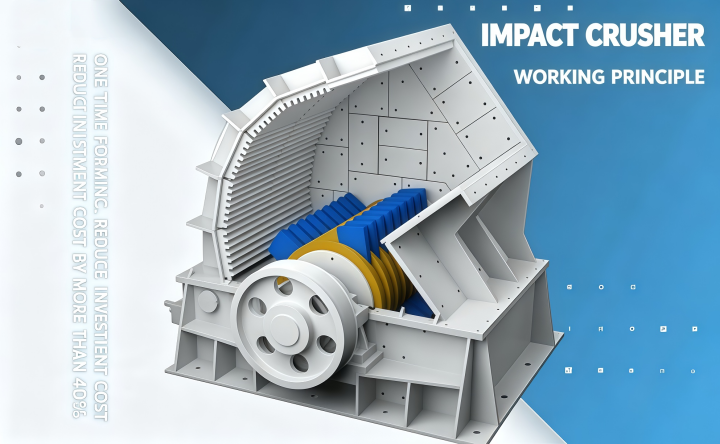
Heavy Duty Crusher Machine Technical Specifications
| Model | Rotor Diameter × Length mm | Feed Size mm | Capacity t/h | Motor Power kW | Dimensions mm |
| PCZ0706 | 700×570 | ≤400 | 50-70 | 75 | 1950×1340×1480 |
| PCZ0808 | 800×750 | ≤500 | 80-100 | 132 | 2280×1790×1670 |
| PCZ0910 | 900×1000 | ≤600 | 150-200 | 110×2 | 2600×2200×2050 |
| PCZ1012 | 1000×1180 | ≤650 | 250-300 | 132×2 | 2800×2400×2300 |
| PCZ1213 | 1200×1280 | ≤750 | 300-350 | 160×2 | 2970×2625×2580 |
| PCZ1216 | 1270×1490 | ≤750 | 400-500 | 200×2 | 3070×2840×2580 |
| PCZ1308 | 1310×790 | ≤500 | 100-160 | 132 | 2818×2100×2390 |
| PCZ1512 | 1500×1160 | ≤750 | 250-400 | 160×2 | 3220×2520×2800 |
| PCZ1615 | 1650×1452 | ≤1000 | 420-500 | 220×2 | 3665×2915×3440 |
| PCZ1620 | 1660×1900 | ≤1200 | 800-1000 | 400×2 | 3500×3100×3200 |
| PCZ1820 | 1800×1964 | ≤800 | 800-1500 | 800 | 3474×3822×3520 |
| PCZ2125 | 2100×2486 | ≤1200 | 2000-3000 | 1250 | 5057×4565×4666 |
Advantages of Heavy Duty Crusher Machine
The core value of this equipment is demonstrated in the following three aspects:
Eliminating one crushing stage and reducing equipment investment.
A 5000-ton-per-day cement production line in Guangxi uses PCZ1620 to process blasted limestone, where materials over 1000mm account for twenty percent of the feed. The equipment processes these large materials directly, eliminating the need for a feeder and a jaw crusher. Investment in the primary crushing section dropped from 2.6 million to 1.55 million yuan, and the overall line operation rate increased by six percentage points.
Speed adjustment covers capacity fluctuations.
A quarry in Henan uses PCZ1216 for aggregate production. During peak season, rotor speed is increased by five percent, raising hourly output from 420 to 470 tons. During off-season, speed is reduced to save electricity, with monthly power costs adjusting between 38,000 and 52,000 yuan.
Particle shape control meets high-standard requirements.
The flaky particle content in the discharge can be controlled within eight percent, meeting the aggregate specifications for highway asphalt pavement.
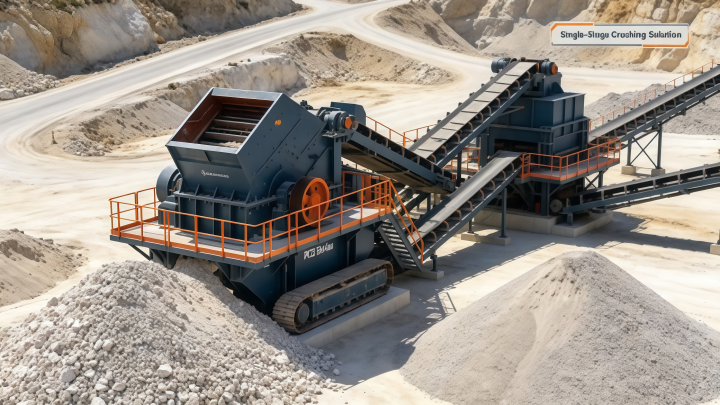
Materials Suitable for Heavy Duty Crusher Machine
The equipment primarily processes the following three types of materials:
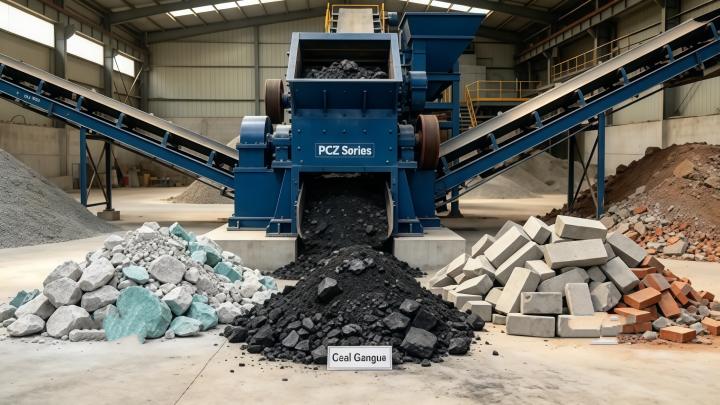
Limestone and bluestone.Caraban Limestone in Australia uses this equipment to process limestone, with the PCZ2125 model achieving up to 3000 tons per hour.
Coal and coal gangue.A coal washing plant in Shanxi processes associated gangue with moisture content between eight and twelve percent. The product has not experienced any blockage-related shutdowns in two years.
Construction and demolition waste.A waste recycling company in Wuhan processes concrete blocks and waste bricks with a steel content of about two percent. The chamber design allows small amounts of steel to pass through without damaging core components, and the recycled aggregate is used for road base materials.
This equipment is suitable for materials with compressive strength not exceeding 200MPa and is not recommended for highly abrasive materials such as granite or basalt.
How to Select the Right Heavy Duty Crusher Machine Model?
Selection should focus on material size, screening capacity, and lifting conditions. The following three factors are key considerations:
Maximum material size. When using PCZ1615 to process 1000mm limestone, the impact load on the rotor is approximately thirty-five percent higher than when processing 800mm material. Exceeding the design limit will shorten bearing life. If the material size frequently exceeds 1000mm, PCZ1620 or PCZ2125 should be chosen.
Downstream screening equipment capacity. An 800-ton-per-hour equipment requires at least a 2.4m by 8m double-deck vibrating screen. Insufficient screening area increases circulating load and reduces efficiency by fifteen to twenty percent.
Overhead crane lifting capacity.The hammer assembly weighs 1.2 tons per piece, and rotor disassembly requires an overhead crane with at least 5 tons of lifting capacity. Abrasiveness index testing is recommended before selection. In one case processing limestone with quartz veins, hammer life was shortened by approximately forty percent, and advance testing could have prevented this issue.
Maintenance Tips for Heavy Duty Crusher Machine
After hammer wear, the proportion of particles larger than 40mm in the discharge increases. When wear reaches twenty-five percent of the original weight, hammers should be turned or replaced, a task requiring three workers about two hours. Bearing operating temperature ranges from 55 to 75 degrees Celsius, with alarm triggered above 85 degrees. Temperature trends matter more than alarm values. If bearing temperature rises from 62 to 78 degrees over 72 hours, lubrication should be inspected even if the alarm has not triggered. Lubricating grease should be added every 200 operating hours, and bearing caps should be opened for roller inspection every 1000 hours.
Frequently Asked Questions About Heavy Duty Crusher Machine
How long does it take to replace hammers on Heavy Duty Crusher Machine?
A skilled maintenance team takes about two to three hours to complete the entire process.
What are the foundation requirements for Heavy Duty Crusher Machine?
The equipment requires a concrete vibration-damping foundation with anchor bolt grouting. Foundation weight should ideally reach three times the equipment's self-weight.
How can I tell if hammers on Heavy Duty Crusher Machine need replacing?
After each shift, use a flashlight to check material accumulation below the grate. If accumulation increases noticeably, hammer impact force is insufficient, and turning or replacement should be considered.
What should I pay attention to during the first trial run of Heavy Duty Crusher Machine?
Run empty for two hours to check temperature rise at all parts, then gradually feed material starting from thirty percent of rated capacity, increasing by ten percent per hour until full load, while monitoring bearing temperatures and vibration values throughout the process.
With the feed size properly matched, this equipment can replace traditional two-stage crushing solutions, a fact validated in projects across Australia, Russia, Ethiopia, and other countries. During selection, confirm maximum material size, screening capacity, and crane lifting capacity. For daily maintenance, monitor bearing temperature trends and hammer wear uniformity. The product can operate stably for over six years before a major rotor overhaul is required.