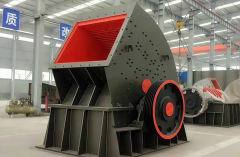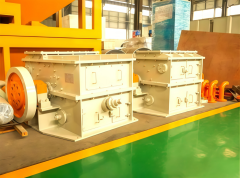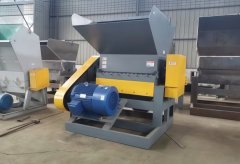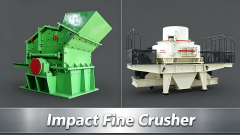
Impact Fine Crusher
What is a Impact Fine Crusher?
In medium-hard material fine crushing, low efficiency, unstable discharge size, and high energy costs are common challenges. Impact Fine Crusher consists of four main components: a high-speed rotor, high-chromium alloy blow bars, curved impact liners, and bottom grate bars. Rotor linear speed reaches 55 to 65 meters per second, discharge size is controlled below 5 millimeters, with 96% passing through a 5mm screen and 85% below 3 millimeters.
Processing capacity ranges from 20 to 180 tons per hour, power consumption is approximately 1.2 to 1.8 kWh per ton, and operating vibration does not exceed 0.15 millimeters. It handles materials with compressive strength up to 320MPa, recommended moisture below 10%, and processes over 120 types of rocks and minerals.
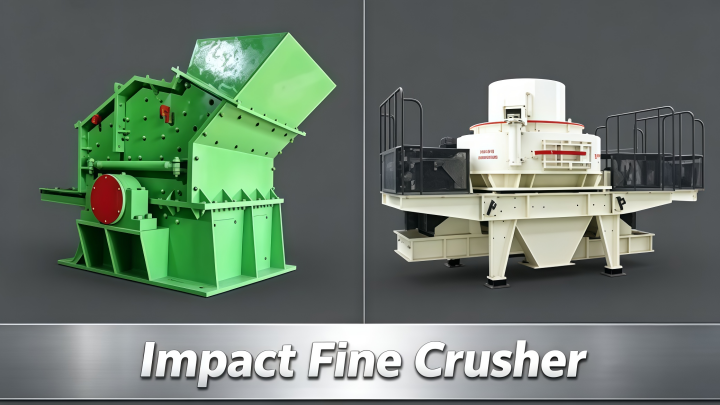
What are the core components of Impact Fine Crusher?
The equipment consists of five main components. The rotor assembly includes the main shaft, hammer disc, pins, and blow bars, dynamically balanced to operate at 750 to 1000 RPM.
Blow bars are made of high-chromium alloy and can be reversed after wear. The impact device consists of liners and racks, with serrated liner surfaces providing additional shearing action. The grate screen is installed at the bottom of the crushing chamber, made of high-manganese steel, with gaps determining the maximum product size. The frame is welded from Q235B steel plates, with the upper housing equipped with a hydraulic opening mechanism for easy wear part replacement.
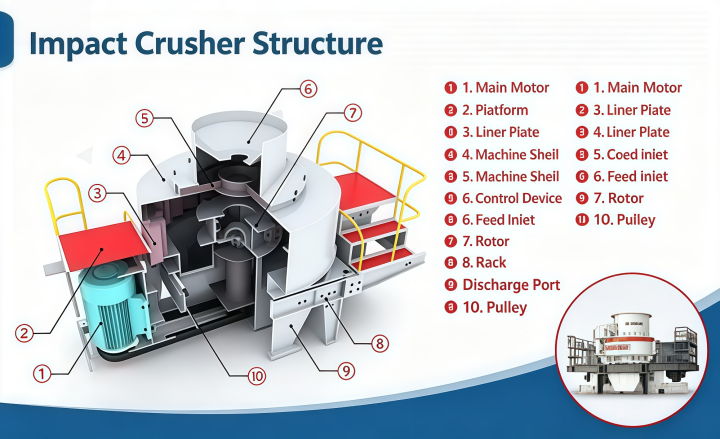
What happens to materials inside Impact Fine Crusher during operation?
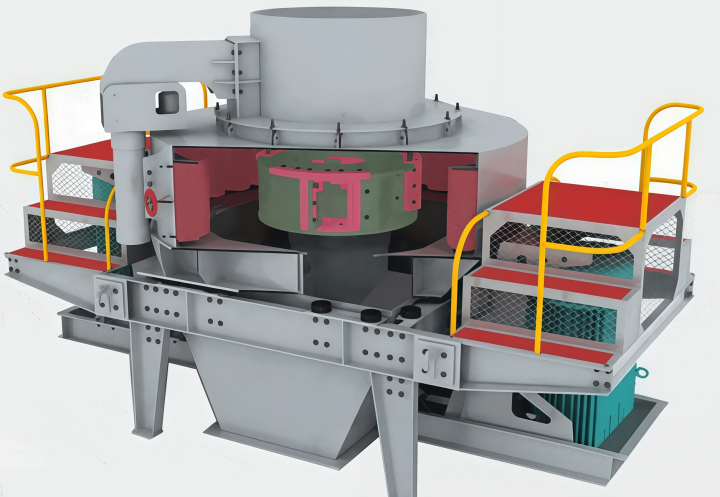
The motor drives the rotor at high speed. Material enters the crushing chamber and strikes the blow bar zone, receiving the first impact. After gaining kinetic energy, it is thrown toward the impact liner, rebounds back to the blow bar zone, and receives another impact. This cycle repeats at least three times.
The equipment uses a hydraulic device to control the gap between the impact rack and rotor at 15 to 20 millimeters. Material smaller than the grate gap discharges from the bottom, while oversized material stays in the chamber for further crushing until it can pass through. This "impact first, screen after" method gives a crushing ratio of 15 to 20, higher than conventional fine crushers.
What advantages does Impact Fine Crusher offer over other equipment?
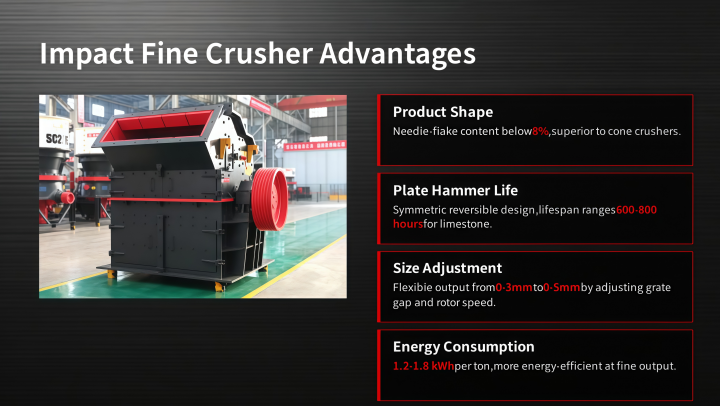
The equipment shows advantages in four areas: product shape, blow bar life, size adjustment, and energy consumption.
For product shape, Impact Fine Crusher produces manufactured sand with needle-flake content below 8%, better than cone crusher output.
For blow bar life, the bars can be reversed and reused, reaching 600 to 800 hours when crushing limestone.
For size adjustment, by changing grate gaps and rotor speed, products from 0-3mm to 0-5mm can be produced flexibly.
For energy consumption, the equipment uses approximately 1.2 to 1.8 kWh per ton, with better efficiency at the same fineness.
Choose the right Impact Fine Crusher model by technical parameters
| Model | Max Feed mm | Discharge mm | Capacity t/h | Power kW | Weight t |
|---|---|---|---|---|---|
| PCX800×400 | ≤60 | ≤5 96% | 20-25 | 37 | 2.5 |
| PCX800×600 | ≤60 | ≤5 94% | 35-50 | 45 | 4.7 |
| PCX800×800 | ≤70 | ≤5 92% | 40-60 | 75 | 6.5 |
| PCX1000×1000 | ≤80 | ≤5 91% | 60-90 | 90 | 8.8 |
| PCX1000×1200 | ≤90 | ≤5 88% | 75-110 | 110 | 13.6 |
| PCX1300×1200 | ≤100 | ≤5 86% | 120-145 | 160 | 19.5 |
| PCX1300×1400 | ≤120 | ≤5 85% | 145-180 | 180 | 26 |
The equipment selection should be based on material characteristics, target output, and discharge requirements.
What should be noted when Impact Fine Crusher processes different materials
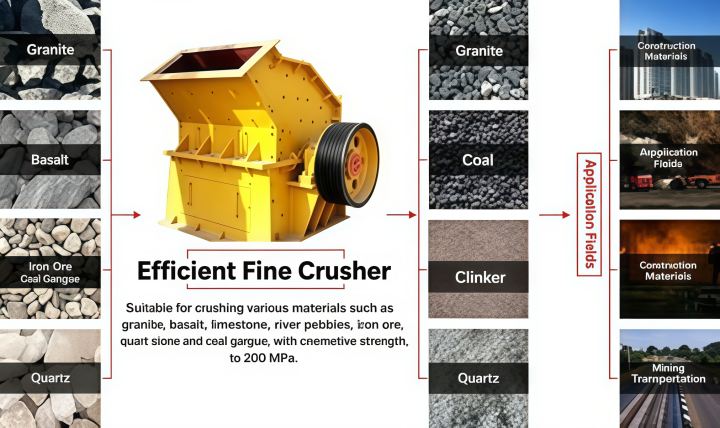
The equipment processes over 120 types of rocks and minerals, with different operating parameters for each. For limestone sand making, set the grate gap to 12-15 millimeters to meet cement plant grinding requirements. For hard aggregates like river pebbles and granite, capacity should be calculated at 70% to 80% of table values, with spare blow bars prepared. For iron ore and copper ore, perform reversal inspection after 400 hours to avoid rotor imbalance. For dolomite and phosphate rock, if moisture exceeds 10%, consider adding a drying process or a self-cleaning device.
What site conditions should be evaluated when selecting Impact Fine Crusher?
Use a sieve analyzer to determine feed grading. If material exceeding the model's maximum feed size accounts for more than 5%, consider pre-screening or a larger model. Reserve a 15% margin factor during selection. For requirements where material below 3mm exceeds 85%, set the grate gap to 10-12 millimeters and increase rotor speed above 60 meters per second. For materials with Mohs hardness above 6, estimate capacity at 70% of table values.
Three working conditions need special attention. Materials with moisture above 12% tend to clog grate gaps, potentially reducing capacity by 30% to 50%. For high-silica materials with quartz above 70%, blow bar life is approximately 40% to 50% of that for limestone. When tramp materials like iron or steel slag exceed 1%, they cause damage to blow bars and grates, so install magnetic separators and metal detectors at the feed inlet.
Field data: Blow bar life and capacity of Impact Fine Crusher in limestone and river pebble
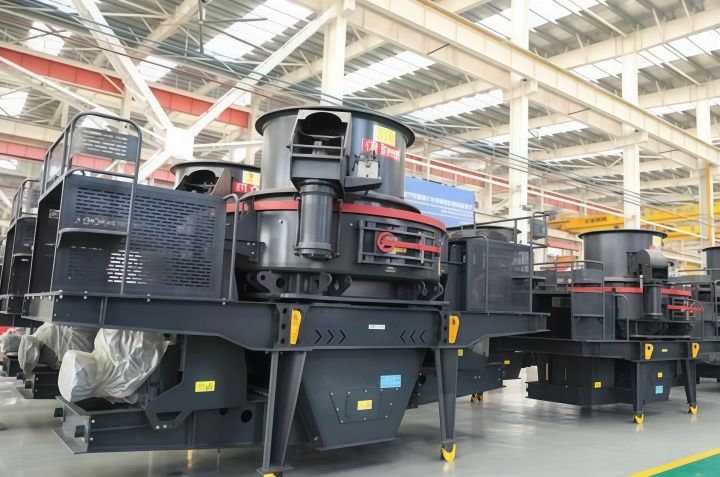
A limestone mine in Henan uses a PCX1000×1000 model of the equipment, processing 600 tons daily with 6% to 8% moisture. The blow bars reached reversal threshold after 680 hours. After reversal, cumulative use reached 1320 hours before replacement, with blow bar cost of approximately 0.12 USD per ton. The hammer crusher previously used had hammer life of 400 to 500 hours, and Impact Fine Crusher extends the replacement cycle by about double, saving roughly 11,000 USD annually in wear parts.
River pebble has a Mohs hardness of 7. A sand plant in Sichuan uses a PCX1300×1200 Impact Fine Crusher for river pebbles below 80 millimeters. Stable capacity is 95 to 105 tons per hour, about 75% of that for limestone, with products below 5mm accounting for 84% to 87%. Effective blow bar working time is 380 hours, roughly half of that for limestone. The plant performs blow bar reversal after 400 hours and adjusts the grate gap from 18mm to 14mm to balance capacity and product fineness.
Frequently asked questions about Impact Fine Crusher
How to troubleshoot bearing temperature rise in Impact Fine Crusher?
Usually caused by improper lubricant quantity or degraded oil. Add lithium grease per the manual and replace oil every 500 hours.
What causes abnormal vibration during Impact Fine Crusher operation?
Tramp materials or uneven blow bar wear may cause vibration. Install a magnetic separator and regularly inspect blow bar wear.
How to solve a sudden increase in Impact Fine Crusher discharge size?
Broken grate bars or the gap exceeding 20 millimeters may be the cause. Shut down to inspect grate integrity and readjust the gap to approximately 15 millimeters.
How to handle a decrease in Impact Fine Crusher capacity?
Reduced blow bar efficiency or clogged grate gaps may affect capacity. Reverse the blow bars and clean adhered materials from the grate.
How to choose between Impact Fine Crusher and impact crusher for fine crushing?
For discharge below 5mm, crushing ratio and particle shape are better with Impact Fine Crusher. For medium crushing above 10mm only, impact crushers are more economical.