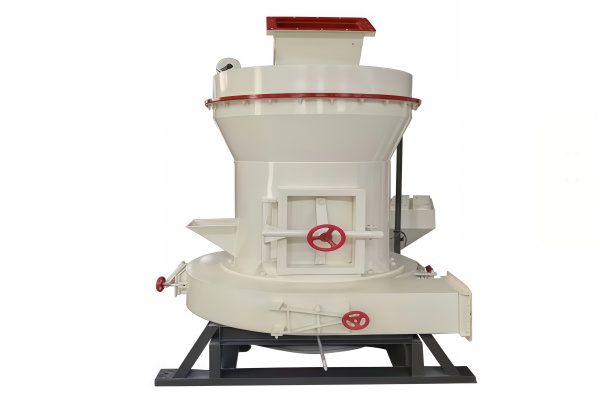
Kaolin clay roll mill for porcelain slip
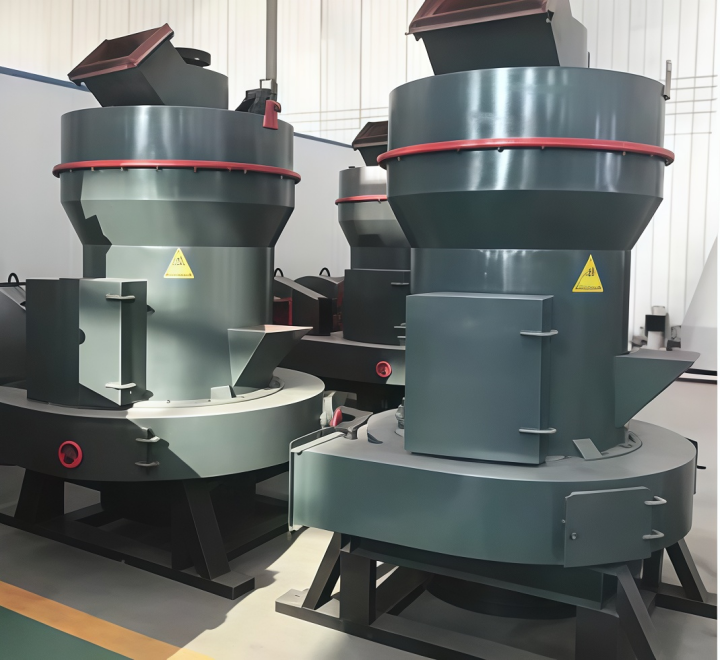
Kaolin clay roll mill for porcelain slip are used for fine grinding of kaolin clay, producing uniform fine powder for porcelain slip preparation, widely used in ceramic and porcelain production industries. Prices typically range from $8,000 to $120,000. Feed opening size: ≤120mm Production capacity: 1-35 tons/hour Discharge fineness adjustment range: 80-325 mesh Roller speed: ≤320 rpm Motor power: 7.5-160kW
What Efficiency and Quality Challenges Does This Roll Mill Address?
A Kaolin clay roll mill for porcelain slip must solve two core challenges: fluctuating raw material hardness that destabilizes grinding efficiency, and rising fineness requirements that demand greater equipment adjustability. This kaolin clay roll mill uses multi-layer ring roller grinding combined with air classification to process raw kaolin to an adjustable fineness of 80 to 800 mesh, directly matching the feed standards for ceramic slip casting or dry pressing.
Global kaolin deposits are primarily distributed across Brazil, the United States, the United Kingdom, Germany, India, Australia, and Turkey. This equipment adapts to the physical property variations of ores from different origins by adjusting roller gap pressure and classifier speed. The equipment meets the technical requirements of Chinese building materials industry standard JC/T 2713-2022.
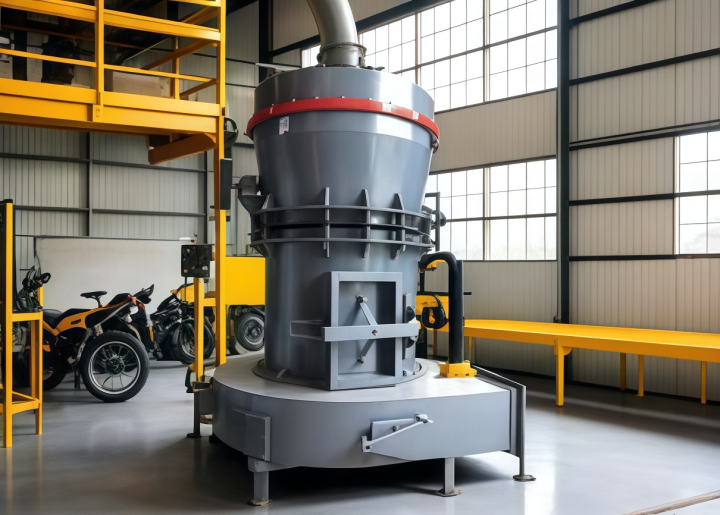
Kaolin clay roll mill for porcelain slip Video Showcase
How the Grinding Process Achieves Coarse and Fine Separation
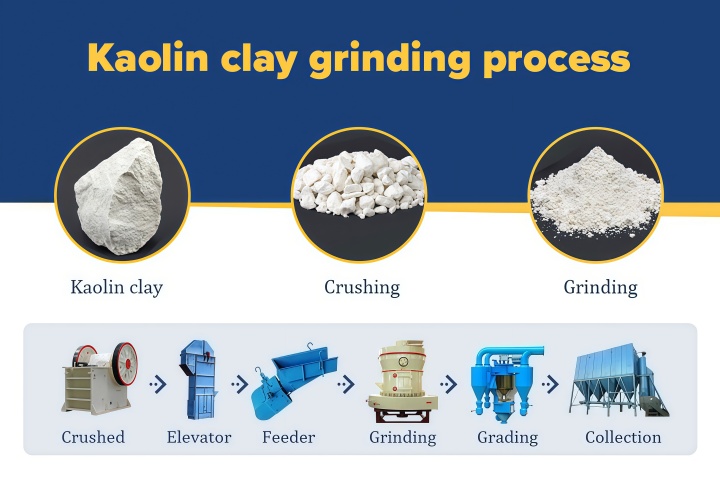
The main motor drives the spindle and rotor disc to rotate, and the roller pins on the rotor disc edge drive the grinding rollers to revolve along the grinding ring raceway. Material is crushed and then evenly fed into the grinding chamber by the feeder. Under centrifugal force, the material is scattered toward the grinding ring inner wall and crushed into powder by the roller compression.
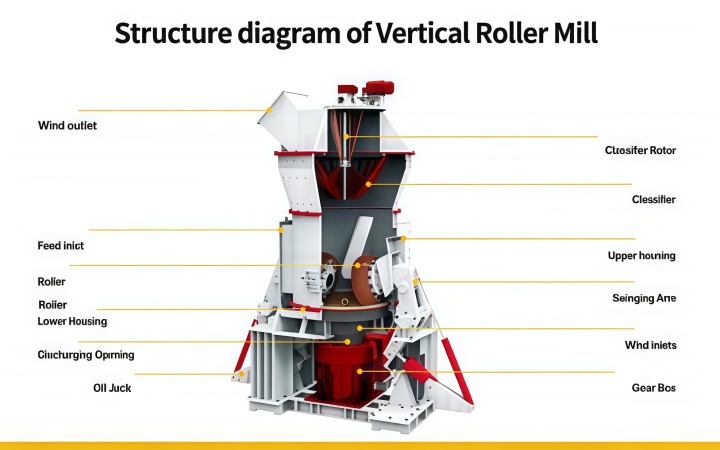
Fine powder rises with the airflow into the classifier, where qualified particles pass through the classifier wheel and are collected, while coarse particles are thrown back to the grinding zone for reprocessing. Fine powder is extracted instantly and coarse powder returns automatically, eliminating the need for shutdown screening or manual material return.
Technical Specifications: KCP-1000 / KCP-1300 / KCP-1600
Kaolin clay roll mill for porcelain slip is available in three models—KCP-1000, KCP-1300, and KCP-1600—suitable for small-to-medium scale production, medium-capacity configurations, and large-scale continuous production respectively.
| Parameter | KCP-1000 | KCP-1300 | KCP-1600 |
| Max Feed Size | ≤25 mm | ≤30 mm | ≤30 mm |
| Product Fineness Range | 0.022-0.18 mm | 0.038-0.18 mm | 0.038-0.18 mm |
| Corresponding Mesh Range | 80-800 mesh | 80-400 mesh | 80-400 mesh |
| Standard Capacity | 1.0-6.5 t/h | 2.0-12.0 t/h | 3.0-15.0 t/h |
| Number of Rollers | 3 | 4 | 4 |
| Grinding Ring Inner Diameter | Φ1000 mm | Φ1300 mm | Φ1500 mm |
| Total Installed Power | 85-101 kW | 165-180 kW | 242 kW |
Power Consumption and Fineness Control
The power consumption performance and fineness control capability of this equipment are supported by clear data. The power consumption per ton is about 10 kWh lower than that of a traditional ball mill. Screen analysis shows that 98% of the particles can be controlled within 75 to 80 microns.
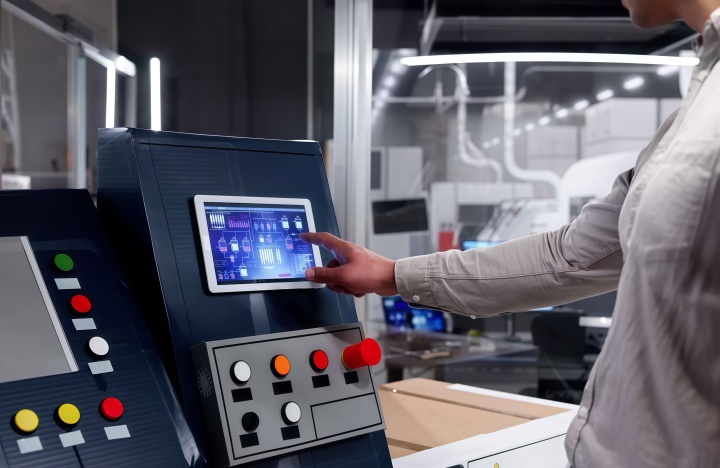
Fineness adjustment does not require shutdown or parts replacement—operators adjust the classifier speed on the control panel to vary the fineness between 80 and 800 mesh, with the switch from coarse to fine grinding taking about five minutes. Roller sleeve replacement is completed within four hours. Vibration is controlled below 4.5 mm per second, and the pulse bag filter keeps dust emission concentration below 20 milligrams per cubic meter.
Roll Mill vs Ball Mill for Kaolin Processing
| Comparison | KCP Roll Mill | Traditional Ball Mill |
|---|---|---|
| Energy Consumption | ~10 kWh/ton lower | Baseline |
| Fineness Adjustment | No shutdown required, 5 min via classifier speed | Requires shutdown for media/screen change |
| Particle Size Control | 98% within 75-80 μm | Broader distribution |
| Iron Contamination | Lower (roller compression grinding) | Higher (steel ball wear) |
| Footprint | Compact, vertical structure | Larger, horizontal layout |
| Roller/Liner Replacement | Roller sleeve in 4 hours | Liner every ~500 hours |
For ceramic slip preparation requiring consistent fineness and low iron contamination, the KCP roll mill offers measurable advantages in energy cost and particle size consistency. Ball mills remain suitable for smaller batch operations where capital cost is the primary constraint.
Real-World Operating Data: Brazil and Thailand
This equipment has accumulated verifiable operating data in two typical scenarios, Brazil and Thailand.
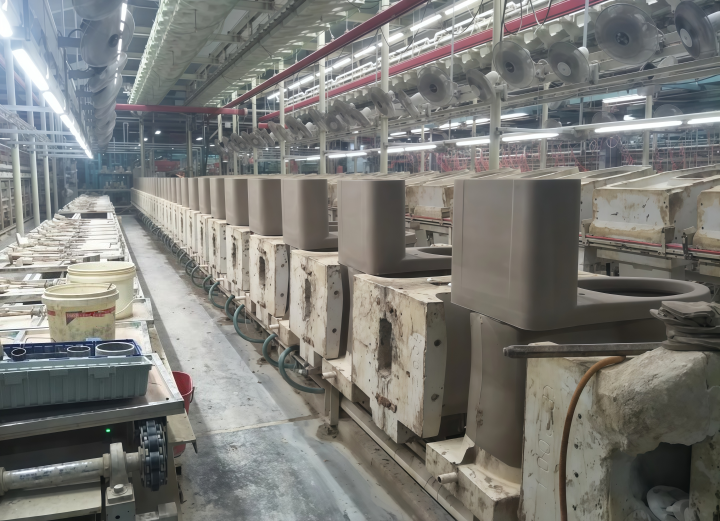
A kaolin producer in Santa Catarina, Brazil, has operated the replaced equipment continuously for fourteen months, working twenty hours per day. Power consumption per ton dropped from 32 kWh to 22 kWh, and 98% of finished particle size was controlled within 75 to 80 microns.
The roller sleeve was replaced for the first time in the eleventh month of operation, a significant reduction in frequency compared to the ball mill liner replacement every five hundred hours.
A sanitary ware factory in Lamphun, Thailand, uses this equipment to process kaolin, with output fineness stable above 1250 mesh. The reject rate in slip casting dropped from twelve percent to four percent, and improved slurry fluidity reduced casting time by approximately fifteen seconds per mold, with two production lines producing about one hundred twenty additional qualified green bodies per day.
Installation Steps and Timeline
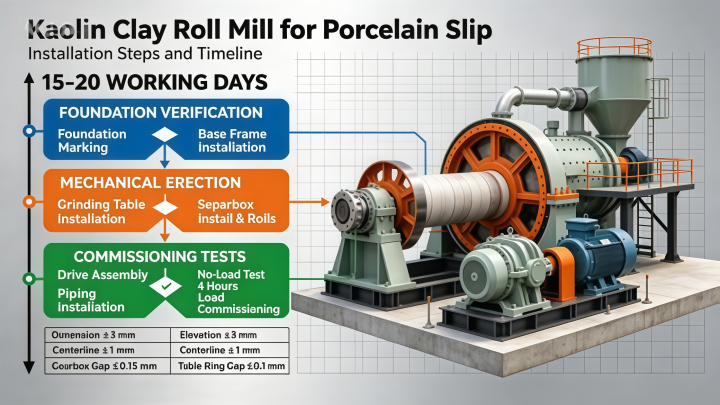
This equipment requires three phases from delivery to production: foundation inspection, mechanical positioning, and no-load and load testing.
Foundation dimensional deviation must not exceed plus or minus three millimeters, elevation deviation plus or minus three millimeters, and centerline deviation plus or minus one millimeter. The installation sequence includes foundation layout marking, frame mounting, reducer mounting, grinding disc and roller mounting, classifier mounting, drive and piping installation. Reducer base joint clearance must not exceed 0.15 millimeters, and grinding disc circumferential clearance must not exceed 0.1 millimeters. After single-machine testing, the complete unit undergoes four hours of no-load operation to monitor bearing temperature and vibration values, followed by load testing with material feed. The complete process requires fifteen to twenty working days.
Daily Maintenance Checklist
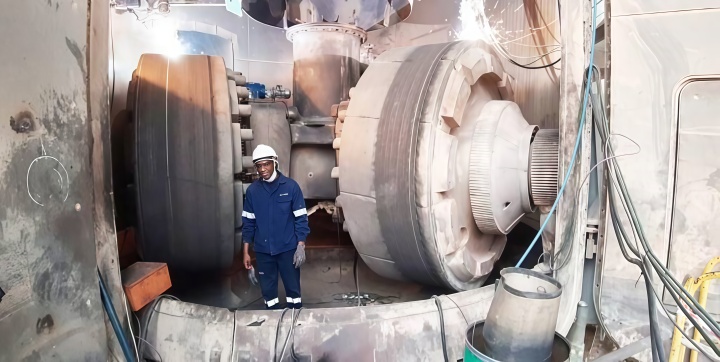
Daily maintenance of Kaolin clay roll mill for porcelain slip focuses on four operational points. Roller bearings require regular lubricant replenishment per the manual, with old grease drained and replaced every three months. Classifier blades and roller sleeves are inspected monthly for wear, and replacement is scheduled when clearance exceeds specified limits, with roller sleeve replacement completed within four hours.
Filter bag differential pressure is recorded weekly, and pulse blowback or bag replacement is performed when the upper limit is exceeded. The feeding system is checked each shift for uniform screw feeder discharge, with speed adjustment or arch cleaning when irregular feed or surging occurs.
How to Choose the Right KCP Model
Select the main unit model based on ceramic product forming method and daily output requirements.
Slip casting for daily-use ceramics requires slurry fineness below 0.038 millimeters, corresponding to the high-speed classifier configuration of the KCP-1300 or KCP-1600 model. Dry pressing for building ceramics has relatively looser fineness requirements but larger demand—choose the KCP-1600 for daily output above one hundred tons, and the KCP-1300 for output below fifty tons. For factories with annual kaolin processing below five thousand tons, the KCP-1000 offers more economical initial investment and operating costs.
Frequently Asked Questions
Can this roll mill process kaolin with high moisture content?
The maximum moisture limit for feed material is fifteen percent. Above this level, adhesion and air duct blockage occur in the grinding chamber, requiring pre-drying to below fifteen percent.
How long does roller sleeve replacement take?
Total downtime from cooling to restart is approximately four hours, including disassembly of old sleeves, installation of new sleeves, and roller gap adjustment. Models equipped with maintenance cylinders can shorten this to three hours.
Why does production decrease when processing feldspar instead of kaolin?
Feldspar has a Mohs hardness close to 7, harder and more brittle than kaolin. Feed rate should be reduced by approximately twenty percent compared to processing kaolin, while checking whether the roller-ring clearance exceeds the specified limit.
Can dust emissions meet EU and international standards?
The pulse bag filter can control emission concentration below 20 milligrams per cubic meter, which is lower than industrial emission limits in the European Union and the vast majority of countries and regions.
What is the price range of a kaolin clay roll mill for porcelain slip?
Pricing depends on the model (KCP-1000/1300/1600), production capacity, and configuration. The KCP series typically offers approximately 10 kWh/ton lower energy costs than ball mills, reducing total cost of ownership. Contact us with your capacity and fineness requirements for a customized quote.
What is the total cost of ownership compared to a ball mill?
Beyond the lower purchase price for equivalent capacity, the KCP roll mill saves approximately 10 kWh per ton in energy consumption. Roller sleeve replacement is completed in 4 hours compared to ball mill liner replacement every ~500 hours, reducing downtime costs. Over a 3-year operating period, these savings typically offset a significant portion of the initial investment.