Kaolin Clay Roll Mill vs Ball Mill for Porcelain Slip
Wednesday September-16 2026 10:48:15
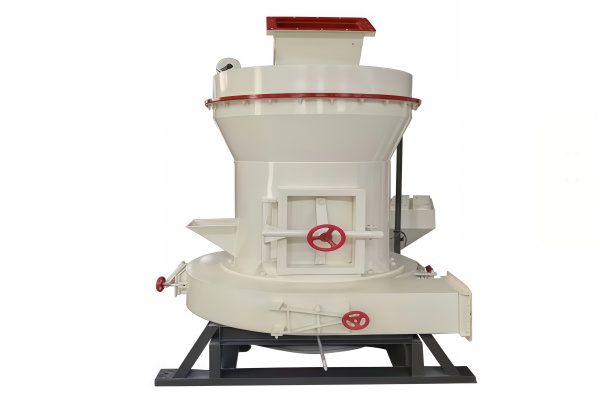
Kaolin clay roll mill for porcelain slip is not a standalone equipment issue. Kaolin provides the alumina framework and suspension stability, while the grinding method affects particle shape, particle size distribution, and slurry stability.
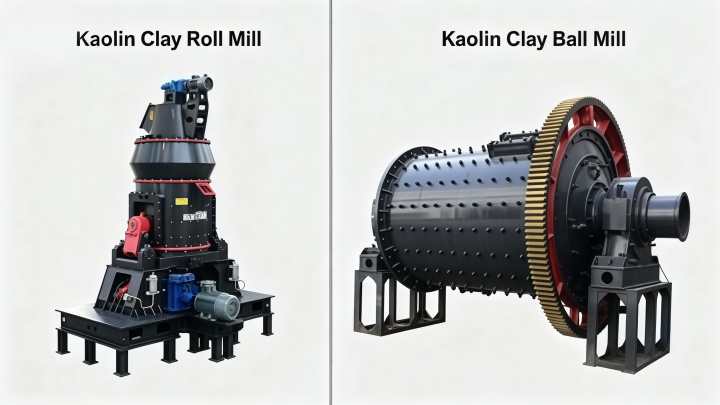
Around Kaolin Clay Roll Mill vs Ball Mill for Porcelain Slip, the following sections discuss energy use, fineness, whiteness, maintenance, operating parameters, and selection from six practical angles. Equipment parameters refer to the JC/T 2713-2022 standard framework, and operating data come from public engineering case records.
Energy Use Gap: Where Kaolin Clay Roll Mill Saves
A kaolin producer in Brazil replaced a ball mill system with a vertical roll mill. Power use per ton dropped by about three tenths, and nearly all product fell within 75 to 80 microns. Kaolin Mohs hardness is 2 to 2.5. Ball mills rely on media falling and impacting, which loses much energy.
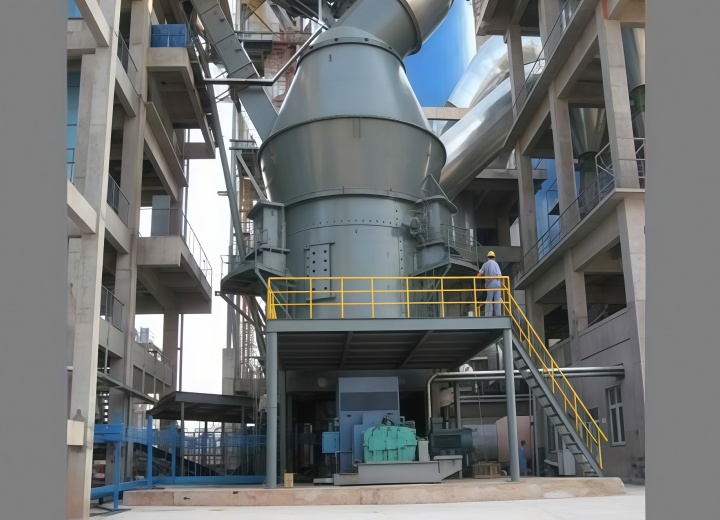
Roll mills use material bed grinding, and the squeeze and shear between roll and ring use energy from soft minerals effectively. For a Ф2200×9000mm ball mill, installed power is 630 kW, throughput is 13 to 15 tons per hour, and roll mill power use per ton at the same fineness is about 10 kWh lower. For a 50 ton per day porcelain slip line, the electricity difference over a year can cover a notable part of maintenance spending.
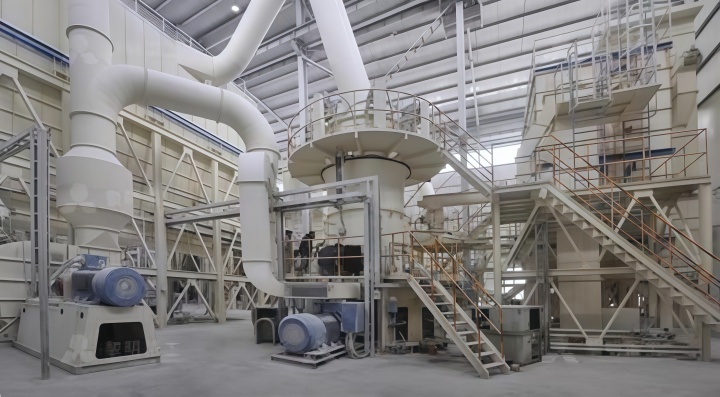
Fineness Control: The Shortfall of Ball Mill for Porcelain Slip
Kaolin Mohs hardness is about 3, quartz 7, feldspar 6. The hardness gap causes uneven energy distribution during mixed grinding. Studies show that a mixed material containing soft components has a higher actual Bond work index than the weighted average of its components, and mixed grinding uses more energy per unit than separate grinding followed by blending.
When a ball mill grinds kaolin together with hard feldspar, soft kaolin is overground before feldspar reaches target fineness. Its plate structure breaks down, surface area rises, and slurry viscosity increases. A roll mill adjusts fineness through the classifier, grinds kaolin separately, and blends later, so soft components avoid repeated compression. Sieve residue is measured by QB/T 2435-2012, usually on a 45 micron or 63 micron sieve.
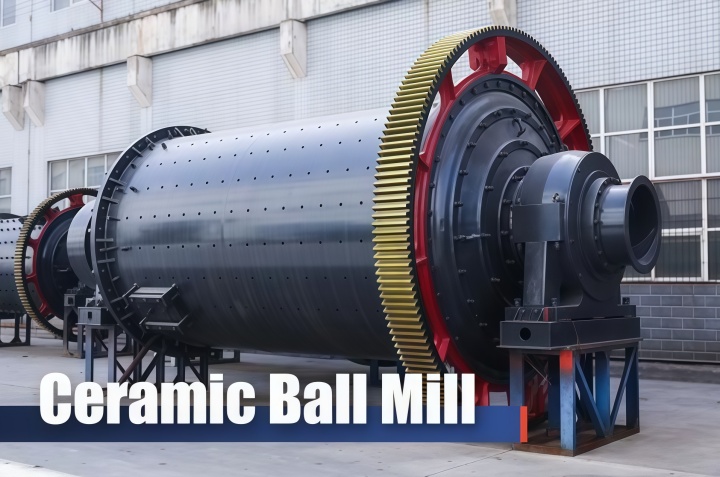
Whiteness and Iron Contamination: The Hidden Expense of Kaolin Clay Roll Mill vs Ball Mill for Porcelain Slip
In the Brazil case, wear part replacement interval extended from 500 hours to 1200 hours, and downtime events fell by over half. Iron introduced by ball mill media and liners forms coloring iron oxide after firing, a main cause of whiteness loss.
A roll mill reduces direct metal-to-metal impact. Ceramic roll sleeves isolate iron contact. Initial roll sleeve replacement occurred in the eleventh month, while ball mill liners need inspection every 500 hours. For high whiteness lines, lower iron contamination carries higher value than electricity savings alone.
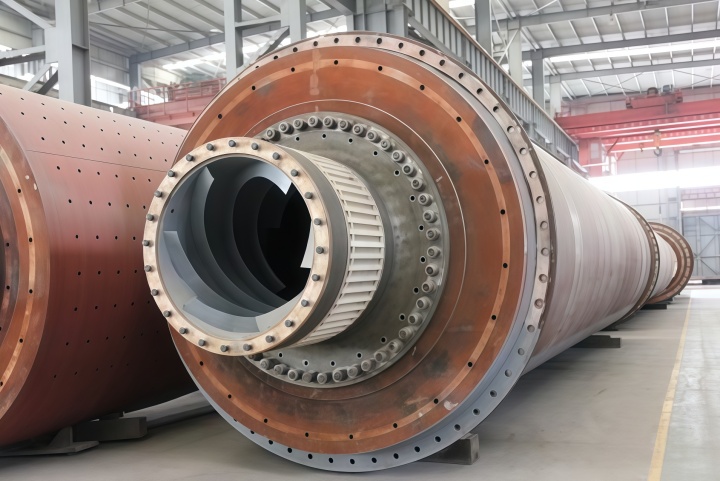
Maintenance Complexity: The Downtime Ledger of Kaolin Clay Roll Mill vs Ball Mill
Ball mill liner replacement requires 8 to 12 hours of downtime, including mill interior cleaning, liner lifting, and fastening. Roll mill vibration can be held below 4.5 millimeters per second, and roll sleeve replacement is completed within 4 hours.
Roll mill feed size upper limit is 25 to 30 millimeters, so pre-crushing is needed. Kaolin with moisture above about an eighth tends to block the roll mill, so pre-drying or hot air system support is needed.
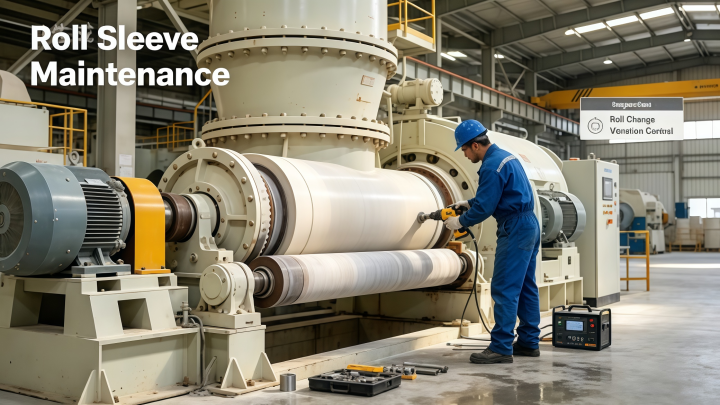
A Pressure and Fineness Adjustment Record from a Production Line
During a kaolin roll mill trial at a porcelain factory in Jingdezhen, raw ore had high moisture and stickiness. At an initial roll pressure of 5.5 MPa, material compacted and blocked the air channel.

After lowering pressure to 4.2 MPa, the material bed became loose and air-swept discharge was smooth. The 45 micron sieve residue stabilized at about a hundredth, and casting rate rose noticeably. For Jingdezhen ore ground to 800 mesh, roll pressure is normally kept in the 4 to 6 MPa range. When moisture is high, it is lowered to 3.5 to 4.5 MPa. Continuous operation above 7 MPa is not advised. The key finding is that pressure cannot be set alone. It must match classifier speed and fan air volume.
| Roll pressure | 45 μm residue | Material bed state |
| 5.5 MPa | Air channel blocked | Material compacted |
| 4.2 MPa | About a hundredth | Loose and air-permeable |
Operating Parameter Calibration: Key Thresholds for Commissioning
Slurry pH is suggested to stay above 9.5. Below this value, kaolin particle edges become positively charged and face-edge flocculation can occur, making slurry thicken quickly in storage. Inorganic phosphate deflocculants resist bacterial degradation better than organic dispersants.
Ball mill media filling rate is usually kept at about half of mill volume. When soft kaolin and hard feldspar are mixed, kaolin can be overground. This is a common blind spot when fineness fluctuates and repeated checks find no clear source.
Selection Logic: No Single Answer for Kaolin Clay Roll Mill vs Ball Mill for Porcelain Slip
When daily output is below 15 tons and raw material batch variation is less than about five parts in a hundred, a ball mill still has advantages in initial investment and process maturity.
When daily output is above 30 tons, kaolin fineness must be adjusted often, and whiteness must stay stable, a roll mill’s operating expense advantage grows with output. Equipment pressure and classifier parameters need custom matching to local kaolin mineral composition and moisture.
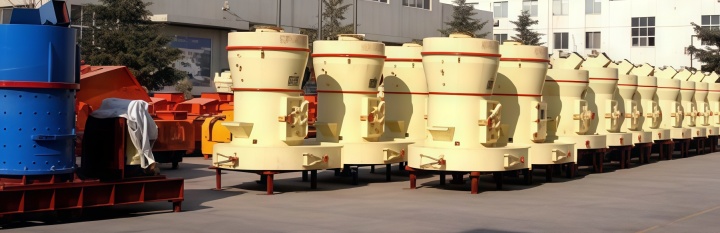
Quick Comparison: Core Operating Metrics
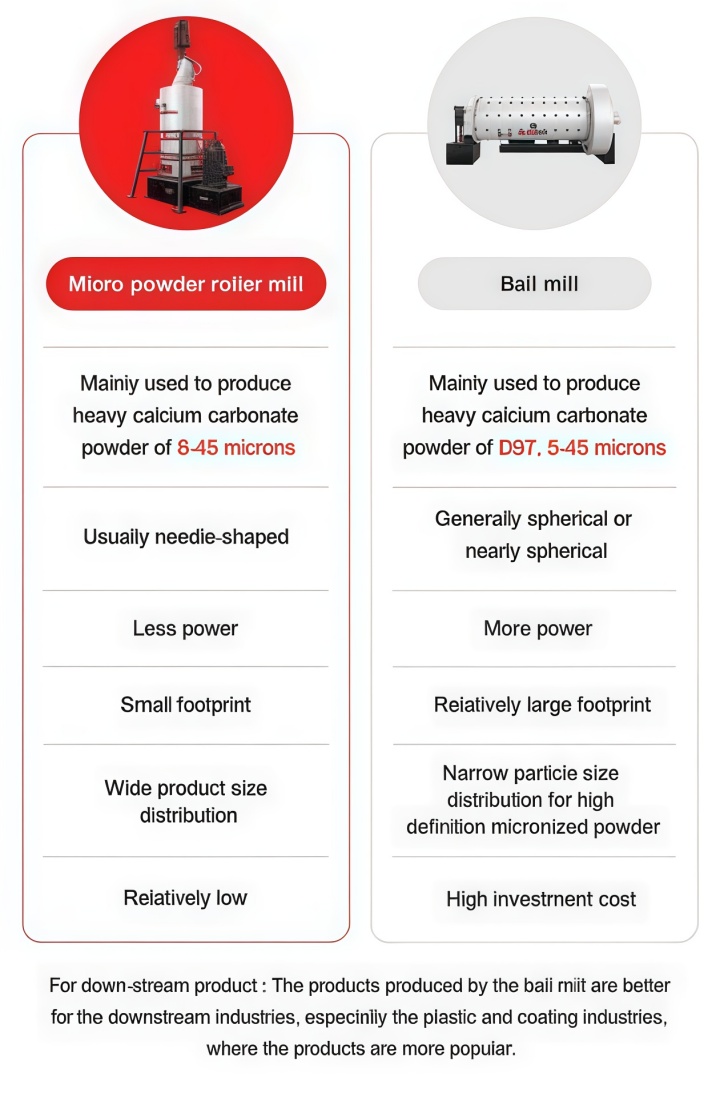
| Metric | Kaolin Clay Roll Mill | Ball Mill for Porcelain Slip |
| Power use per ton | About 10 kWh lower than ball mill | Baseline, 630 kW |
| Fineness adjustment | 80-800 mesh, variable frequency | Shutdown for part change |
| Iron contamination | Ceramic roll sleeve isolation | Steel ball and liner wear |
| Wear part replacement | 500 to 1200 hours | Inspection every 500 hours |
| Feed size upper limit | ≤25-30 mm | ≤25 mm |
| Payback period | About 18-24 months | Baseline |
Conclusion
Back to Kaolin Clay Roll Mill vs Ball Mill for Porcelain Slip, from Brazil retrofit data to Jingdezhen trial records, equipment choice depends on raw material grindability, slurry casting rate, and porcelain body whiteness tolerance.
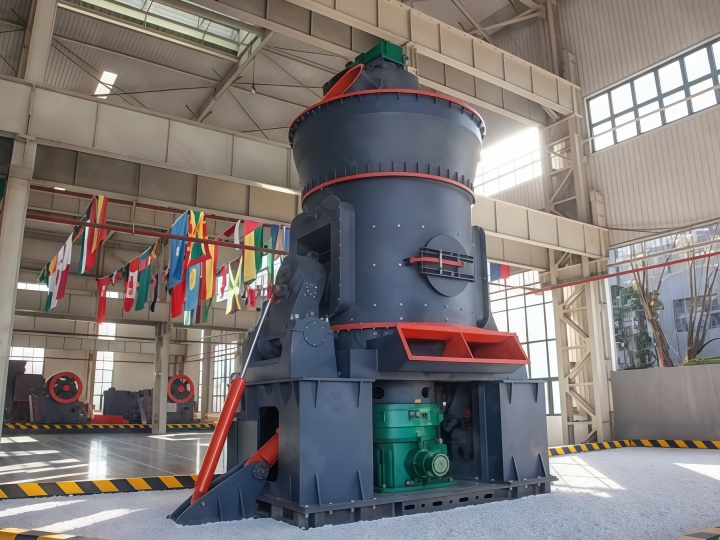
If you are planning a slip line or upgrading a ball mill process, start with a small-scale grinding test on your kaolin, then check each item in the table above. For fineness adjustment options of KCP series roll mills in kaolin slip preparation, see the technical parameters on the product page.
FAQ
Kaolin Clay Roll Mill vs Ball Mill for Porcelain Slip: What are the MOQ and lead time for a roll mill solution?
Single unit throughput is 1.0 to 15.0 tons per hour, and typical minimum order quantity is 1.
Standard configuration lead time is about 30 to 40 days. Rush orders can be coordinated to 20 days.
Kaolin Clay Roll Mill vs Ball Mill for Porcelain Slip: What is the quotation basis and payback period for a full line switch?
Quotation is usually based on FOB China main port, including installation and commissioning guidance. Keeping the ball mill as a transition allows non-stop switching, with a period of about two to three weeks.
For a line above 50 tons per day, the payback period is usually 18 to 24 months. Sample available for testing. Small-scale trial plans can be customized to raw material metrics.
Kaolin Clay Roll Mill vs Ball Mill for Porcelain Slip: Why does porcelain slurry harden and settle during storage?
It is often caused by bacterial acidification or electrolyte imbalance, which lowers surface charge and weakens electrostatic repulsion.
Keeping pH above 9.5 and switching to inorganic phosphate deflocculants can extend storage stability.
Kaolin Clay Roll Mill vs Ball Mill for Porcelain Slip: Where should I check when slurry viscosity rises abnormally?
Start by checking ion content in grinding water, then check whether raw material batches deviate from standard.
If both are normal, check whether the deflocculant has failed due to bacterial degradation. Measure zeta potential before adding more.