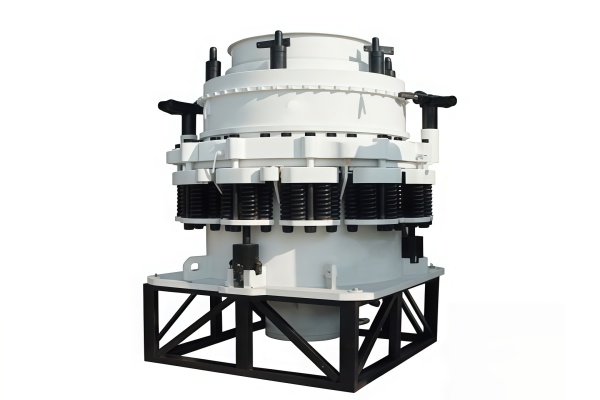
Top 8 Common Problems of Fine Cone Crusher and How to Fix Them
Tuesday September-01 2026 17:48:16
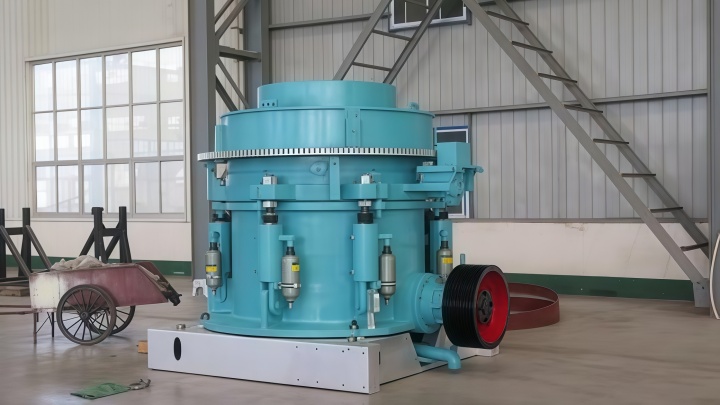
In high-speed crushing operations, the Fine Cone Crusher handles the critical task of final product size control. Once discharge particle size deviates, upstream work becomes wasted. Heavy loads, impact forces, and dusty environments make equipment failures difficult to avoid.
Most failures do not occur suddenly. Seal wear and declining cooler efficiency accumulate until reaching a tipping point. This article ranks the eight most frequent Fine Cone Crusher issues by occurrence frequency, breaking down root causes and practical countermeasures.
Common failures of the Fine Cone Crusher fall into three categories: crushing performance anomalies, mechanical damage, and lubrication failure. The eight problems below cover the full process flow.
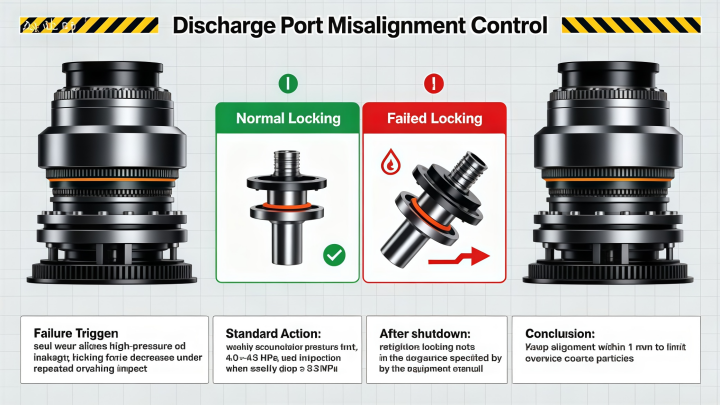
Discharge Opening Deviation and Locking Failure
Discharge deviation is the primary cause of product size loss. Hydraulic locking cylinder seal wear allows high-pressure oil to leak slowly, reducing clamping force and permitting adjustment ring rotation under impact.
Inspect accumulator nitrogen pressure weekly and keep it between 4.0 and 4.5 MPa. If pressure drops exceed 0.3 MPa per week, inspect locking cylinder seals. Retighten locking nuts with a torque wrench in the specified sequence during each shutdown. For every 1 millimeter of discharge deviation, oversized particles increase by approximately eight percent.
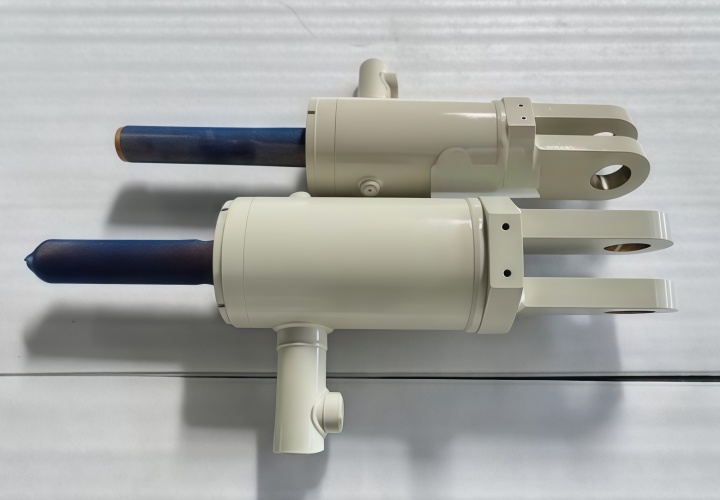
Tramp Iron Release Device Response Lag
Slow release valve response transmits impact forces directly to the main frame and spindle. Sticking pilot valve spools due to oil sludge or blocked return orifices are primary causes.
Clean hydraulic strainers monthly. Conduct simulated tramp iron tests quarterly and record response times. Frame crack repair costs from release failure account for about eighteen percent of machine price, drawn from an Australian mining report.
Rising Lubrication Return Oil Temperature
Return oil exceeding 55°C under no-load indicates excessive heat accumulation. Cooler tube scaling is the leading cause. When cooling water temperature differential drops below 3°C, chemical cleaning or plate replacement is required.
Excessively high lubricant viscosity also increases heat. Select viscosity grade according to ambient temperature. Return oil above 58°C for 48 consecutive hours produces bronze bushing wear equal to three months of normal operation, documented in Swedish mine logs.
Severe Vibration with Foundation Bolt Fracture
Horizontal vibration exceeding 4.5 mm/s subjects the main frame to alternating stresses above design limits. Loose counterweight bolts causing dynamic imbalance and aged springs are principal causes.
Measure spindle concentricity with a dial indicator, then check springs for cracking. Tighten bolts with a hydraulic tensioner in three stages diagonally. For every 1 mm/s increase in horizontal vibration, main bearing life decreases by approximately forty percent.
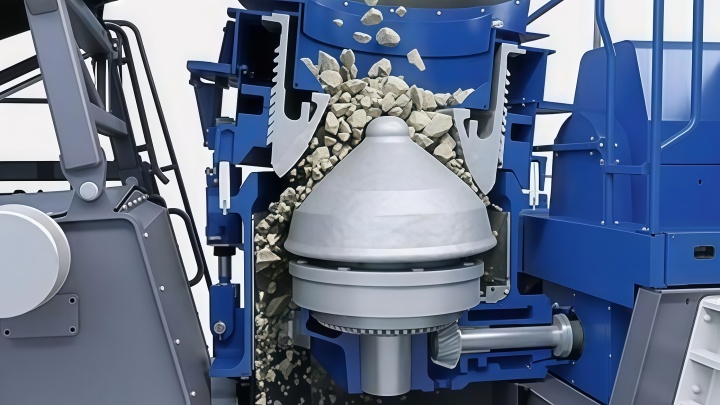
Crushing Chamber Plugging Leading to Stalling
Feed moisture above five percent allows fines to adhere to chamber walls, forming ring mats that block the discharge opening. Current spikes trigger overload protection.
Clear plugged chambers using hydraulic motor reverse function. Manual forcing is prohibited. An online moisture analyzer on the feed belt with alarm thresholds provides effective prevention. A single plugging incident causes about sixty percent production loss for that shift.
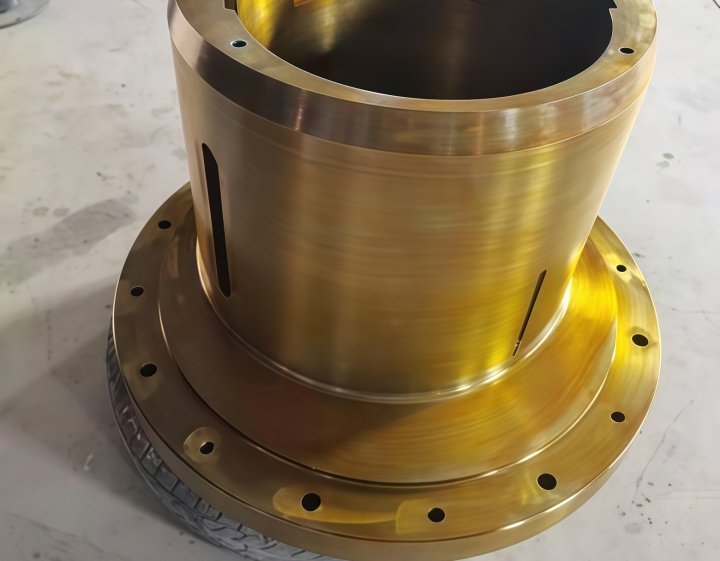
Bronze Bushing Burn-Out Failure
When radial clearance between the eccentric sleeve and frame bushing exceeds 1.5 times the original assembly value, the oil film breaks down, causing metal-to-metal contact and high-temperature welding. Extended over-power operation and frequent cold starts are root causes.
Measure radial clearance every 2,000 operating hours. When growth shows an inflection point, schedule planned replacement. Bushing burn-out typically scores the spindle surface. Total downtime usually exceeds five days.
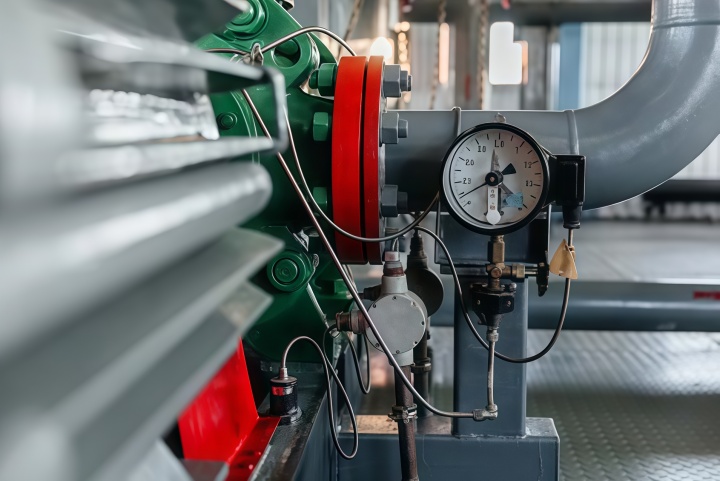
Seal and Dust Suppression System Failure
Supply air pressure below 14 kPa allows dust to enter the lubrication system. Elevated silicon content in lubricating oil indicates dust seal ring wear.
Check air filter differential pressure daily. Replace filter elements promptly when limits are exceeded. Apply sufficient grease in the mounting groove when installing new seal rings. Oil silicon content exceeding 50 ppm multiplies gear and bearing wear rates, advancing overhaul by about one-third.
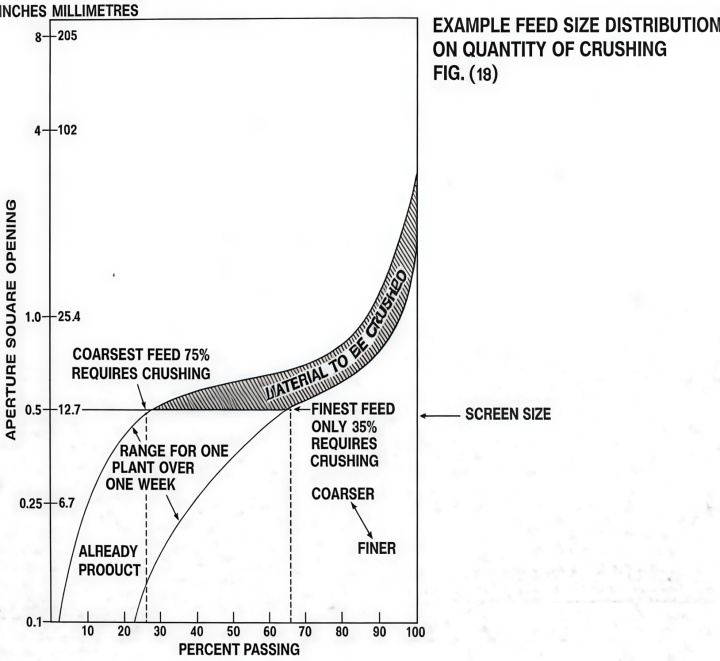
Capacity Below Design Rated Value
Low capacity stems from feed size distribution deviating from interparticle crushing requirements. Excessive fines or oversized lumps prevent efficient force transfer.
Adjust screen apertures so maximum feed size does not exceed 4 times discharge setting and minimum is not below 1.2 times. When 0-5 mm fines exceed eight percent, capacity drops one-quarter while power consumption rises.
Chain Conduction Relationships Among Failures
These eight issues rarely occur alone. Rising oil temperature reduces viscosity, weakening film capacity and accelerating bronze bushing wear. Increased clearance intensifies spindle vibration, accelerating seal wear and dust intrusion. Dust further degrades cooler efficiency. Address upstream factors when handling any single fault.
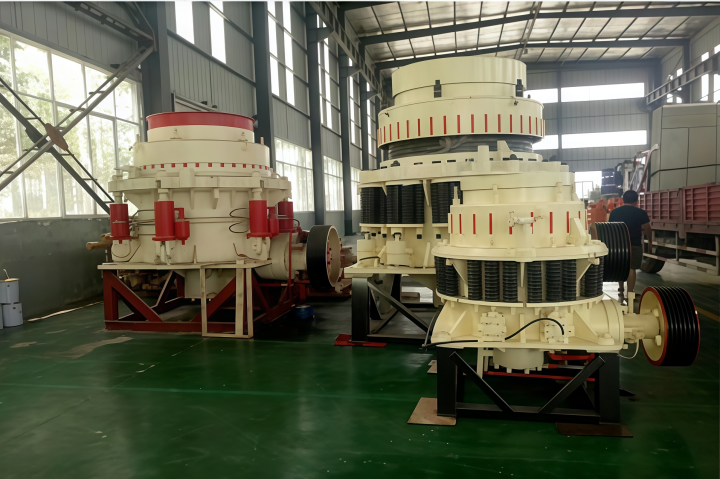
Core Maintenance Parameter Quick Reference Table
The five parameters above cover Fine Cone Crusher mechanical, lubrication, and protection system conditions. Posting this table for shift personnel verification reduces unplanned shutdowns. Strictly implementing these monitoring standards can compress monthly unplanned downtime from 8-12 hours to 3 hours or less, recorded in a Finnish mine after adopting this system.
| Monitoring Parameter | Normal Range | Shutdown Threshold | Inspection Frequency |
| Return Oil Temperature | 45-55°C | ≥60°C | Per shift |
| Horizontal Vibration | ≤3.5 mm/s | ≥4.5 mm/s | Weekly |
| Bronze Bushing Clearance | Original ±0.05 mm | ≥Original ×1.5 | Every 2000 hrs |
| Dust Seal Air Pressure | 14-20 kPa | ≤12 kPa | Daily |
| Accumulator Nitrogen | 4.0-4.5 MPa | ≤3.5 MPa | Weekly |
Supplemental Answers to Common Operational Questions
Beyond the eight major faults above, four operational questions compiled from fault handling records across different ore types follow.
How can I tell if the Fine Cone Crusher is experiencing overspeeding?
Overspeeding shows abnormal spindle speed with severe frame vibration; stop immediately, inspect bushing clearance, and replace oil.
What should I do about operating current fluctuations in the Fine Cone Crusher?
Periodic fluctuations usually indicate uneven feed or material bed collapse; adjust feed rate to about eighty percent of rated capacity.
How should the maintenance schedule for the Fine Cone Crusher be determined?
Base intervals on oil analysis results; sample every 500 hours and overhaul every 2,000 hours.
What are key points when replacing the Fine Cone Crusher mantle and concave?
Clean mounting surfaces, tighten bolts in diagonal stages, run empty for 2 hours, then retighten all bolts.
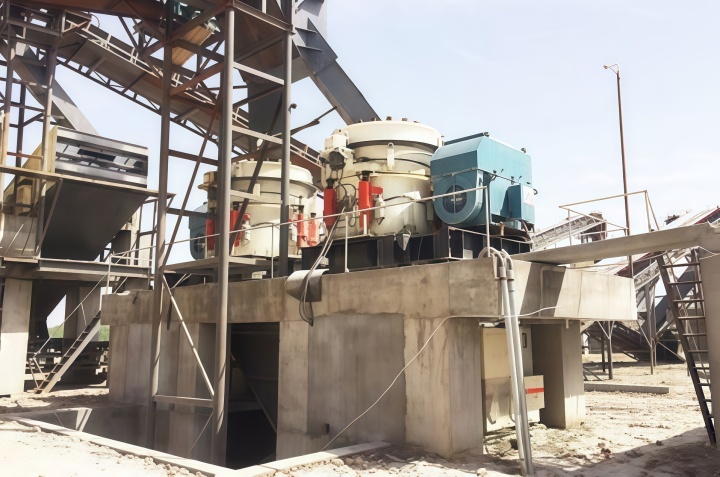
These eight faults and four questions cover Fine Cone Crusher risk points across mechanical, hydraulic, lubrication, and operational dimensions. Combined with the quick-reference table and fault conduction logic, this helps maintenance teams establish standardized prevention systems.
For diagnostic methods on hydraulic internal leakage or interparticle crushing feed optimization, related technical articles on this site provide detailed data. For issues not covered here under specific conditions, submit operating parameters through the official technical channel for same-day analysis.