Waste Slurry Separator
What is a Waste Slurry Separator?
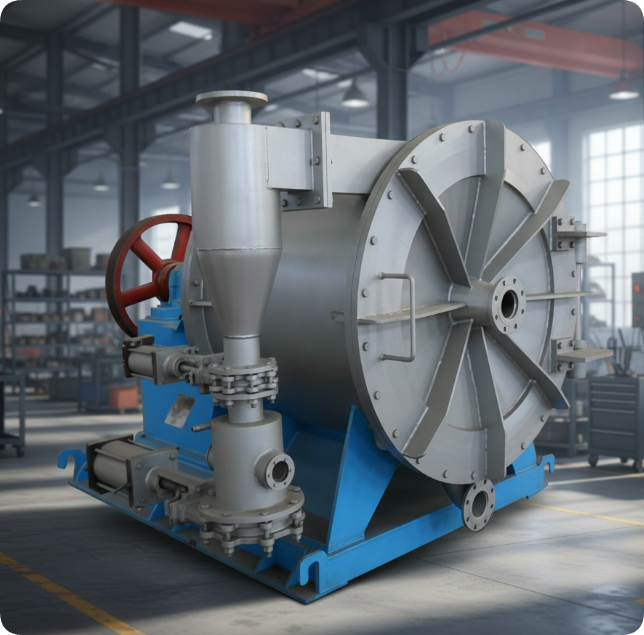
A waste slurry separator is a key piece of equipment in the waste paper pulping process. It acts like a meticulous "cleaner"—specifically handling the tailings from previous processes. Through washing and mechanical action, it "rescues" the remaining good fibers while simultaneously removing the actual impurities from the system, thus maximizing resource utilization and reducing waste volume.
Applications of Waste Slurry Separators
In paper mills, waste slurry separators primarily undertake the tasks of "tailings purification and resource recovery," specifically in the following stages:
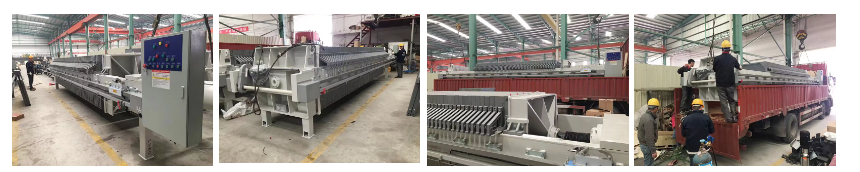
Deep Tailings Processing: Specifically handles coarse tailings from fiber separators, compound fiber separators, pressure screens, and other equipment. These tailings have a high impurity content, and direct disposal would be a huge waste. The waste slurry separator can perform "secondary sorting" on them.
High-Efficiency Fiber Recovery: Separates usable fibers from the tailings, achieving a recovery rate of 70-80%, which are then returned to the production system for repulping. The treated tailings contain almost no fibers, meeting environmental emission or further processing requirements.
Impurity Discharge: Impurities such as plastic sheets, adhesives, and sand are concentrated and discharged at a higher concentration (15-20%), facilitating subsequent processing and transportation.
Its working process can be summarized as the synergistic effect of three steps: centrifugal separation + hydraulic flushing + mechanical conveying.
Centrifugal Separation: The pulp enters the machine through the inlet under normal pressure and falls onto a high-speed rotating rotor. The rotor, equipped with blades, generates strong centrifugal force, causing fibers and impurities to adopt different trajectories.
Fiber Disintegration and Flushing: Under the high-speed impact of the rotor blades, the fiber bundles attached to the impurities are disintegrated. Simultaneously, the flushing water system above the machine cover continuously sprays water to clean the separating pulp residue. Under the action of the flushing water, the released good fibers pass through the screen plate below and fall into the good pulp outlet for recycling.
Impurity conveying and discharge: Heavy impurities (such as sand and metal) and light impurities (such as plastic sheets) that cannot pass through the screen are gradually pushed along the machine's axial direction to the discharge port at the end by the rotor blades and cleaning plates, and finally discharged from the machine at a higher concentration.
What are the advantages of a slag separator?
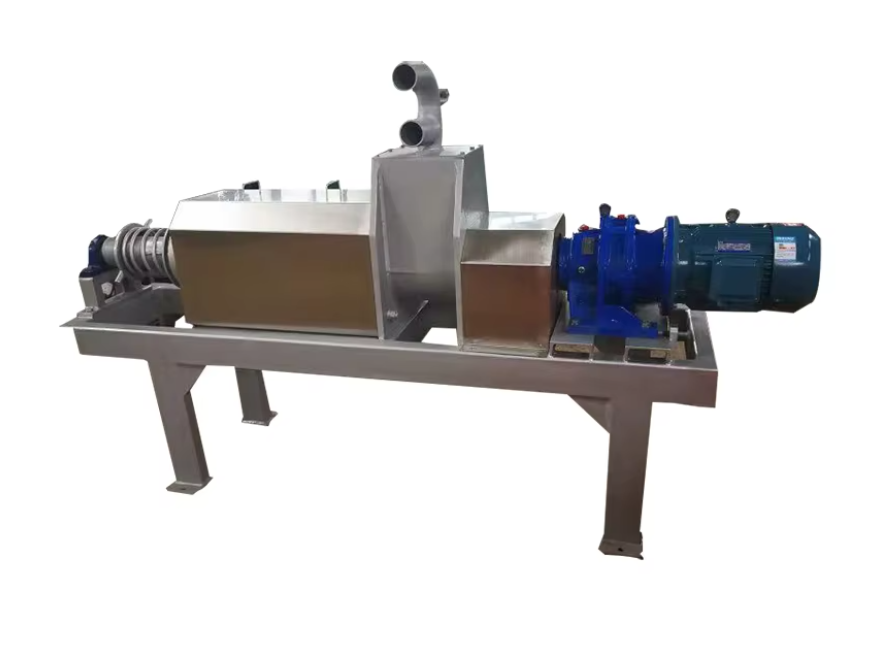
The slag separator has become standard equipment in waste paper pulping lines mainly due to the following advantages:
| Model | ZSR3 |
| Nominal Diameter (mm) | Φ400 |
| Production Capacity (t/d) | 25–45 |
| Inlet Pulp Consistency (%) | 1–1.5 |
| Reject Consistency (%) | 15–30 |
| Power (kW) | 37 |
| Advantage Dimension | Description |
| High Resource Recovery Rate | The fiber recovery rate reaches 70–80%, which significantly reduces fiber loss and lowers raw material costs. The processed tailings contain almost no fiber, ensuring both environmental protection and reduced load on subsequent waste treatment. |
| Excellent Operating Performance | Equipped with a high-speed multi-blade rotor structure and wear-resistant stainless steel screen plates. It features large processing capacity and high efficiency. The normally closed design prevents debris splashing and keeps the working environment clean. |
| Reasonable Structural Design | The upper housing is usually designed as a flip-open structure, making it convenient for inspection and replacement of screen plates and cleaning plates. The equipment structure is compact and occupies a relatively small floor area. |
| Simplified System and Energy Saving | It can directly process tailings discharged from upstream equipment without the need for additional intermediate equipment such as pulp tanks, pumps, or agitators. This simplifies the process flow and reduces both investment and energy consumption. |