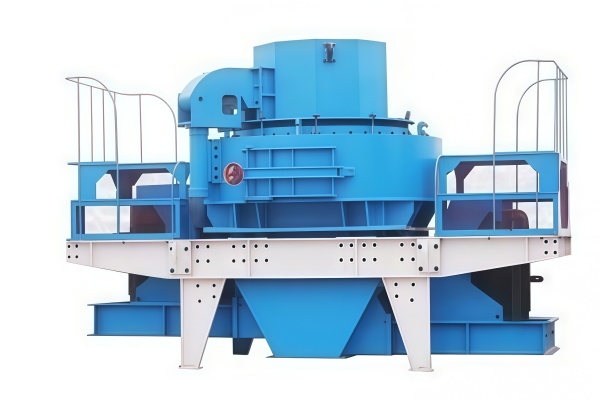
VSI Sand Making Machine vs Impact Crusher: Key Differences for Sand Production
Thursday August-27 2026 13:56:30
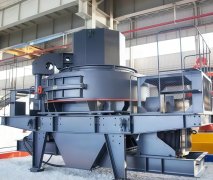
VSI Sand Making Machine proved its worth in a granite sand production project in Sri Lanka. A large construction company launched a new production line in 2024, processing material with Mohs hardness of 6 to 7, requiring four grades of aggregates and manufactured sand, with capacity needing to stay stable at 200 to 250 tons per hour. The site manager said, "Granite is too hard. The wear on equipment is extreme. Changing parts is painful." They chose this equipment as the core sand‑making unit, combined with jaw crusher for primary crushing and cone crusher for secondary crushing, forming a three‑stage crushing solution. After commissioning, actual capacity reached 240 tons per hour, exceeding the target, and wear parts replacement costs were 18% lower than local competitors.
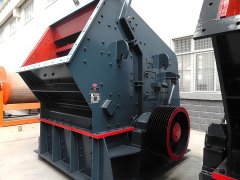
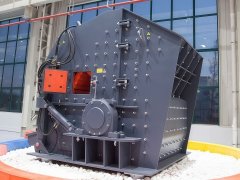
Choosing the wrong equipment doesn't just cost you in maintenance—it costs you in lost production during downtime. This equipment and impact crusher both fall under the impact crushing category, but their functions and working principles are completely different. The latter handles secondary crushing, reducing large stones to 30 to 50 millimeter aggregates. VSI Sand Making Machine focuses on fine crushing and shaping, using high‑speed impact to process material into finished sand that meets construction standards. This article examines the differences between the two from seven dimensions, providing a reference for equipment selection.
Fundamental Difference in Working Principle
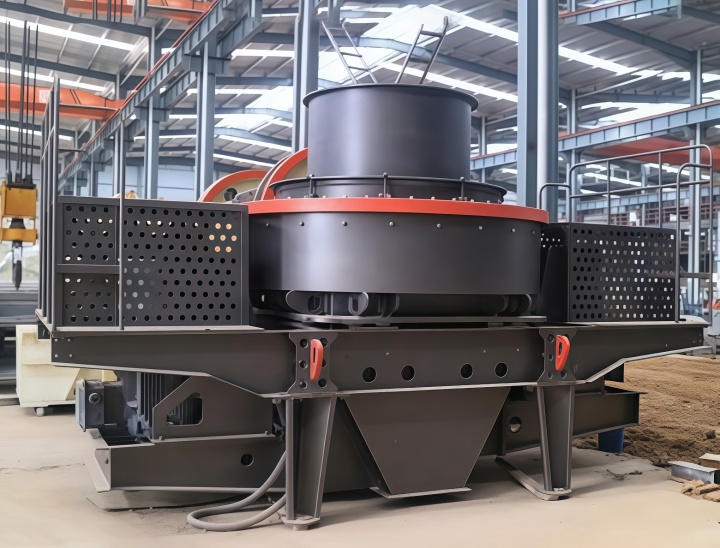
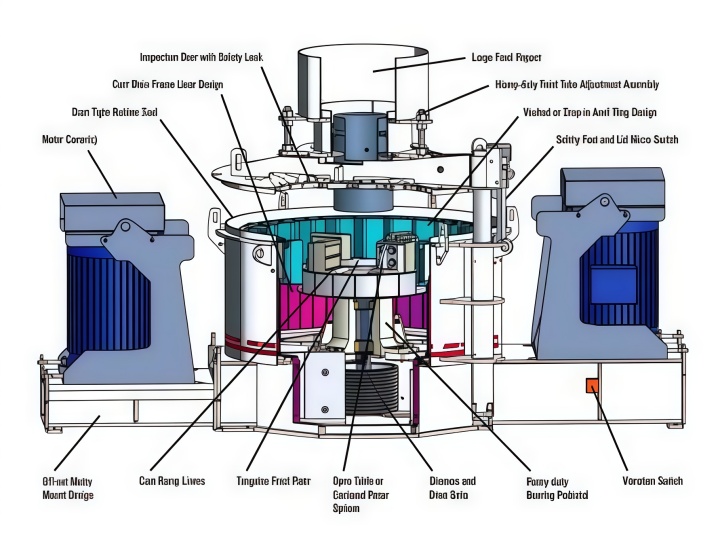
The crushing process of this equipment can be understood as material crushing itself. Material enters from the top, is accelerated by the rotor to over 60 meters per second, and is thrown out to collide with material falling behind it in the crushing chamber. Each collision consumes the kinetic energy of the material itself, rather than wearing down the machine's metal components. The latter works the opposite way—the blow bars on the rotor strike the material directly, then the material rebounds to the impact plates for secondary crushing. The former wears down the material itself; the latter wears down the machine itself. This difference fundamentally affects the consumption rate of wear parts on the two types of equipment.
Applicable Materials and Hardness Range
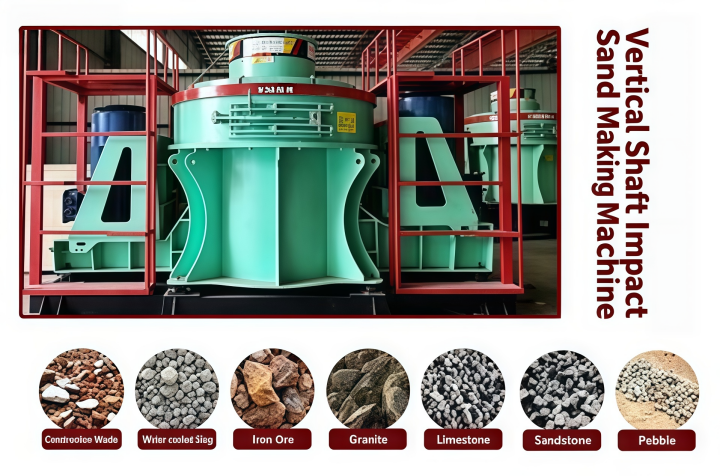
VSI Sand Making Machine is specifically designed for hard and brittle materials, suitable for processing high‑hardness rocks such as granite, basalt, river pebbles, and quartzite. The latter is better suited for medium‑hardness and softer materials like limestone and dolomite.
A 150 ton per hour granite sand project in East Africa adopted a three‑stage crushing solution of jaw crusher plus cone crusher plus this equipment, with this equipment handling the final sand shaping. Material hardness is the primary criterion for equipment selection.
Finished Particle Shape and Sand Quality
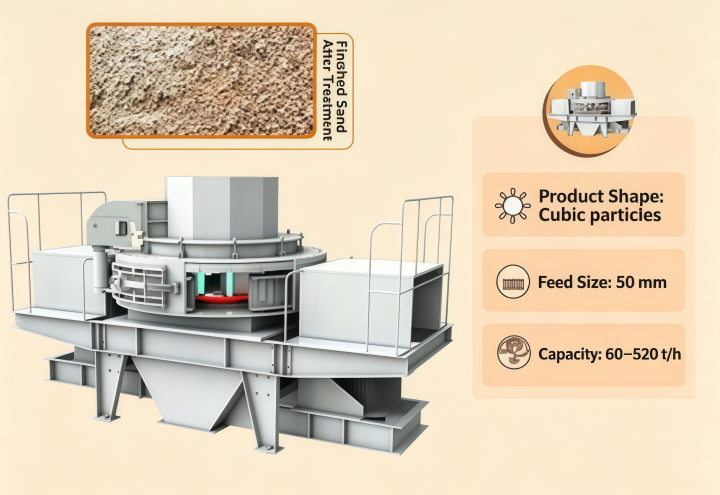
This is where the difference between the two is most pronounced. VSI Sand Making Machine produces sand particles that are predominantly cubic, with rounded grains and well‑graded distribution, with fineness modulus adjustable between 2.6 and 3.0. A 2024 academic study published in Frontiers in Built Environment, using 3D scanning and spherical harmonic analysis, confirmed that under identical parent rock conditions, this equipment produces 30% more spherical and rounded particles than the latter.
At the concrete application level, this difference translates into cost differences. Manufactured sand produced by this equipment used in C30 concrete shows 20 to 30 millimeters better slump retention than impact crusher sand, with water demand reduced by about 5% at the same workability. Cubic particle content from this equipment can reach over 90%, and flat and elongated particle content can be controlled within 5% to 10%. At the Panchami Stone granite quarry in Bangalore, India, after switching to this equipment, the manufactured sand produced was so superior in particle shape that its quality even exceeded that of natural sand.
Energy Consumption and Operating Cost Comparison
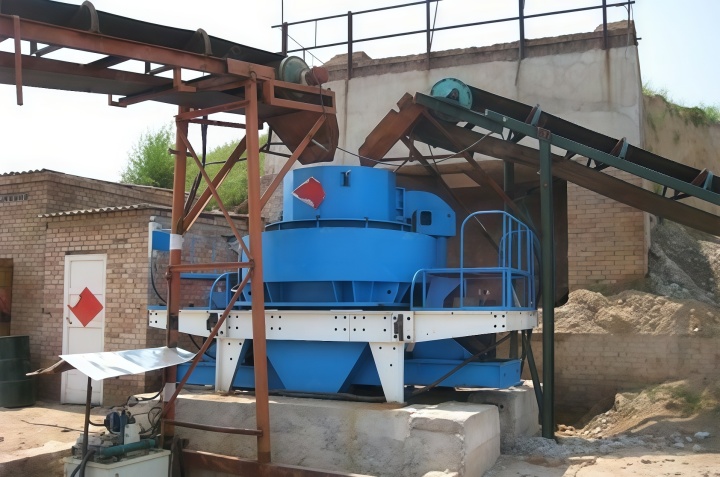
VSI Sand Making Machine has an advantage in energy consumption. According to 2024 mineral processing industry data, impact crusher consumes approximately 22 to 27 kWh per ton, while this equipment consumes approximately 18 to 23 kWh per ton, saving about 15% to 20% in energy costs.
Academic research supports this conclusion as well. The Panchami Stone quarry processes granite with a Bond work index of 18 to 20 and an abrasion index of 0.5 to 0.6, placing it in the high‑abrasion category. After upgrading to new wear‑resistant components, this equipment's distributor plate service life increased by 400% to 500%, and replacement costs dropped by 50%. Although the initial investment for this equipment is typically higher than impact crusher, the overall cost advantage over the operational lifecycle is greater.
Moisture Tolerance and Production Line Positioning
The latter has higher tolerance for material moisture content, capable of handling materials with up to 6% moisture. This equipment is more sensitive to moisture, typically requiring feed moisture below 4%. Impact crusher is generally used for secondary crushing, reducing coarse‑crushed stone to 30 to 50 millimeters. This equipment sits at the end of the production line, handling final sand shaping. The two are not substitutes but complementary stages in the production line.
Choosing VSI Sand Making Machine or Impact Crusher—Three Questions Are Enough
Equipment selection depends on three key factors: material hardness, end‑use of the product, and project duration.
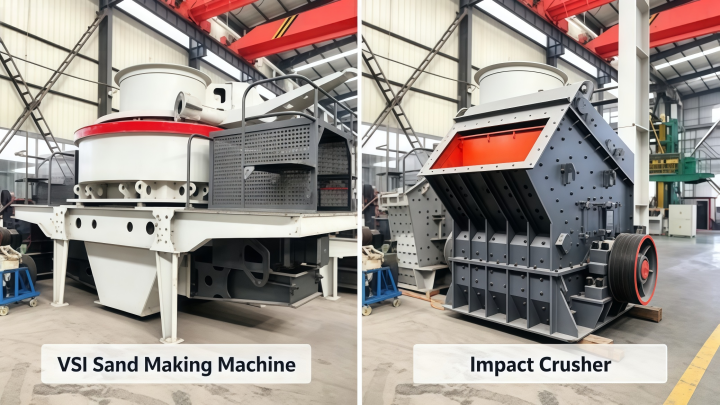
First question: How hard is your rock? For Mohs hardness above 6—granite, basalt—choose VSI Sand Making Machine. For Mohs hardness below 5—limestone, dolomite—the latter is sufficient. A 300 ton per hour granite project in Nairobi, Kenya, with feed material Mohs hardness of 6 to 7, adopted a jaw crusher plus cone crusher plus this equipment solution, with this equipment handling 0 to 5 millimeter manufactured sand production. After commissioning, capacity stabilized at 300 tons per hour.
Second question: Who are you selling your sand to? For concrete batching plants producing high‑grade concrete, use this equipment. For road base fill and masonry mortar, the latter's output is sufficient.
Third question: How long do you plan to run this line? For projects over five years, the wear parts savings from this equipment can offset the price difference in about two years. For short‑term projects with tight budgets, the latter is more suitable.
Three Common Misconceptions in VSI Sand Making Machine Selection
Selection errors often stem from misjudging material hardness, moisture content, and equipment integration.
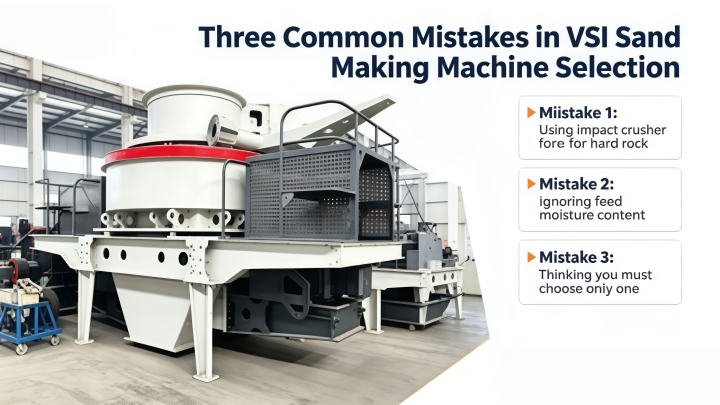
First misconception: using the latter for hard rock. A 250 ton per hour river pebble sand project in Mongolia, with pebble hardness around Mohs 7, adopted this equipment as the core unit. After commissioning, actual capacity reached 250 tons per hour, with operating costs 18% lower than conventional solutions. Using the latter for the same material would result in wear parts consumption several times higher.
Second misconception: ignoring material moisture content. This equipment requires feed moisture below 4%. When feed is damp, the rotor can become clogged, and production drops dramatically.
Third misconception: believing you have to choose only one. Queensland, Australia, has extremely strict specifications for road base aggregates, and cone crushers cannot produce the required fine fractions. Since VSI entered the Australian market in 2005, approximately 45 units of this equipment have been deployed in Queensland alone. The latter and this equipment work in tandem—the latter handles secondary crushing, and VSI handles final sand shaping.
FAQ
What rotor speed gives the best sand production rate for VSI Sand Making Machine?
An impact speed of around 60 meters per second provides lower specific energy consumption and good sand production rates. The optimal speed depends on material hardness and feed size, and should be determined through on‑site testing.
Can the same VSI Sand Making Machine do both sand making and shaping simultaneously?
Yes. By adjusting rotor speed and crushing chamber configuration, this equipment can switch between sand making and shaping modes, but it cannot achieve optimal performance in both modes simultaneously.
What should I do if sand from VSI Sand Making Machine has high fines content?
High fines content is usually caused by excessively fine feed or excessive rotor speed. You can add an air classifier or wet screening for fines removal, or reduce rotor speed to minimize over‑crushing.
What is the actual electricity cost difference between impact crusher and VSI Sand Making Machine?
For a 500 ton per day project, this equipment saves approximately 15 to 20 kWh per hour compared to impact crusher. Based on 16 hours of operation per day and an industrial electricity rate of 0.7 yuan per kWh, the monthly electricity cost difference is between 5,000 and 7,000 yuan.
How long do wear parts on VSI Sand Making Machine last?
Tungsten carbide rotor tips typically last 200 to 500 hours in field applications, with rotor replacement cycles at 400 to 600 hours, depending on material abrasiveness and rotor speed.
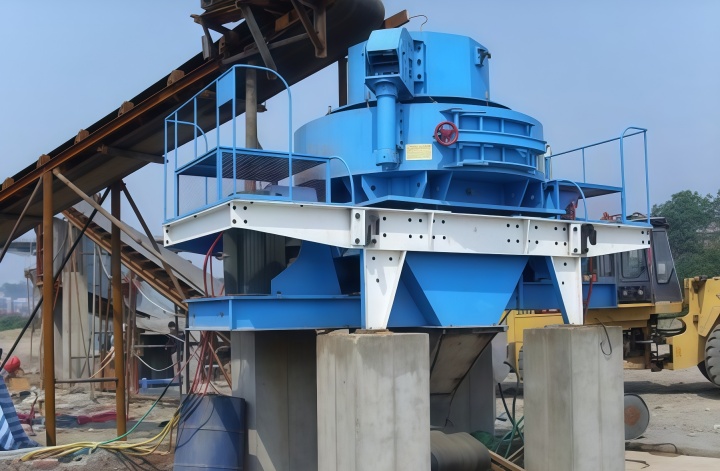
For hard rock sand making, choose VSI Sand Making Machine; for soft rock processing, choose the latter; for large projects over five years, prioritize the comprehensive cost advantages of this equipment. The Sri Lanka 240 ton per hour project, the Kenya 300 ton per hour production line, the Bangalore 400% wear parts life improvement data, and the Queensland market validation with 45 units—these global case studies consistently confirm: material hardness is the bottom line, the higher the product quality requirements the more VSI's advantages stand out, and the longer the operation the more significant the cost benefits become.
Each project has different material characteristics, capacity targets, and budget constraints. For a site‑specific assessment based on your material and production requirements, please provide material samples and capacity needs, and we will produce a detailed equipment configuration plan and operating cost estimate.