Stone Crusher Machine Price Guide 2026 – Complete Cost Breakdown & Buying Tips
Wednesday August-19 2026 10:47:24
Our factory has accumulated years of R&D and production experience in the mining crushing equipment sector, with products exported to 87 countries and involvement in over 300 crushing production line projects worldwide. The data below is compiled from actual sales cases and after-sales service records.
Before purchasing a Stone Crusher Machine, the core question is price. However, the cost difference between a small jaw crusher and a complete 1,000-ton-per-day production line can be dozens of times larger. The global crushing equipment market is valued at approximately $9.1 billion in 2026, with a compound annual growth rate exceeding 5%. According to the Global Mining Equipment Yearbook 2026, the Asia-Pacific region accounts for 47% of new demand, and ongoing infrastructure investment continues to make this equipment a core investment in mining and construction projects.
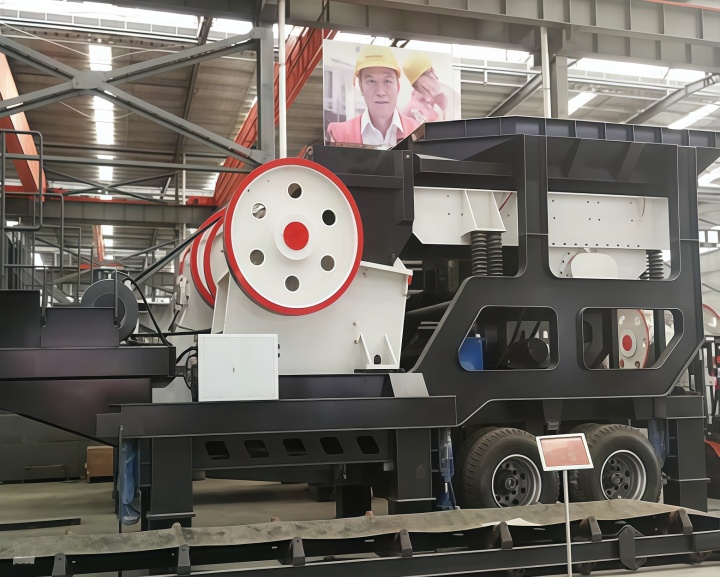
This article compiles price ranges based on industry public data and actual export order cases, and draws on real procurement examples to help buyers avoid common pitfalls. The price data in this article is based on our factory's actual project quotations and after-sales follow-up records as of August 2026.
2026 Procurement Core Answer: A small jaw crusher is priced between $16,800 and $58,000, while a complete 200-ton-per-hour production line requires an equipment investment of $385,000 to $515,000. However, procurement decisions should not be based solely on equipment price, but should also factor in the total lifecycle cost including electricity, wear parts replacement, and maintenance—this is often the key factor determining return on investment.
2026 Stone Crusher Machine Price Range Overview
Budget requirements vary significantly across different application scenarios. The table below is compiled from industry public data and actual export order cases:
| Stone Crusher Machine Type | Reference Capacity | 2026 Reference Price Range |
|---|---|---|
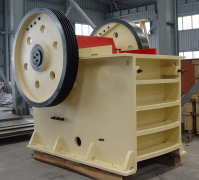
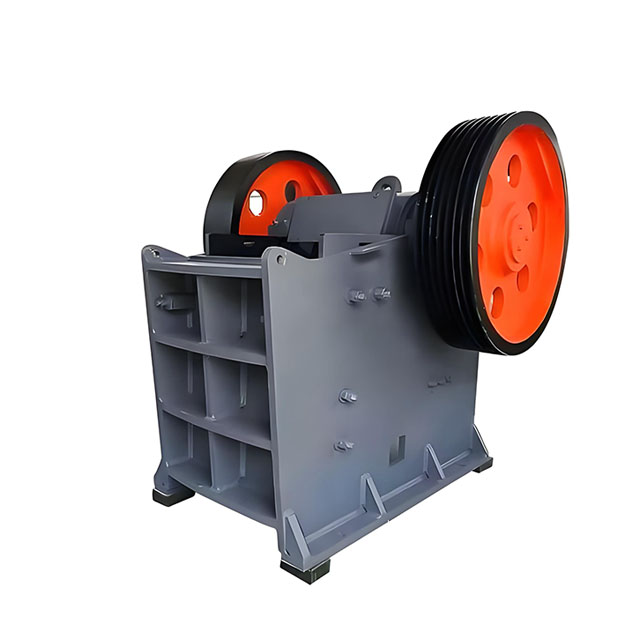
| Small Jaw Crusher | 5 – 150 TPH | $16,800 – $58,000 |
| Medium-Large Jaw Crusher | 150 – 700 TPH | $72,000 – $238,000 |
| Cone Crusher | 30 – 800 TPH | $63,000 – $295,000 |
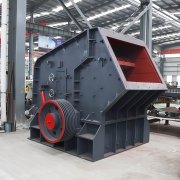
| Impact Crusher | 50 – 400 TPH | $42,000 – $175,000 |
| Sand Making Machine | 60 – 400 TPH | $52,000 – $215,000 |
| Mobile Crushing Station | 30 – 800 TPH | 35% – 72% higher than fixed type |
| 200TPH Three-Stage Fixed Production Line | 200 TPH | $385,000 – $515,000 |
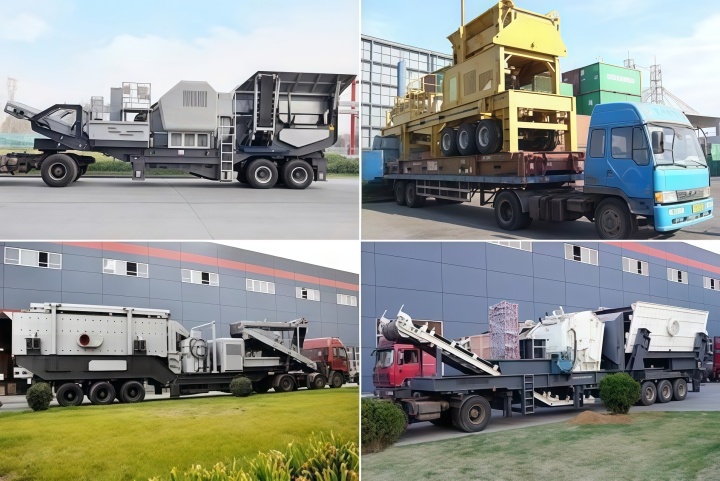
Prices above are FOB equipment costs, excluding shipping, installation, and import duties. Mobile Stone Crusher Machines are 35% to 72% more expensive than their fixed counterparts, with the premium primarily coming from the integrated costs of traveling mechanisms, self-contained power units, and rapid installation systems.
Four Core Factors Affecting Stone Crusher Machine Pricing
The final price difference of a Stone Crusher Machine is not determined by a single factor, but rather by the combined effect of four dimensions: equipment configuration, cross-border transportation, on-site installation, and after-sales spare parts supply. Buyers should examine each of these four areas when reviewing quotations to understand the true cost structure behind the total price.
Equipment configuration level accounts for a significant portion of the price difference.
Motor brands from domestic to Siemens or ABB vary by 8%–14%. Liner materials Mn13 to Mn18 differ by 12%–18%. Control systems basic to PLC vary by 8%–22%. These three items alone can shift total price by over 30%. Quotations must include detailed configuration lists for effective comparison.
Shipping and certification costs are hidden expenses in cross-border procurement.
CE certification runs $12,000–$25,000; GOST ranges $8,000–$15,000. Flat rack shipping is 35% costlier than container shipping but reduces transit damage risk. These costs typically account for 8%–15% of total quotation. Confirm FOB or CIF terms when requesting quotes.
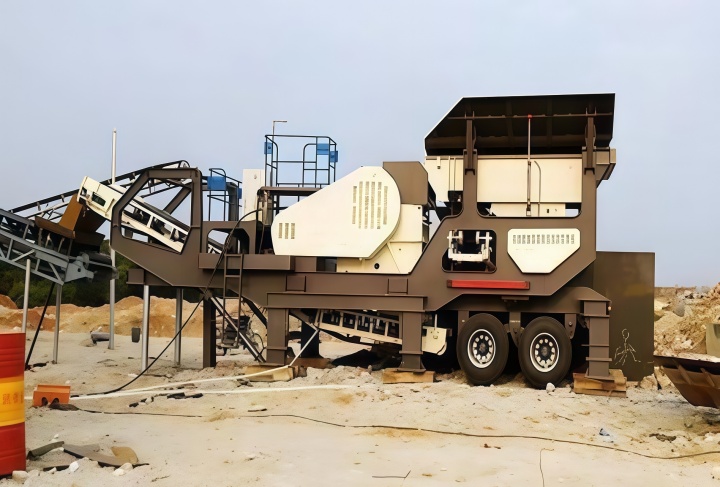
Installation and civil works costs are often underestimated.
A 200TPH line needs 80–150 m³ of concrete for the foundation alone, costing $12,000–$22,000 in materials. In developed countries, installation labor may exceed 15% of equipment price. Budget this separately.
After-sales service and spare parts availability affect long-term operating costs.
Warranty periods range 12–36 months; parts delivery varies from 48 hours to several weeks. Downtime losses run $5,000–$15,000 per hour, making parts delivery speed more critical than warranty length. Ask about stock availability, lead time, and remote diagnostics when requesting quotes.
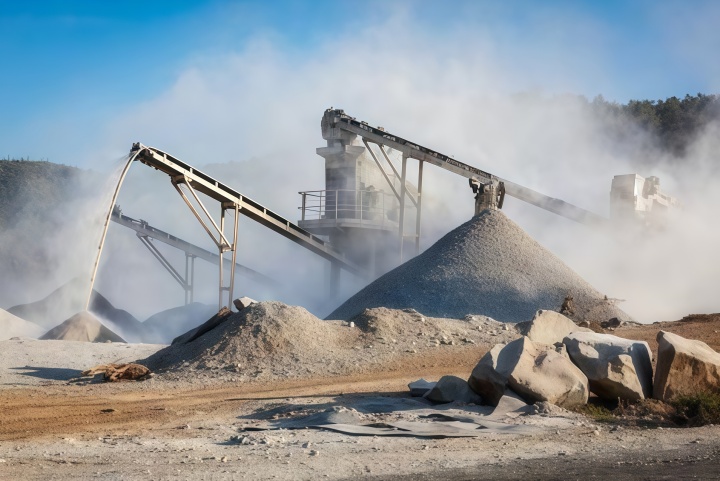
Equipment Price vs. Operating Cost: A Real Case Study
Comparing only the equipment price of a Stone Crusher Machine is a common procurement pitfall.
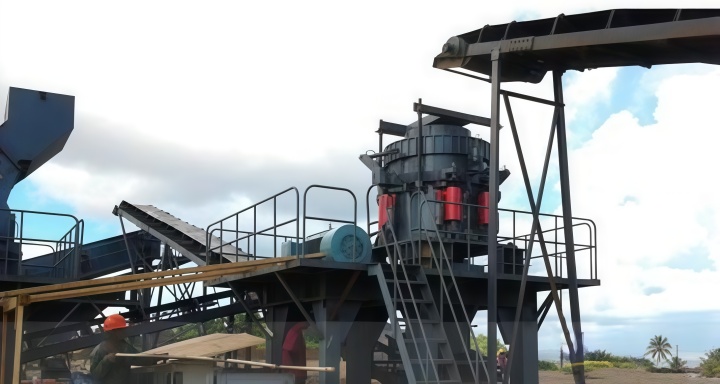
In a project we tracked in Sulawesi, Indonesia in 2025, a client planned to purchase a cone crusher for processing medium-hardness nickel mine waste rock. Supplier A quoted $92,000, while Supplier B quoted $128,000. Looking only at the equipment price, Supplier A appeared significantly cheaper. However, a deeper comparison revealed that Supplier A included a domestically-branded motor and Mn13 liners, while Supplier B included an ABB motor and Mn18 liners. Based on the client's production of 1,500 tons per day, operating 300 days per year, Supplier A's annual electricity and liner replacement costs were $27,000 higher than Supplier B's. The $36,000 price premium of Supplier B's solution was offset by operating cost savings within 16 months, resulting in annual savings of $27,000 thereafter. The client ultimately chose Supplier B's Stone Crusher Machine.
Below is the total lifecycle cost comparison between the two solutions:
| Comparison Item | Supplier A Solution | Supplier B Solution |
|---|---|---|
| Stone Crusher Machine Equipment Price | $92,000 | $128,000 |
| Annual Electricity Cost | $31,500 | $25,800 |
| Annual Liner Replacement Cost | $14,200 | $9,600 |
| Annual Total Operating Cost | $45,700 | $35,400 |
| Total Cost After First Two Years | $183,400 | $198,800 |
| Cumulative Cost From Year 4 | Supplier B begins to be lower | — |
This case demonstrates that when purchasing a Stone Crusher Machine, the calculation should include not just the equipment price, but the total lifecycle cost including electricity, wear parts, and maintenance.
Three Practical Procurement Tips
Based on our factory's experience tracking numerous projects, procurement decisions for a Stone Crusher Machine should consider three practical aspects beyond the four factors mentioned above. The level of detail in configuration lists, the results of material sample testing, and the confirmation of logistics and insurance often determine how smoothly the procurement process goes.
The more detailed the configuration list on a quotation, the more worthy of attention.
Some suppliers provide only model numbers and total prices, while others list motor brand, liner material, control system specifications, and whether hydraulic adjustment devices are standard. The latter are typically more professional Stone Crusher Machine suppliers, as every configuration difference ultimately affects user experience and operating costs.
Sample testing is one way to verify whether the selection is appropriate.
Before signing a procurement contract, it is advisable to send representative material samples to the supplier for actual crushing testing. The same Stone Crusher Machine crushing materials of different hardness can produce significantly different output sizes and capacities. Sample test reports help avoid situations where equipment arrives and is found unsuitable. For further guidance on selecting models based on different rock hardness, please refer to our detailed equipment selection guide.
Shipping insurance and unloading arrangements should be confirmed in advance.
A Stone Crusher Machine is classified as overweight and oversized equipment, so marine insurance terms and destination port unloading methods should be clarified before shipment. Some suppliers include insurance and unloading guidance in their quotations, while others do not—this difference can amount to thousands to over ten thousand dollars.
Frequently Asked Questions
How should buyers handle significant price differences between suppliers for a Stone Crusher Machine?
Price differences mainly come from motor brand, electrical system, and liner material configurations. Request a detailed written configuration list and compare these three items to identify where the price gap comes from.
What should be checked when purchasing a used Stone Crusher Machine?
Inspect main bearing clearance and frame weld joint parallelism—repairs for these issues typically cost $15,000 to $40,000. Request a no-load test run and check wear uniformity on jaw plate mounting surfaces.
What percentage of equipment price does annual maintenance cost account for?
Cone crusher maintenance costs run 5% to 7% of equipment price, while impact crushers and sand making machines reach 8% to 12%. Liners and lubricating oil are the two biggest expenses, accounting for 45% and 20% respectively.
How can buyers evaluate the after-sales service quality of a Stone Crusher Machine supplier?
Downtime can cost $5,000 to $15,000 per hour, so spare parts delivery speed matters most. Ask directly whether common wear parts are in stock, delivery lead time, and whether remote diagnostics are available.
Conclusion
The 2026 Stone Crusher Machine market offers a wide variety of options, with prices ranging from over ten thousand dollars to several million dollars. Obvious factors affecting quotations include specifications, motor, wear materials, and control systems, while hidden factors include certification packaging and civil installation. However, the key to investment decisions often lies in the balance between equipment price and operating costs.
Before purchasing, calculate the total lifecycle cost, review the configuration list item by item, and this will help select the Stone Crusher Machine with a lower long-term total cost. For precise quotations tailored to specific project capacity and material characteristics, provide detailed information on capacity, feed size, and output requirements to receive customized solutions and price references.