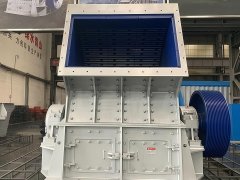
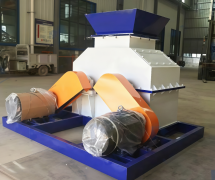
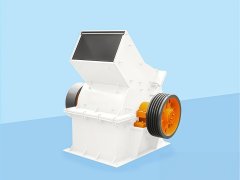
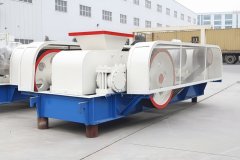
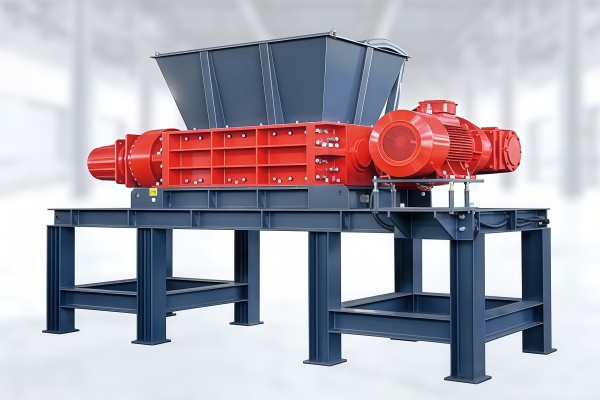
Shredder Crusher Machine vs Crusher: 5 Key Differences You Must Know Before Buying
Saturday August-29 2026 15:22:55
Feeding a bale of plastic film into a high‑speed Crusher can jam the rotor and burn out the motor within minutes. Feeding PET bottles into a Shredder Crusher Machine produces rough, fist‑sized chunks that downstream washing lines simply cannot handle.
These two pieces of equipment may both appear to "break things down," but they perform entirely different jobs. The global plastic recycling equipment market is projected to grow from $5.6 billion in 2025 to $10.25 billion by 2032. However, over 30% of equipment complaints stem not from quality defects but from choosing the wrong machine category. Below is a breakdown of the core differences between the two across five dimensions, all based on verifiable technical specifications and real‑world production feedback.
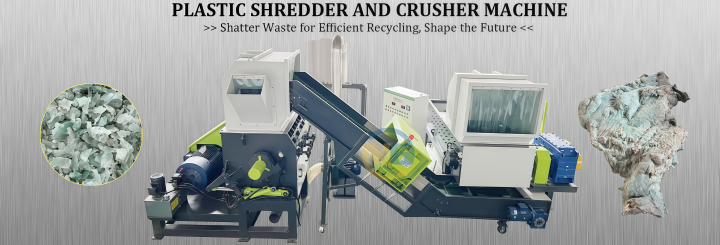
Difference 1: Speed and Torque – Slow Pull vs Fast Cut
A Shredder Crusher Machine operates at only 10 to 60 RPM, but its gearbox multiplies torque to several hundred thousand Newton‑meters, forcibly tearing materials apart. In contrast, the alternative runs at 400 to 600 RPM, using high‑speed blades to shear materials.
What this means for you:For thick‑wall pipes, scrap with metal inserts, or dense, hard materials, the shredder can handle the load, while forcing them into a high‑speed unit risks blade chipping or shaft breakage. Conversely, for pre‑shredded PET flakes, a high‑speed unit processes them in seconds, whereas the shredder would be inefficient. The choice is not about which is superior but which fits your material.
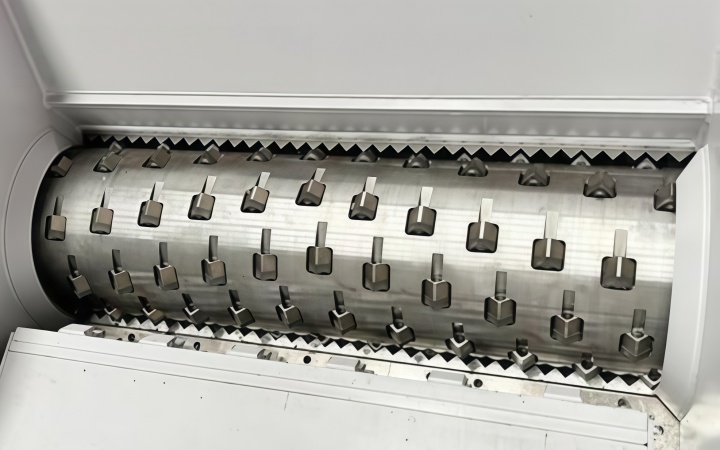
Difference 2: Output Size – Coarse Volume Reduction vs Fine Granulation
The shredder typically produces irregular, rough‑edged pieces ranging from 10 to 100 mm. Its sole objective is size reduction, regardless of how fine the output is. A high‑speed unit features a screen at its base; materials are sheared repeatedly until they are small enough to pass through, producing uniform fine particles.
What this means for you: For volume reduction aimed solely at transport and storage, the shredder suffices. For washing, sorting, or pelletizing lines that demand specific feed sizes, you will need a high‑speed unit downstream of the shredder. A PET recycling plant near Oslo, Norway, illustrates this: their existing shredder could not keep up, causing downstream shortages. After switching to a two‑stage setup—coarse shredding followed by fine granulation with a 37kW dual‑motor high‑speed unit—material was consistently reduced to under 30 mm, resolving the feed issue.
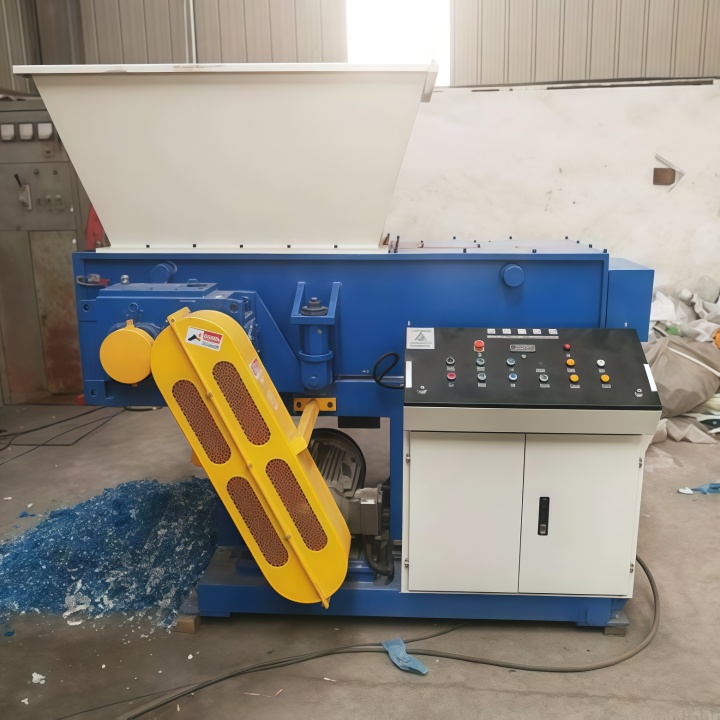
Difference 3: Material Suitability – Whole Pieces Go to One, Pre‑Shredded to the Other
The shredder is designed for bulky, high‑strength, unprocessed materials: baled film, large‑diameter pipes, scrap tires, and appliance shells. A high‑speed unit handles materials that are already coarse‑shredded, small, and uniform in shape: PET flakes, injection‑molding scrap, and dismantled electronic waste.
The logic boils down to two rules: bulky, soft, or easily tangled materials go to the shredder; already shredded, hard, or uniformly shaped materials go to the high‑speed unit.
What this means for you: A film recycling plant in the Philippines used a standard high‑speed unit for soft PE film, only to face rotor entanglement, material clumping, and blades needing daily sharpening. After switching to a purpose‑built Shredder Crusher Machine with anti‑tangling design, stable throughput reached 800 kg/h, doubling the entire line's output. The power remained the same; the difference was the right machine for the job.
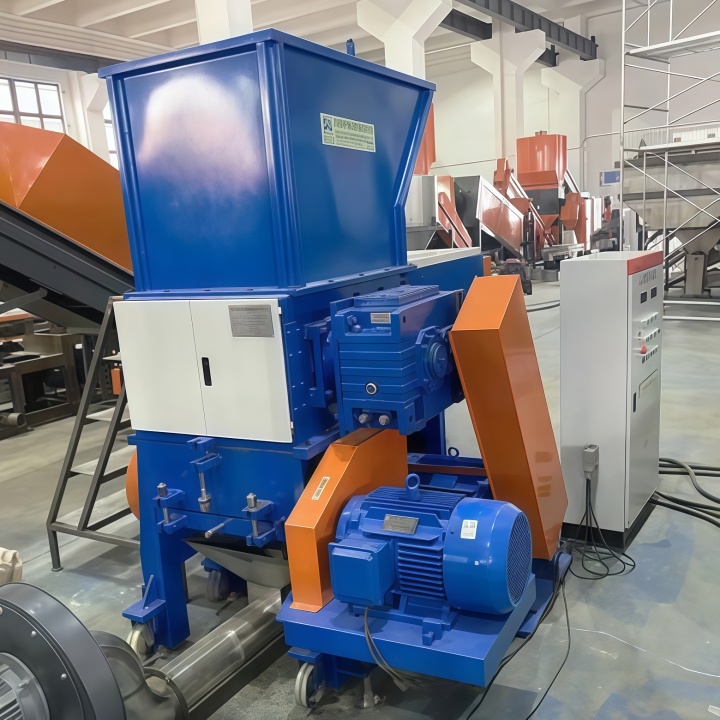
Difference 4: Hardware Configuration – With Gearbox vs Without
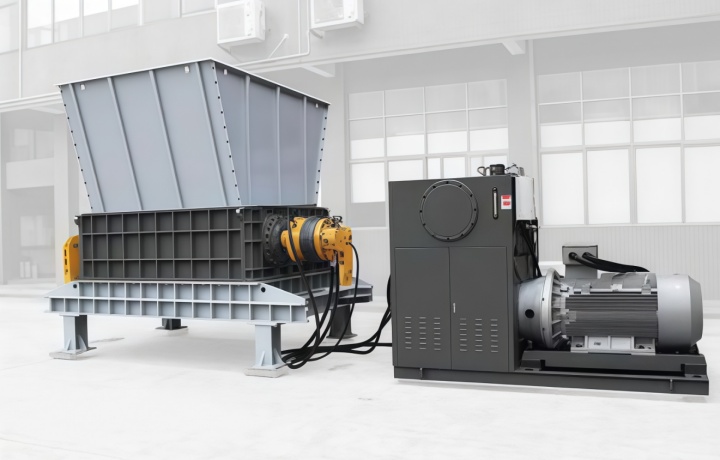
Two components clearly distinguish the shredder from a high‑speed unit: the gearbox and the ram feeder. The shredder features a gearbox between the motor and rotor, and most models include a hydraulic ram feeder to push material steadily against the rotor. A high‑speed unit's motor connects directly to the rotor—no gearbox, no ram feeder—relying on gravity and centrifugal force to draw material in. The blades also differ: the former are thick and impact‑resistant; the latter are thin and sharp.
What this means for you: A gearbox adds weight, floor space, and upfront cost, but enables handling of tough materials. Without it, the equipment is lighter, more responsive, and less expensive, but requires "easy‑to‑chew" feed. A ram feeder ensures consistent processing of loose, fluffy materials like film and woven bags, which otherwise struggle to feed steadily.
Difference 5: Maintenance Cost – Dirt‑Prone vs Impact‑Prone
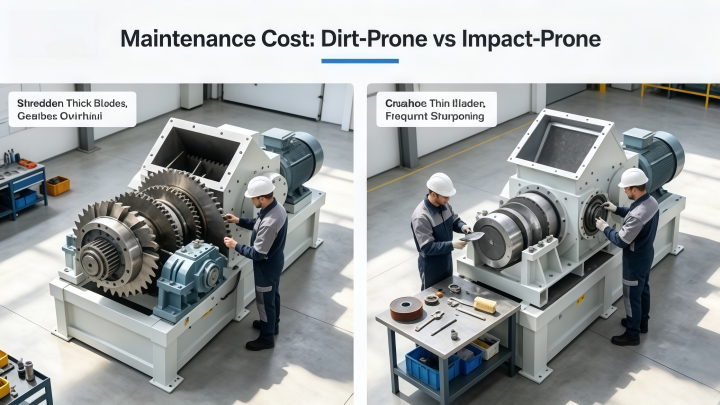
A shop‑floor rule of thumb captures it: the shredder fears dirt; a high‑speed unit fears hard contaminants.
The shredder has thicker blades with longer replacement intervals, but its complex internal geometry allows contaminants to accumulate, making cleaning more labor‑intensive than blade sharpening. A high‑speed unit is simpler to clean, but its thinner blades require frequent sharpening.
What this means for you: Annual operating costs for the two may be comparable, but the spending patterns differ greatly. Expenses for the shredder center on major overhauls—gearbox replacement takes 8 to 12 hours and costs $12,000 to $25,000, with blades typically regrindable 5 to 6 times before replacement. High‑speed unit expenses are routine—blade sharpening and screen changes, frequent but each operation is straightforward. When selecting, consider: does your line fear sudden major downtime or frequent minor interventions?
Quick Comparison Table
| Dimension | Shredder Crusher Machine | High‑Speed Crusher |
|---|---|---|
| Speed Range | 10‑60 RPM | 400‑600 RPM |
| Torque Output | Hundreds of thousands of Nm | Significantly lower |
| Output Size | 10‑100mm irregular chunks | Screen‑controlled uniform particles |
| Material Type | Bulky, soft, high‑strength waste | Pre‑shredded, hard, uniform scrap |
| Hardware Markers | Gearbox + ram feeder | No gearbox + screen |
| Maintenance Focus | Cleaning, gearbox, bearings | Blade sharpening, screen changes |
Three Questions to Ask Before Choosing
Is your material whole or already pre‑shredded?
Whole pieces point to the shredder; pre‑shredded points to the high‑speed unit.
Does your downstream process impose strict particle size requirements?
If yes, opt for the two‑stage approach; if not, a single shredder will suffice.
Do you fear major overhaul downtime more, or frequent blade changes more?
The former suggests the shredder; the latter suggests the high‑speed unit.
A practical approach is to conduct an actual test run with your material rather than relying solely on specification sheets.
Frequently Asked Questions
Should I use a Shredder Crusher Machine or a high‑speed unit for film waste?
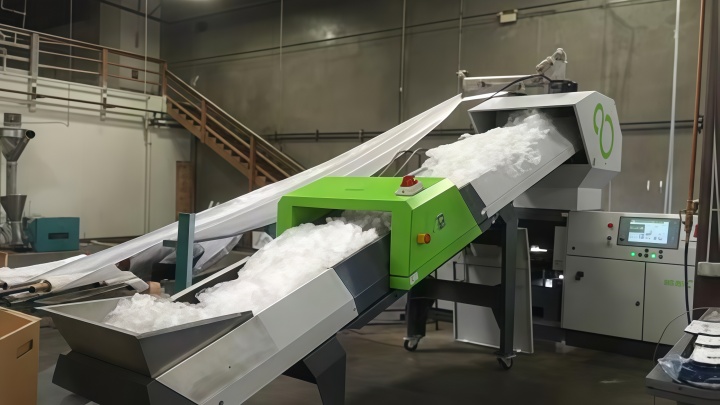
Film tends to wrap around high‑speed rotors, causing frequent jams. A proven approach is to start with a Shredder Crusher Machine for coarse breakdown, then finish with a high‑speed unit, as demonstrated by the Philippine film recycling plant case.
Which generates more noise and dust?
The high‑speed unit produces noticeably more noise and dust. The Shredder Crusher Machine's low‑speed design makes it better suited for environments with noise and dust constraints.
How often should the blades on a Shredder Crusher Machine be replaced?
Replacement intervals depend on material hardness and throughput. Blades can typically be reground 5 to 6 times before needing replacement, with regrinding costs far lower than buying new ones.
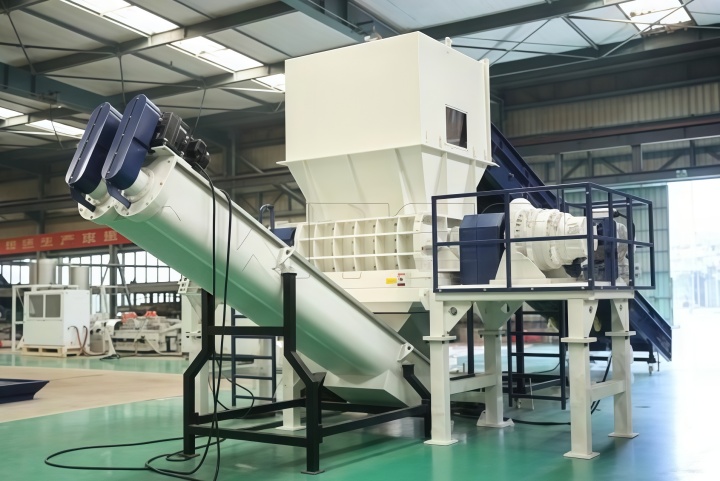
The five dimensions above make one core fact clear: the Shredder Crusher Machine and the high‑speed unit are complementary, not interchangeable. The starting point for selection is not "which is better," but which one fits your material, your line, and your operating model. For more selection parameters and model configurations regarding the Shredder Crusher Machine, please refer to related equipment introductions via the site navigation.