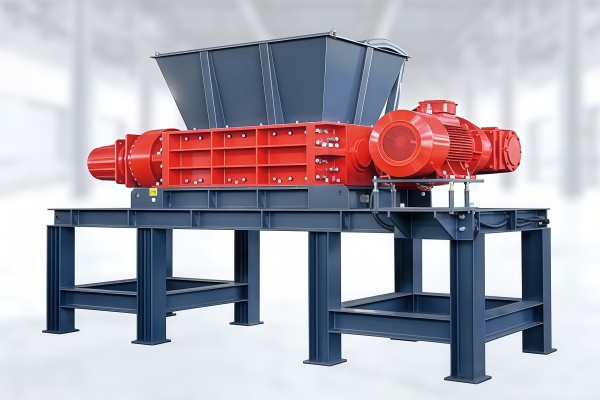
Shredder Crusher Machine Selection Guide : Avoid These 5 Costly Mistakes
Saturday August-29 2026 15:25:31
In the solid waste recycling industry, the Shredder Crusher Machine is a critical piece of equipment for volume reduction and resource recovery. Based on field service experience, most unplanned production line stoppages trace back to poor equipment selection. A properly matched Shredder Crusher Machine can reduce per‑ton processing costs by over 30%; when the wrong unit is chosen, however, the extra expenses from blade changes and energy consumption alone can reach three times the initial purchase price within five years.
This article covers five dimensions—material characteristics, equipment type, throughput capacity, maintenance costs, and common missteps—and uses real‑world industry scenarios to help you systematically approach your Shredder Crusher Machine selection.
Four Questions to Answer Before You Start
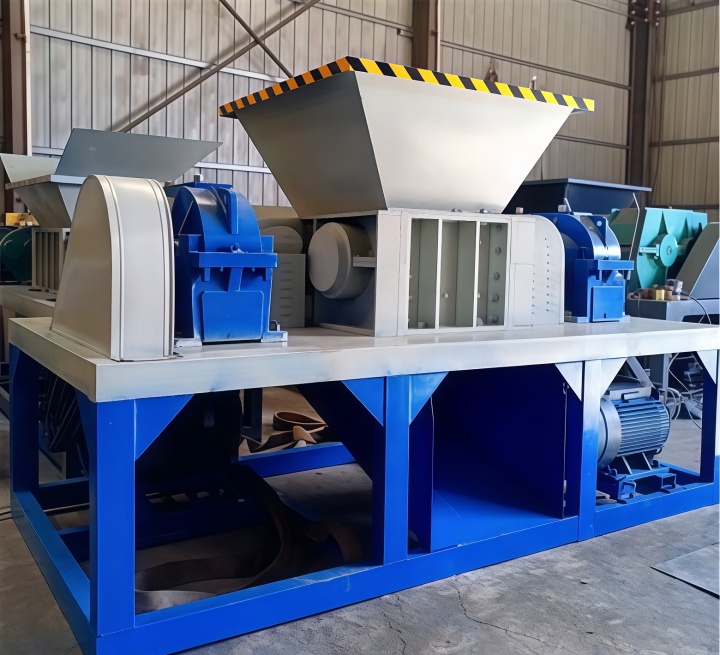
The four questions below directly determine the direction of your Shredder Crusher Machine selection, so it pays to have clear answers before contacting any supplier. What is your material type and physical form—plastic bottles, film/woven bags, e‑waste, or mixed industrial waste? What is your target output size—coarse shredding of 50‑200 mm or fine shredding below 10 mm? What is your required hourly throughput—and be sure to add a 20‑30% buffer? What is your downstream process—washing, pelletizing, or direct sale?
In a typical industry case, an e‑waste recycling line failed to properly measure the metal content in its feed. After commissioning, the actual blade life was less than one‑third of the expected value, forcing a complete blade‑shaft replacement within three months and nearly doubling processing costs. This example shows that inaccurate material composition data will throw off every subsequent decision. Gathering reliable data on material composition, throughput needs, and output size before you start is more valuable than simply looking at equipment specifications.
Material Characteristics Define Your Shredder Crusher Machine Direction
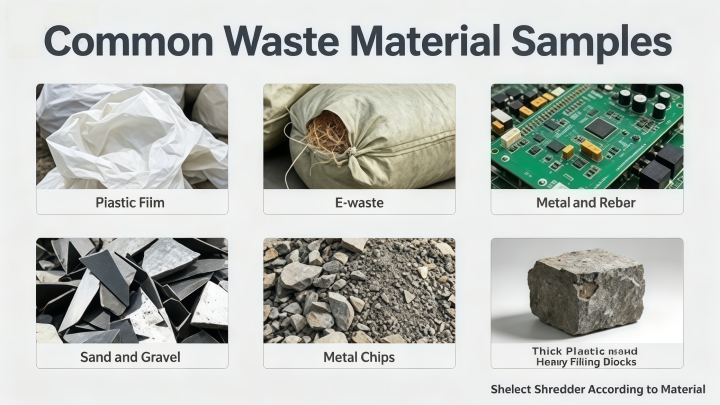
Material type is the primary factor. Soft, flexible materials like plastic film and woven bags tend to wrap around blades, making them better suited to low‑speed, high‑torque single‑shaft units. E‑waste containing metals or reinforced concrete scrap, on the other hand, requires twin‑shaft or even four‑shaft machines to handle the impact. A single‑shaft Shredder Crusher Machine works well for homogeneous, medium‑hard materials, while twin‑shaft equipment offers more stable performance with complex waste streams.
If your material contains abrasive impurities such as sand or metal fines, choose H13 tool steel or tungsten‑carbide coated blades; otherwise, blade life can be cut by more than half. A practical rule: if your material thickness exceeds 20 mm or individual pieces weigh more than 5 kg, a twin‑shaft design should be your first choice.
Single‑Shaft vs. Twin‑Shaft Shredder Crusher Machine – How to Decide
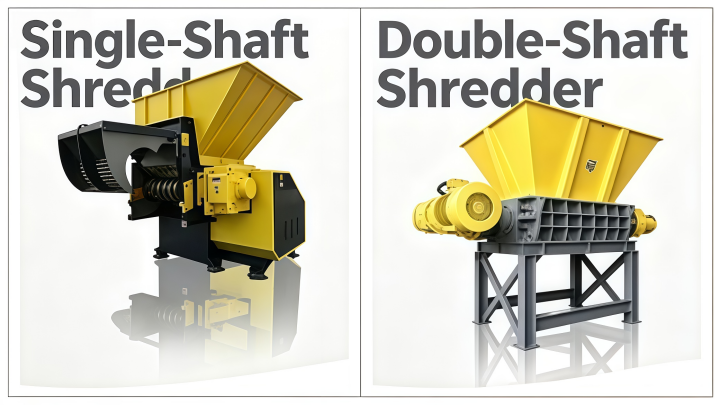
Single‑shaft units use a hydraulic pusher and a bottom screen to control output size. They work well for plastic drums, wood, cardboard, and other low‑to‑medium hardness materials, with relatively low maintenance costs. Twin‑shaft units rely on two counter‑rotating shafts that shear and tear without a screen; they excel at tough, high‑hardness materials containing metal contaminants, though they cost 50‑80% more upfront. Each shaft configuration of Shredder Crusher Machine has its own strengths; the real issue is material compatibility.
A detail often missed in selection guides: if the metal content is below 5% and the material shape is relatively regular, a single‑shaft machine with impact‑resistant blades and hydraulic overload protection can be a cost‑effective alternative. The real basis for this choice is measured impact energy and abrasion index data. For a quick rule: if your output needs tight particle size control, choose single‑shaft; if your material is complex and hard to process, choose twin‑shaft.
Throughput and Output Size Determine Shredder Crusher Machine Specifications
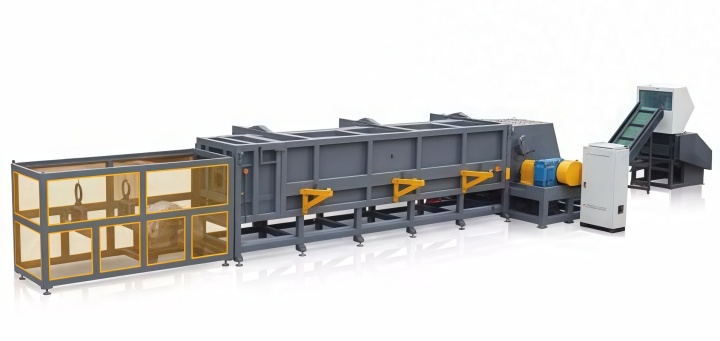
Throughput is calculated from your daily processing volume converted to an hourly rate. Single‑shaft machines typically handle 1‑5 t/h with 30‑150 kW power; twin‑shaft units range from 5‑20 t/h with 75‑400 kW. Output size must match downstream requirements—whether the material goes to magnetic separation or directly to pelletizing/extrusion. When sizing capacity, make sure the Shredder Crusher Machine's throughput aligns properly with upstream and downstream equipment.
Screen‑equipped single‑shaft units or twin‑shaft machines with fine gap adjustment are better for strict particle‑size specifications. Always size the machine based on the maximum single‑piece feed size, not the average feed size.
Maintenance Costs and Lifecycle Considerations
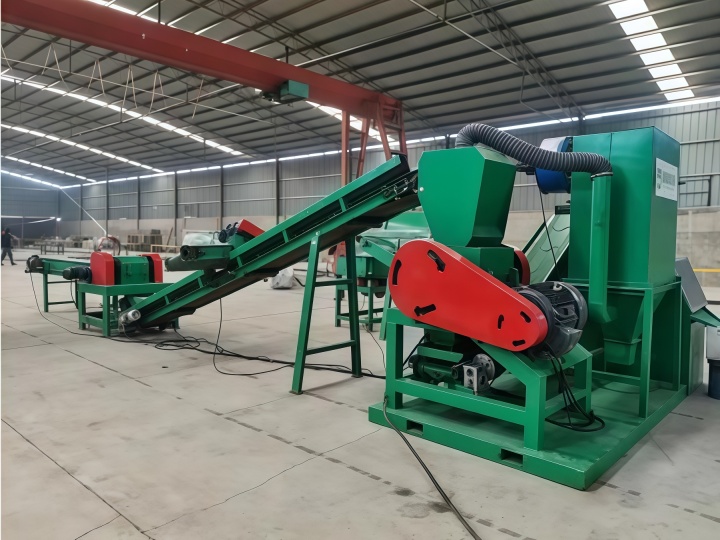
Purchase price is only a small part of total cost. Total cost of ownership includes initial investment, energy, blade replacement, and downtime. Single‑shaft machines use insert blades that are cheaper per change but require more frequent changes; twin‑shaft machines use weld‑repairable hooks that are costlier per repair but less frequent. When evaluating a Shredder Crusher Machine, comparing total lifecycle cost is far more meaningful than comparing purchase prices alone.
Here is a simple calculation: a $500 blade set lasting 100 tons gives a cost of $5/ton; a $1,000 blade set lasting 500 tons gives $2/ton—the more expensive set actually saves money. Ask suppliers for per‑ton energy consumption and blade life data. Also verify that the machine includes overload protection and automatic reverse to prevent jams—these features help reduce unplanned downtime.
Five Common Selection Mistakes
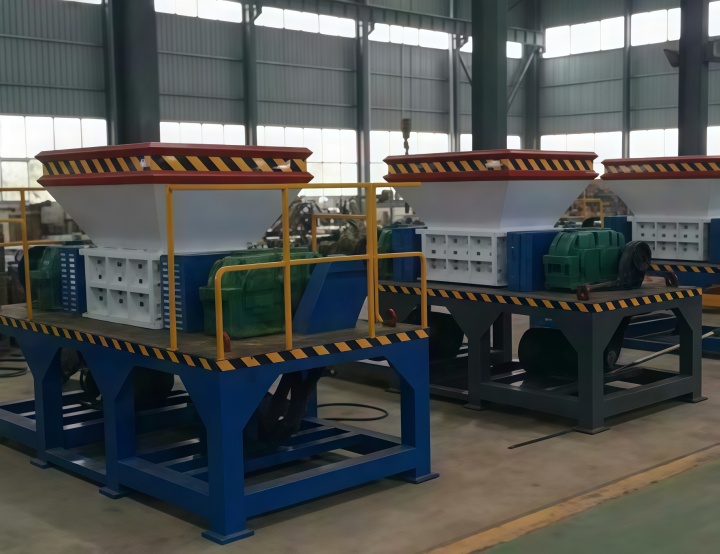
Four typical errors stand out: confusing the Shredder Crusher Machine with a high‑speed granulator; focusing only on feed opening size while ignoring maximum piece size; blindly choosing a larger model without matching material characteristics; and overlooking downstream particle size requirements when selecting screens or gaps. These mistakes often become obvious only after startup. Before choosing a Shredder Crusher Machine, make sure you have confirmed actual material test data, capacity needs, and output requirements—this will help you avoid most selection pitfalls.
Quick Decision Reference Table
| Comparison | Single‑Shaft Shredder Crusher Machine | Twin‑Shaft Shredder Crusher Machine |
| Suitable Materials | Homogeneous, medium‑hard | High‑hardness, metal‑containing, complex waste |
| Output Control | Precise screen control | Coarser gap control |
| Typical Throughput | 1‑5 t/h | 5‑20 t/h |
| Power Range | 30‑150 kW | 75‑400 kW |
| Initial Investment | Lower | 50‑80% higher |
| Per‑Ton Cost | Frequent but low‑cost blade changes | Less frequent but higher‑cost maintenance |
| Typical Applications | Drums, wood, cardboard | E‑waste, tires, mixed waste |
Selection Recommendation: If your material is homogeneous and your output size is strictly controlled, prioritize a single‑shaft Shredder Crusher Machine. If your feed is complex, hard, or contains metals, a twin‑shaft Shredder Crusher Machine is the safer choice. When in doubt, run a small‑batch test with your actual material before committing.
Pre‑Selection Checklist
Confirm the following items before contacting suppliers: material type, maximum piece size, target output size, hourly throughput, downstream process, approximate metal and abrasive content, available power capacity, and floor space. These data points come from the most frequently overlooked items in real‑world evaluations; having them ready will make your conversations with suppliers much more productive.
FAQ
Q1: What is the standard warranty period for a Shredder Crusher Machine?
Industry practice is 12 months or 2,000 operating hours for the main machine, though wear parts like blades and screens are usually excluded.
Q2: What noise level can I expect from a Shredder Crusher Machine?
With standard sound enclosures and vibration mounts, most units operate below 85 dB.
Q3: What happens if feed size exceeds the recommended maximum?
Forcing oversized material can jam the shaft or crack blades, and in severe cases it may burn out the drive motor.
Q4: Can I have my material tested before purchasing a Shredder Crusher Machine?
Yes. Most suppliers offer toll‑testing services; it is wise to run actual feed material through the machine under load before signing a contract.
Closing
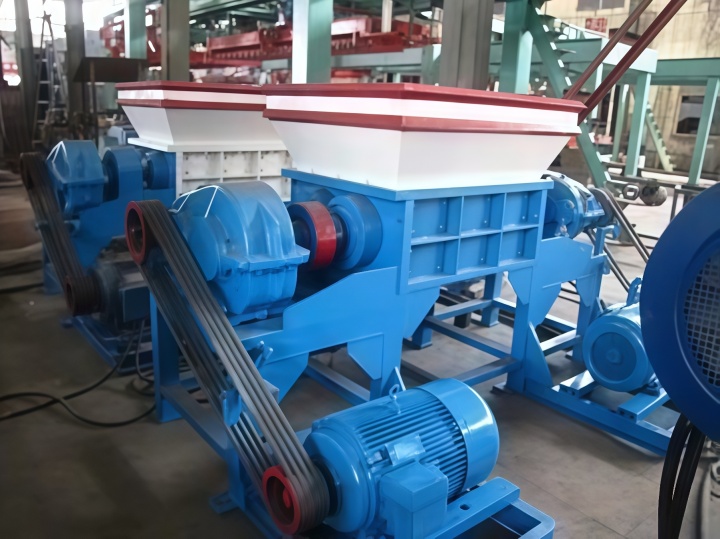
Choosing the right Shredder Crusher Machine comes down to matching the equipment to your material, throughput, and downstream process. Start by organizing your pre‑selection checklist—material composition, maximum feed size, target output size, and hourly capacity—then validate each dimension as outlined above. This approach will help you avoid the costly surprise of discovering a mismatch after installation.
For those currently evaluating options for their production line, taking the time to compile your material composition data and operating conditions will make the entire decision process much clearer and more efficient.