Secondary Cone Crusher Price
Saturday August-29 2026 11:51:21
What Is a Secondary Cone Crusher?
In the aggregate and mining industry, "secondary" refers to the second stage of the crushing process. After materials are roughly crushed by a primary jaw crusher, they enter the secondary cone crusher for further reduction to medium-sized particles before proceeding to tertiary crushing or screening.If you are searching for "secondary cone crusher price," you have likely noticed that prices vary widely — from under $20,000 to over $1.5 million. This guide provides a clear price overview and explains what drives the cost differences.
Secondary Cone Crusher Price Ranges by Type
The table below shows typical price ranges for secondary cone crushers market data:| Crusher Type | Capacity (TPH) | Price Range (USD) |
|---|---|---|
| Spring Cone (PYB Series) | 40–350 | $20,000 – $80,000 |
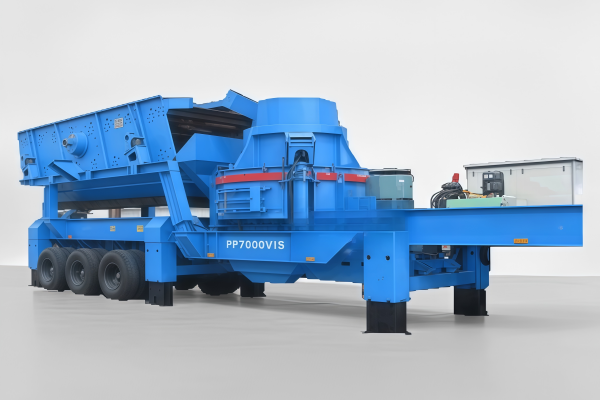
| Single-Cylinder Hydraulic | 100–500 | $80,000 – $300,000 |
| Multi-Cylinder Hydraulic | 200–800+ | $200,000 – $800,000 |
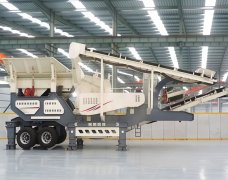
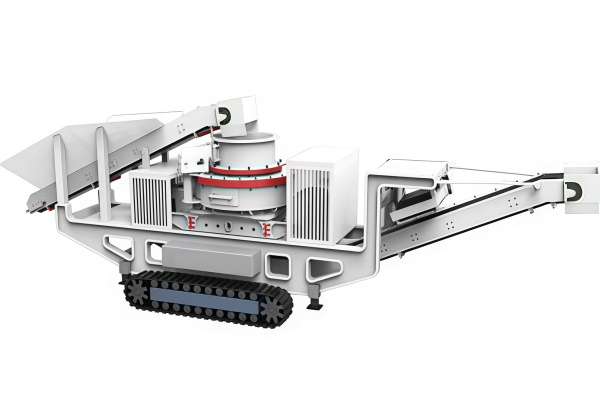
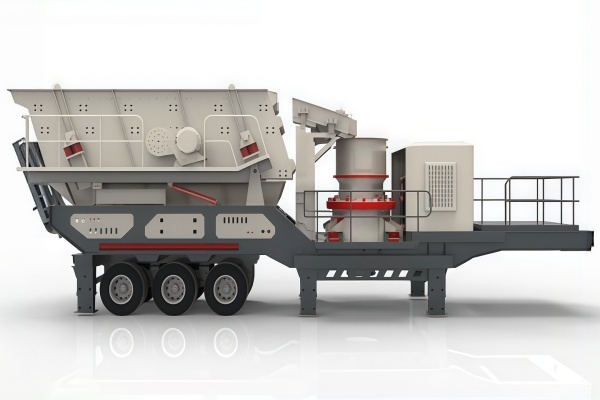
| Track-Mounted Mobile Cone | Varies | $200,000 – $1,500,000+ |
HPT200 (single-cylinder hydraulic) → ~$40,000 per unit; HPT500/HPT800 (multi-cylinder) → $38,000–$48,000 per unit; PYB 600 (spring cone) → ~$27,000; PYFB0910 (spring cone) → ~$55,000; HP200 (used, 14,300 hours) → ~$160,800; CH440 (remanufactured) → $99,500–$118,500
Note: Prices above are generally FOB China or ex-works. Bulk orders (4+ units) can reduce costs by 20–40%.
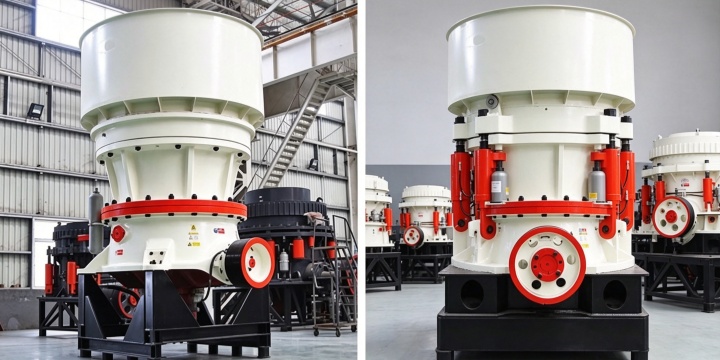
Why Do Prices Vary So Much?
Six key factors explain the wide price range:Crusher Type
Spring cone crushers are the most affordable due to their simple mechanical design. Single-cylinder hydraulic models cost more but offer easier adjustment and better automation. Multi-cylinder hydraulic crushers command the highest prices with full automation, PLC controls, and remote monitoring.
Capacity
A 100 TPH unit and a 600 TPH unit can differ by 4–6 times in price due to larger frames, heavier bearings, and more powerful motors.
Automation Level
Modern features like touchscreen control, automated CSS (Closed Side Setting) adjustment, and predictive maintenance sensors add 5–20% to the price.
Motor Quality
Standard motors vs. premium brands like Siemens or ABB can add 5–15% to the cost.
Wear Materials
Higher-grade manganese liners (Mn18 vs. Mn13) and optional ceramic composites cost more upfront but extend service life by 20–40%.
Brand and Support
Western brands like Metso and Sandvik carry significant premiums due to global service networks, proven reliability, and better resale value. Asian manufacturers offer competitive pricing with rapidly narrowing performance gaps.
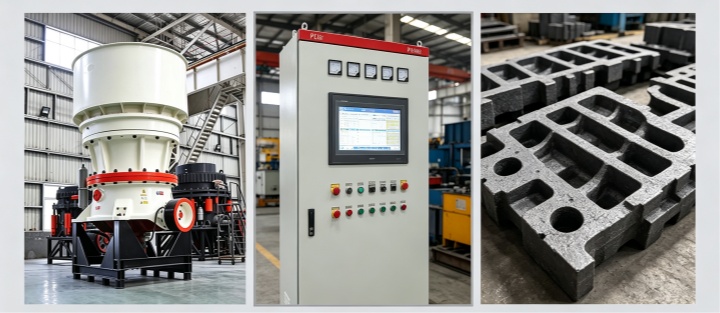
What's NOT Included in the Price?
When comparing quotes, always ask these questions:Ex-works, FOB, or CIF? — Shipping and insurance can add 10–30%
Does it include the motor? — Sometimes quoted separately
Does it include the hydraulic station and control panel? — Essential for operation
Is installation and commissioning included? — Professional setup costs extra
What is the warranty period? — 1 year is standar.
Are spare parts readily available? — Factory-direct suppliers offer better support.
A price significantly below market average may indicate missing components, hidden defects, or a scam. Always request a formal quotation with full specifications.
Matching the Crusher to Your Material
The right choice depends on your specific application:Limestone or medium-hard rock, budget-conscious → Spring cone offers the best value
Granite or hard rock, strict shape requirements → Single-cylinder hydraulic
High capacity (500+ TPH), demanding mining operations → Multi-cylinder hydraulic
Multi-site projects or short-term contracts → Track-mounted mobile (pays for itself through mobility)
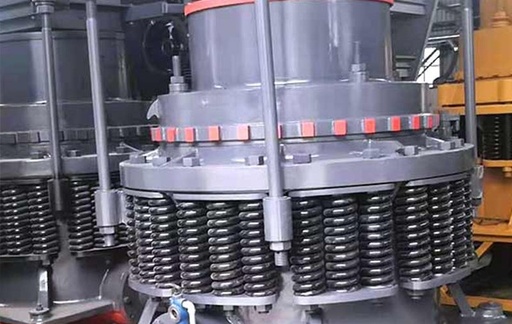
Quick Buying Tips
Define your requirements — Know your material type, target capacity, feed size, and output specifications before contacting suppliersCompare apples-to-apples — Ensure each quote includes the same components and shipping terms
Calculate total cost — A cheaper machine often costs more in energy, downtime, and wear parts over 5 years
Ask about bulk discounts — 4+ units can reduce per-unit costs by 20–40%
Verify the supplier — Request test reports and video inspections
Conclusion
The price of a secondary cone crusher in 2026 ranges from roughly $20,000 for small spring cones to over $800,000 for large hydraulic models — with mobile units reaching $1.5 million or more.The best choice is not simply the cheapest option. It's the one that matches your specific material, capacity needs, and operating conditions. A slightly higher initial investment in the right machine often pays for itself within 1–2 years through lower operating costs and reduced downtime.